Key Takeaways
- Recycling kitchen scraps helps minimize food waste.
- Use an electric food waste recycler to transform fruit and vegetable scraps into a by-product that’s easier to dispose of.
- Foodilizer™ can be used as a soil amendment for your garden. You can repurpose kitchen scraps into a veggie broth, create a homemade cleaning solution, or regrow a new plant.
Table of Contents
- What to Do With Fruit and Vegetable Scraps
- Key Takeaways
- 6 Things to Do With Your Kitchen Scraps
- Don’t Throw Them Away – Learn What to Do With Vegetable and Fruit Scraps
- FAQs
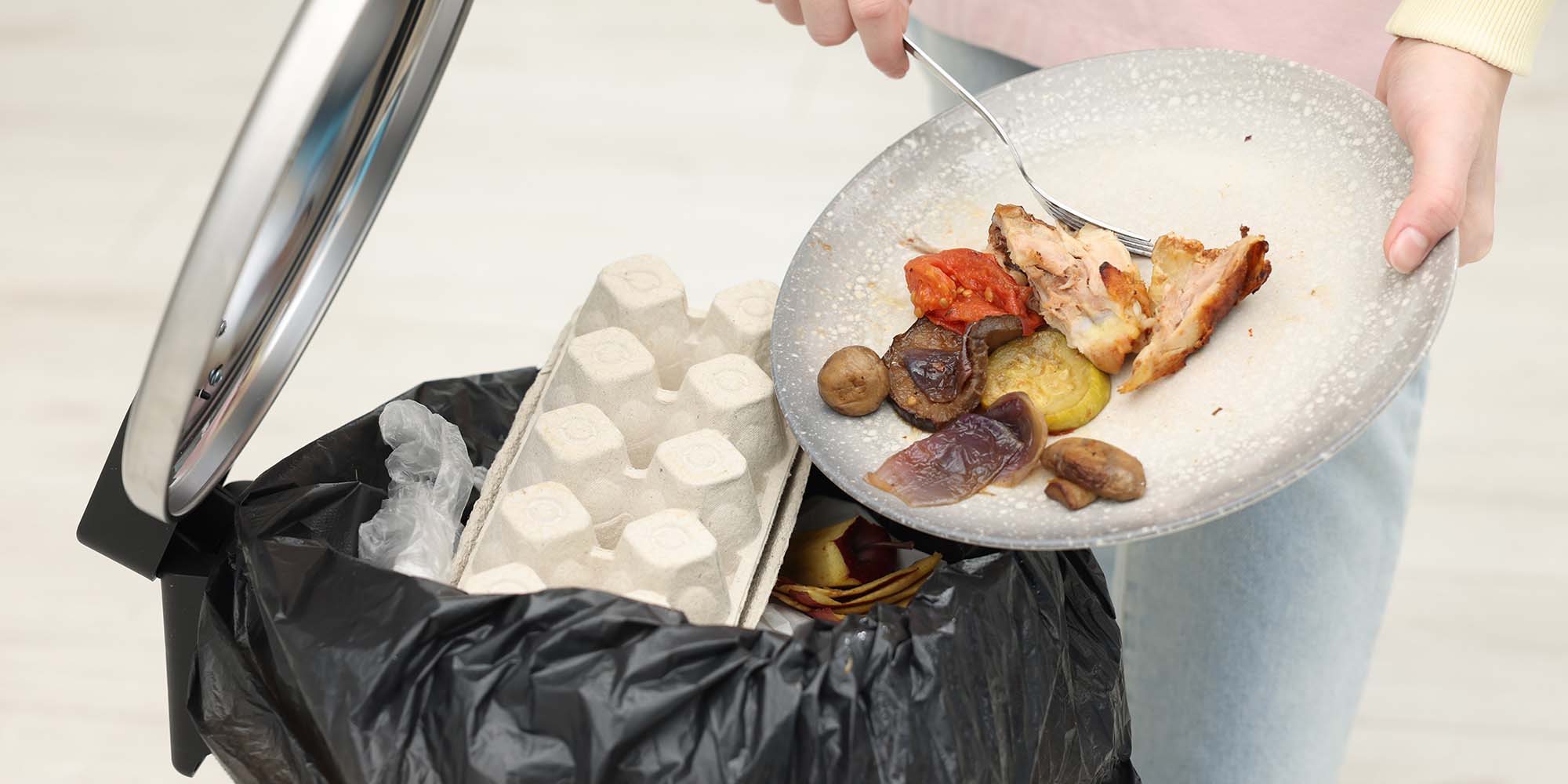
Did you know that, according to the US Environmental Protection Agency, 30 to 40% of our food supply is never eaten? Most of it ends up in landfills instead, wasting resources, increasing greenhouse gas emissions, and causing serious environmental impact.
The best way to reduce this impact? Prevent food waste from ever hitting those landfills.
While many organizations have made zero-waste pledges, you don’t have to be a major business, university, or government to take the pledge and take action right at home.
One of the easiest and most powerful actions is to repurpose your kitchen scraps, whether or not you use a food waste recycler. All it takes is a little creativity. Learn more about what to do with your fruit and vegetable scraps with our guide.
6 Things to Do With Your Kitchen Scraps
Don’t throw those fruit and vegetable scraps away. Prevent food waste with these ideas from FoodCycler®.
1. Recycle Waste in an Electric Food Waste Recycler

When food scraps are buried under heaps of trash in landfills, they break down without oxygen. This creates methane gas that affects the Earth’s temperature and climate system. So, what can you do with your vegetable scraps?
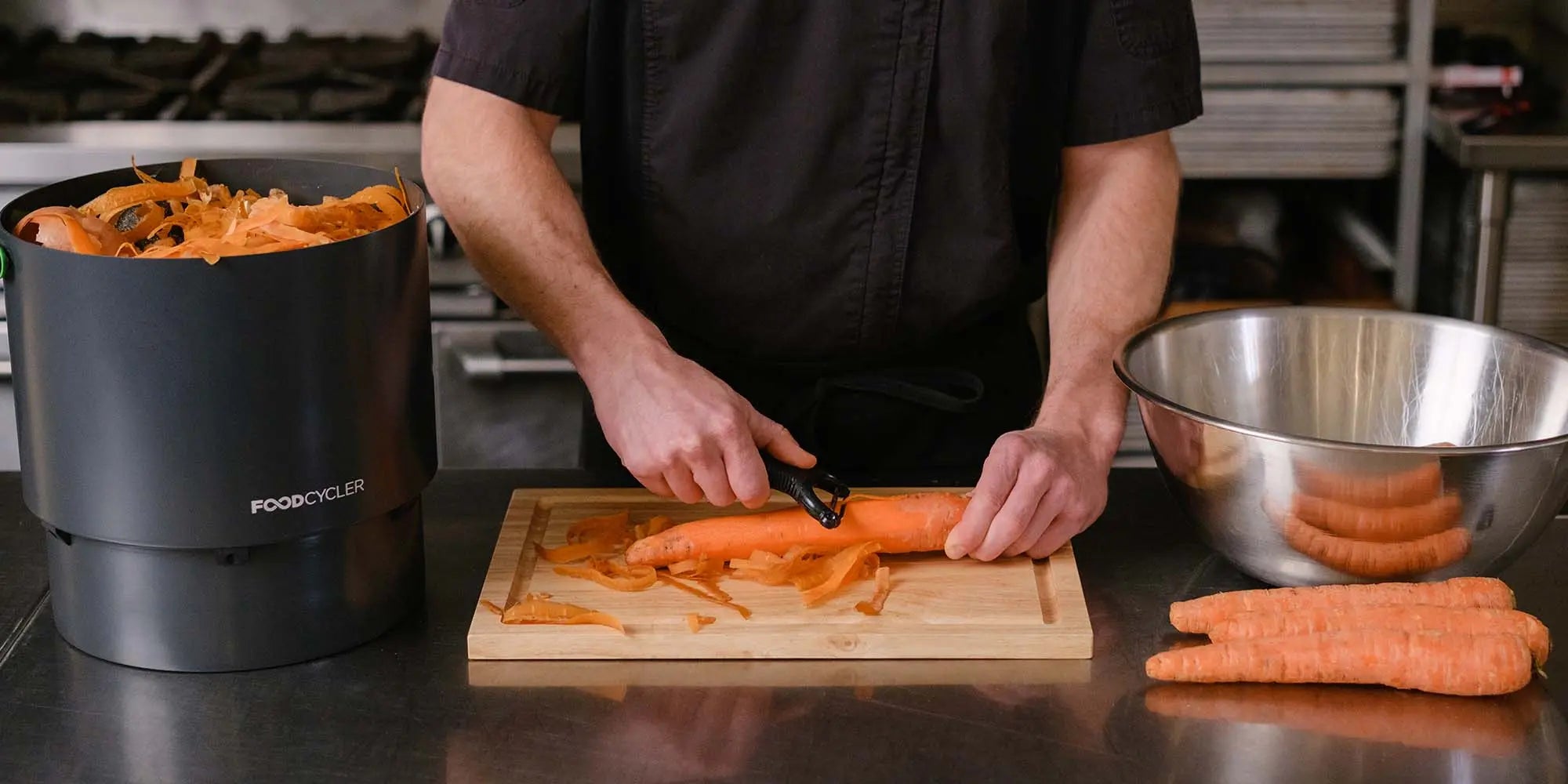
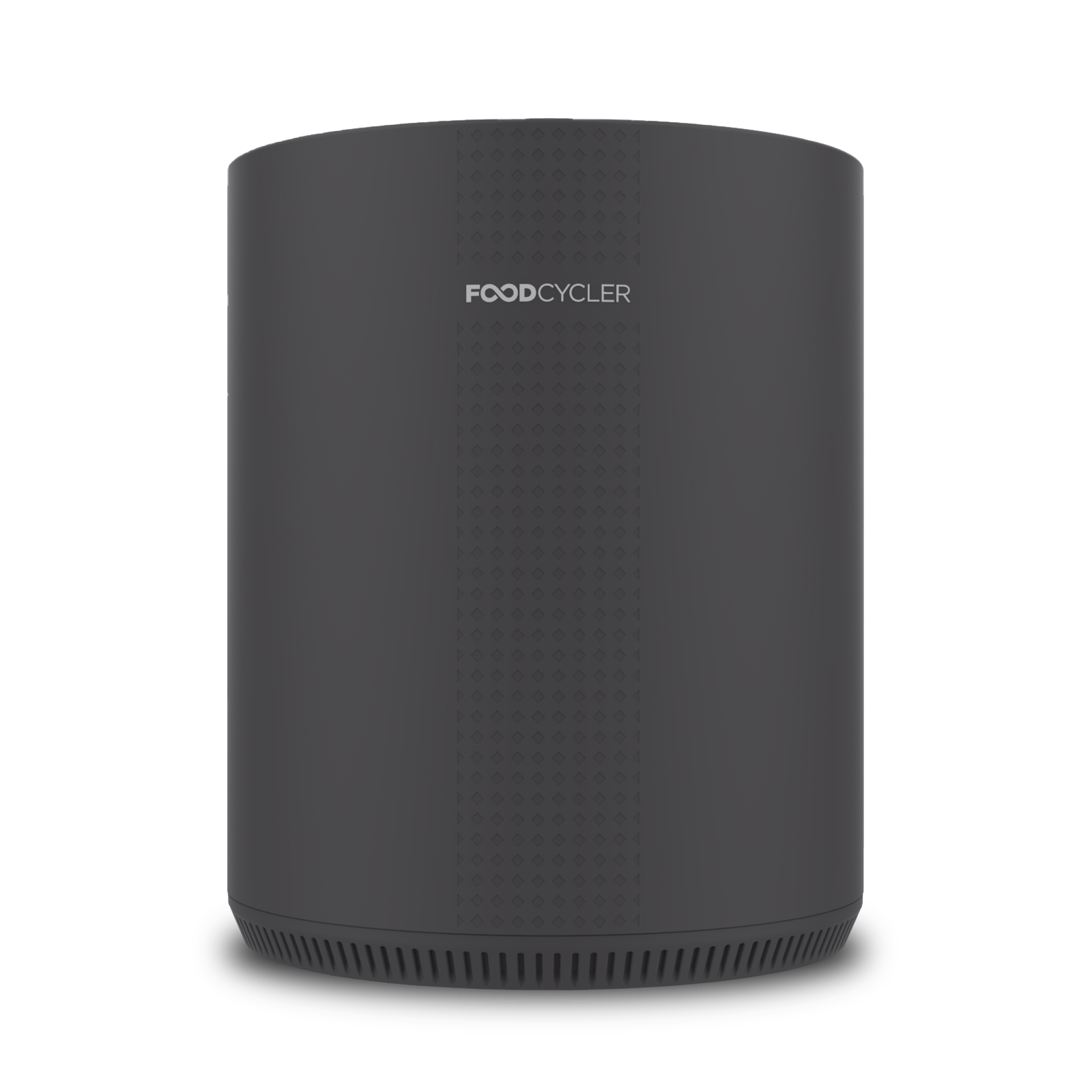
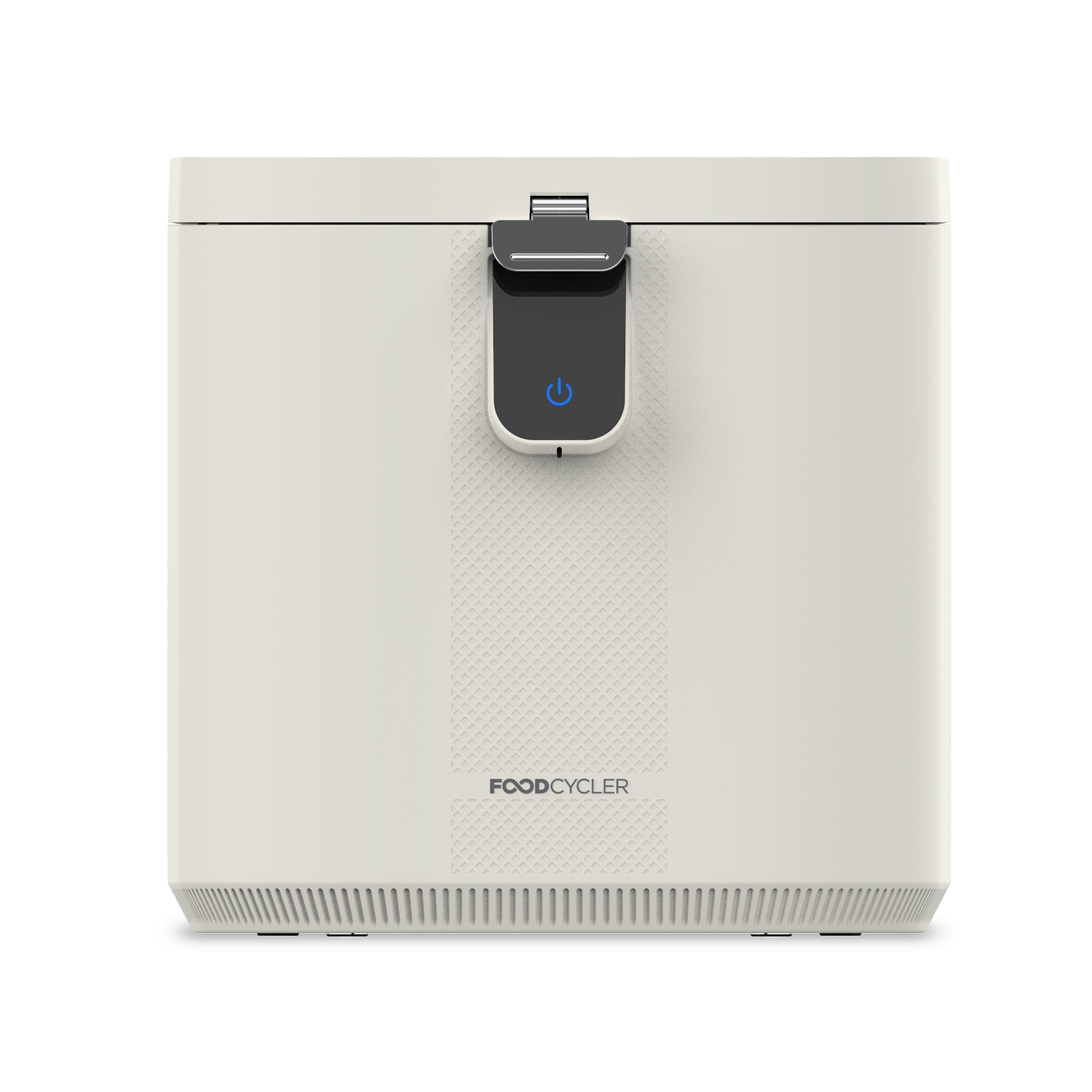
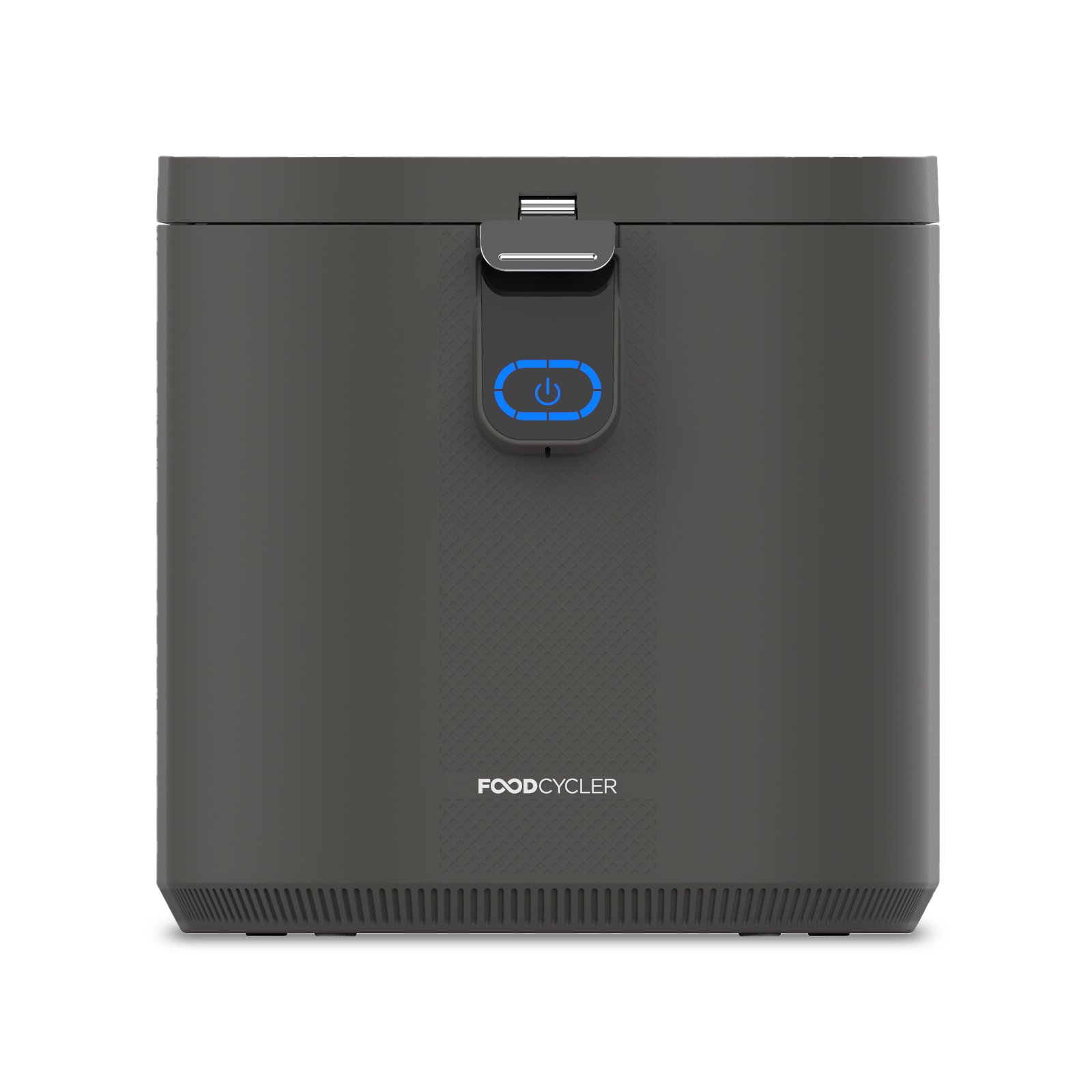
Try a food waste recycler like the FoodCycler. Designed with science-based technology, it transforms your fruit and vegetable scraps into a malleable by-product that’s easier to dispose of. This is much better than a composter because, with the push of a button, you can neatly dispose of what you can’t eat. Save the (messier and more odourous) traditional methods for the outdoors!
2. Add Kitchen Scraps to Your Garden
Wondering what to do with kitchen and vegetable scraps processed by the FoodCycler? Add it to your garden!
Every FoodCycler cycle creates a dry, nutrient-rich by-product called Foodilizer™. Foodilizer can help improve your soil’s water retention and nourish beneficial microbes, helping your plants thrive.
Adding Kitchen Scraps to Your Garden
We recommend using a 1:10 ratio of Foodilizer with your soil. You can use it throughout the growing season to supplement your soil, typically about every 2 weeks.
Questions about what to do with your fruit and vegetable scraps when gardening? You can learn all about using kitchen scraps for garden applications here.
3. Make a Vegetable Broth
Before you toss your veggie scraps, consider making a homemade broth instead. It’s a simple process: combine your scraps, add aromatics like onion and garlic, boil them in water, and strain.
You can use almost any vegetable scraps for your broth, including:
- Carrot peels
- Onion and garlic skins
- Celery ends
- Fennel stalks
- Mushroom stems
- Bell pepper scraps
4. Regrow Your Vegetables

There are plenty of non-culinary things to do with vegetable scraps, including propagating them. What vegetables can you propagate? Farmers’ Almanac notes you can regrow many vegetables from kitchen scraps, including:
- Green onions
- Celery
- Romaine lettuce
- Bok choy
- Garlic
- Ginger
- Potatoes and sweet potatoes
- Basil and cilantro
Regrowing leafy greens like romaine just requires placing their base roots in a bowl of shallow water. Others, like ginger and potatoes, must be planted in soil. Regrow vegetables with some scraps, and add the rest to our food waste solutions to make a soil amendment for your new veggies.
5. Make a Jam With Peels, Cores, and Overripe Pieces
Ever wondered what to do with fruit scraps instead of throwing them away? Like vegetable scraps, you can give them new life in your kitchen.
Pectin, the “glue” that makes jellies gel and gives jam its spreadable consistency, occurs naturally in most fruits. But did you know that the highest pectin concentration is in fruits’ skin and peels? Rather than let it go to waste, you can create a delicious jam.
Some of the best fruit scraps to save include:
- Apple peels and cores (seeds removed)
- Strawberry tops
- Citrus peels
- Berry and pulp scraps
- Any overripe and bruised fruit
What to Do With Your Kitchen Scraps: Make Jam in 6 Easy Steps

- Rinse your fruit scraps.
- Combine 2 cups of fruit scraps, 1/2 cup of water, 1/2 cup of sweetener (such as sugar or honey), and 1/4 cup of lemon juice in a saucepan over medium heat.
- Mash the fruit as it softens and releases juices.
- Remove from heat and use an immersion blender to purée any remaining peels.
- Let it continue simmering for 5 minutes or until it thickens.
- Let it cool completely, and enjoy!
6. Create a Homemade Cleaning Solution
Preparing delicious meals with scraps, or cultivating a garden with nutrient-rich soil, are two great ways to repurpose your kitchen scraps for “clean eating,” but what if you cleaned with your fruit and vegetable scraps?
The idea isn’t so far-fetched as it might seem: after all, the natural world is fully capable of healing and cleaning up after itself as long as we give it the chance to do so. In practical terms, that means those leftovers can be the ingredients for a powerful, all-purpose cleaning solution without harsh chemicals.
- Pack a mason jar with citrus scraps.
- Pour white vinegar over the peels until they’re submerged.
- Seal the jar, and store it in a cool, dark place for 2-4 weeks.
- Strain the liquid through a cheesecloth.
- Mix a 1:1 ratio of the citrus mixture and water in a spray bottle.
Don’t Throw Them Away – Learn What to Do With Vegetable and Fruit Scraps
Kitchen scraps rot and emit methane gas in landfills. Divert organic waste away from these already-packed landfills by repurposing your scraps.
Many methods won’t take much time or effort on your part, including using a FoodCycler food waste recycler. Just press a single button, and it handles the rest, transforming your scraps into a nutrient-rich Foodilizer in 4 to 9 hours. Try it now.
FAQs
What can I do with fruit and vegetable scraps?
You can use your kitchen scraps to make a broth, process them in an electric food waste recycler, or process them to make a soil amendment for your garden.
Can I just throw kitchen scraps in my garden?
You can throw scraps in your garden. But be aware: this can attract pests and temporarily draw nitrogen away from young plants as it decomposes. Try breaking them down in a food waste recycler first, then mixing it with your soil.
What fruit and vegetable scraps can I recycle in the FoodCycler?
Our patented Vortech® grinding system can grind almost any food waste into tiny particles, from mushrooms to bell peppers. Just make sure to cut up any fibrous vegetables, like celery, and add pits only in small amounts.