Daily food waste is often viewed as a disposal issue, but for many businesses it has become something much larger: an operational challenge.
Beyond simply removing waste, foodservice environments manage the ongoing realities that come with it — storage space, odors, cleaning requirements, staff time, and the movement of wet organic materials throughout a facility.
As organizations continue looking for ways to improve efficiency, many are shifting away from a “collect and remove later” approach and beginning to rethink where food waste gets handled in the first place.
Key Takeaways
Before we dive deeper, here’s what businesses are discovering:
- Food waste creates operational challenges beyond disposal costs, including odors, storage limitations, workflow interruptions, and cleanliness concerns.
- Processing food waste on-site can help reduce raw food waste handling and simplify daily operations.
- Businesses are increasingly adopting decentralized systems that process food waste where it is generated.
- Cleaner workflows can improve employee experience while supporting sustainability goals.
- Restaurants, senior living communities, hospitality environments, cafeterias, and foodservice operations are beginning to adopt more modern approaches.
The Old Way vs The New Way

The Hidden Problems Behind Daily Food Waste Buildup

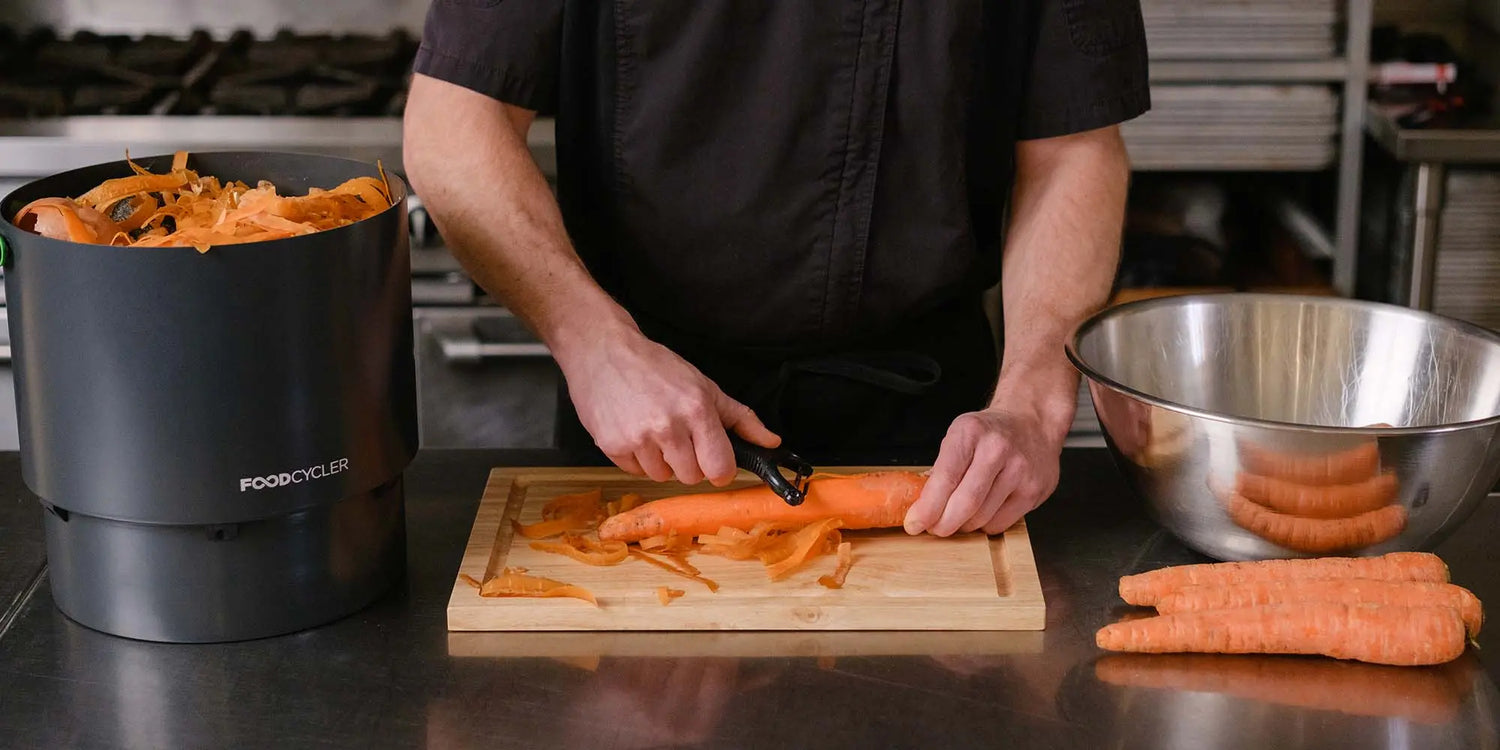
Food waste typically becomes a challenge through accumulation rather than a single event. Prep scraps, leftovers, expired ingredients, fruit peels, bones, and organic waste build up gradually over time.
This often creates operational challenges that teams know well:
- Wet organics that require repeated handling
- Limited storage space
- Odor concerns around collection areas
- Increased cleaning requirements
- Greater potential for pests
- Staff time redirected toward waste management tasks
For many businesses, these issues become accepted as part of daily operations, even though they may not need to be.
Food Waste Happens Where Operations Happen
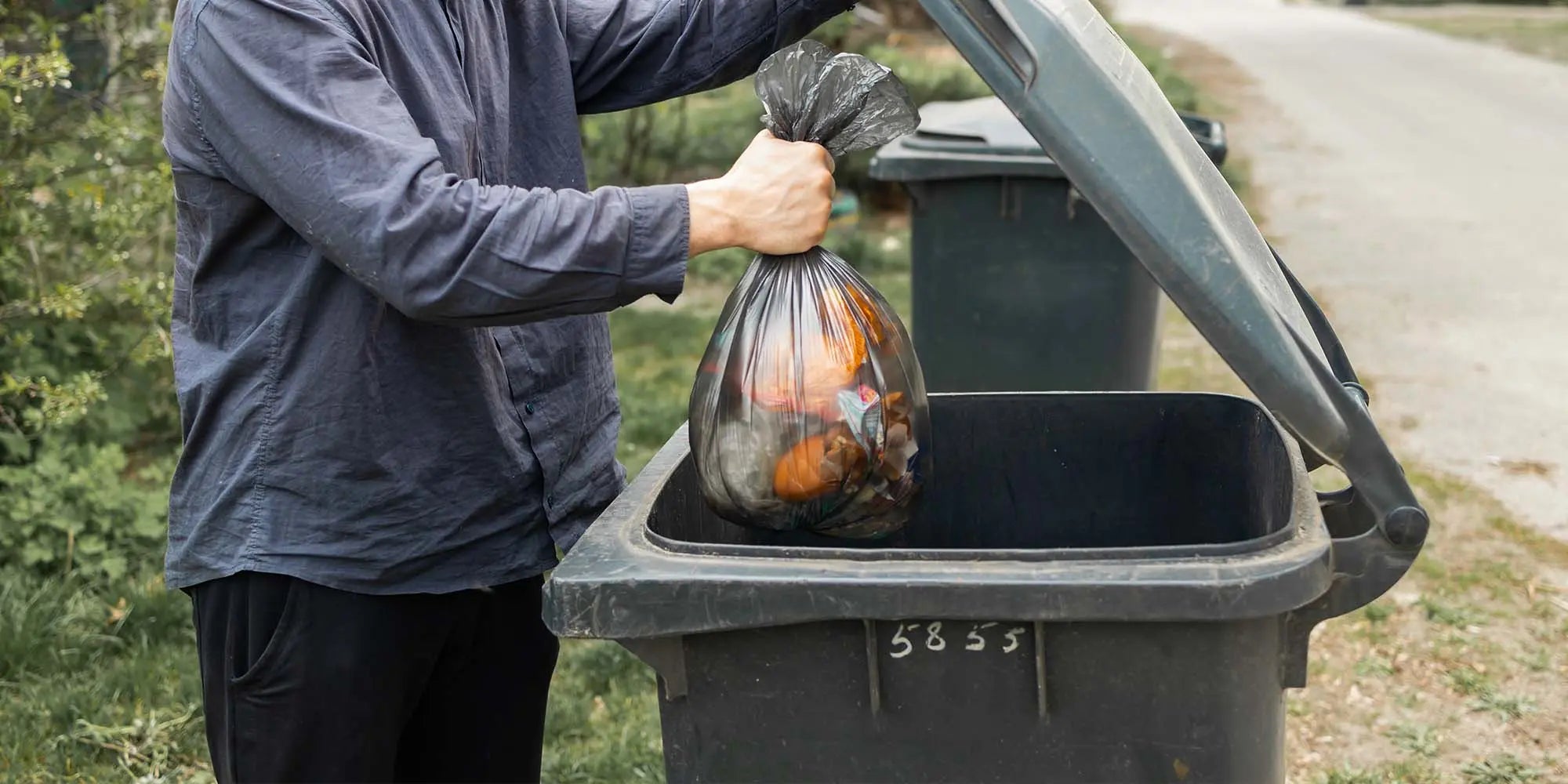
Traditional food waste systems are designed to move waste away from where it is created. Staff collect scraps, transfer them into containers, move those containers into storage areas, and wait for scheduled pickup.
As operations scale, additional handling often creates additional complexity.
This can mean:
- More labor
- More movement throughout facilities
- Increased storage requirements
- More opportunities for mess and inefficiencies
Forward-thinking organizations are increasingly asking a different question:
What if food waste could be addressed where it starts?
Why Businesses Are Moving Toward On-Site Processing
On-site food waste processing changes the workflow by reducing the amount of raw organics that need to be stored, moved, and managed throughout the day.
The impact extends beyond waste volume reduction alone.
Key Benefits

What This Looks Like in Real Operations

The move toward on-site processing is already happening in commercial environments where food waste management affects day-to-day operations.
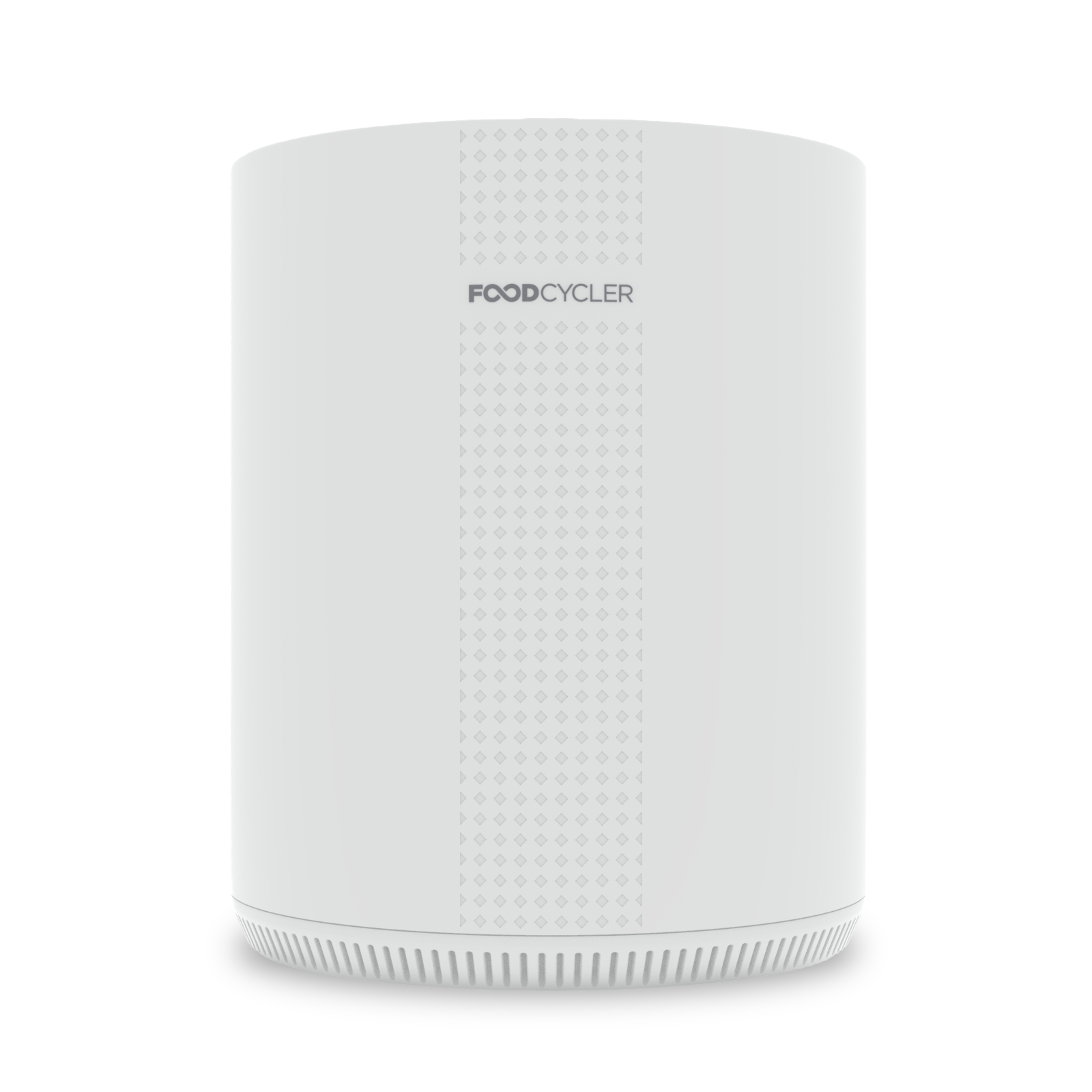
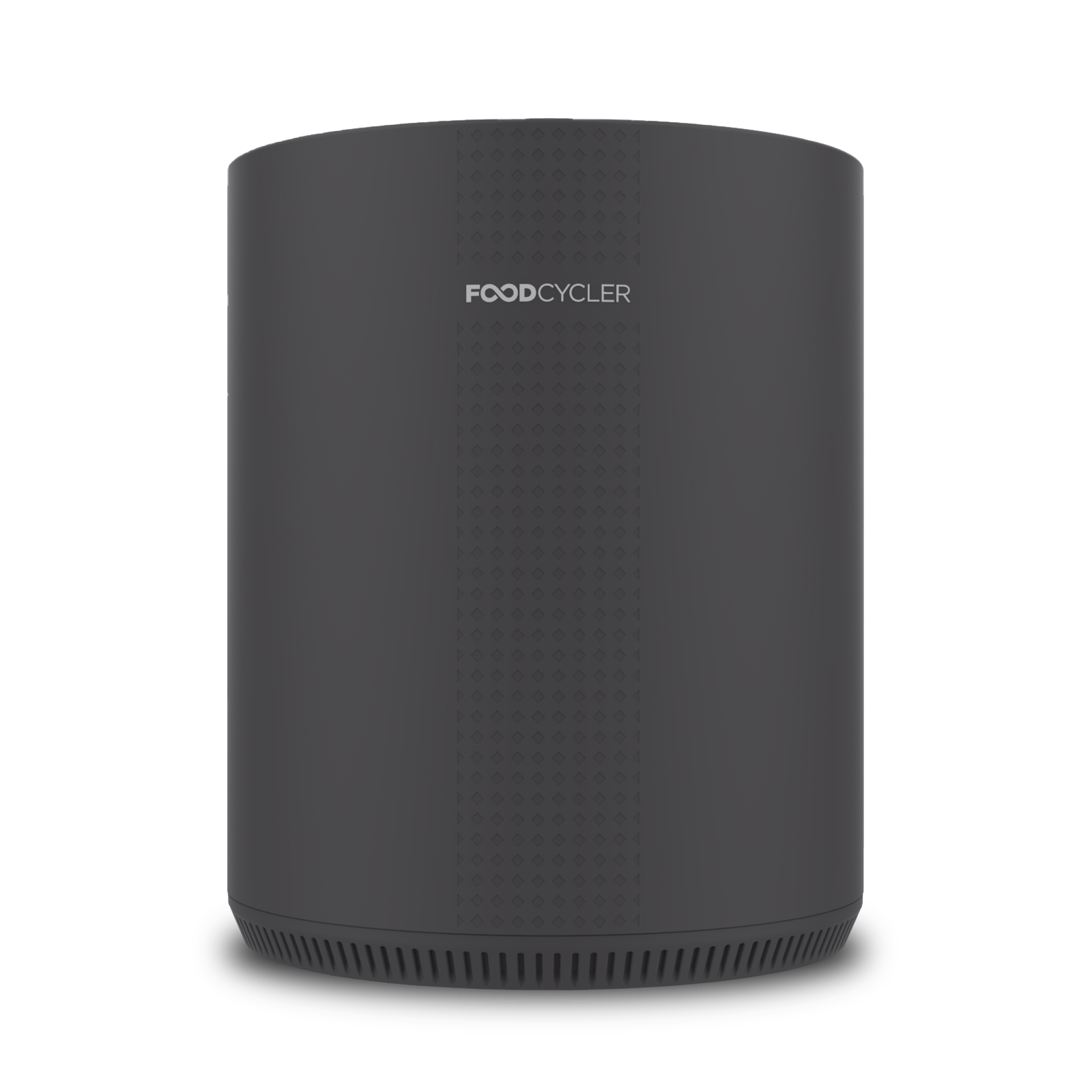
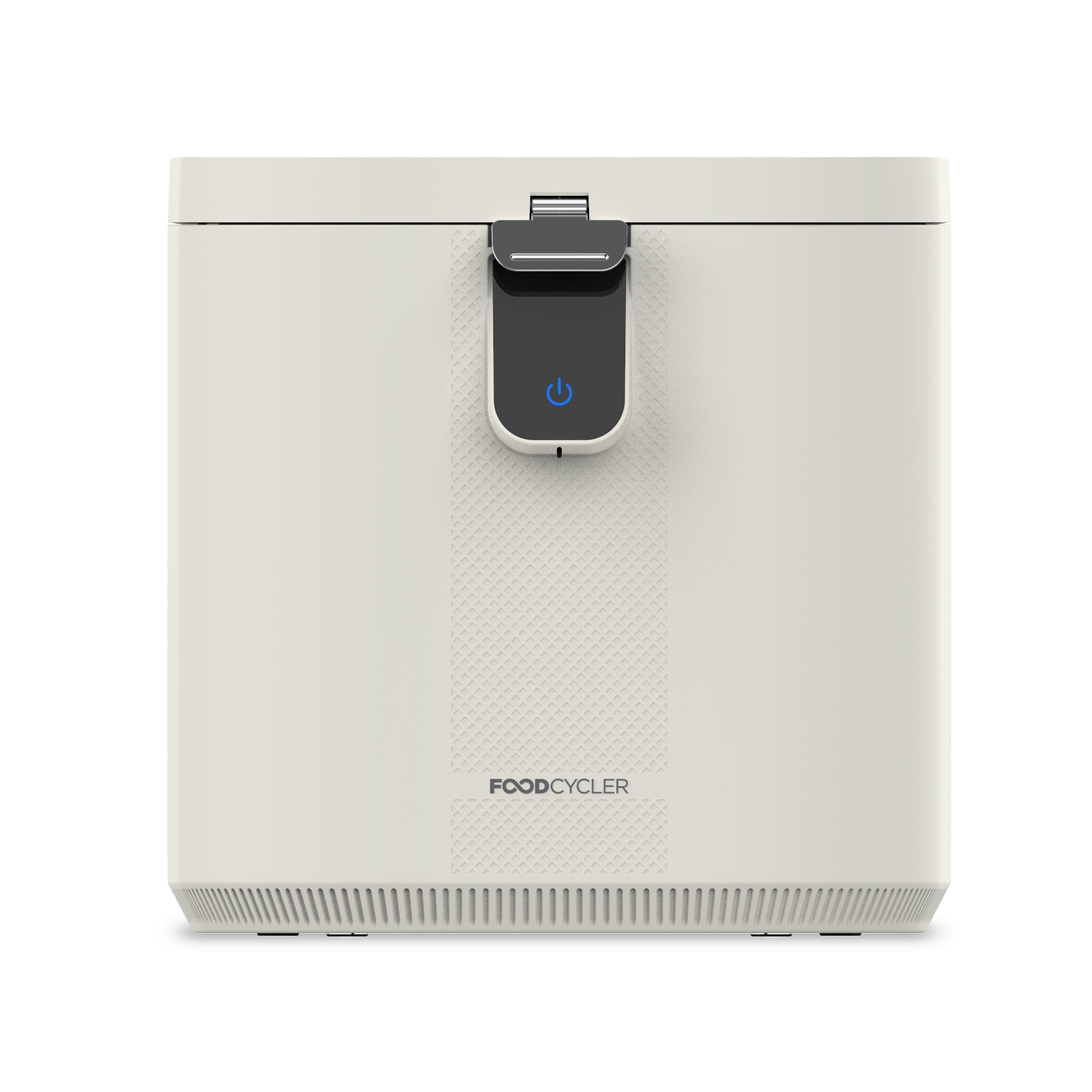
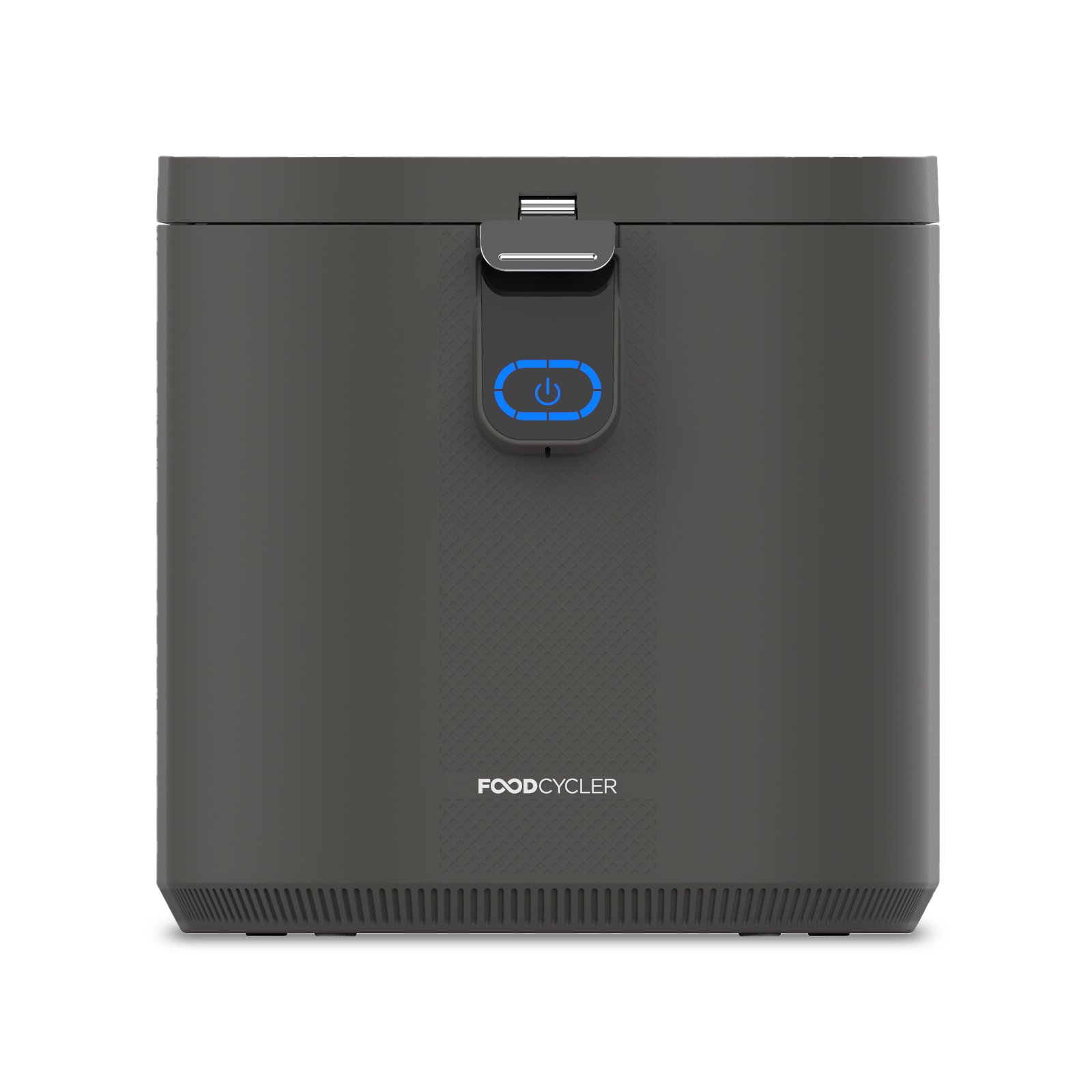
Petit Bill’s Bistro in Ottawa implemented the FoodCycler FC-75 and reported measurable operational improvements:
- Approximately $360 per month in hauling savings
- 50% fewer organics totes required each week
- Cleaner waste management conditions
- Reduced handling of raw food waste for staff
As owner Randy Fitzpatrick shared:
"The FC-75 enables us to process our food waste on site and cut our organics storage space and hauling costs by more than half."
Commercial environments such as restaurants, senior living facilities, cafeterias, hospitality spaces, and foodservice operations often prioritize cleanliness, workflow efficiency, and day-to-day consistency. Managing food waste closer to where it is generated can help support these priorities while reducing operational friction.
Rethinking Food Waste as Infrastructure

Businesses routinely invest in systems designed to improve operations, whether through refrigeration, ventilation, workflow software, or kitchen equipment.
Food waste management is increasingly becoming part of that conversation.
Forward-thinking organizations are beginning to view food waste processing not simply as disposal, but as operational infrastructure that supports cleaner environments and more efficient workflows.
When waste handling becomes simpler and more efficient, the impact extends beyond the garbage area and into the daily experience of staff and operations teams.
Explore What On-Site Processing Could Look Like
Every operation manages food waste differently, and the right approach depends on your space, workflow, and volume.
Learn more about the FoodCycler FC-75 or connect with our Commercial Team at commercial@foodcycler.com.