You’re cleaning out the fridge and tossing wilted greens, forgotten leftovers, and that half-used jar of salsa you meant to finish. It feels harmless.
But food waste and garbage costs are quietly adding up in your home every single week.
Across the U.S., the average household throw away up to $1,500–$2,900 worth of food every year - and that’s just the visible cost. What your garbage bill doesn’t show is everything behind it: the cost to grow, transport, and dispose of that food once it hits the bin¹.
When you zoom out, food waste isn’t just a kitchen habit - it’s a hidden expense built into your everyday life.
Key Takeaways
- You’re not just throwing food away - you’re throwing away hundreds (or thousands) of dollars every year.
- Your garbage bill includes hidden costs most households never think about.
- Every bag of food waste adds to your garbage costs and environmental footprint.
- The less food you throw out, the less you pay - directly and indirectly.
- Making food waste reduction easy and consistent is the key to saving money and reducing impact.
The True Cost of Food Waste and Garbage Bills
When we talk about food waste economics, we usually think about the price of the groceries we didn’t eat. According to 2026 data, the average American family of four tosses out between $1,500 and $2,900 worth of food every year².
But the "sticker price" of that wasted steak or soggy broccoli is only the beginning. The true food waste and garbage costs extend far beyond the grocery bill.
The Sunk Cost of Resources: You paid for the water, land and fertilizer used to grow that food - consuming 21% of all U.S. freshwater¹.
The Energy of Transport: You paid for the fuel to ship it from the farm to the store, and from the store to your home.
The Disposal Fee: Food is the single largest category of material entering U.S. landfills, making up roughly 24% of municipal solid waste³. Eventually those costs are passed back to you.

Why Food Waste Matters: Environmental and Economic Impact
If food waste were a country, it would be the third-largest greenhouse gas emitter in the world.

When food scraps end up in a landfill, they don’t just "break down" naturally. Because they are buried under mountains of other trash without access to oxygen, they undergo anaerobic decomposition. This process creates methane—a greenhouse gas that is 80 times more potent than carbon dioxide over a 20-year period⁴.
Household Food Waste Statistics (2026)
- The Weight Factor: The average person produces roughly 325 pounds of food waste annually ¹.
- Methane Impact: Composting food scraps from just 1 household can offset approximately 0.39 metric tons of CO2 equivalent per year⁵ (that’s the same emissions as driving from New York to Chicago - and halfway back again)
The Real Cost of Food Scraps Disposal
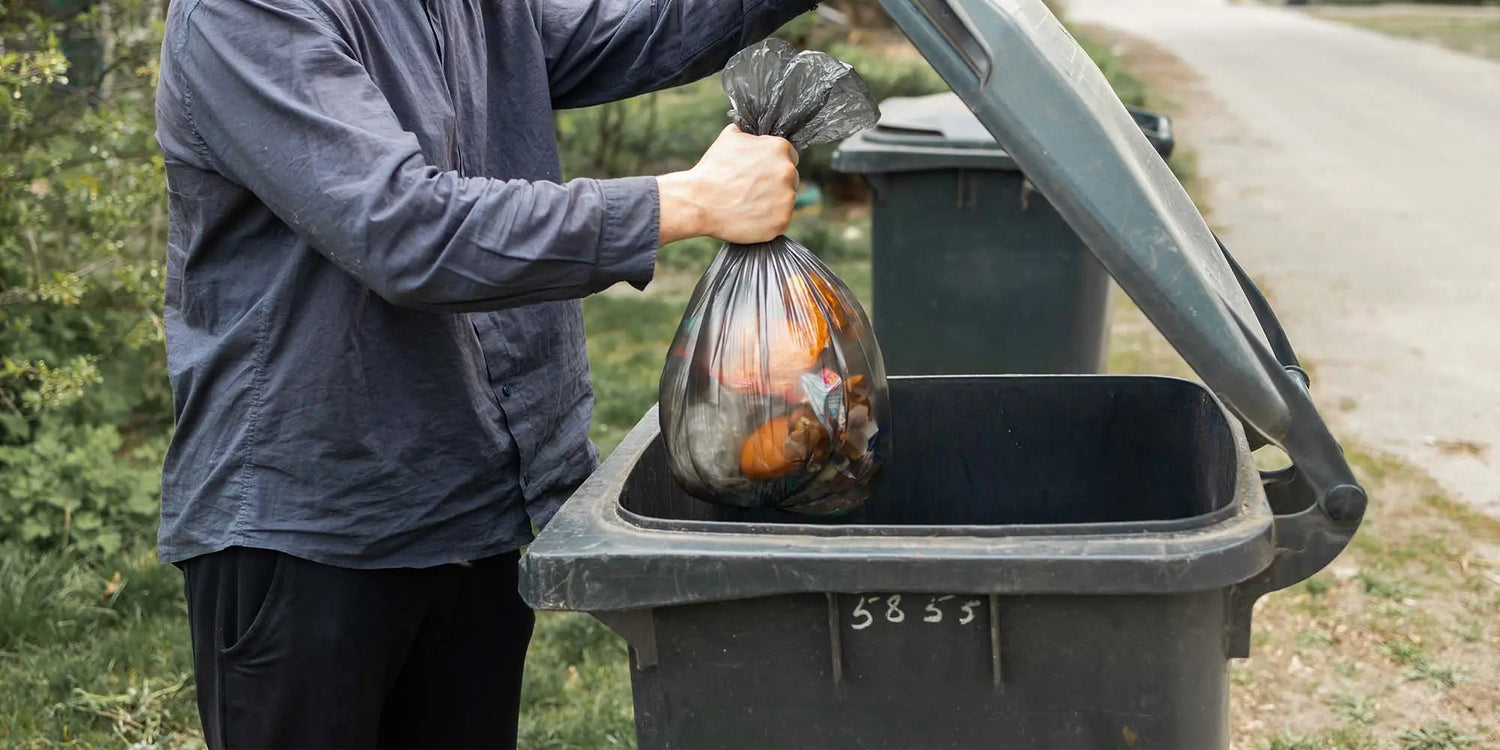
When you toss a bag of food scraps, it begins a high-cost journey.
First, a multi-ton diesel truck -getting roughly 3 miles per gallon idles outside your house to pick it up. Then, it’s transported to a transfer station, and finally to a landfill that might be miles away. You are essentially paying a "transportation tax" on your own leftovers.
Linking diversion to cost savings: By diverting those scraps from the waste stream, you reduce the weight of your trash. In many "pay-as-you-throw" U.S. cities, or states like California with mandatory organic recycling (SB 1383), this directly lowers your monthly garbage bill or helps you avoid municipal fines⁶.
How to Save Money and Reduce Food Waste at Home
The good news? You don’t need to overthink it to fix it. You just need a few simple shifts in your kitchen workflow.

Shop Your Fridge First
Before heading to the store, audit what you have. Moving older items to the front (FIFO method) can save consumers up to $1.3 billion annually in avoided label confusion alone¹.

A Smarter Way to Recycle Food Waste at Home
Reducing food waste doesn’t have to mean overhauling your lifestyle or committing to outdoor composting systems.
For many households, the biggest barriers are time, space, odor, and consistency. And when those systems don’t work, food scraps go right back into the garbage -along with the cost.
That’s where modern food waste recycling solutions come in.
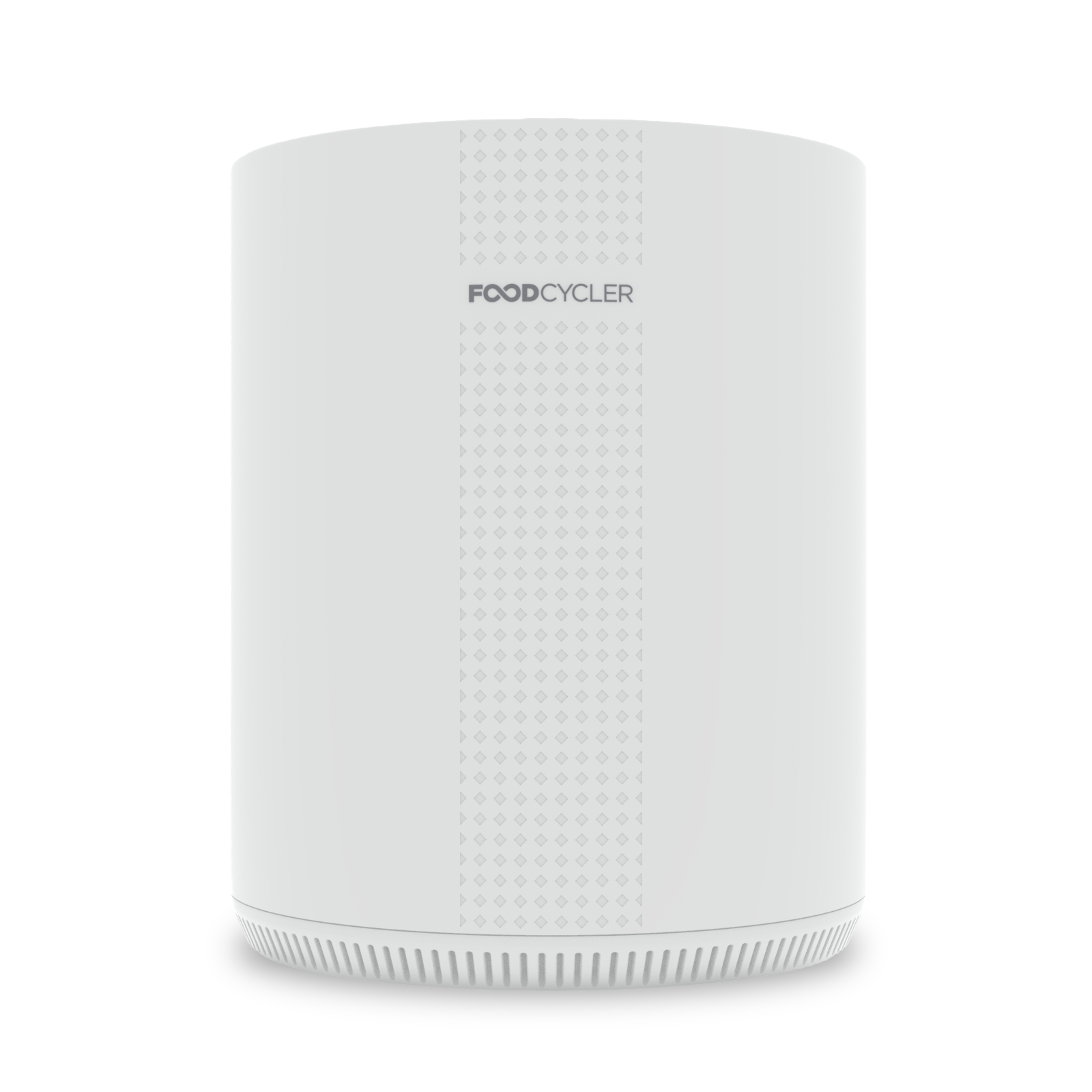
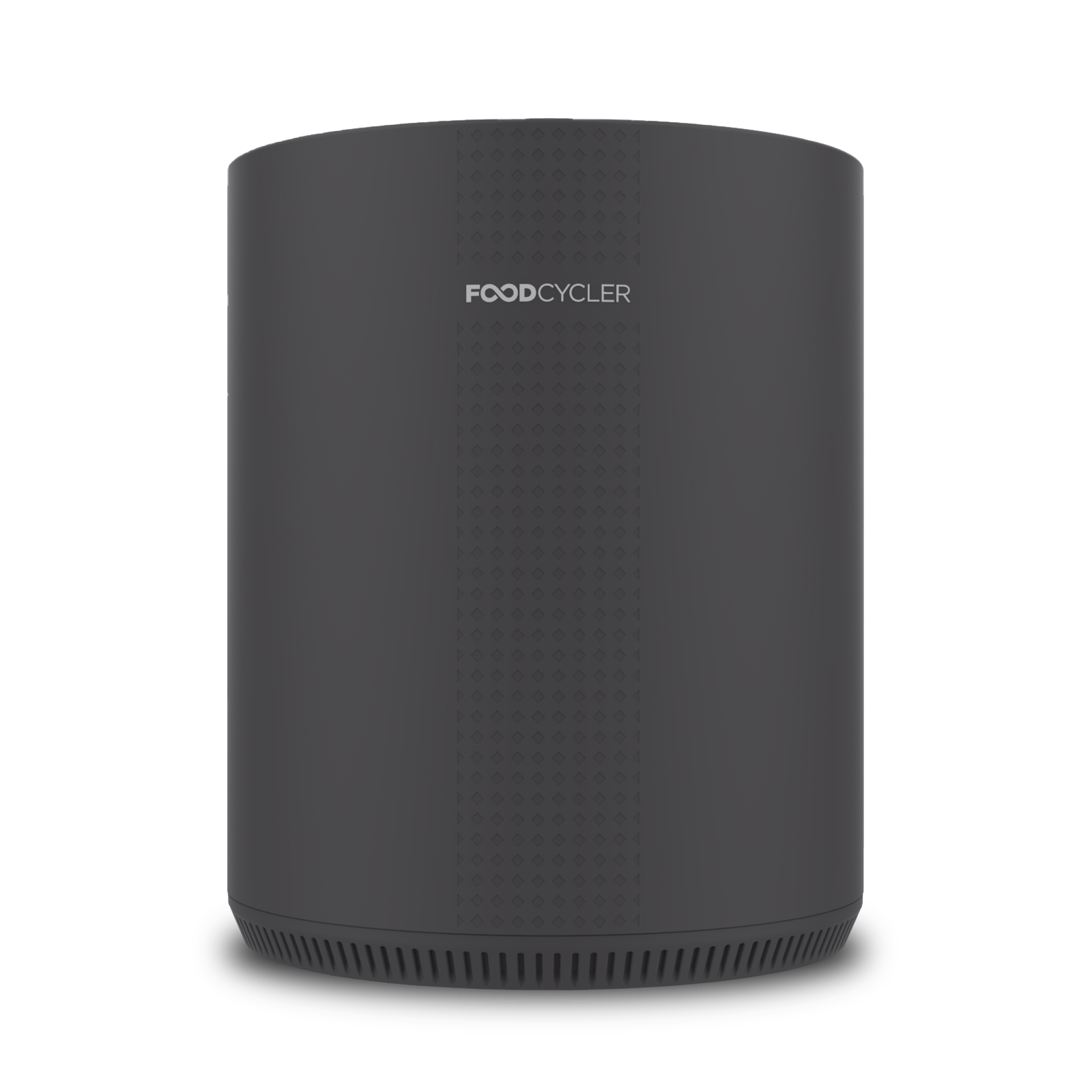
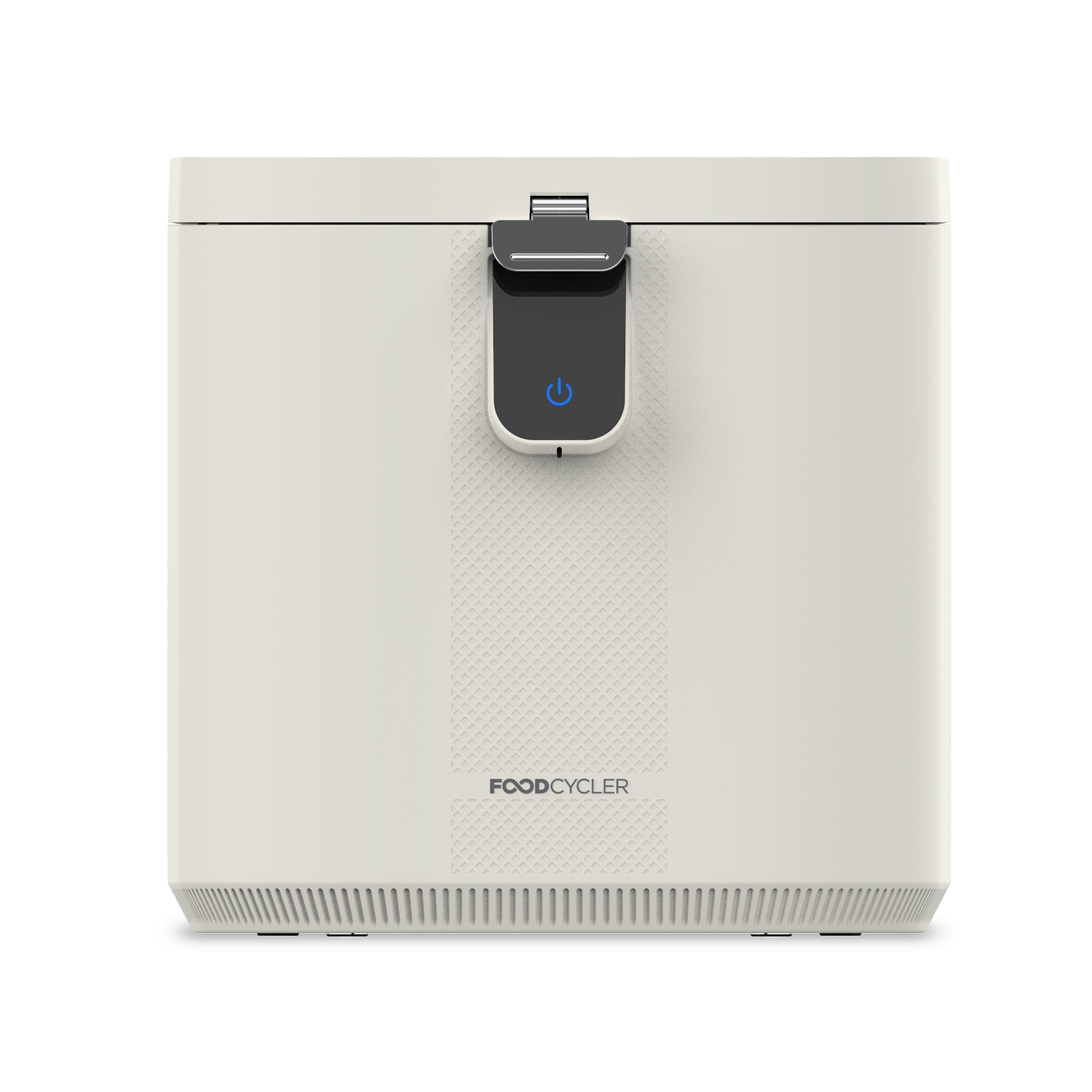
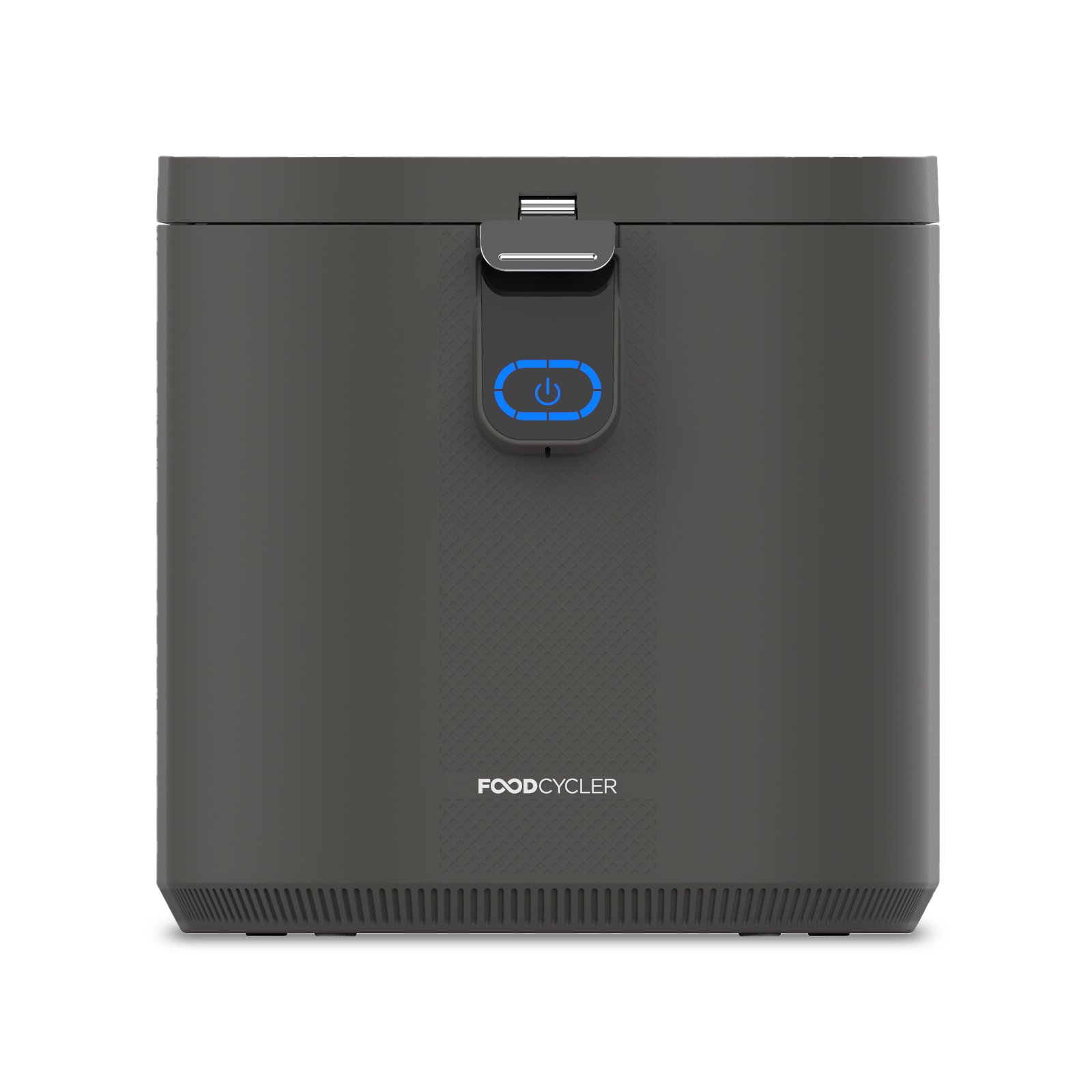
For households looking for a simple, reliable way to reduce food waste, a food recycler like FoodCycler offers a clear advantage over traditional methods.
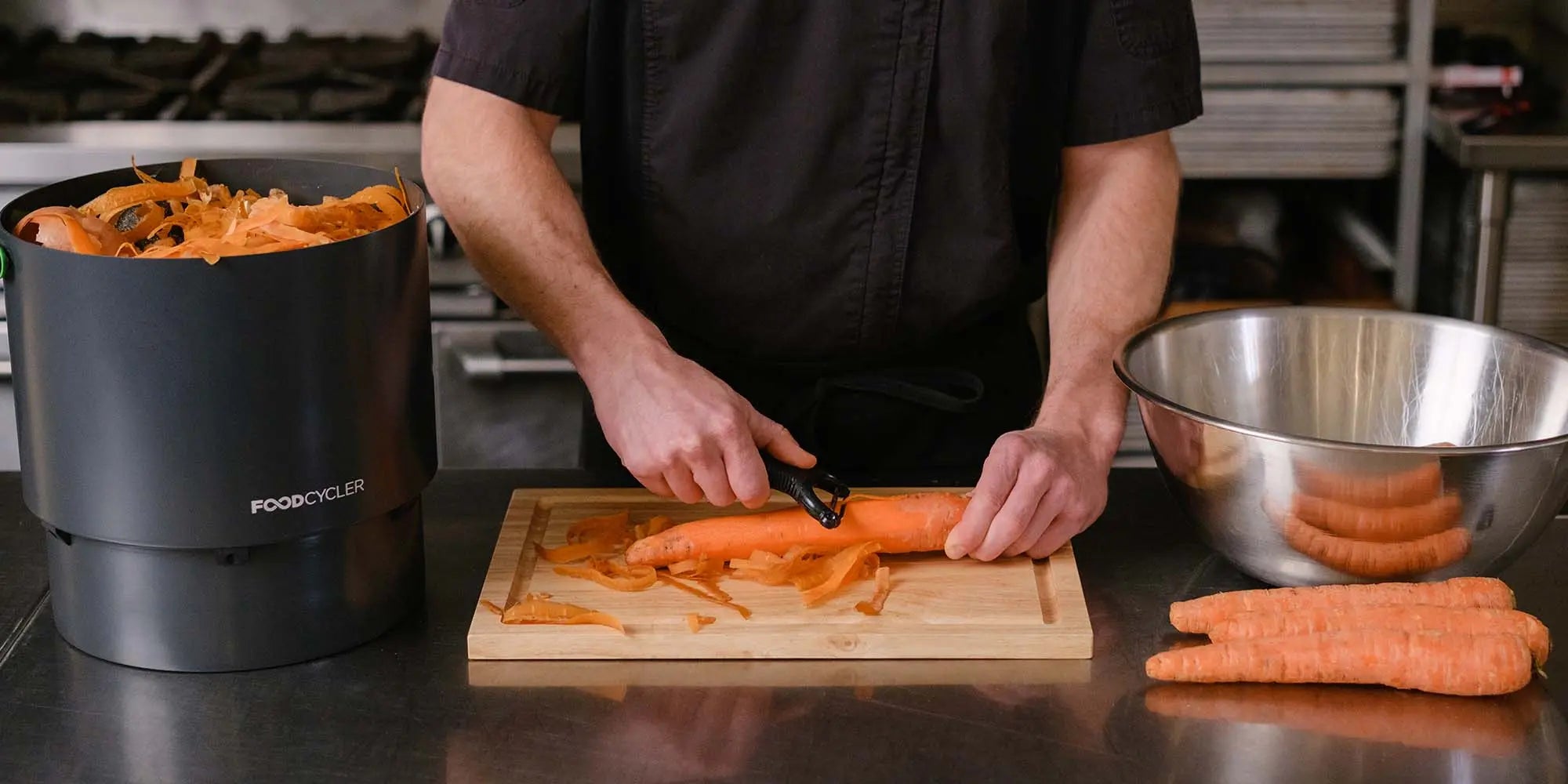
Instead of storing scraps, managing compost piles, or relying on municipal pickup schedules, FoodCycler processes food waste directly in your kitchen - turning it into a dry, odorless output in just a few hours.
More importantly, it changes the economics of your waste.
- Reduce garbage volume by up to 90%: Less waste in your bin means fewer garbage bags and less weight entering the waste stream - helping reduce disposal-related costs over time.
- Eliminate odor and inconvenience: No more storing food scraps or dealing with smells, pests, or inconsistent pickup schedules.
- Create a usable by-product: The output can be used as a soil amendment or added to compost, turning waste into something useful instead of something you pay to remove.
- Make food waste reduction consistent: When it’s easy and built into your daily routine, you waste less—without thinking about it.
Unlike landfill disposal, where food waste generates methane and adds to municipal costs, processing food waste at home keeps it out of the system entirely.
By reducing the volume of your waste by up to 90%, you’re not just helping the planet - you’re eliminating the mess, the smell, and the ongoing cost of throwing food away.
Final Thought: Your Garbage Bill is a Choice
Food waste isn’t just something you throw away, it’s something you pay for, multiple times over.

From the groceries you don’t eat to the cost of hauling and landfilling your waste, it all adds up.
The difference is, this is one household cost you can actually control.
Reduce what you waste, rethink how you dispose of it, and you don’t just help the environment - you start keeping more of your money where it belongs: in your home, not in the bin.