Key Takeaways
- Food waste is the most common landfilled material, producing approximately 10% of global greenhouse gas emissions.
- 30-40% of the food supply is wasted in the United States.
- 48% of food waste originates from homes.
- Recycling food waste is a simple and effective solution.
Here at FoodCycler®, we’re passionate about solving a major problem that affects every living creature on the planet: food waste.
A deep dive into food waste facts reveals startling insights that will make any conscientious reader take pause and, hopefully, reevaluate how they manage food waste at home.
Making changes at the local level has global implications, especially when we’re all united under a much-needed movement with momentum. Don’t overlook your impact!
Here’s a comprehensive list of key food waste statistics you need to know.

We Could End Global Hunger
The world produces enough food to end global hunger, but nearly one-fifth of the food produced for human consumption is wasted or lost, amounting to approximately 1 billion meals every day.
In the United States, 30-40% of the food supply is wasted. Disappointingly, a significant amount of that food waste is wholesome food that could feed families.
Households Are the Largest Source of Food Waste

One would be forgiven for assuming that large-scale food production would lead to the most food waste. However, food waste statistics reveal the startling truth: 48% of food waste originates from homes.
According to the Natural Resources Defense Council (NRDC), in the United States alone, 42.8 million tons of food are wasted every year. The average American throws away roughly 257 pounds of food annually.
Food Waste Devastates the Environment
Food waste isn’t only, well, wasteful. Food waste facts show that up to 10% of global greenhouse gas emissions can be attributed to food waste.
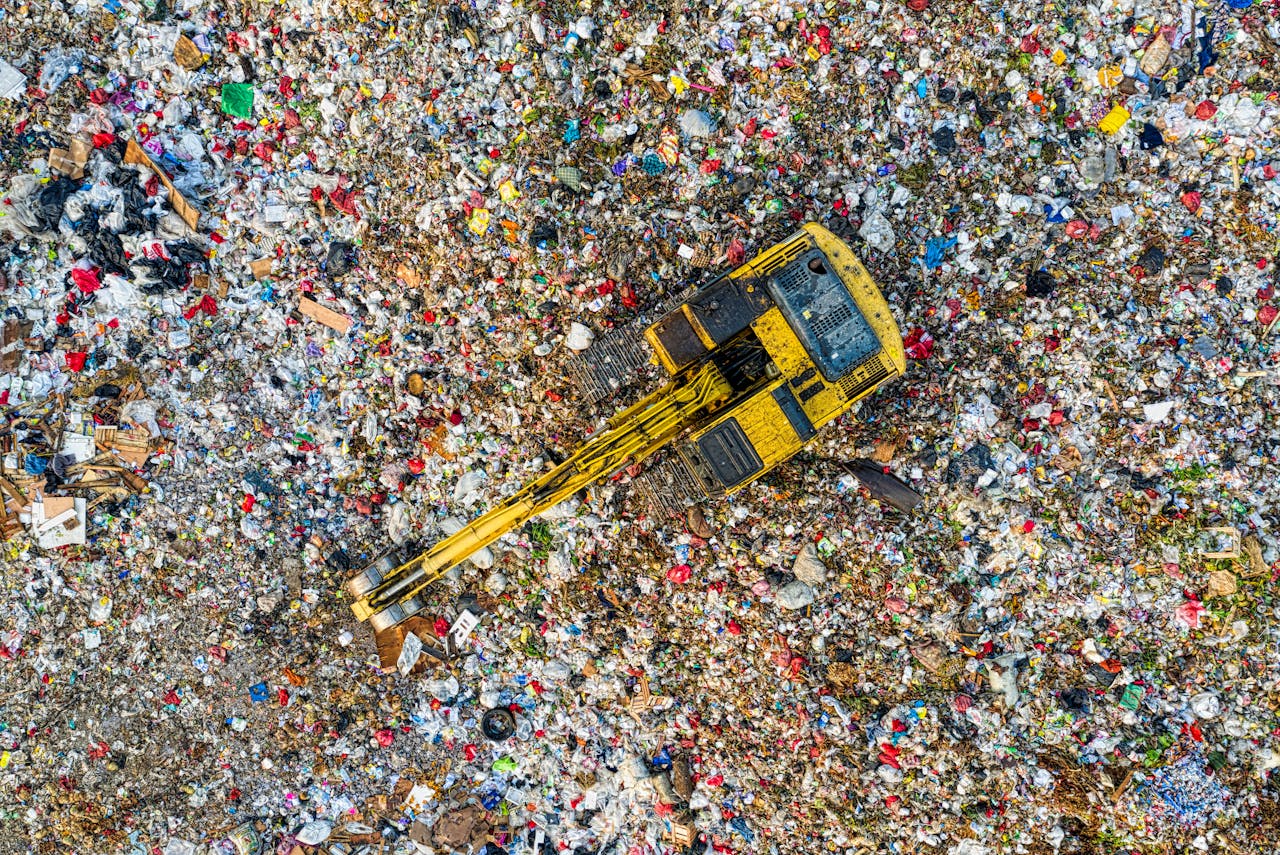
In the United States, food waste is the single most prevalent landfilled material, accounting for 24%. If the greenhouse gas emissions caused by food waste were represented as a country, it would be the third-largest source, trailing the United States and China.
Landfilled food waste produces methane, which is a greenhouse gas 80 times more powerful than carbon dioxide.
45% of Americans Ignore the Environmental Impact
MITRE and Gallup surveyed over 9,000 Americans on food waste. Additionally, 257 of them participated in a weeklong daily diary study that tracked food waste in a phone app. The food waste statistics revealed were shocking.
Nearly half (45%) of the participants didn’t believe that food waste harms the environment. Frustratingly, only 40% of them were motivated to be proactive about food waste to reduce their impact on the planet.
Food Waste Depletes Resources
When analyzing food waste facts, it’s important to consider the broader implications beyond the food itself.
Unnecessarily wasting food also wastes all of the resources required to produce the food, such as energy, water, land, fertilizer, and labor, as well as the greenhouse gases that were emitted throughout production.
Food Waste Harms Your Bank Account
While the most important food waste statistics paint a picture of significant damage to our communities and planet, the unfortunate truth is that many individuals and families won’t take action until they realize that wasting food is like throwing cash in the trash.
The average American consumer loses around $728 annually due to food waste. For a family of four, the average yearly cost is $2,913, or $56 weekly.
Recycling Food Waste Supports Healthier Soil

According to the EPA, the ability to turn food waste into a soil amendment like Foodilizer® can improve soil health. Healthy soil leads to more food, naturally helping to reverse the hunger-related food waste statistics referenced above.
Even if you don’t have your own garden to nourish, Foodilizer can be donated to local farms, community gardens, and other organizations to support your community!
Recycling Food Waste Saves Money
When considering food waste facts, don’t overlook the difference recycling food waste can make in your day-to-day life. Not only does recycling food waste prevent trash from building up and causing unpleasant odors, but trash pickup is often less expensive due to the reduced volume.
Recycling Food Waste Saves the Planet
Food waste statistics unequivocally show that recycling food waste benefits every human, animal, and plant on the blue planet we all call home.
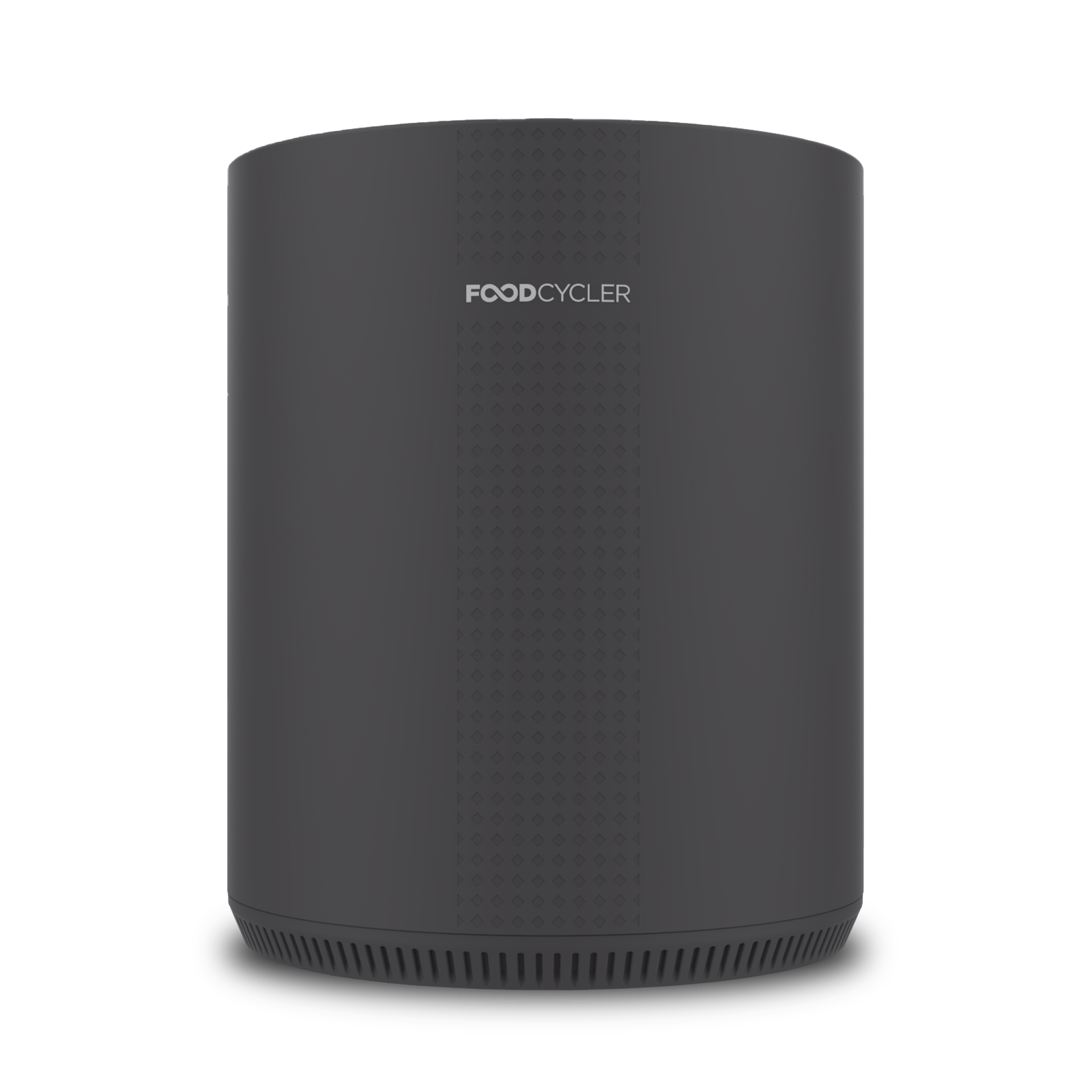
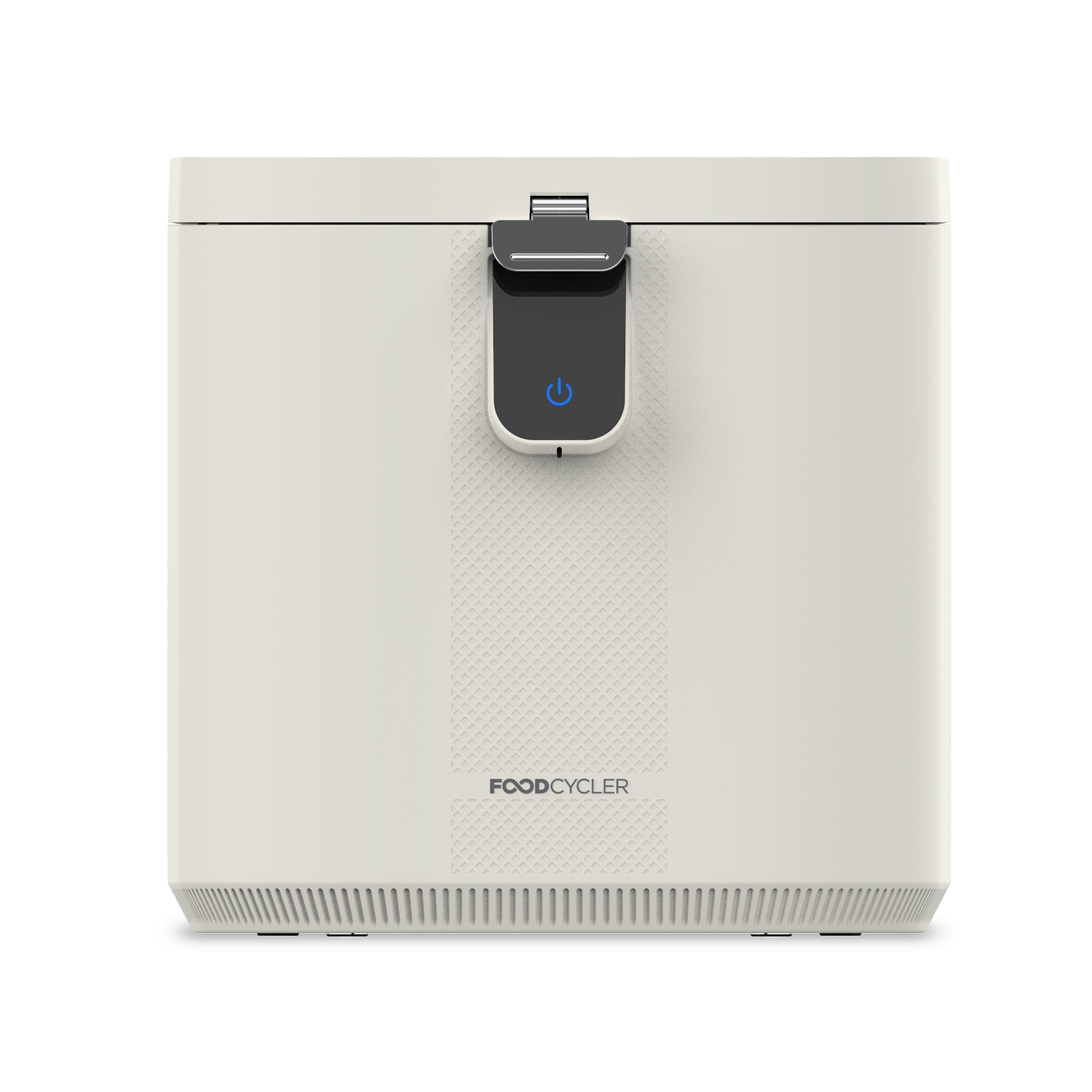
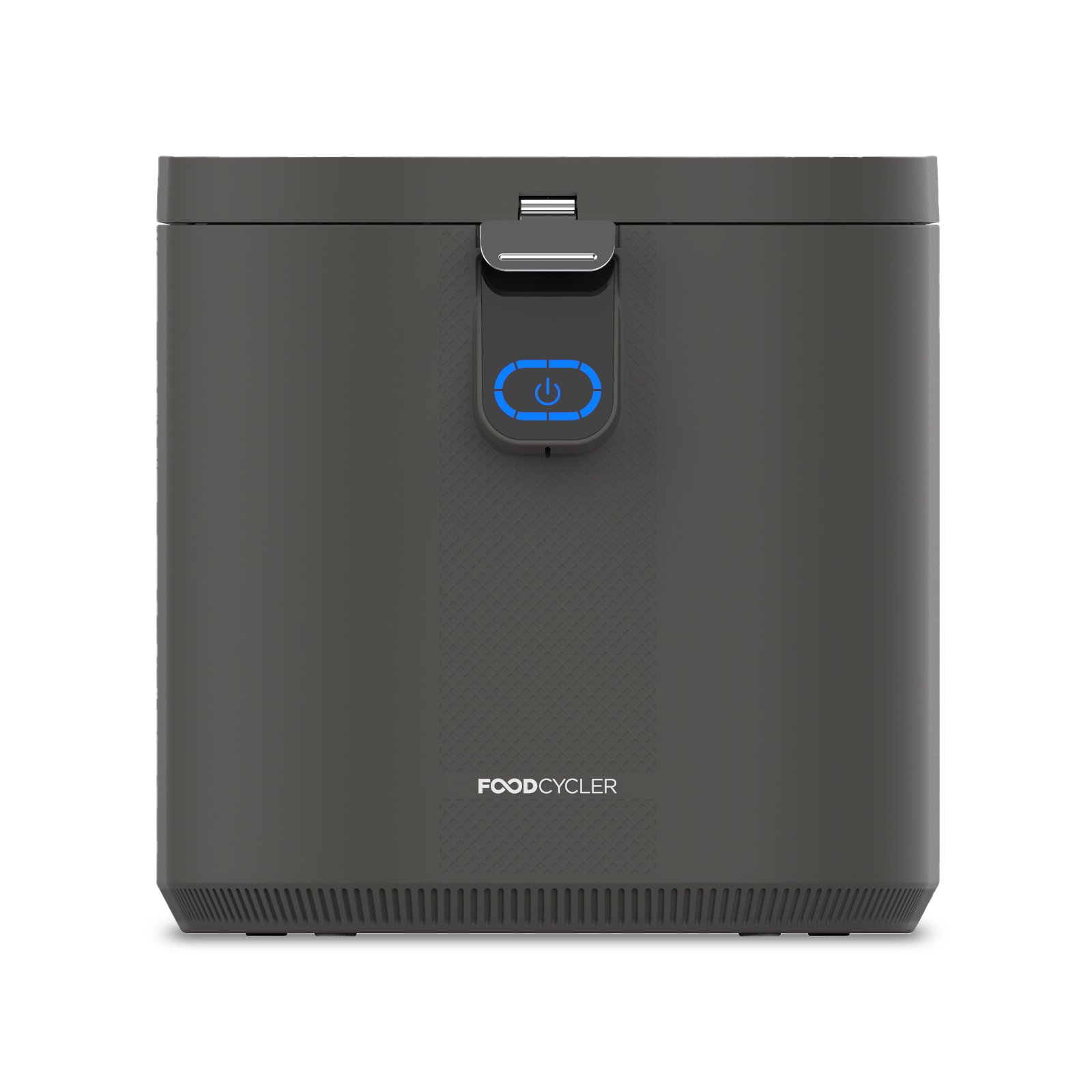
Are you ready to be part of the solution? The FoodCycler Eco 3™ and Eco 5™ are premium kitchen appliances that recycle food waste effortlessly and efficiently. Buy your kitchen recyclers for food waste today to set the stage for a greener tomorrow.