Key Takeaways
- There is no single "best" way to get rid of food waste—different solutions work for different households, and many people use a combination of methods depending on their needs.
- Today's options extend beyond garbage disposal and traditional composting, including green bins, community composting programs, and food recycling appliances.
- The right solution depends on factors such as available space, access to local services, lifestyle, and willingness to maintain the system.
- Convenience matters. The food waste solution you're most likely to use consistently is often the most effective one for your household.
- Before choosing a solution, consider what fits your daily routine—not just what sounds best in theory.
The Best Way to Get Rid of Food Waste at Home
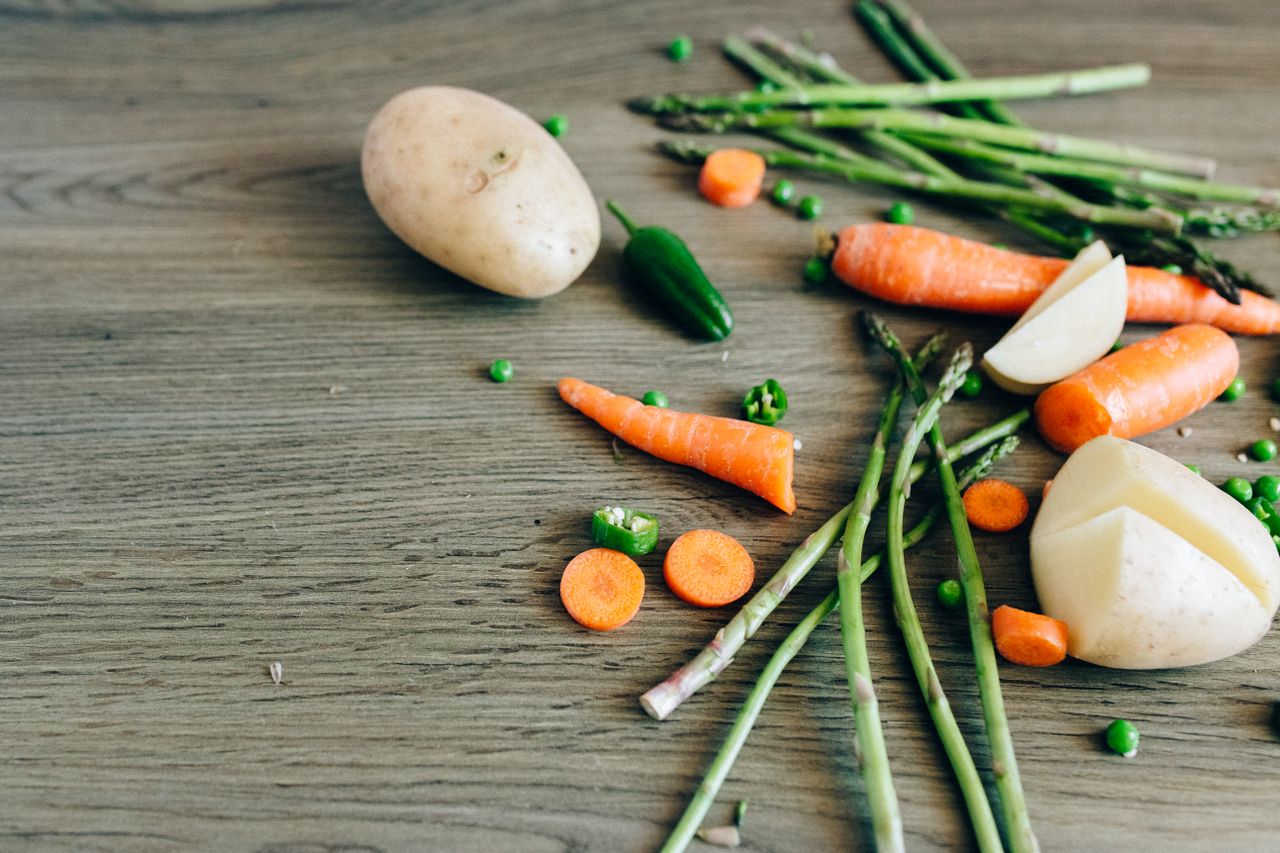
Most households know that throwing food scraps into the garbage isn't ideal. Between growing awareness of food waste, expanding organics programs, and the rise of new technologies, more people are looking for better ways to manage food waste at home.
The challenge isn't a lack of options. It's figuring out which approach – or combination of approaches - actually fits your lifestyle.
For years, the conversation around food waste has largely focused on two choices: throw it away or compost it. But today's households have more ways than ever to manage food scraps, whether they live in a suburban home, a downtown apartment, or somewhere in between.
The best solution isn't necessarily the one that's most sustainable on paper. It's often the one you'll use consistently.
If you're wondering what's the best way to get rid of food waste, here's a practical look at the most common options available today.

The best way to get rid of food waste depends on your living situation, available space, and lifestyle. Common options include garbage disposal, green bins, backyard composting, community composting, and food recycling appliances. Many households use a combination of solutions, and the best approach is often the one you'll use consistently.
Comparing Common Food Waste Solutions

1. Garbage Disposal

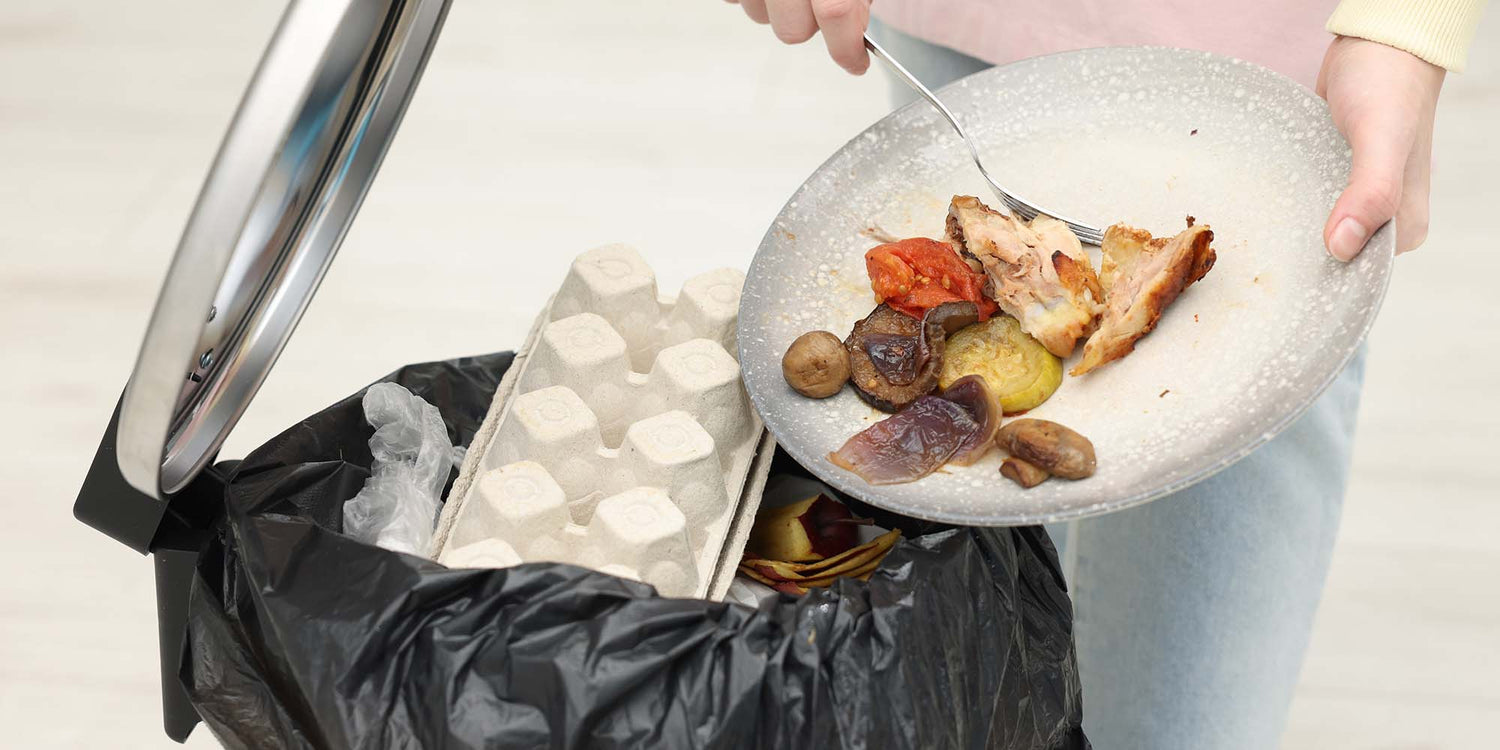
For many households, the garbage remains the default option for food scraps.
It's simple, requires no special equipment, and doesn't involve changing existing habits. However, food waste sent to landfill can contribute to environmental challenges and often creates unpleasant odors in household garbage bins.
Best for: Households looking for the simplest solution with minimal effort.
Things to consider: Odors, attracts pests, storage till disposal, and the fact that food scraps ultimately end up in landfill.
2. Green Bin or Organics Collection Programs

Many municipalities now offer curbside organics collection programs that allow residents to separate food scraps from regular garbage.
Green bin programs can be a convenient way to divert food waste from landfill without maintaining a compost pile at home. For households with reliable collection services, they can be an effective and relatively low-effort option.
However, food scraps still need to be collected, stored, and transported to the curb according to collection schedules.
Best for: Households with access to municipal organics programs.
Things to consider: Collection schedules, indoor storage, odors during warmer months, and availability in your area.
3. Backyard Composting

Backyard composting has long been one of the most popular ways to manage food waste at home.
When maintained properly, compost piles can transform food scraps and yard waste into nutrient-rich compost that can be used in gardens and landscaping. Many gardeners enjoy the process and appreciate the ability to create a useful end-product.
That said, composting requires space, ongoing maintenance, and some patience. Depending on climate and conditions, it can take months for materials to fully break down.
Best for: Gardeners and homeowners with outdoor space.
Things to consider: Maintenance, weather, wildlife, pests, and the learning curve involved in maintaining a healthy compost pile.
4. Community Composting

For people who want to compost but don't have the space or desire to maintain a pile at home, community composting programs can offer an alternative.
These initiatives vary by location but typically involve dropping food scraps at a shared collection site or participating in a local composting network.
Community composting helps divert food waste while creating a sense of shared environmental responsibility. The trade-off is that it requires transporting food scraps to another location on a regular basis.
Best for: Environmentally conscious households with access to local programs.
Things to consider: Program availability, transportation requirements, and participation commitments.
5. Food Recycling Appliances

In recent years, food recycling appliances have emerged as another option for managing food waste at home.
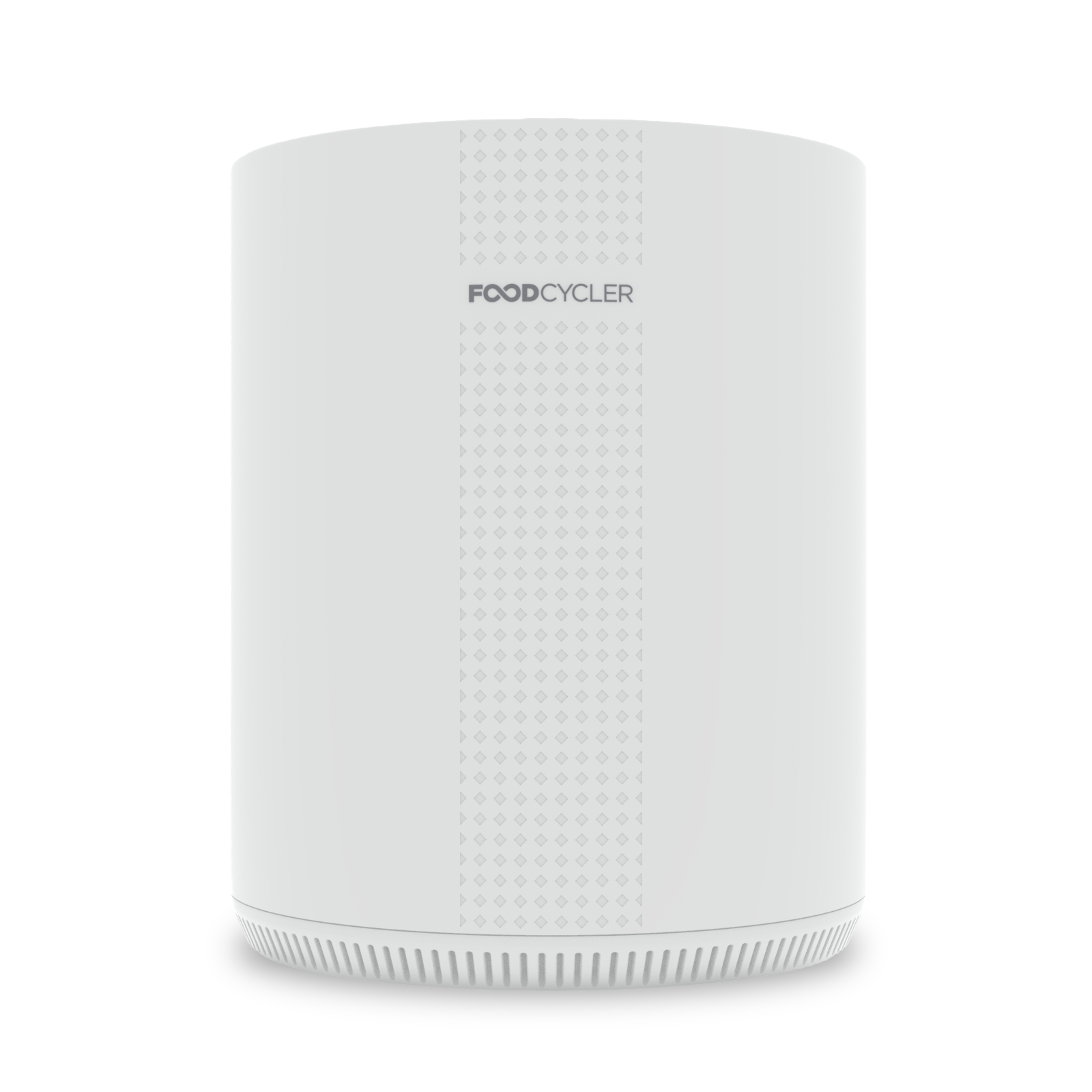
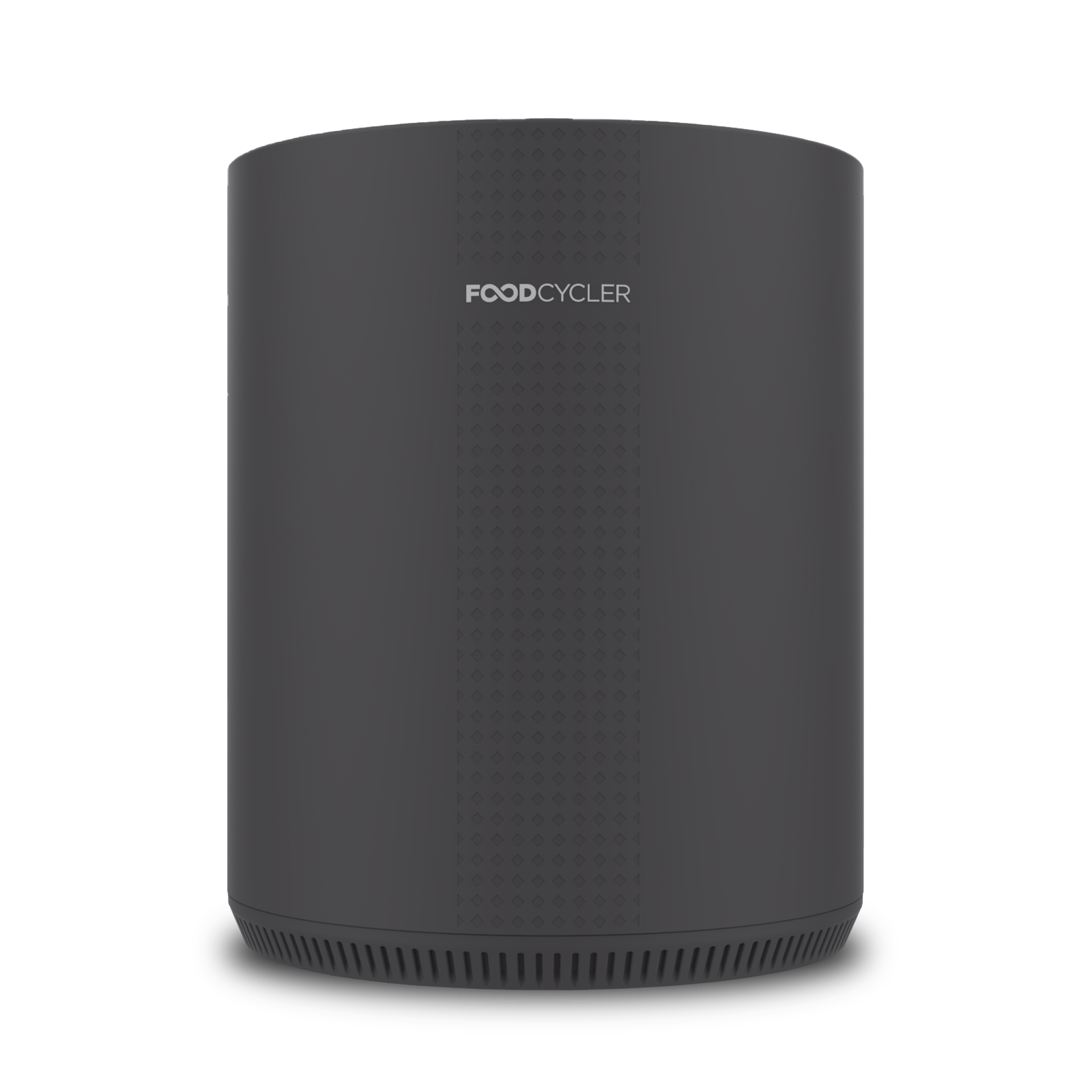
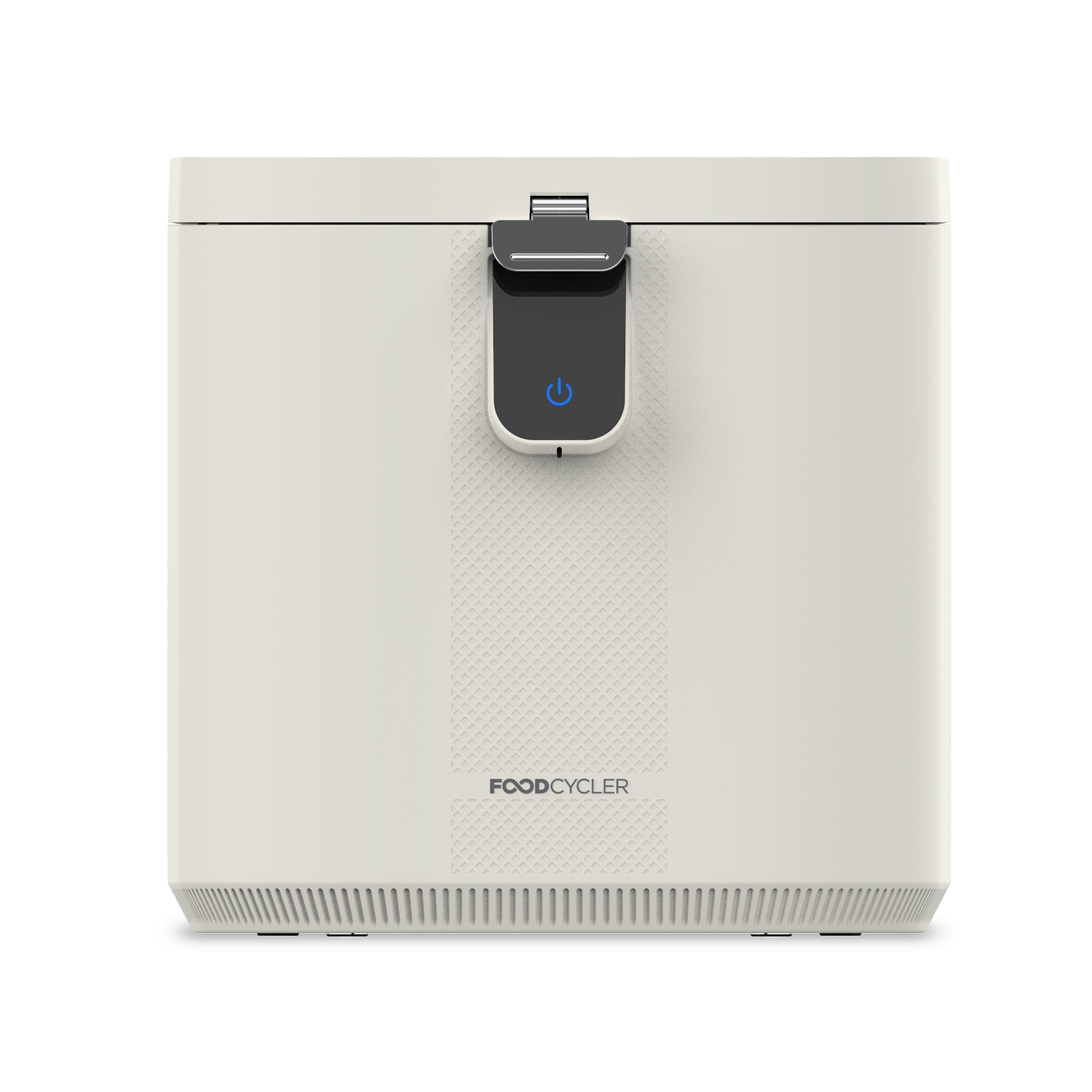
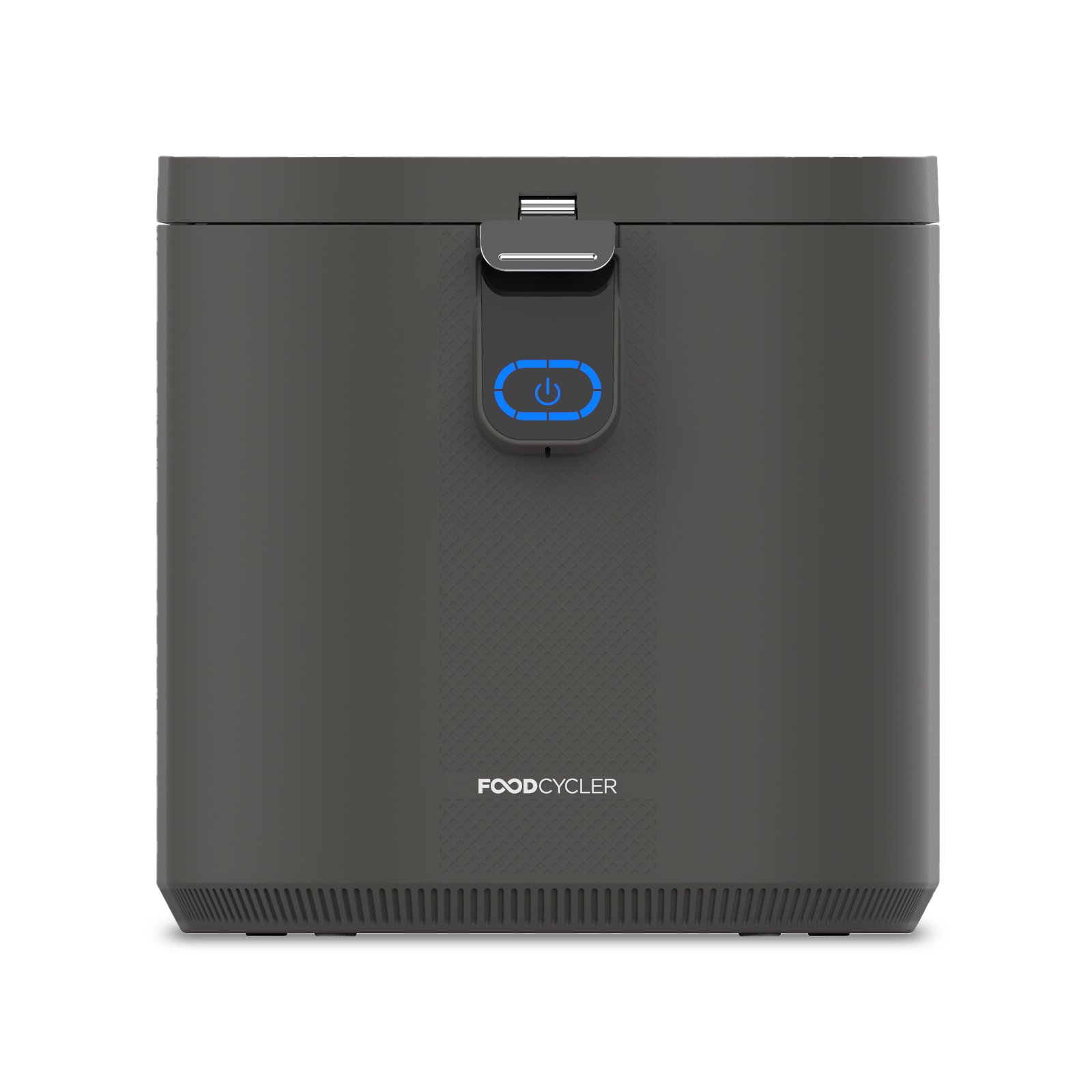
Sometimes referred to as "indoor composters," food recycling appliances are a new category of kitchen appliance designed to process food scraps indoors. Unlike compost bins or food scrap caddies, they significantly reduce food waste volume through grinding and dehydration, while helping manage odors, mess, and storage concerns in the kitchen.
Food recycling appliances are designed to work indoors, making them ideal for apartments, condos, smaller homes, or households that want a year-round solution without managing a compost pile.
Because the process takes place inside the appliance, users can often avoid many of the common challenges associated with food waste storage, such as odors, pests, and outdoor maintenance.
Best for: Households looking for a convenient, indoor, low-maintenance solution.
Things to consider: Upfront investment, electricity usage, and understanding the difference between food recycling and traditional composting.
So, What's the Best Way to Get Rid of Food Waste?

The honest answer is that there isn't a single best solution for everyone.
In many cases, the best approach isn't choosing one solution over another - it's combining methods that work best for you and your household. For example, some households use a green bin for regular collection while composting garden waste, while others pair a food recycling appliance with a municipal organics program to reduce odors, storage, and trips to the curb.
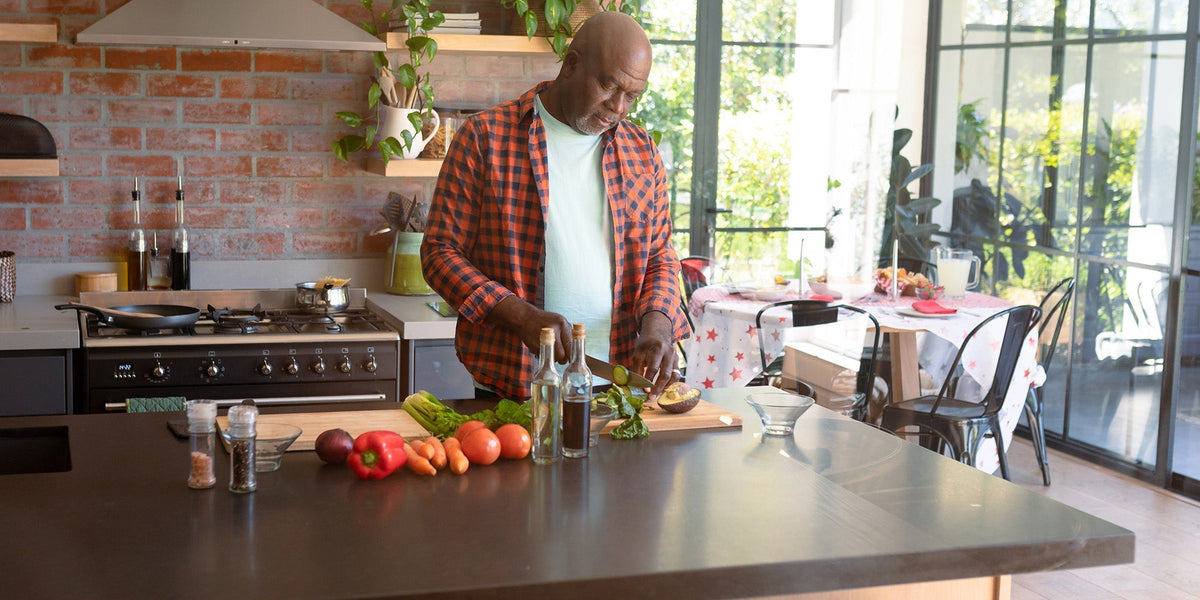
A homeowner with a large backyard and an active garden may love composting, while someone living in a city with a strong organics program may find a green bin works perfectly. An apartment resident with limited storage space may prefer an indoor food recycling appliance.
The right choice depends on your lifestyle, available space, local services, and how much time you're willing to dedicate to managing food scraps.
One factor that's often overlooked is convenience.
Many people start with the best intentions when it comes to food waste diversion, but habits are difficult to maintain if a solution feels like another household chore. The easier a system is to incorporate into daily life, the more likely it is to become a lasting habit.
That's why it's worth considering not only how a solution works, but also what it's like to live with day after day.
Choosing the Right Food Waste Solution for Your Lifestyle
When evaluating your options, consider a few simple questions:
- Do you have access to a municipal green bin program?
- Do you have outdoor space for composting?
- Do you enjoy gardening and maintaining a compost pile?
- Do you live in an apartment or condo?
- How important is convenience in your daily routine?
- Are odors, pests, or storage concerns a challenge in your home?
Answering these questions can help narrow down the solutions that make the most sense for your household.
Final Thoughts
Food waste management has evolved significantly over the past decade. Today, households have more choices than ever before, from traditional composting and green bins to community programs and food recycling technology.
Rather than searching for a perfect solution, focus on finding a solution – or a combination of solutions - that fits your lifestyle, budget and convenience.
Because when it comes to reducing food waste, consistency matters more than perfection.
The best food waste solution is often the one you'll actually use.
Curious About Food Recycling?
Food recycling appliances offer a modern approach to managing food scraps at home by reducing food waste volume and helping households keep organic waste out of landfill.
Learn how FoodCycler works and discover whether food recycling could be the right fit for your home.
FAQ
- Is composting the best way to get rid of food waste?
Composting can be an excellent option for households with outdoor space and a willingness to maintain a compost pile. However, it isn't the only solution. Green bins, community composting programs, and food recycling appliances can all help divert food waste from landfill depending on your lifestyle and living situation.
-
What can I do with food scraps besides composting?
Alternatives to composting include municipal green bin programs, community composting initiatives, and food recycling appliances. Many households use a combination of these solutions to manage food waste more conveniently.
-
Are food recycling appliances the same as indoor composters?
Food recycling appliances are often referred to as "indoor composters," but they work differently from traditional compost bins. Rather than relying on natural decomposition, they process food scraps indoors and reduce their volume, creating a dry by-product that can be reused in soil applications or disposed of responsibly.
-
Can I use more than one food waste solution?
Absolutely. Many households combine solutions based on their needs. For example, some people use a green bin for regular collection while composting garden waste, while others pair a food recycling appliance with a municipal organics program.
-
What's the easiest way to manage food waste in an apartment?
The best solution depends on your building, available space, and lifestyle. Green bins, community composting programs, and food recycling appliances are all popular options for apartment dwellers because they require little or no outdoor space.
-
What is a food recycler?
A food recycler is a kitchen appliance designed to process food scraps indoors by reducing their volume and creating a dry, odor-controlled by-product. Food recyclers offer an alternative to traditional composting and can help households manage food waste year-round.