


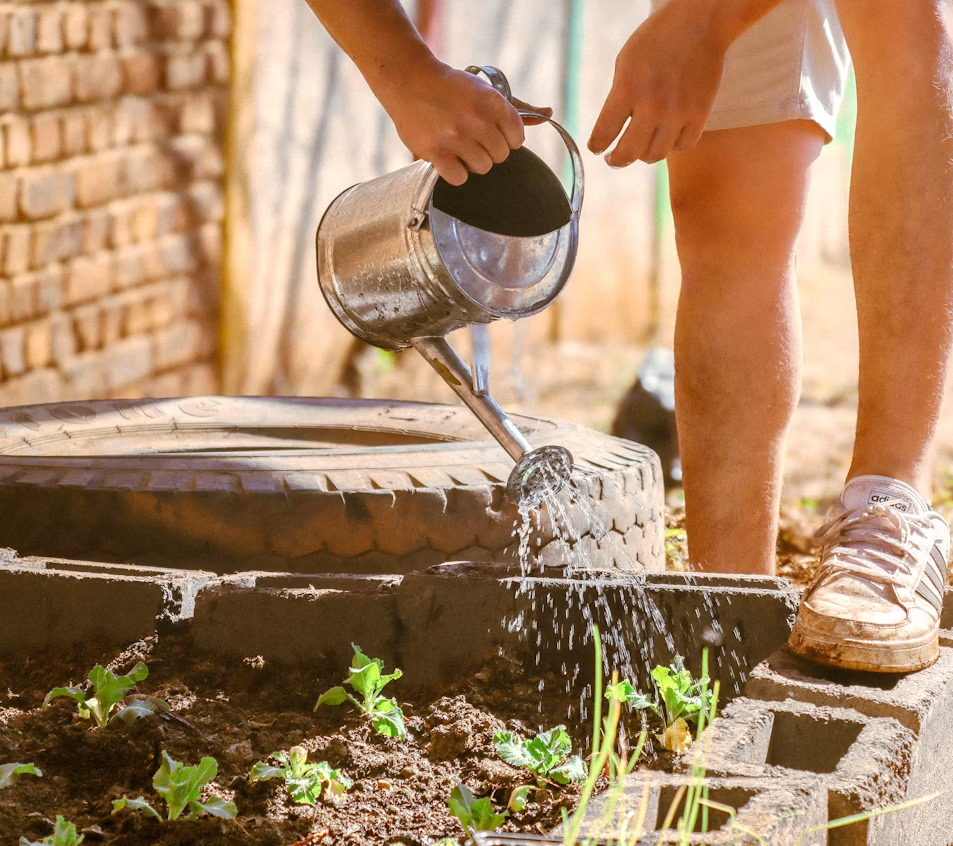
Save vs. Spend: Low-Cost Gardening Ideas and Innovative Garden Tools
Key Takeaways Low-cost gardening works best when you reuse materials, choose dependable basics, and spend only on tools that solve recurring problems. Start with low-cost gardening ideas such as s...

How to Plant a Personal Victory Garden: Inexpensive Gardening Ideas for Today’s Challenges
Key Takeaways Learning how to plant a victory garden begins with choosing a sunny space and a short list of foods your household already enjoys. Some of the best inexpensive gardening ideas use se...
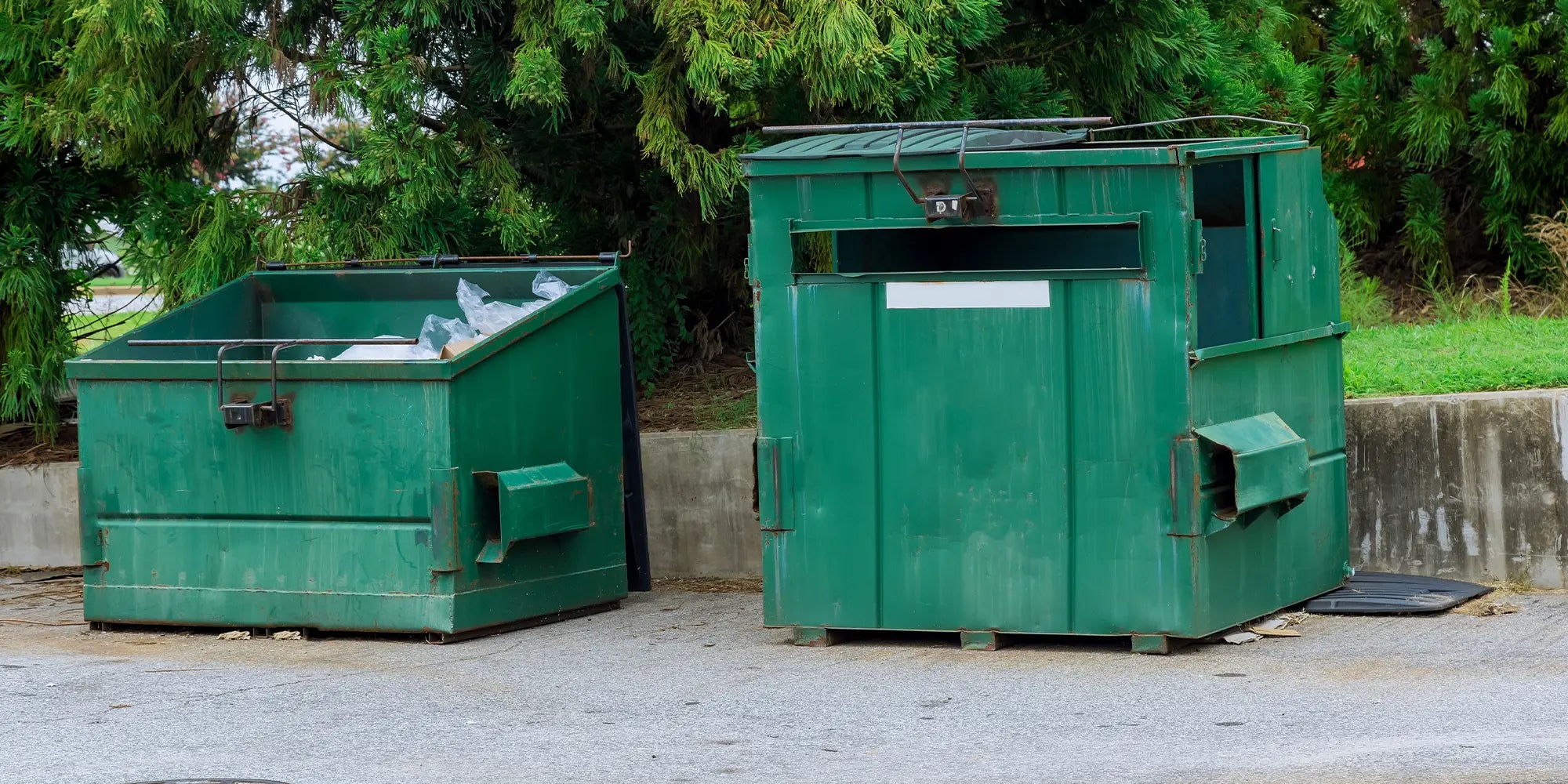
What Tools Can Municipalities Use to Improve Waste Diversion?
Key Takeaways Waste diversion works best when communities use several complementary tools. Audits, LCAs, GHG calculators, ROI tools, and feasibility studies support evidence-based decisions. Polic...
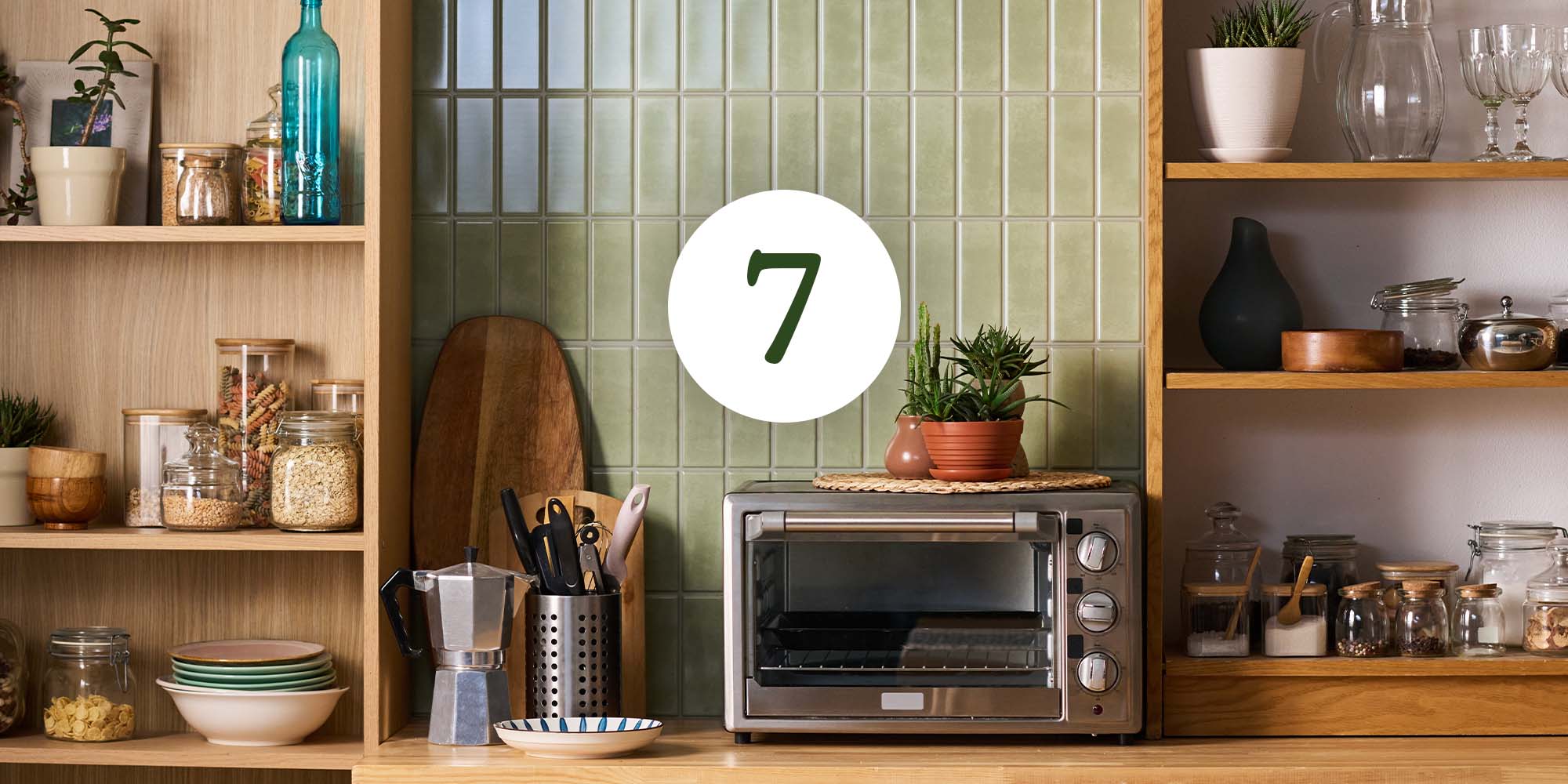
7 Smart Hacks for Small Kitchens: Space-Saving Ideas for Apartments and Condos
Small kitchens can be charming, efficient, and surprisingly functional, but only if every inch earns its place. When counter space is limited, cupboards are full, and there is no pantry in sight, ...

The Kitchen Is Evolving: Why Food Waste Needs a Modern Solution
Key Takeaways Food waste is a household chore and like any chore, it deserves an appliance designed to handle it. Food recyclers are that appliance. Traditional approaches - composting and green...
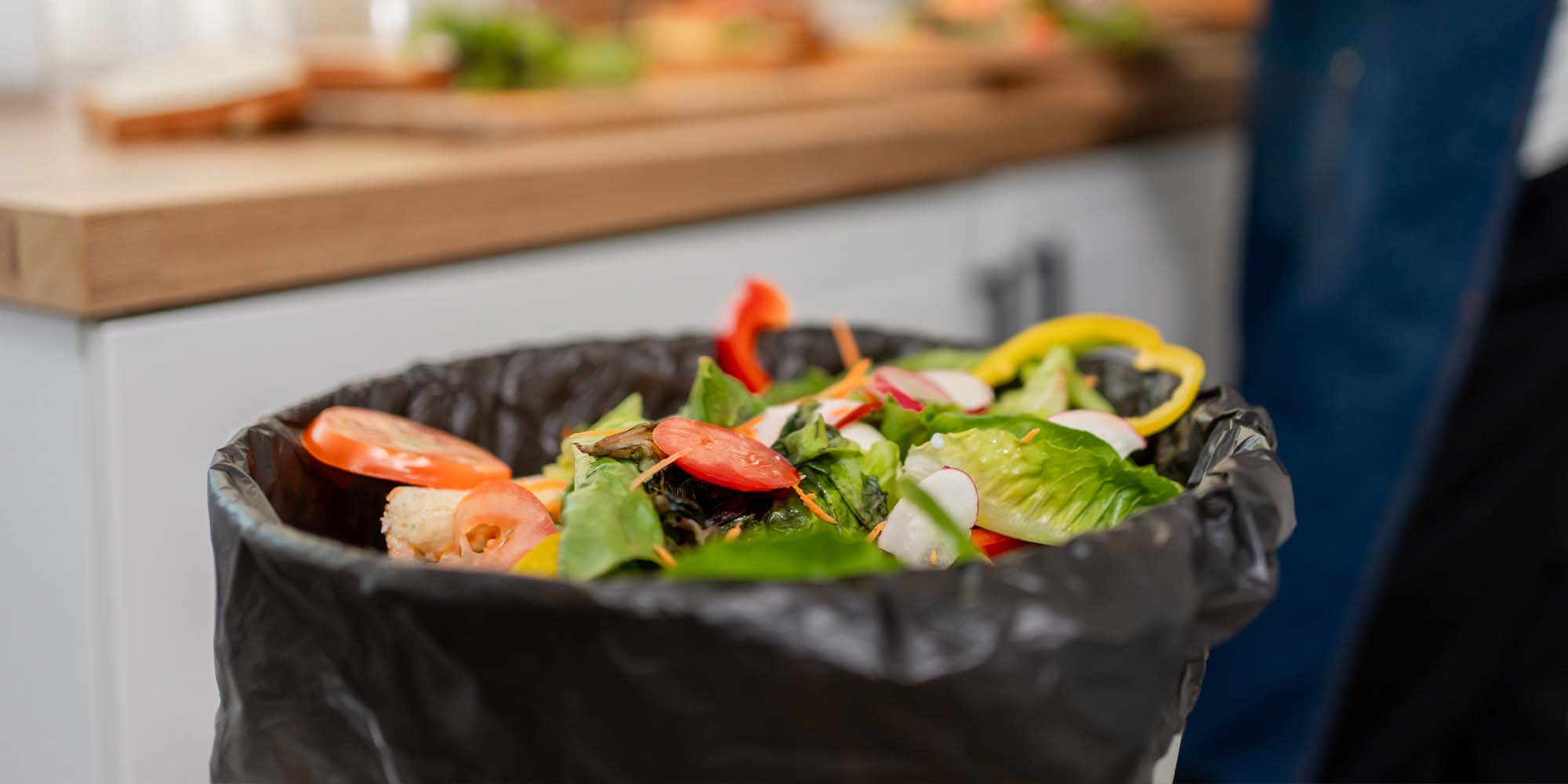
Why Kitchen Garbage Smells Worse in Summer (And How to Keep Your Kitchen Fresh)
Have you noticed it? You walk into the kitchen on a hot summer afternoon and something smells... off. You wipe the counters. Empty the dishwasher. Take out the trash. Maybe you even light a candl...