Have you noticed it?
You walk into the kitchen on a hot summer afternoon and something smells... off.
You wipe the counters. Empty the dishwasher. Take out the trash. Maybe you even light a candle. Yet somehow, the smell keeps coming back.
If this sounds familiar, you're not alone.
Summer creates the perfect conditions for food waste odors to thrive. Higher temperatures, increased humidity, and food scraps sitting even a little too long can quickly turn a fresh kitchen into a source of frustration.
The good news? Summer kitchen odor isn't usually a cleaning problem.
More often, it's a food waste management problem.
In this article, we'll explain why kitchen garbage smells worse in summer, share practical ways to reduce kitchen odor, and explore a modern solution that helps address the root cause.
Key Takeaways
- Summer heat accelerates food waste decomposition, leading to stronger kitchen odors.
- Garbage smells are often caused by food scraps breaking down faster in warm weather.
- Moisture, heat, and organic waste create the perfect environment for odor-causing bacteria.
- Simple habits can help reduce food waste smell and keep your kitchen fresher.
- Managing food waste before it begins decomposing is the most effective long-term solution.
Why Kitchen Garbage Smells Worse in Summer
There is a simple reason your kitchen garbage smells worse during hot weather: heat speeds up decomposition.
Food scraps naturally contain moisture and organic material. When they sit in a garbage can, bacteria begin breaking them down. During cooler months, this process happens more slowly. During summer, it accelerates.
That means:
- Food waste decomposes faster
- Odor-causing bacteria multiply more quickly
- Moisture builds up inside garbage bins
- Fruit flies and pests become more active
- Garbage smells become stronger and harder to ignore
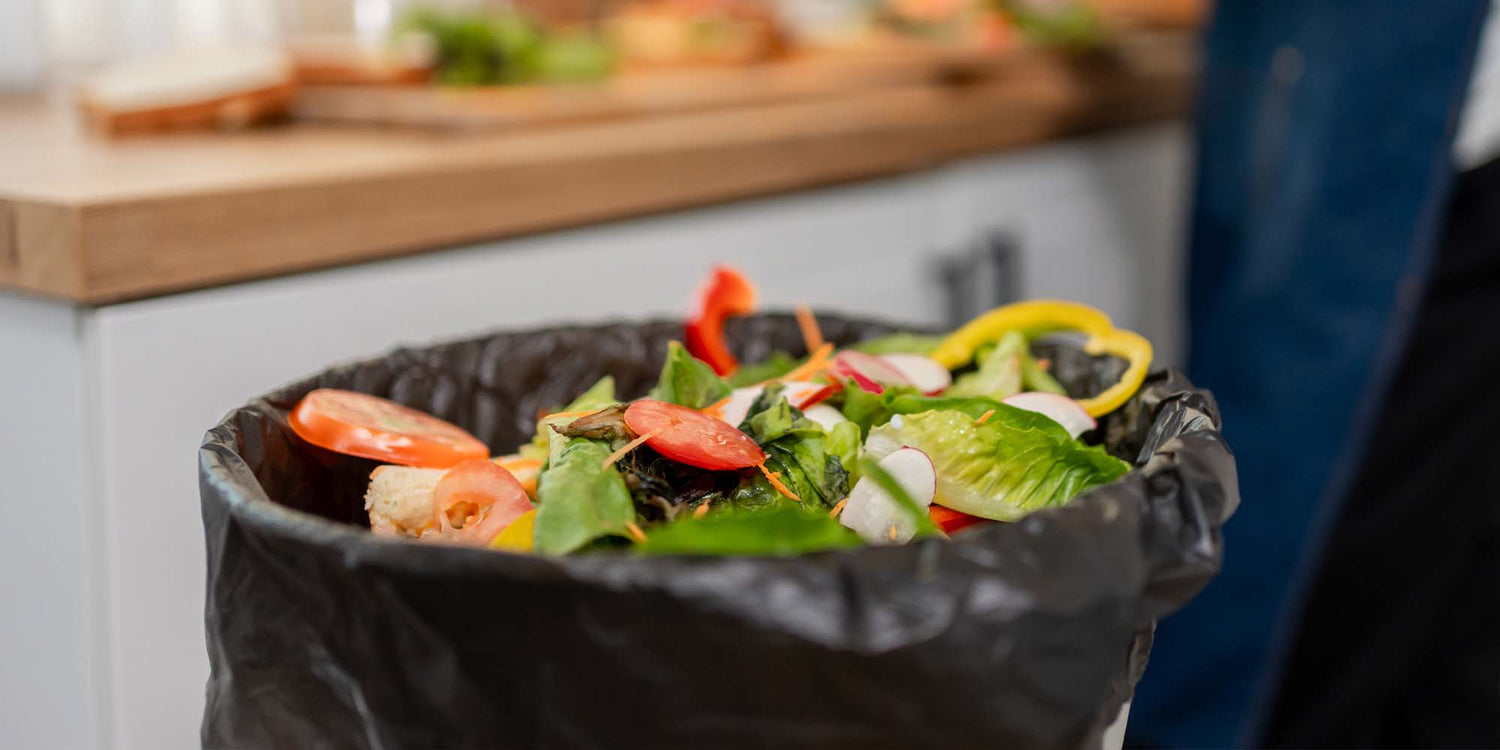
That banana peel, coffee ground, leftover salad, or forgotten strawberry that seemed harmless yesterday can quickly become the source of a lingering food waste smell.
What Summer Heat Means for Your Kitchen
Many households assume the smell is coming from the garbage can itself.
In reality, the garbage can is often just the container.
The real source is the food waste sitting inside.
This creates a frustrating cycle:
Food scraps accumulate → decomposition begins → odors develop → garbage fills faster → kitchen smells worsen.
The warmer the weather, the faster this cycle happens.
That's why so many people notice kitchen odor issues during the summer months, even when they are cleaning regularly.
6 Quick Ways to Reduce Kitchen Odor

If you're looking for quick ways to keep kitchen garbage fresh, these tips can help reduce odors in the short term.
Quick Fixes for Summer Kitchen Odors

While these strategies can help, they all have one thing in common: they're designed to manage the smell after food waste has already started accumulating.
The Real Problem: Storing Food Waste
The challenge isn't necessarily the garbage.
The challenge is storing food waste for days while waiting for collection, compost pickup, or disposal.
During summer, those extra days matter.
Food scraps continue breaking down while sitting under the sink, in a garbage can, or in a compost pail. The longer they remain in your kitchen, the more opportunity there is for odors, moisture, pests, and mess.
Many households spend time managing the symptoms of food waste rather than addressing the source itself.
That's why kitchen odors tend to become a recurring issue throughout the warmer months.
A Better Way to Manage Food Waste

What if food scraps never had the chance to become a smelly problem?
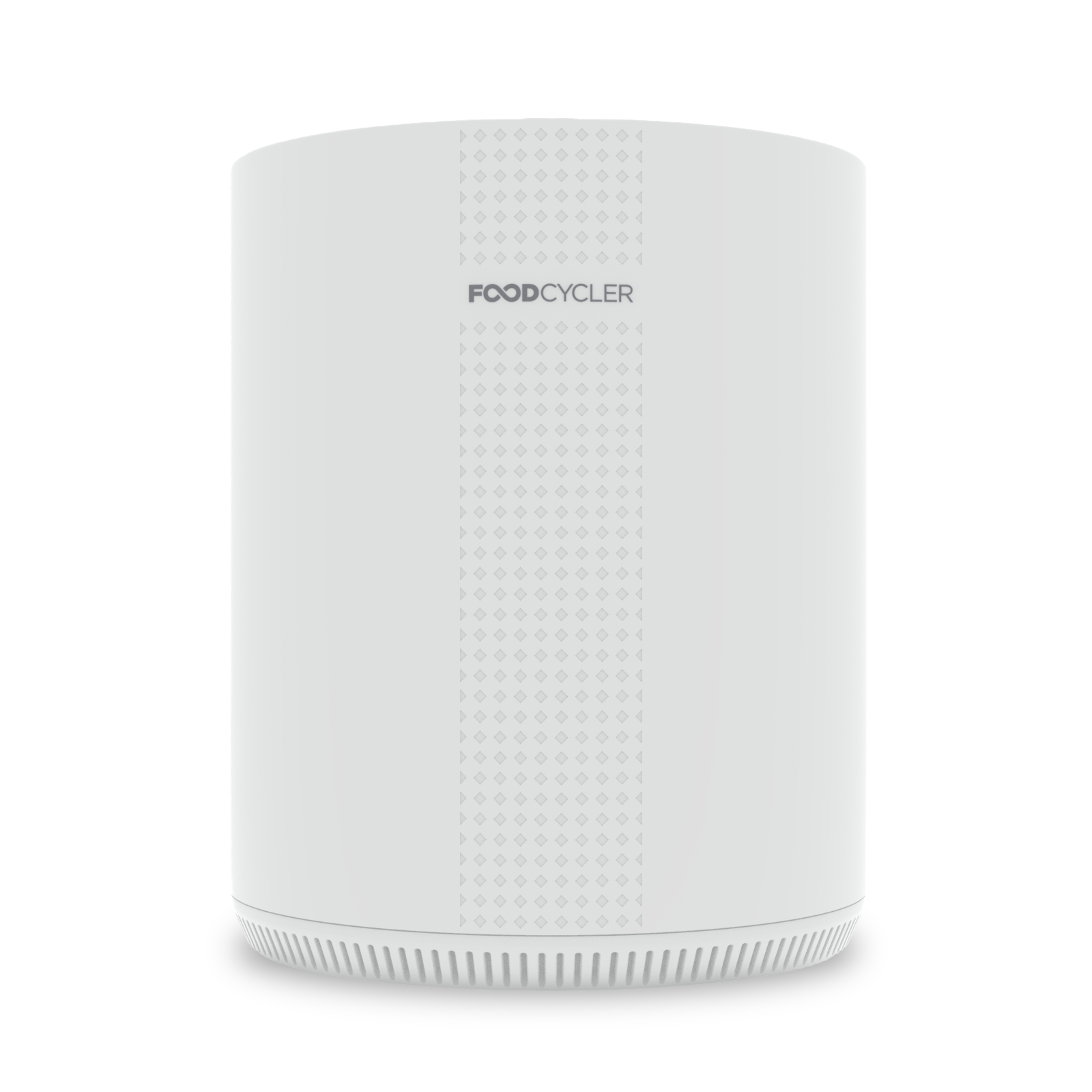
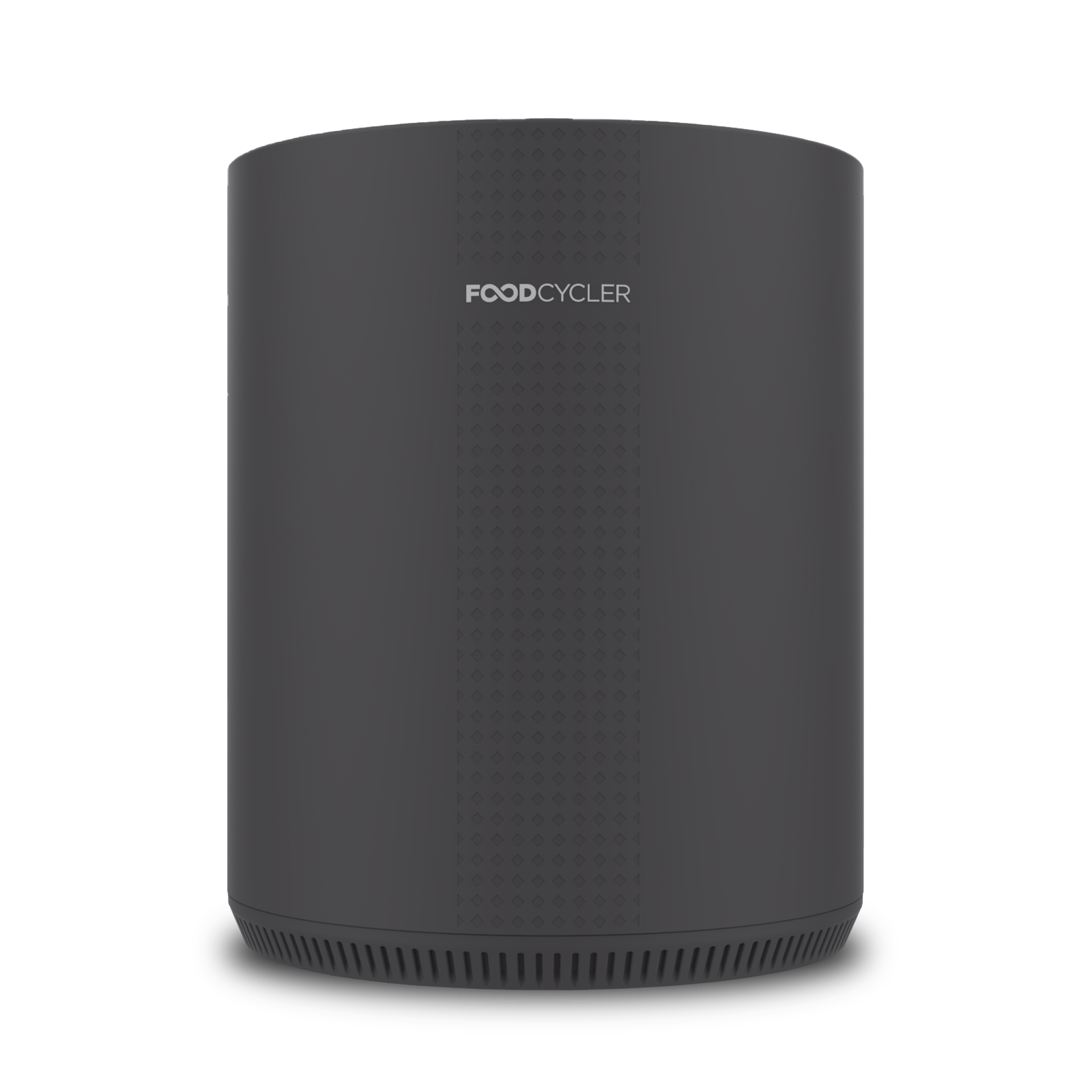
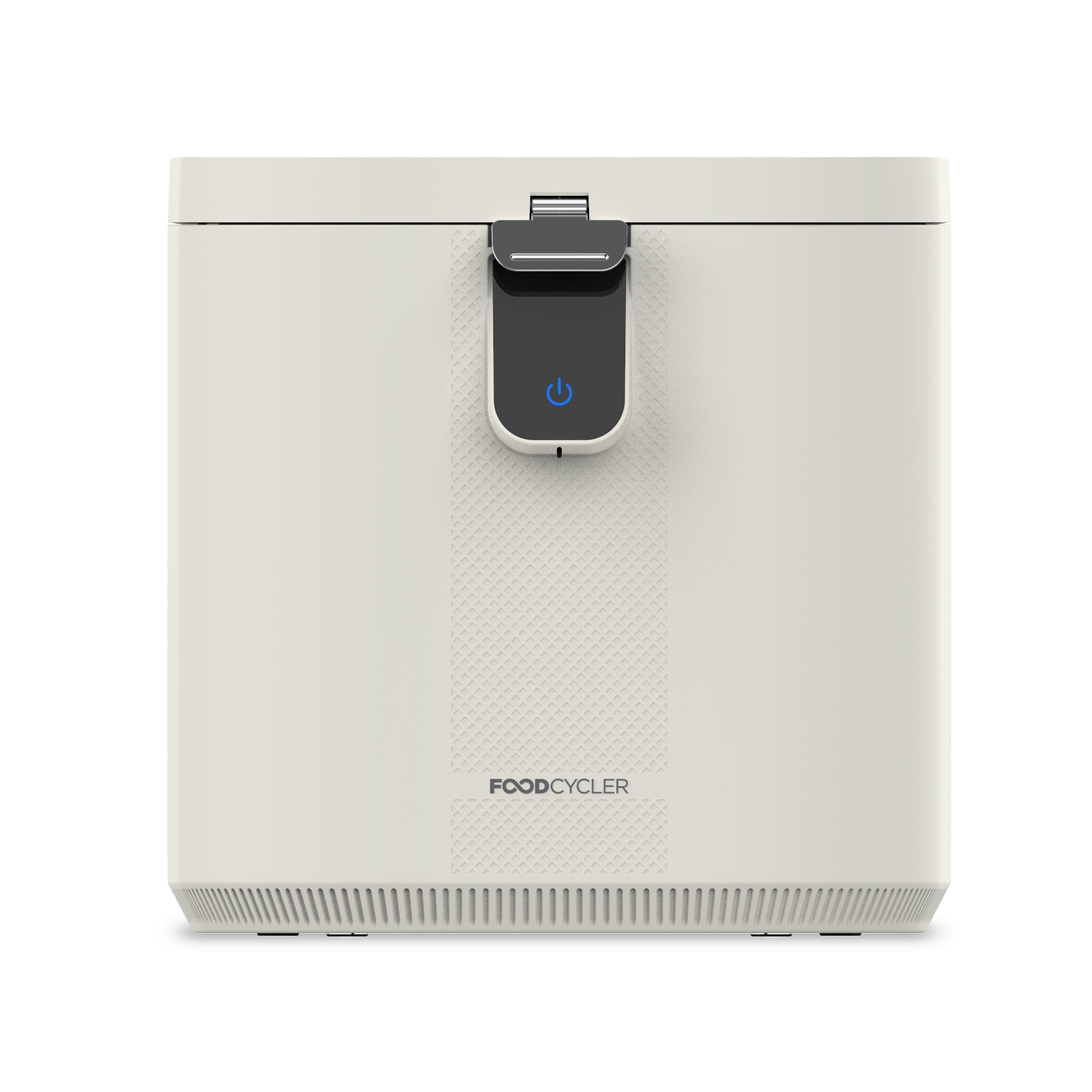
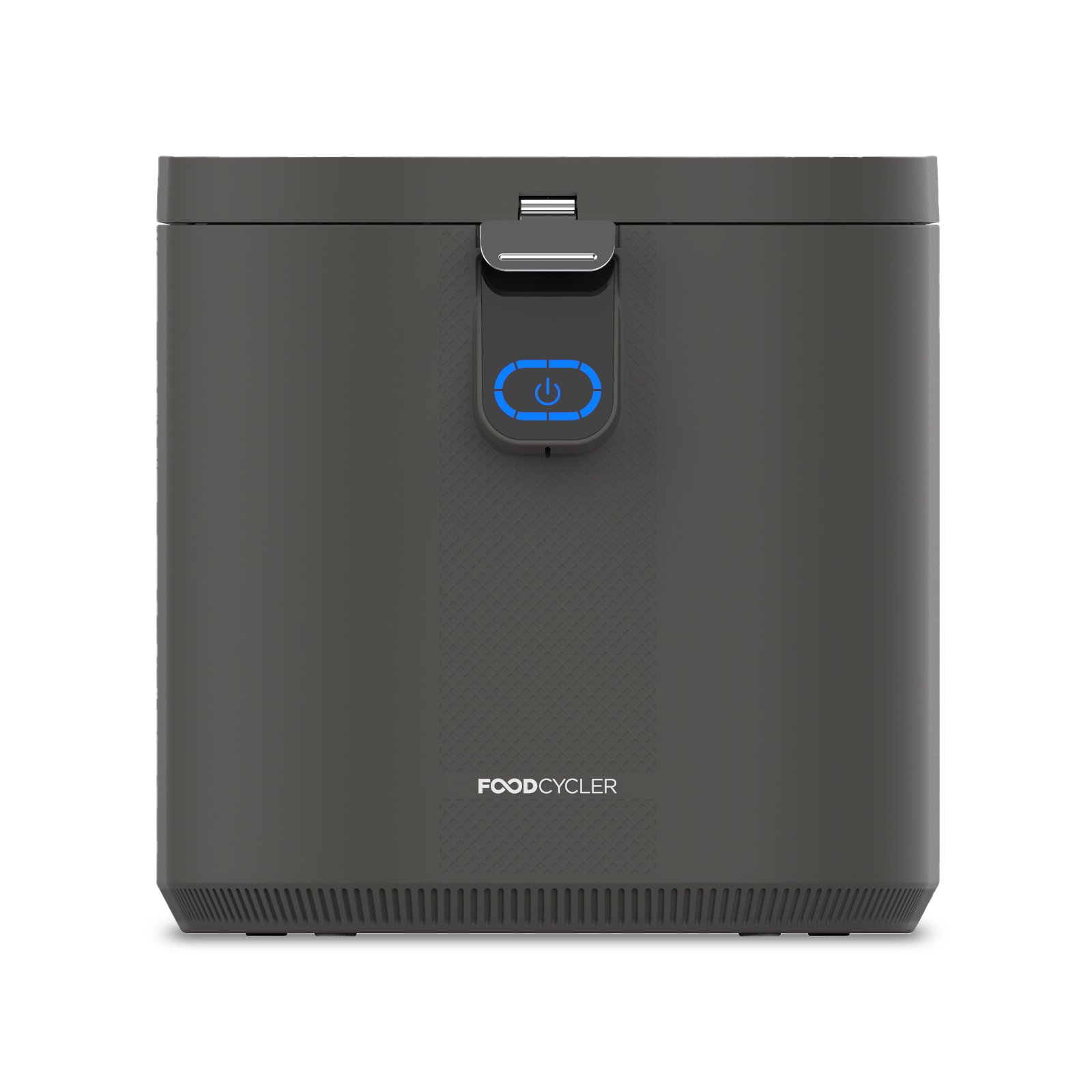
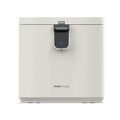
FoodCycler offers a different approach to food waste management.
Instead of storing food waste for days, FoodCycler processes food scraps directly in your home using a combination of heat, airflow, and grinding technology.
In just a few hours, food waste is transformed into a dry, shelf-stable by-product that can be mixed into soil, added to compost, or stored until needed.
FoodCycler helps households process many common food scraps, including:
- Fruit and vegetable scraps
- Coffee grounds
- Eggshells
- Bread and grains
- Leftovers
- Small bones and other accepted food waste
Rather than waiting for garbage day, food waste can be managed as it's created.
Common Summer Kitchen Problems and How FoodCycler Helps

For many households, the biggest benefit isn't simply reducing waste.
It's having a cleaner, fresher kitchen.
Less food waste sitting around means fewer odors, fewer pests, less mess, and a more streamlined kitchen routine.
Why More Households Are Looking Beyond Traditional Garbage Disposal

The way we manage food waste hasn't changed much in decades.
Most households still collect scraps in a garbage can, compost pail, or disposal system and wait for them to be removed.
But modern kitchens have evolved.
People expect appliances that save time, reduce mess, and make everyday tasks easier.
FoodCycler is part of that shift.
It's a modern kitchen appliance designed specifically to help households manage food waste more efficiently, while reducing many of the frustrations associated with traditional disposal methods.
Keep Your Kitchen Fresh All Summer Long
If you've been wondering why your kitchen garbage smells worse in summer, the answer is simple: food waste breaks down faster in warm temperatures, and its odor lingers in the air.
While cleaning routines and temporary fixes can help reduce odors, the most effective solution is addressing the source itself.
By reducing how long food waste sits in your kitchen, you can create a cleaner, fresher, and more enjoyable space all summer long.
Ready for a better way to handle food waste?
Discover how FoodCycler helps households reduce food waste volume by up to 90% while keeping kitchens cleaner and fresher year-round.