Key Takeaways
Don't have time to read the whole article? Here's what you need to know:
- Fruit flies thrive in warm temperatures and reproduce incredibly quickly.
- Fruit bowls are not always the problem — hidden food scraps, drains, garbage bins, and organic waste often attract them.
- DIY remedies like apple cider vinegar traps can help reduce fruit flies temporarily.
- Cleaning visible areas helps, but if food waste remains exposed, fruit flies often return.
- Long-term prevention is less about killing fruit flies and more about changing how food waste is managed.
How to Get Rid of Fruit Flies — And Keep Them from Coming Back
Every summer it happens.
You walk into the kitchen and suddenly notice tiny flies hovering around your fruit bowl, sink, or garbage bin.
At first there are only one or two. Then somehow there are twenty.
Fruit flies seem to appear overnight, and once they move in, getting rid of them can feel impossible.
The good news?
Fruit flies are usually predictable. And once you understand why they show up in the first place, stopping them becomes much easier.
Why Fruit Flies Love Summer

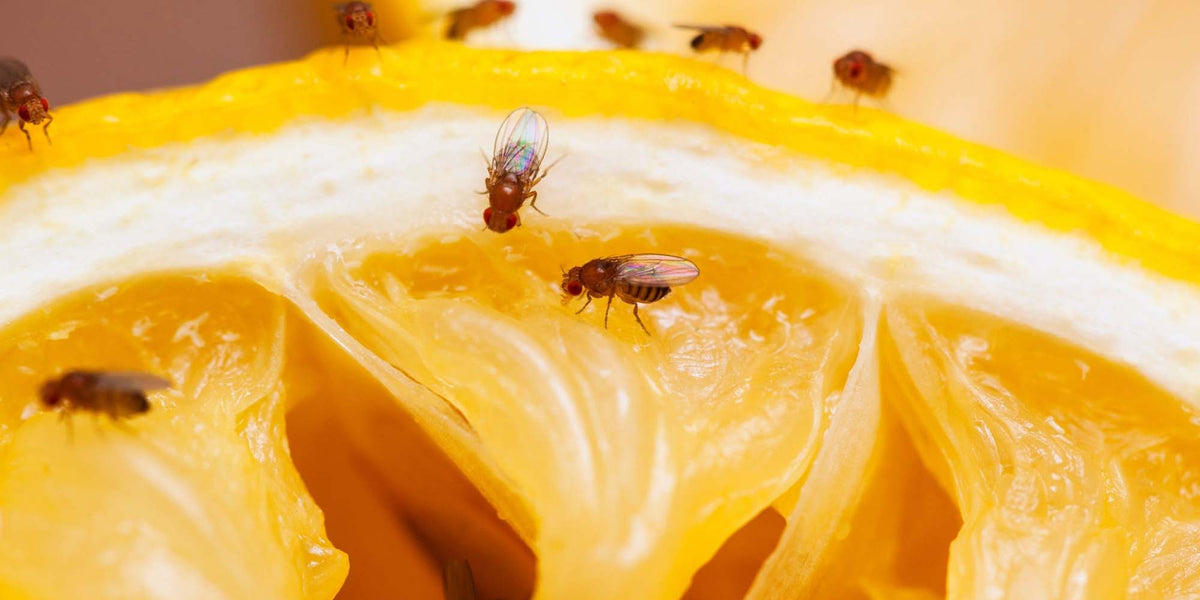
Fruit flies thrive in warm environments.
Summer temperatures speed up their lifecycle and create ideal conditions for reproduction.
And they don't need much.
A few fruit scraps. A sticky bottle.
Food residue in a drain. A compost pail.
Even small amounts of moisture and organic material can become attractive breeding areas.
Warm environments, food residue, and moisture create ideal conditions because fruit flies naturally seek out fermenting organic matter for feeding and egg laying.
The reason they seem to multiply so quickly is because they actually do.
A single female fruit fly can lay up to 500 eggs during her lifetime, and under warm conditions the entire fruit fly lifecycle — from egg to reproducing adult — can happen in as little as 7–10 days.
That means a few unnoticed scraps can quickly become a much bigger problem.
The Biggest Mistake People Make

Most people immediately blame fresh fruit.
Bananas become the enemy.
Strawberries get moved into the refrigerator.
Fruit bowls disappear from countertops.
Sometimes that helps.
But often, the real issue is somewhere else.
Fruit flies are usually attracted to:
- Kitchen garbage bins
- Compost containers
- Food scraps in sinks
- Produce ends and peels
- Sticky spills
- Recycling containers
- Food residue in drains
- Forgotten leftovers
The fruit itself is often not the main problem.
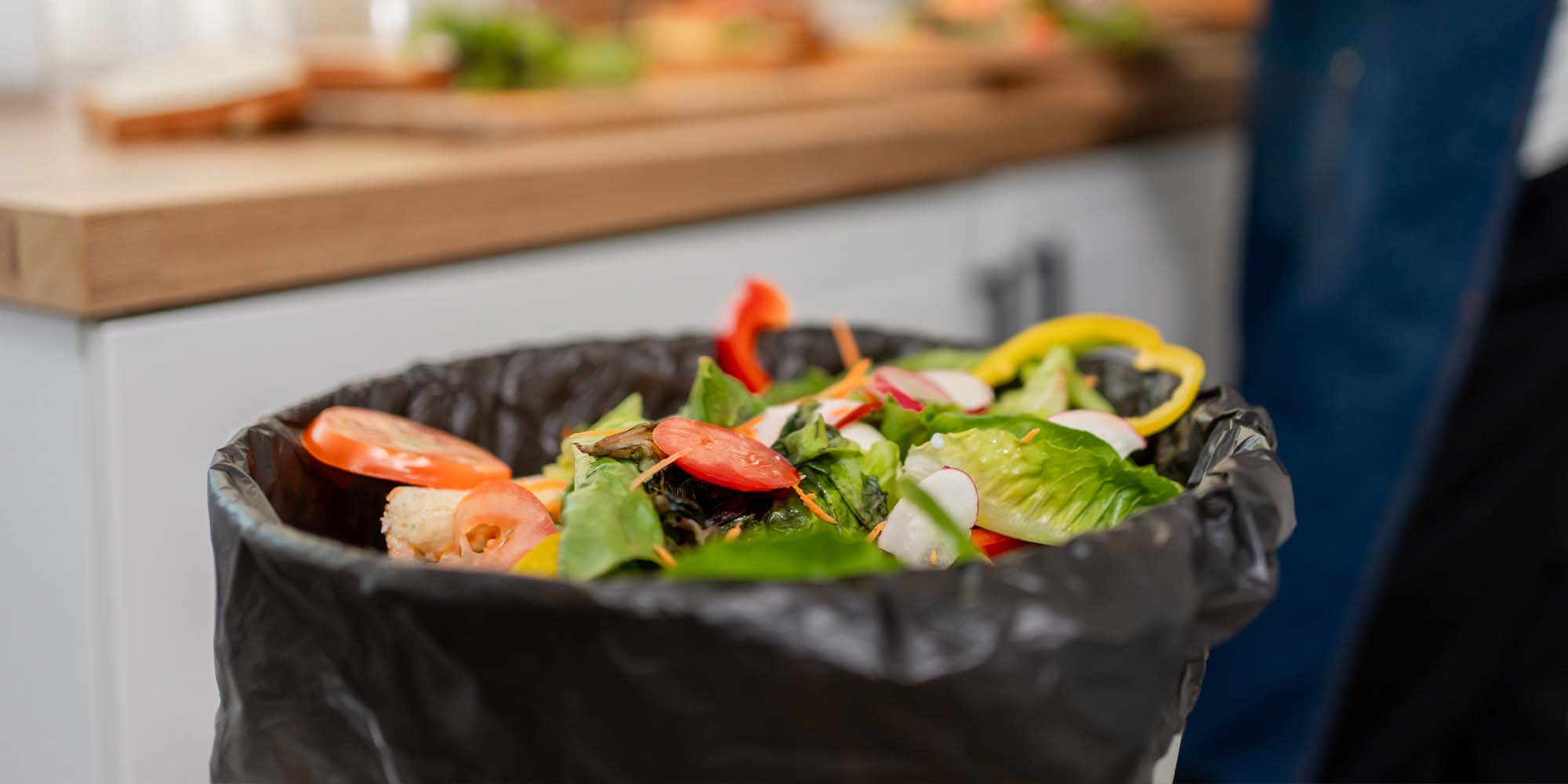
Exposed organic waste usually is.
Quick Fruit Fly Hacks That Can Help Right Away
If fruit flies have already moved in, there are a few quick fixes that may help reduce them.


Food residue inside sink drains can become an unnoticed food source.
Pour hot water into drains and scrub buildup where possible.

Very ripe fruit releases stronger odors and can attract fruit flies.
Refrigerating certain fruits may help during warmer months.

Even a small amount of food residue can become attractive in summer heat.

Counters are obvious.
But don't forget under appliances, around garbage bins, and near fruit bowls where sticky residue can collect.
Why Fruit Flies Keep Coming Back
This is where many people get frustrated.
The flies disappear.
Then three days later they're back.
That usually happens because the source wasn't fully removed.
Killing fruit flies is one thing.
Changing the environment that attracted them is another.
If food scraps continue sitting exposed in kitchen bins, compost containers, or garbage areas, new fruit flies often return.
The cycle simply repeats itself.
The Bigger Problem Isn't Fruit Flies

Fruit flies are usually just a symptom.
The bigger issue is often how food waste is being handled.
Traditional kitchen systems usually involve:
- Collecting scraps
- Storing scraps
- Waiting for pickup day
- Moving scraps outside
Meanwhile:
- Moisture builds
- Odors develop
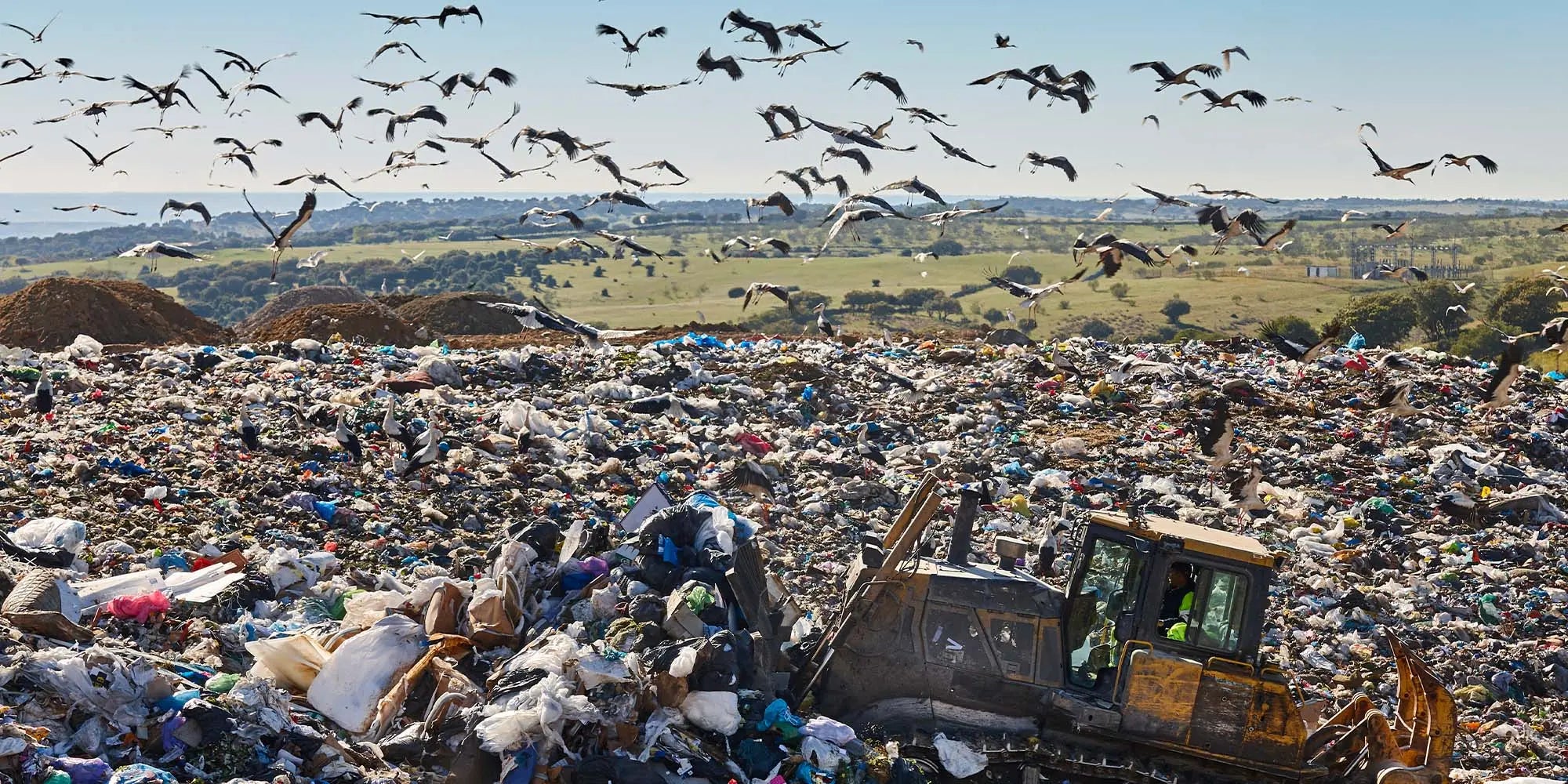
- Organic material sits exposed
In warmer months, that environment becomes ideal for pests.
Many homeowners are beginning to rethink food waste as part of their kitchen system instead of simply something to throw away later.
A Smarter Way to Manage Kitchen Scraps

If summer fruit flies seem like a recurring problem, temporary fixes may only go so far.
Managing food scraps at the source can help reduce many of the conditions fruit flies look for.
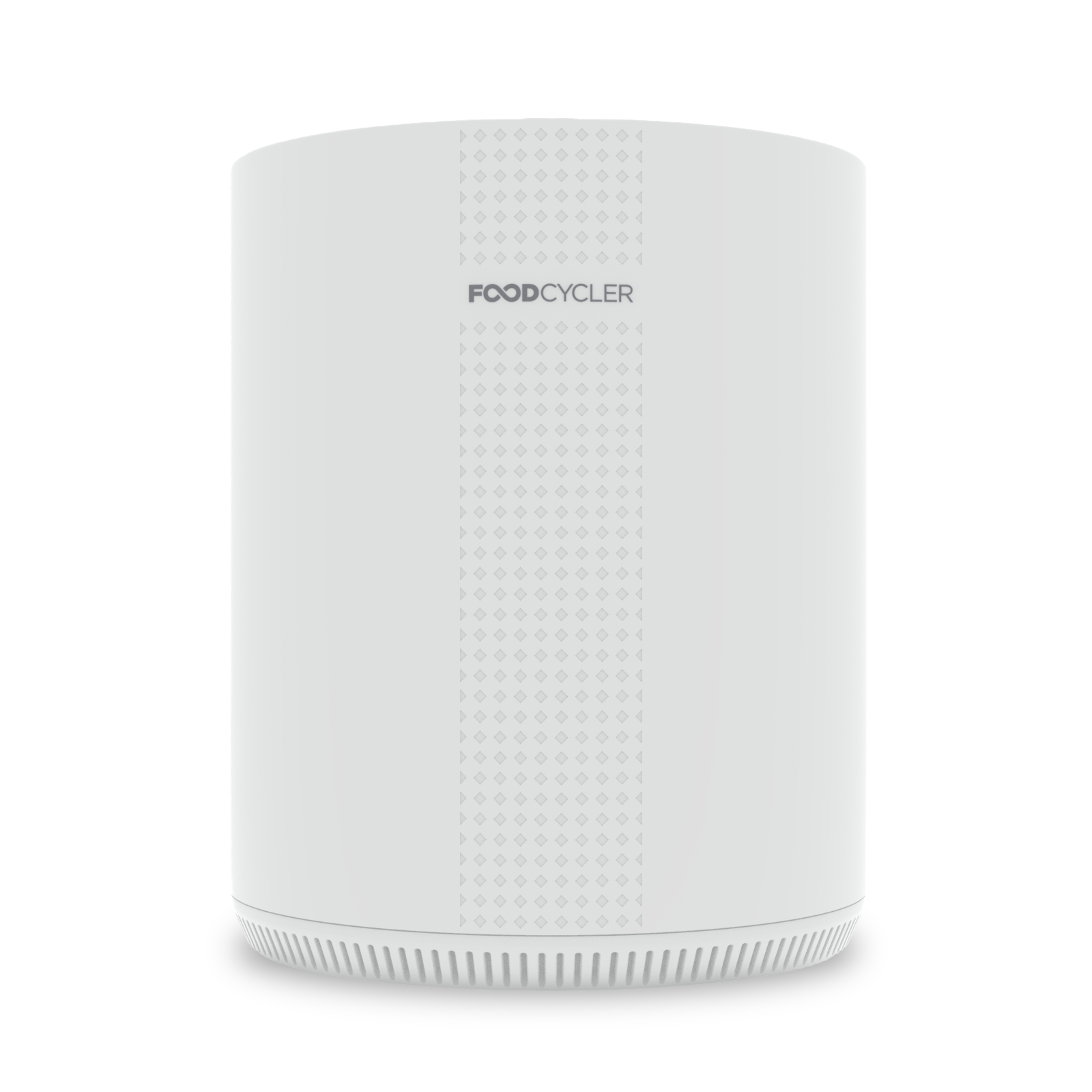
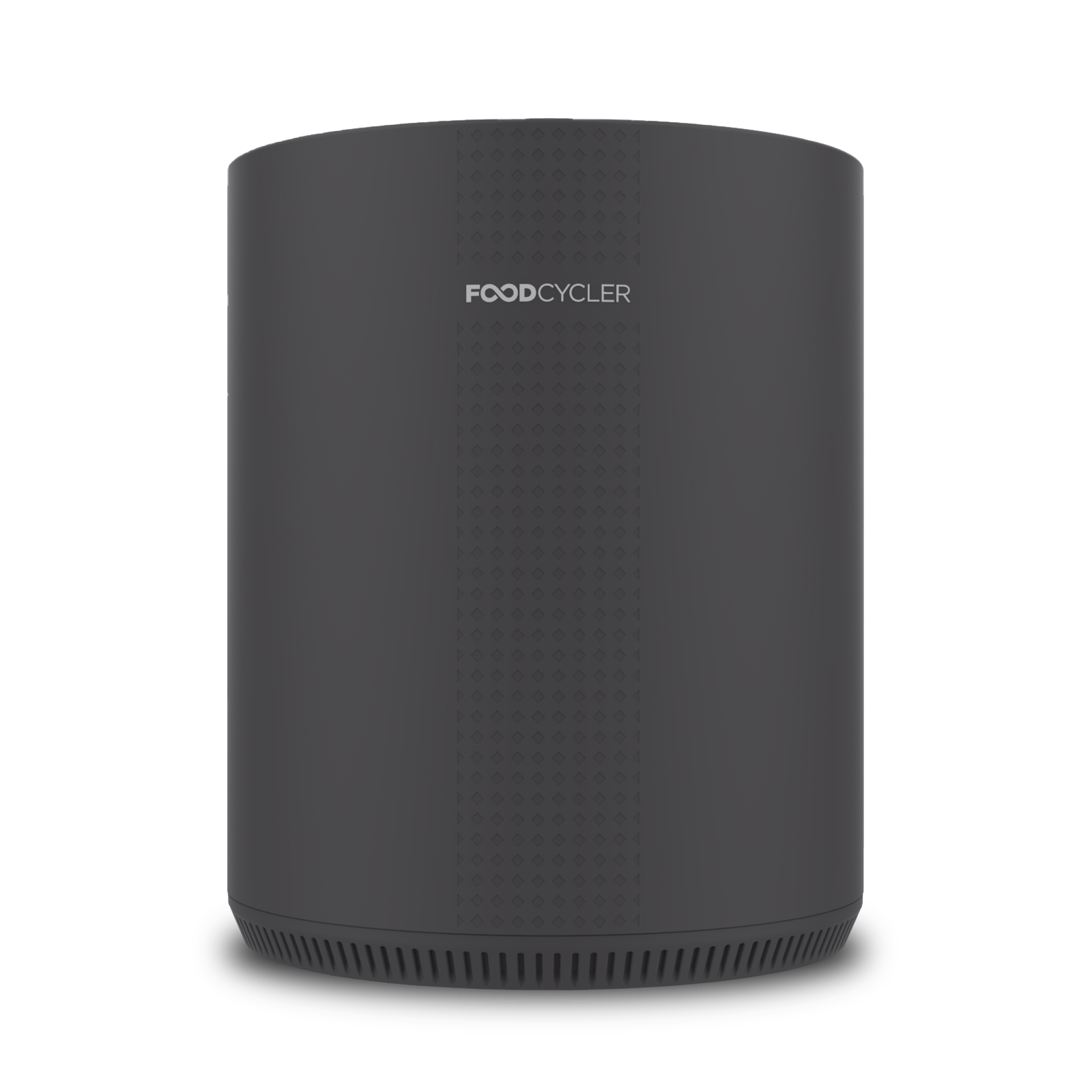
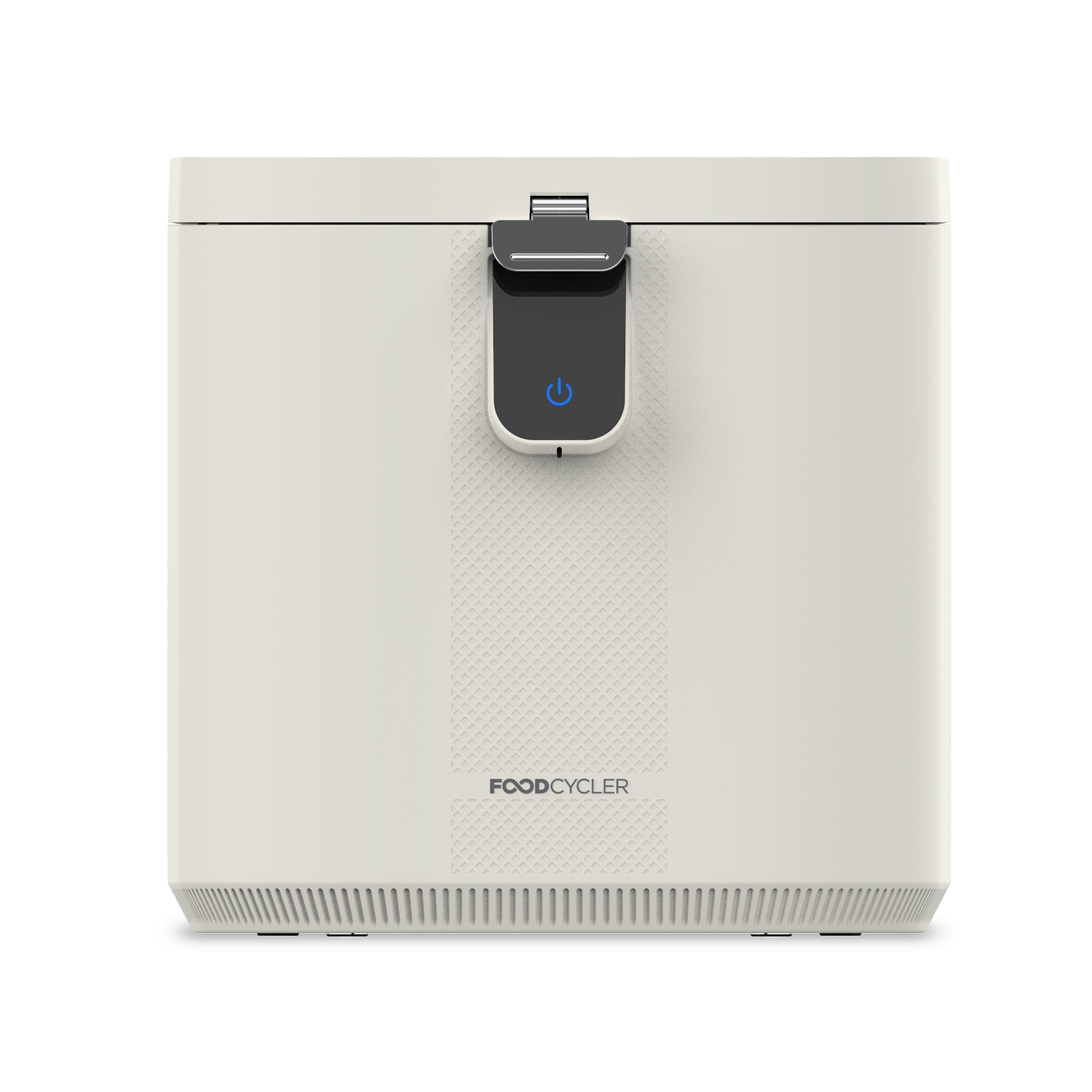
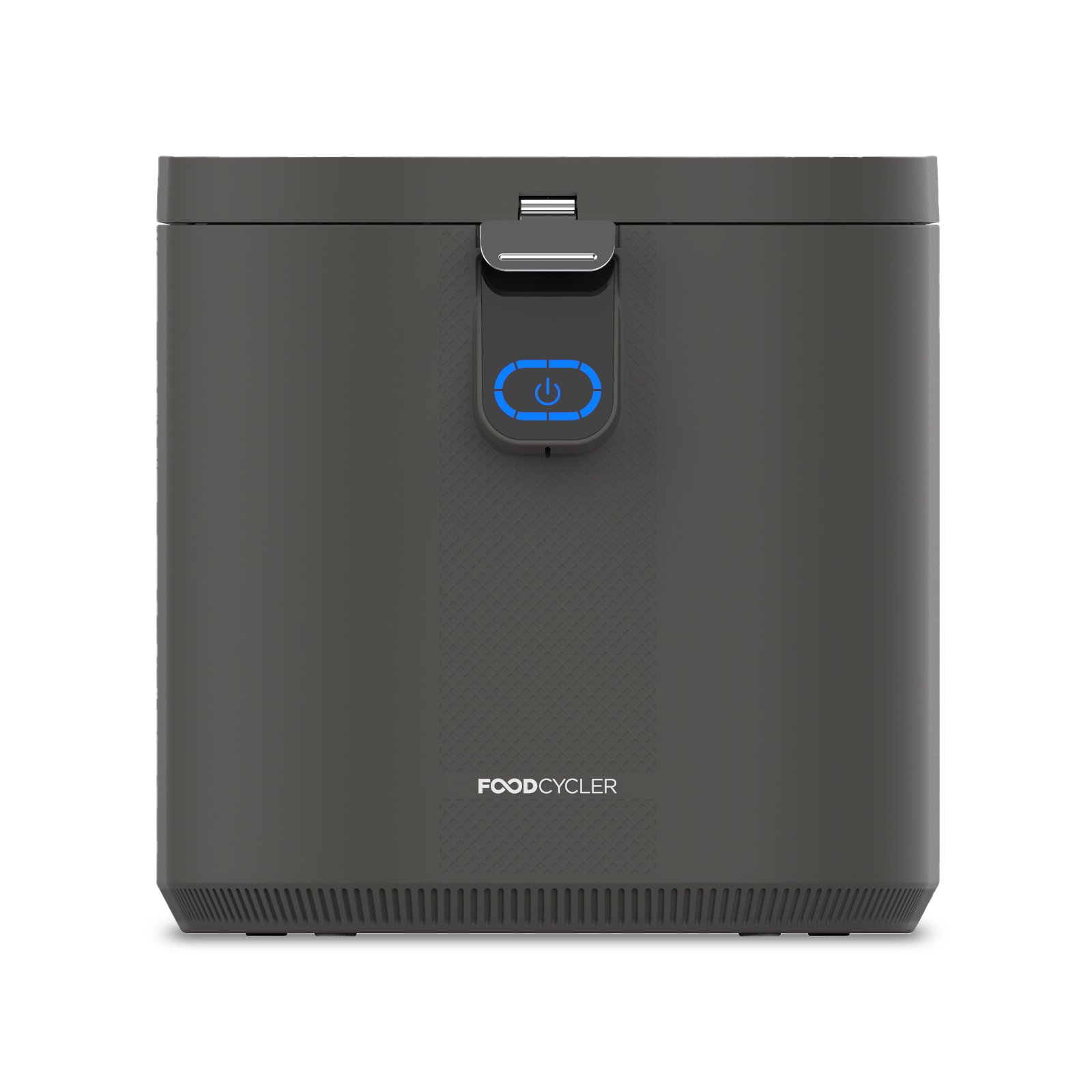
FoodCycler helps reduce food waste volume by processing kitchen scraps directly in your home and turning them into Foodilizer, a nutrient-rich soil amendment.
Instead of leaving peels, fruit ends, avocado skins, coffee grounds, and food scraps sitting exposed:
- Less raw food waste sits around
- Less moisture remains in bins
- Less odor can build over time
- Fewer opportunities exist for pests to move in
Because the goal isn't just getting rid of fruit flies.
It's creating a cleaner kitchen system overall.
Never Think of Fruit Flies Again

Fruit flies may seem like a summer problem.
But they're often a sign that your kitchen system could work better.
DIY traps can help.
Cleaning routines can help.
But long-term prevention often starts with reducing the food waste conditions that attract them in the first place.
Stop Fruit Flies Before They Start
Tired of dealing with kitchen scraps, odors, and seasonal fruit fly battles?
FoodCycler helps turn everyday food waste into Foodilizer while helping create a cleaner kitchen routine.
FoodCycler can help save you from the fruit fly headache — so you can spend less time fighting pests and more time enjoying summer.