Understanding how everyday food waste affects the planet—and what you can actually do about it.
Key Takeaways
- Food waste is one of the largest contributors to climate change
- When food goes to landfill, it produces methane—a powerful greenhouse gas
- Reducing food waste at home can make a real, measurable difference
- Simple habits and new technology can help keep food waste out of landfill
- The byproduct of food recycling can be reused in your home and garden
What Is Food Waste—and Why Should You Care?
Food waste is exactly what it sounds like: food that gets thrown away instead of eaten. This can be further broken down into avoidable waste (like uneaten leftovers or spoiled groceries) and unavoidable waste (like peels, pits, and bones). It includes everything from expired food to everyday kitchen scraps.
It happens in every home, every day.
But here’s the part most people don’t realize: food waste isn’t just a garbage problem—it’s a climate problem. Its concern doesn’t end in the landfill.
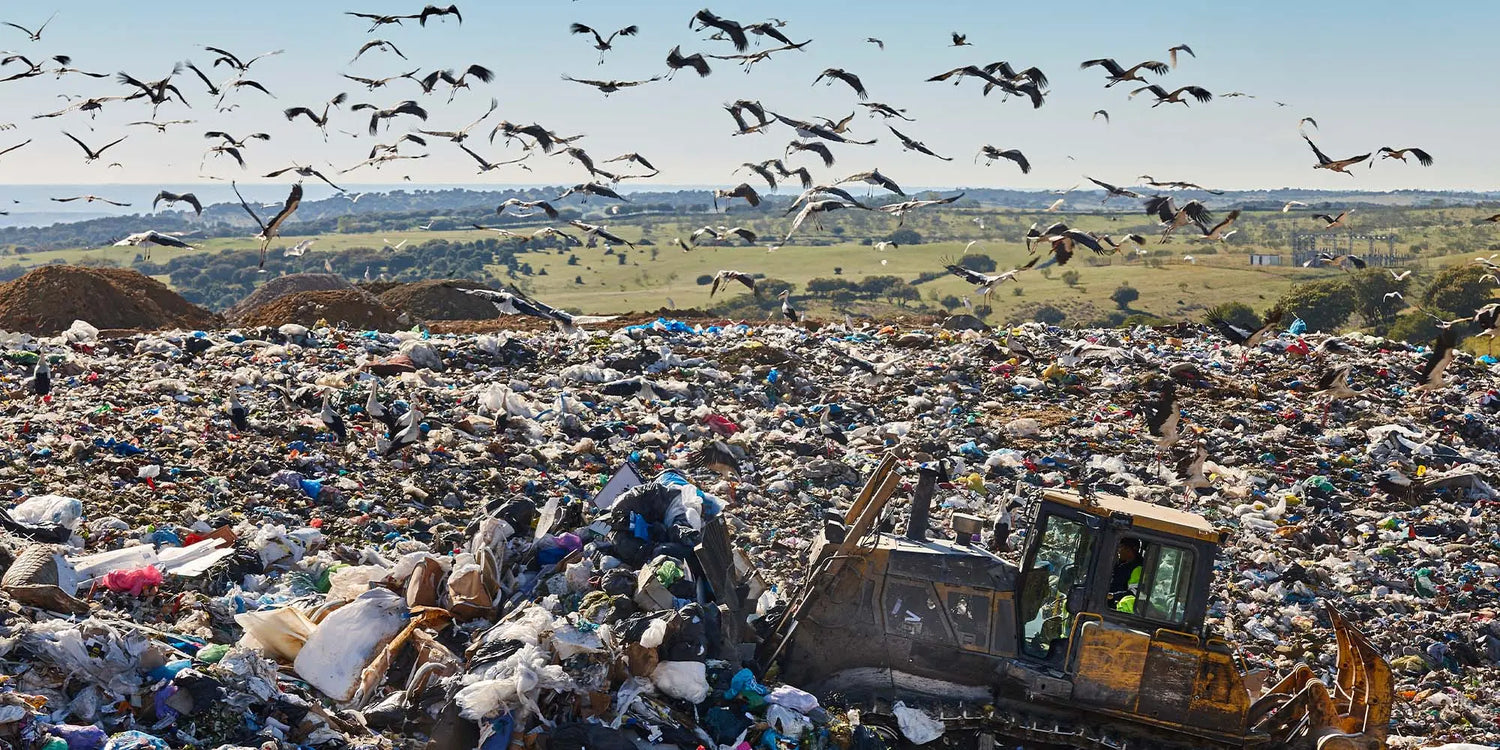
When food is thrown in the trash, it doesn’t just disappear. It travels to a landfill, where it breaks down in a way that harms the environment. And that impact is bigger than most people think.
The Big Picture: 3 Key Facts About Food Waste and Climate Change

1. A Huge Amount of Food Is Wasted Every Year
About one-third of all food produced globally is wasted.¹ That means food that was grown, transported, and purchased never gets eaten.
Think about everything that goes into that food:
- Water to grow it
- Energy to transport it
- Packaging and storage
When that food gets thrown away, all of those resources are wasted too.
2. Food Waste in Landfills Creates Methane Gas
When food waste ends up in a landfill, it doesn’t decompose like it might in an ideal natural environment.
Instead, it gets buried under layers of garbage where there is very little oxygen. This causes it to break down and release methane gas.²
Methane is a greenhouse gas that traps heat in the atmosphere—and it’s over 25 times more powerful than carbon dioxide over time.³
So when food waste builds up in landfills, it directly contributes to climate change.
3. Food Waste Affects Your Daily Life More Than You Think
This isn’t just about the planet in a general sense—it shows up in everyday life.
Here’s how:
- More extreme weather can affect food prices and availability
- Increased waste management costs can impact communities
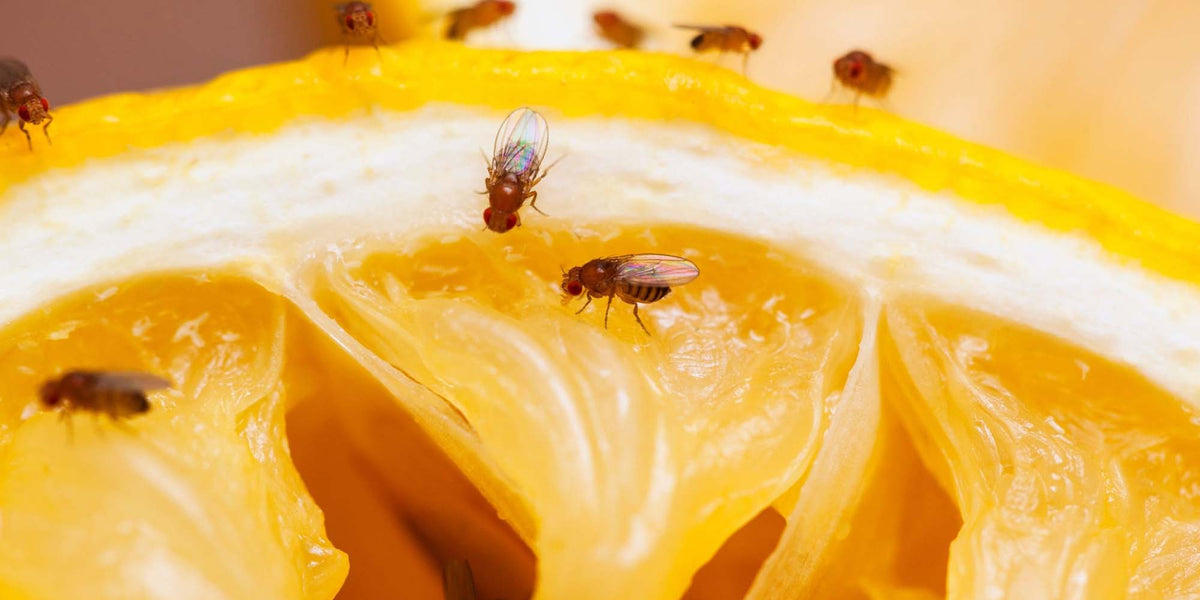
- Odors and pests from garbage affect your home environment
Food waste doesn’t stay “out of sight, out of mind.” It comes back in ways that affect your wallet, your home, and your future.
Why Landfills Are the Real Problem

It’s not just that food is wasted—it’s where it goes.
Landfills are designed to hold waste, not to process organic material like food. When food is buried in a landfill, it has no oxygen, breaks down slowly, produces methane gas, and cannot return nutrients back to the soil.
In nature, food breaks down and supports new plant growth. Landfills interrupt that natural cycle.
That’s why reducing food waste—or keeping it out of landfill—is one of the most impactful things you can do at home.
What Happens When You Reduce Food Waste?
Reducing food waste doesn’t just feel good—it creates real, measurable change.
- Less methane emissions: Keeping food out of landfills reduces greenhouse gases
- Cleaner homes: Less food waste in your garbage means fewer odors and bacteria
- Smarter routines: You use what you buy and reduce unnecessary spending
- A closed-loop system: Instead of waste, food scraps can become something useful
Simple Ways to Reduce Food Waste at Home
You don’t need to overhaul your routine to make a difference. A few small, consistent habits can significantly reduce the amount of food waste in your home.
Here are some simple, effective ways to get started:
- Plan your meals: Take a few minutes each week to map out meals and shop with a list. This helps avoid overbuying and forgotten ingredients.
- Store food properly: Keep fruits, vegetables, and leftovers in the right conditions so they stay fresh longer and don’t spoil too quickly.
- Use what you have first: Before heading to the store, check your fridge and pantry. Build meals around what needs to be used up.
- Get creative with leftovers: Repurpose meals into something new—last night’s dinner can easily become today’s lunch.
- Separate food waste from your trash: This is where real impact happens. Keeping food scraps out of your garbage reduces what goes to landfill. Composting is one option, but many households are now turning to food waste recyclers for a cleaner, more convenient solution.
What Is a Food Waste Recycler?

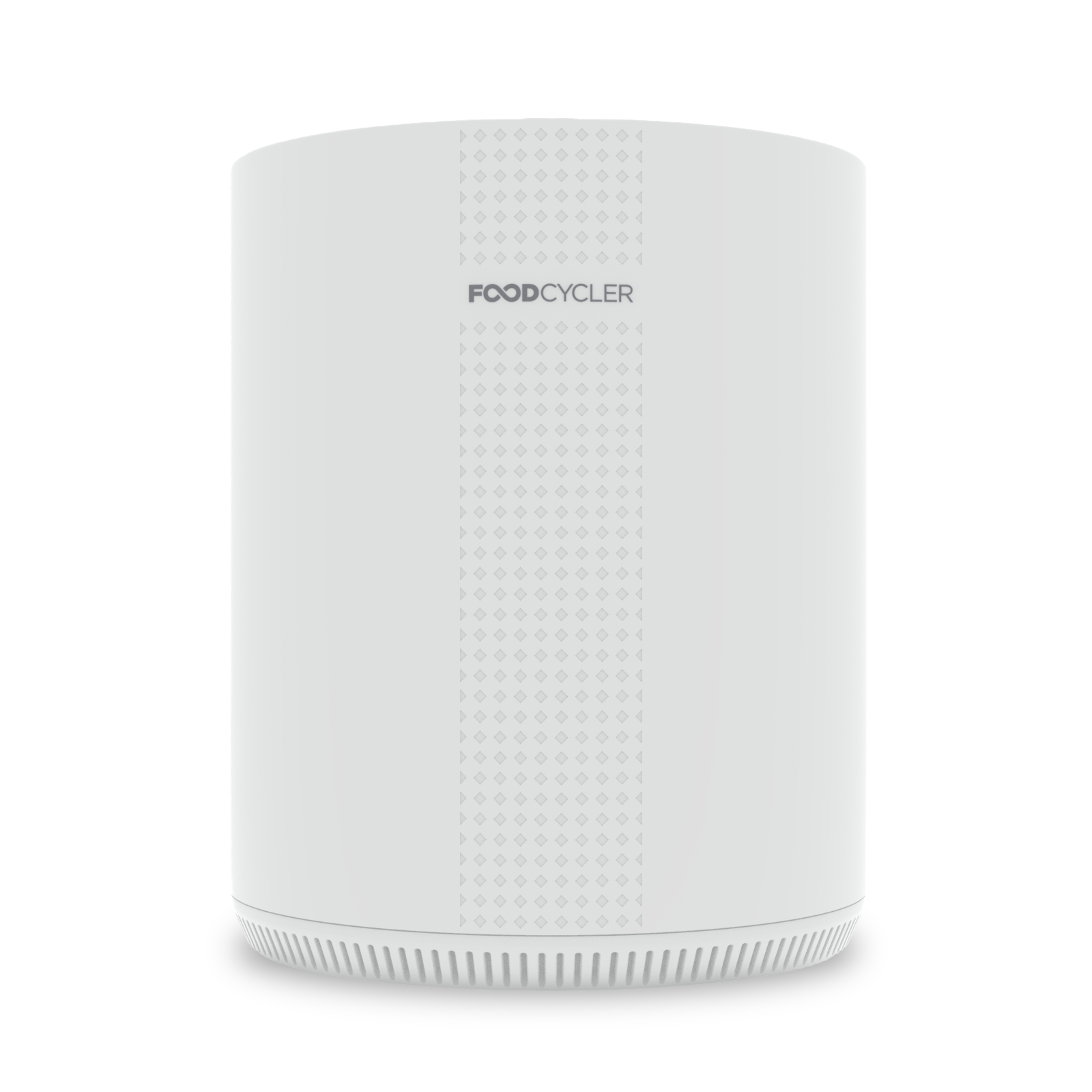
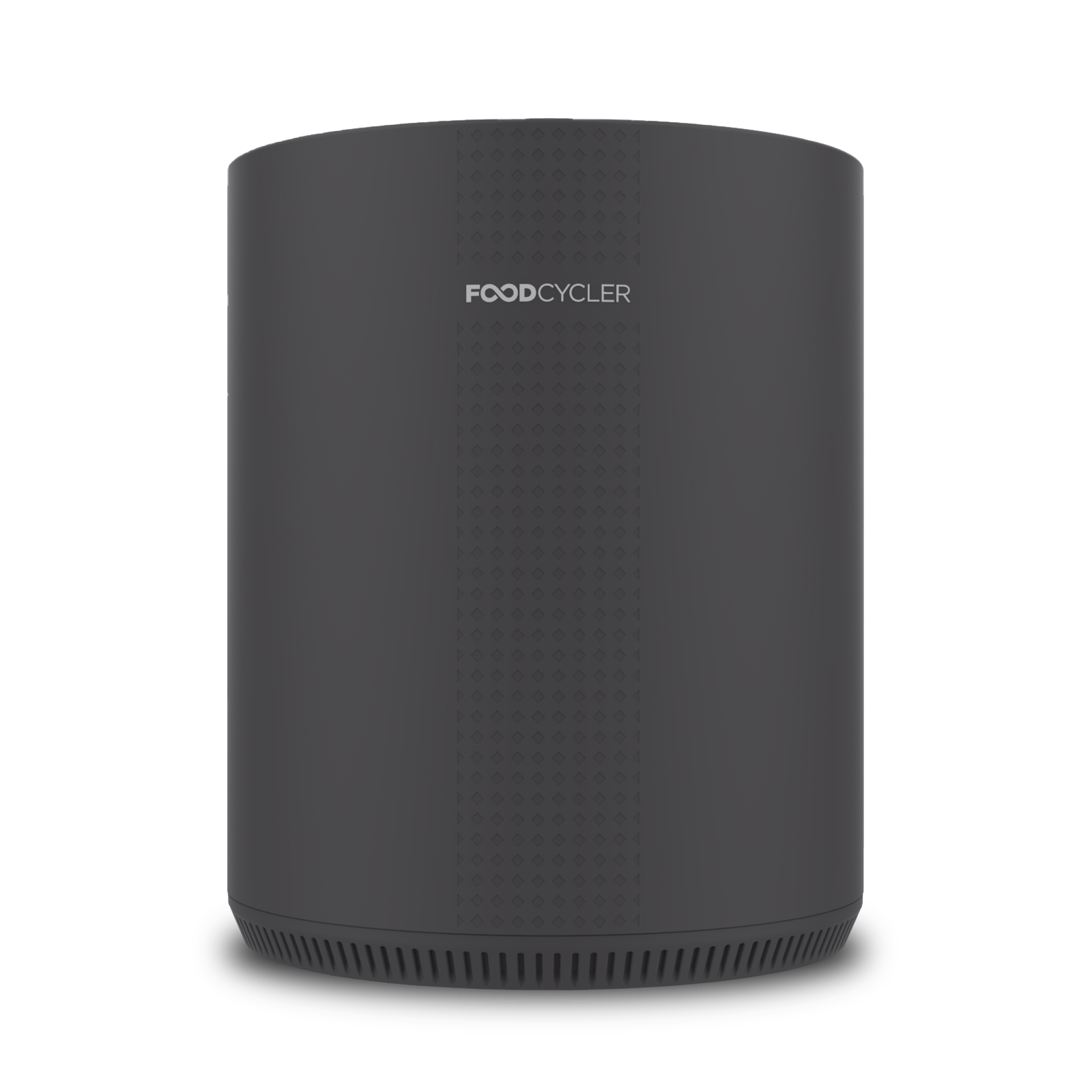
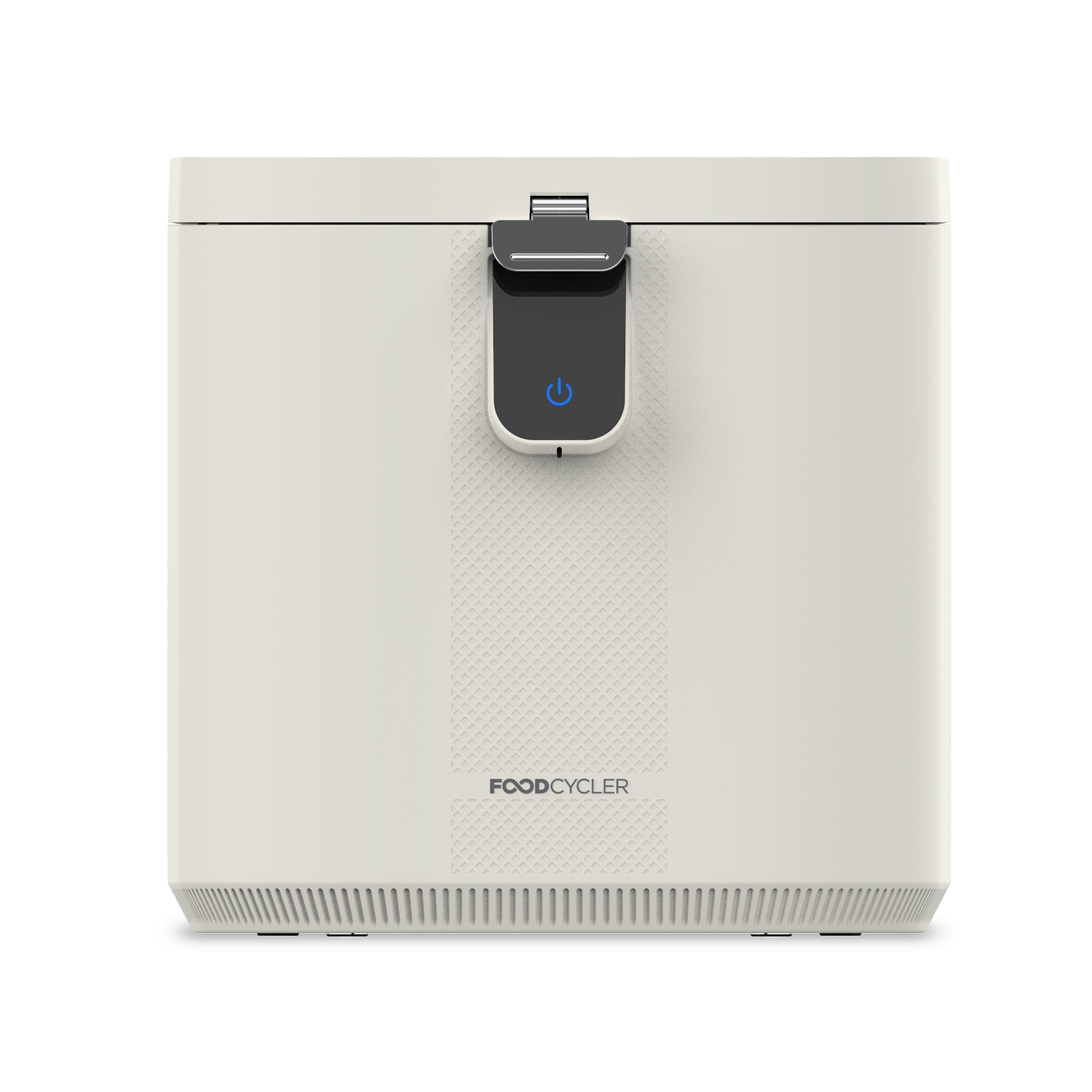
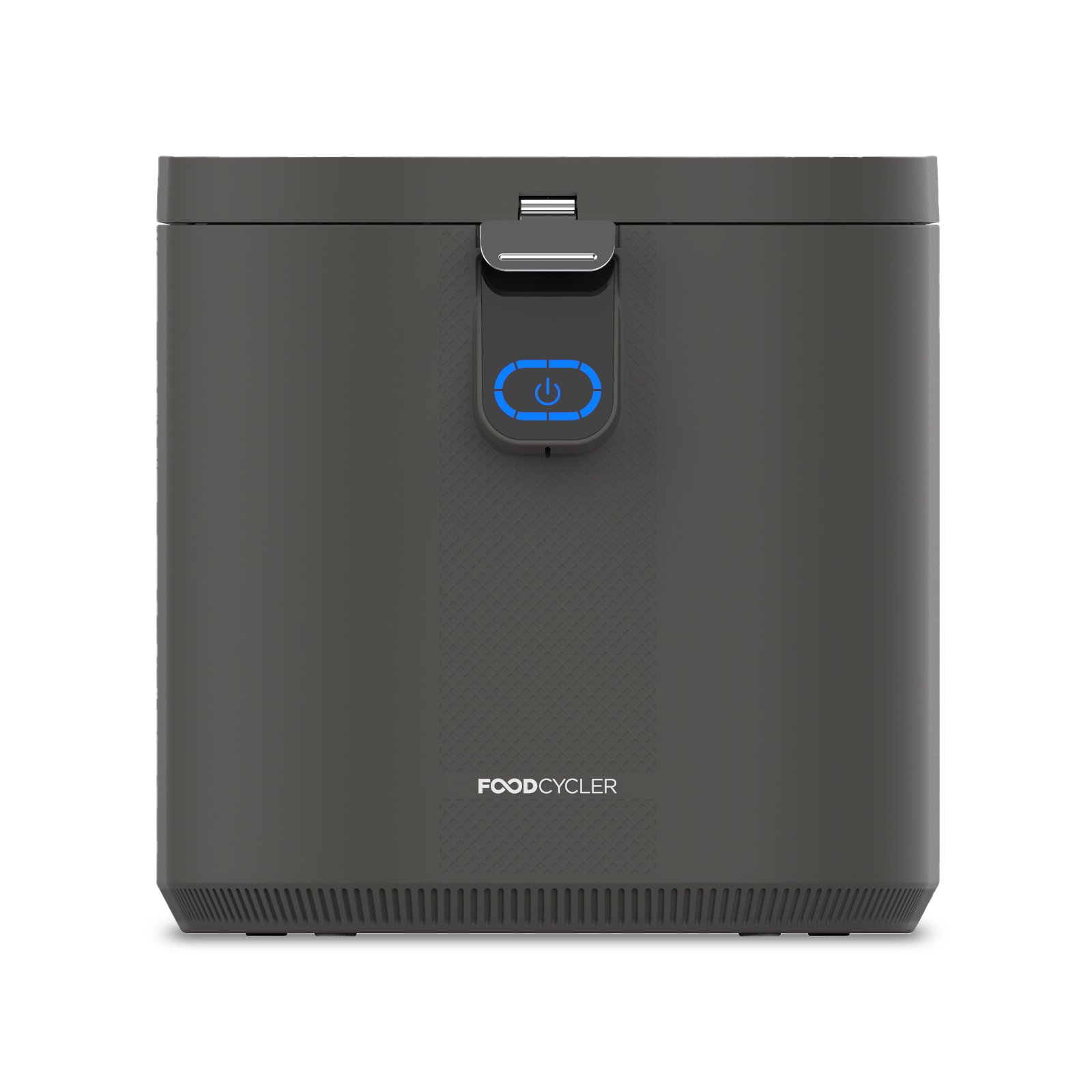
You may have heard the term “electric composter.” A more accurate term is a food waste recycler.
These appliances are designed to process food waste right in your home.
You add food scraps into the unit, and through a combination of heat, airflow, and grinding, the machine reduces the waste over several hours into a dry, nutrient-rich material.
The result is a by-product we called Foodilizer™—a shelf-stable soil booster that can be reused.
What Does This Actually Mean for You?
This shift is simple, but powerful.
You keep food waste out of landfill, which means it doesn’t produce methane. Your kitchen stays cleaner, with less odor and fewer trips to take out the trash. You also reduce the overall volume of your household waste.
Most importantly, you turn something that used to be waste into something useful.
What Can You Do with the By-product?

The output from a food waste recycler isn’t compost on its own—but it becomes highly useful when added to soil or compost systems.
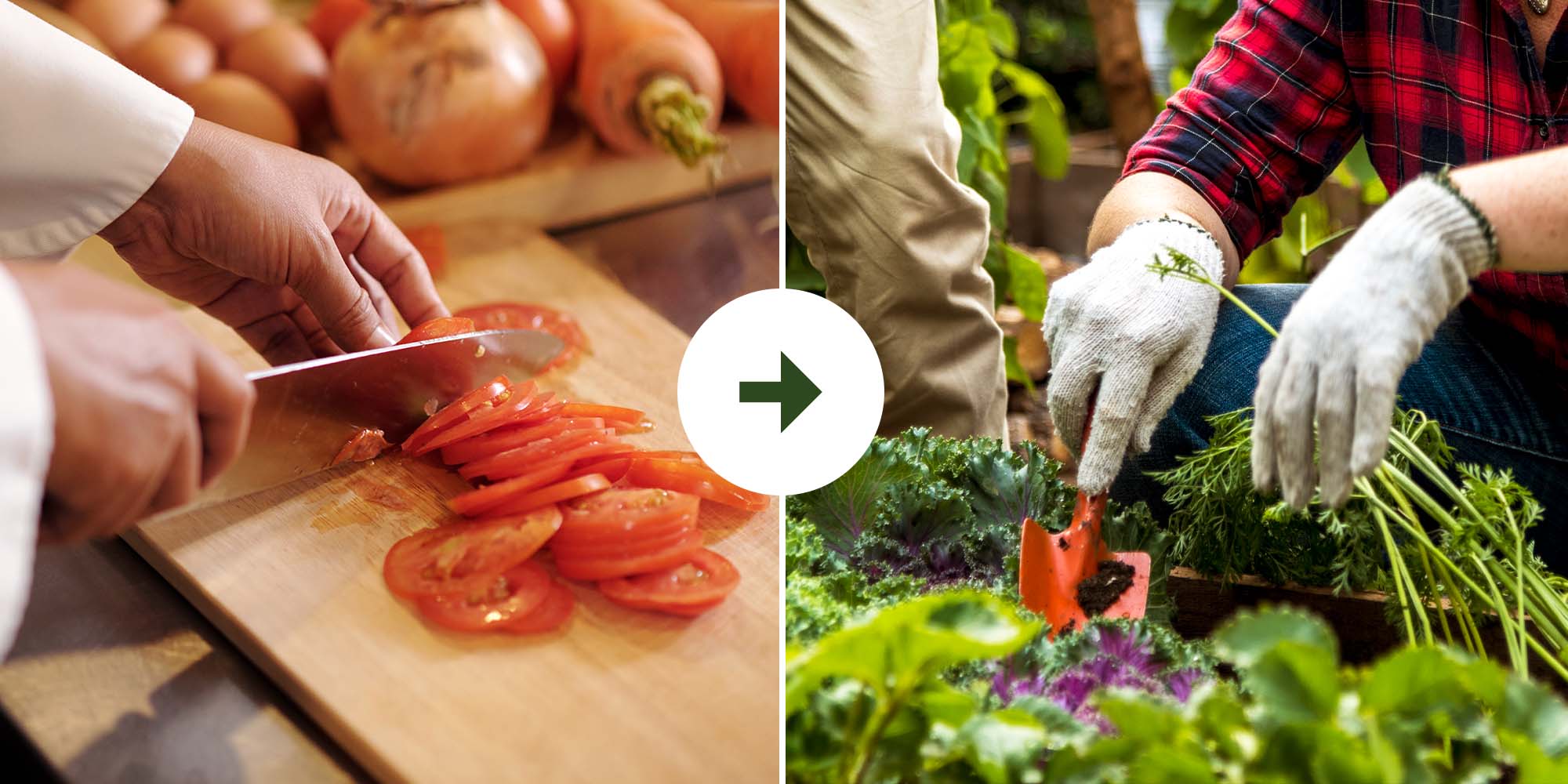
You can mix it into soil to improve structure, add it to garden beds, or use it to support outdoor composting.
If you’re new to using Foodilizer, following a simple ratio is key to getting the best results. For a deeper breakdown of how to use it properly, you can reference the Foodilizer Gardening Guide, which walks through mixing ratios, applications, and best practices for different types of plants.
This makes it easy to turn everyday food scraps into something that supports plant growth instead of contributing to landfill waste.
Why This Matters More Than Ever
Food waste is one of the most overlooked climate issues—but also one of the easiest to address.
You don’t need to make drastic lifestyle changes. You just need to rethink what happens to your food scraps.
Because every time food is kept out of landfill, it reduces methane emissions and supports a more sustainable system.
And when that change happens across thousands of homes, the impact becomes significant.
The Role of FoodCycler in Reducing Food Waste

FoodCycler is designed to make food waste management simple, clean, and effective.
It fits naturally into your daily routine and helps bridge the gap between intention and action.
It reduces food waste volume by up to 90%, processes scraps in hours instead of weeks, and helps keep kitchens fresh and odor-free. At the same time, it creates a reusable soil booster that can be returned to your home or garden.
Instead of sending food waste to landfill, you manage it directly at home—reducing your environmental impact in a practical, consistent way.
Yes, Small Changes Have a Real Impact
Food waste and climate change are closely connected—but the solution doesn’t have to be complicated.
By understanding what happens to food waste and making small changes at home, you can reduce greenhouse gas emissions, keep your home cleaner, save money, and contribute to a more sustainable future.
It starts with awareness. And it grows with simple, everyday actions.
Sources
¹Food and Agriculture Organization of the United Nations (FAO) – Global Food Waste Statistics
²FaoTechnical Platform on the Measurement and Reduction of Food Loss and Waste | Food and Agriculture Organization of the United Nations
³U.S. Environmental Protection Agency (EPA) – Food Waste and Landfills
⁵U.S. Environmental Protection Agency (EPA) – Understanding Global Warming Potentials of Methane