

How to Get Rid of Fruit Flies — And Keep Them from Coming Back
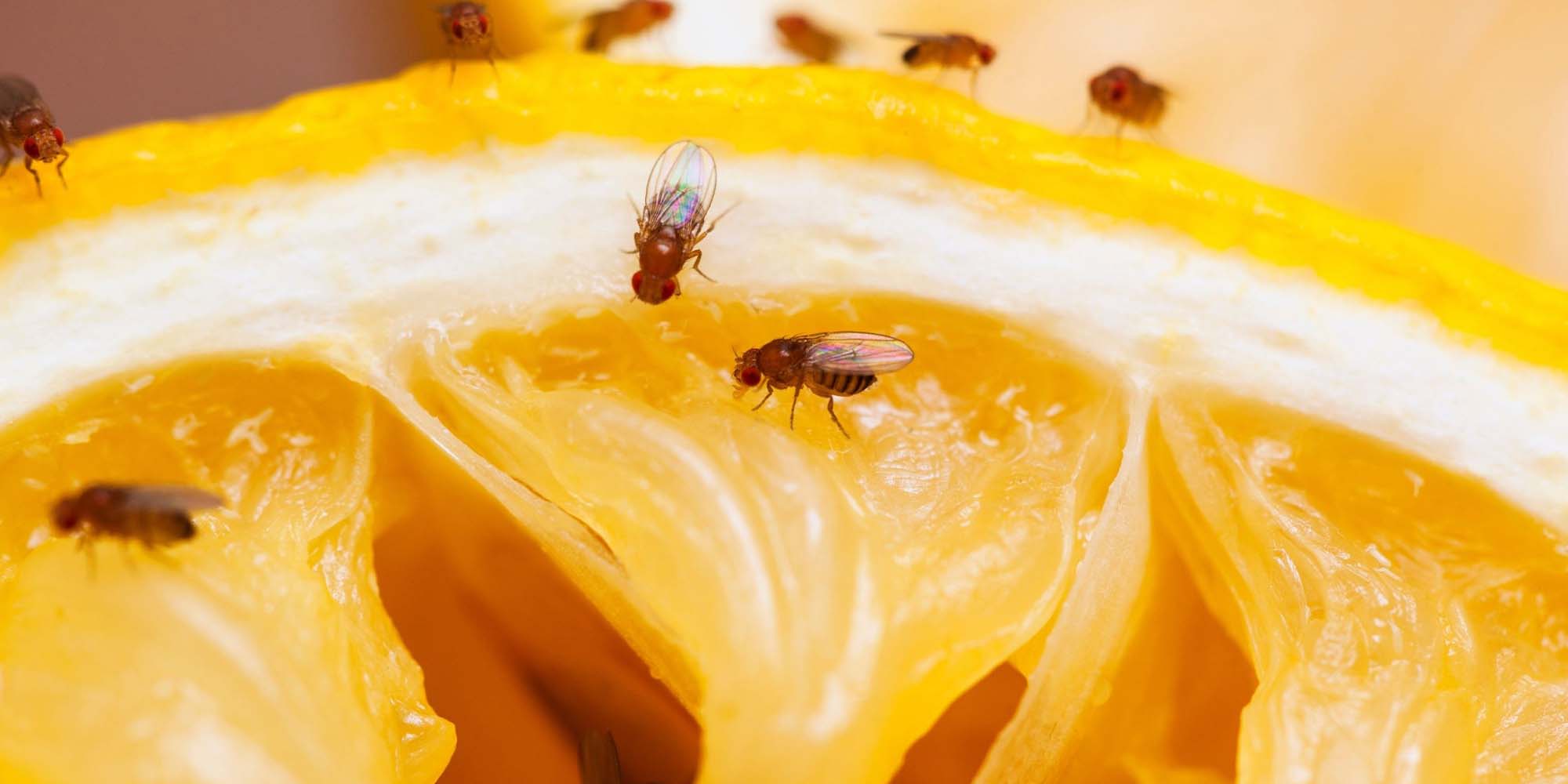
Key Takeaways Don't have time to read the whole article? Here's what you need to know: Fruit flies thrive in warm temperatures and reproduce incredibly quickly. Fruit bowls are not always the prob...
Food Waste & Climate Change: What You Need to Know
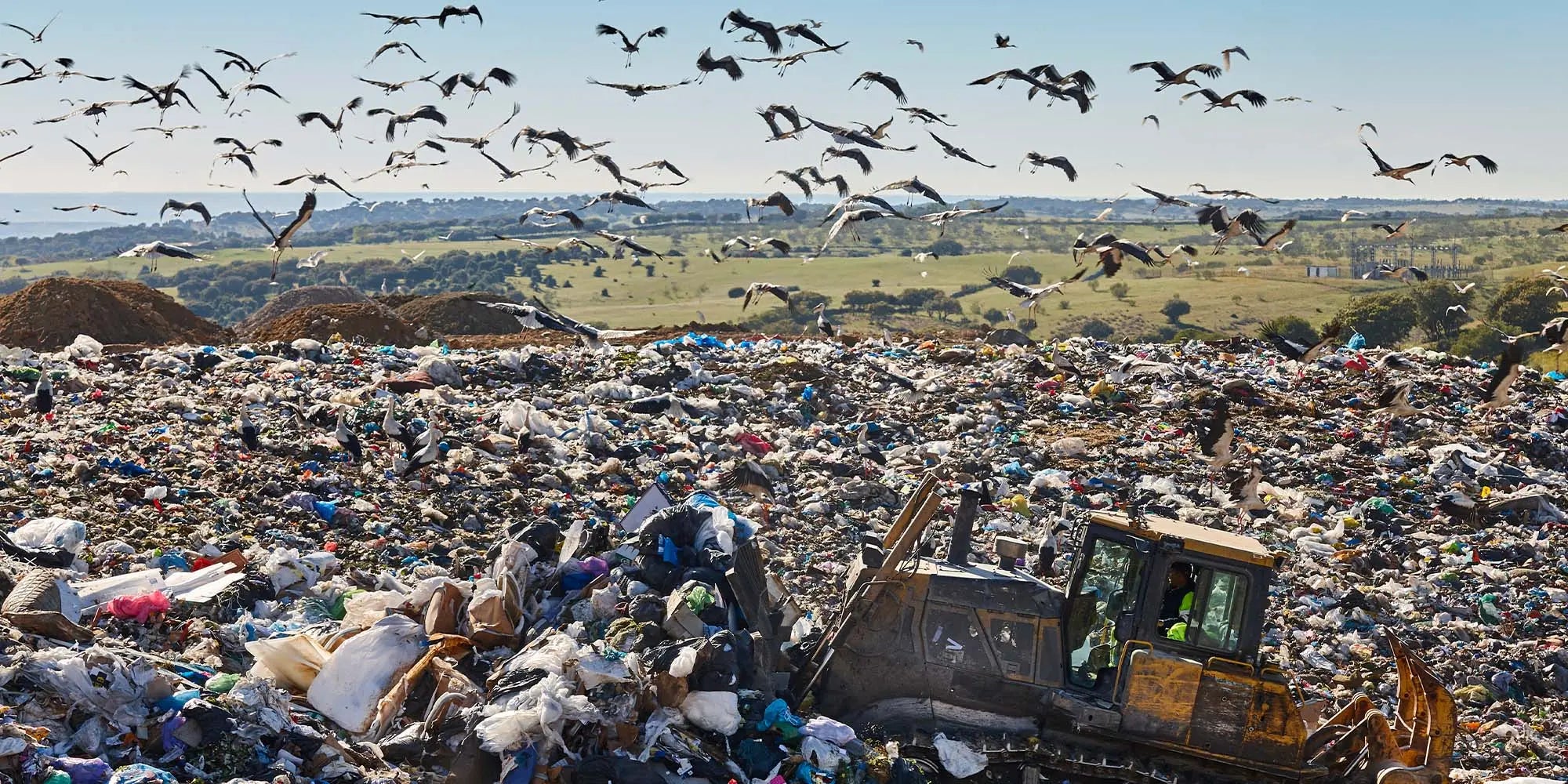
Understanding how everyday food waste affects the planet—and what you can actually do about it. Key Takeaways Food waste is one of the largest contributors to climate change When food goes to ...
From Tomato Scraps to Soil: How Kitchen Food Scraps Become Soil Amendment
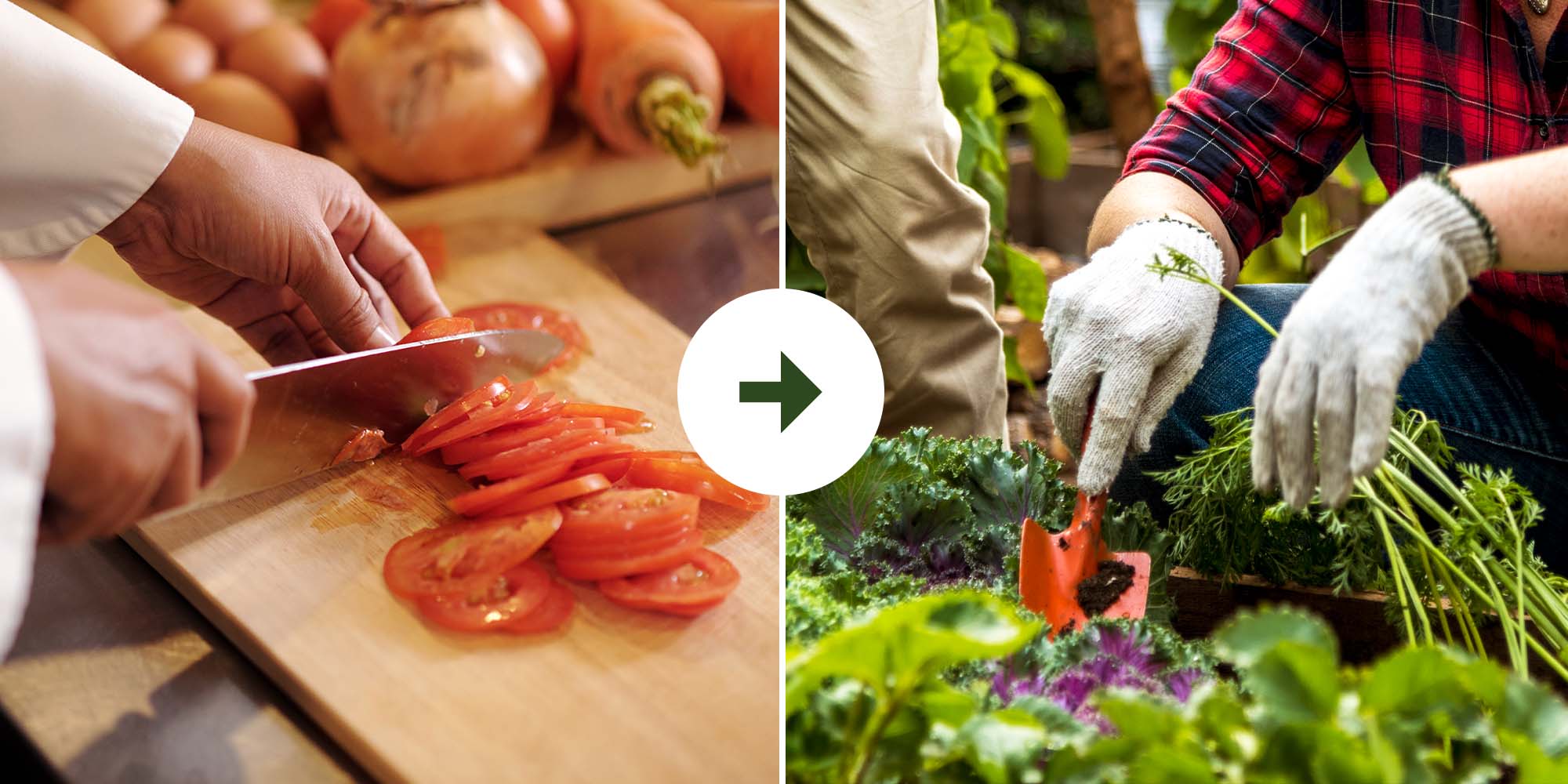
Imagine slicing tomatoes for a salad or pasta sauce. The cores, seeds, and skins are left on the cutting board - small scraps that most people automatically toss in the trash. But what if those scr...
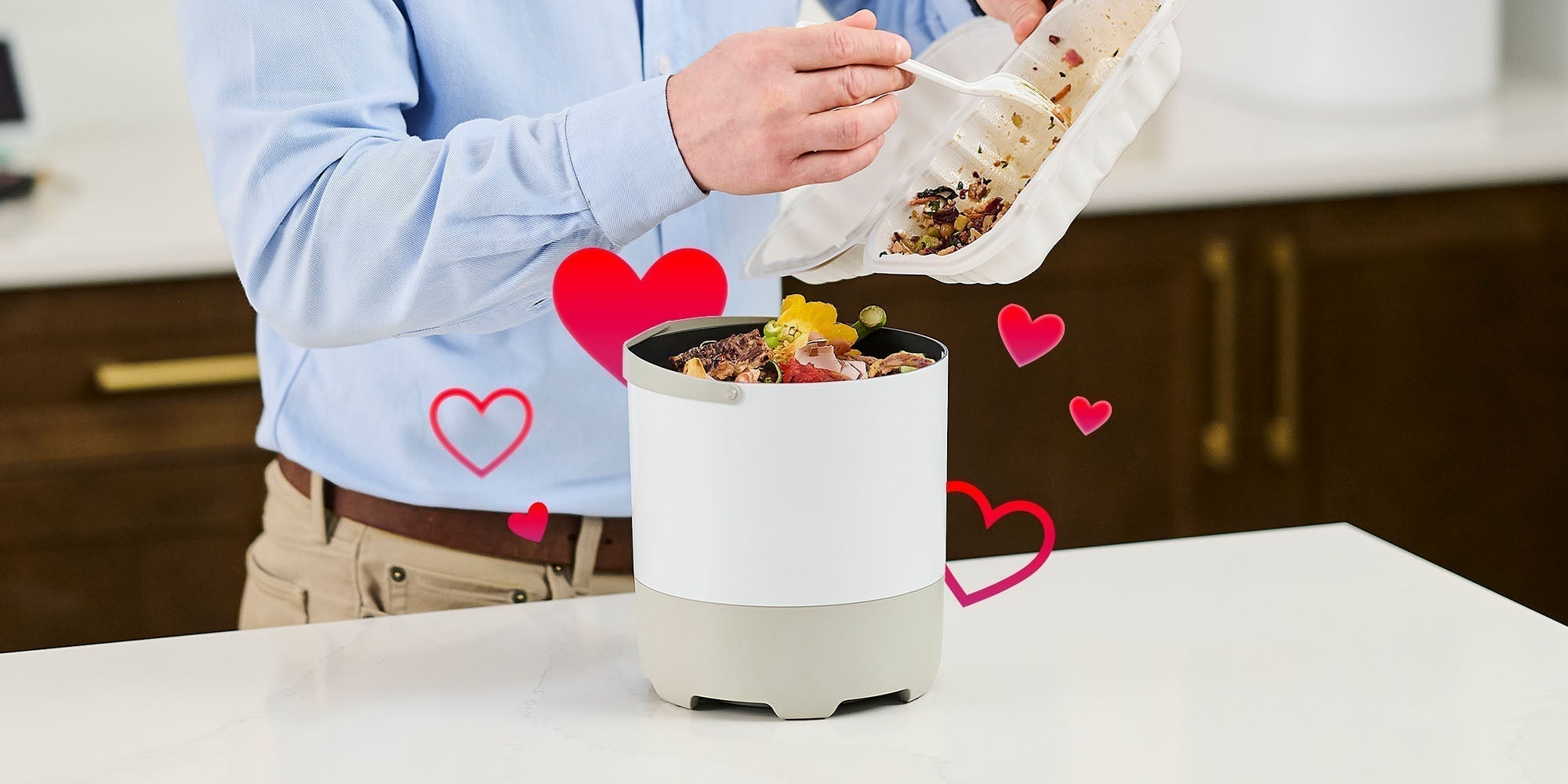
Love Your Leftovers: The Science of Spoilage and How to Keep Food Fresher, Longer
Valentine’s Day is all about love and this year, we’re extending that love to your leftovers. What if understanding the science of spoilage could help you reduce food waste, save money, and keep le...
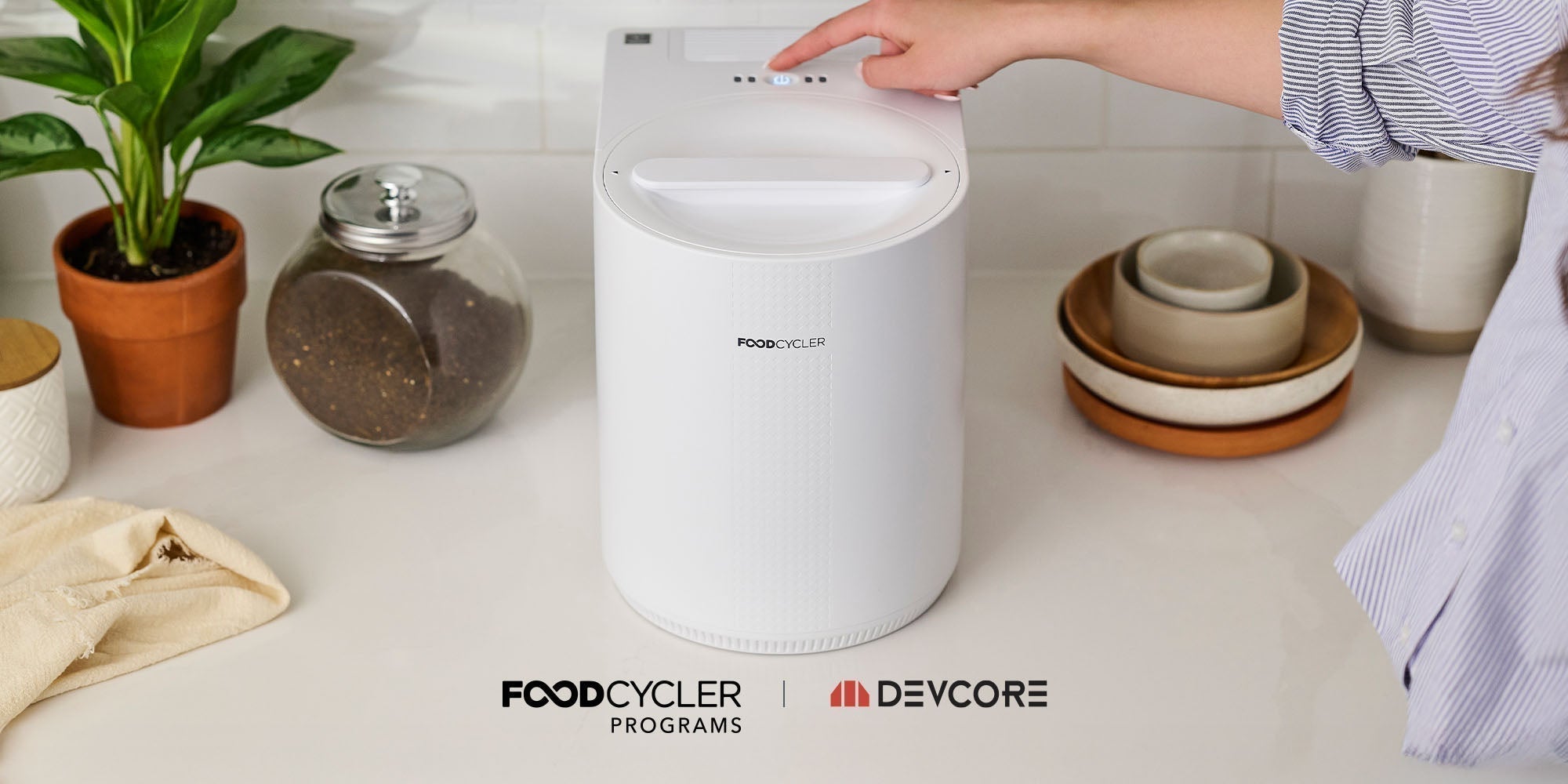
From Kitchens to Communities: How One Developer Rethought Food Waste In Two Buildings
When people think about food waste, they usually picture a single kitchen — a forgotten container in the fridge, wilted greens, leftovers that never quite made it to lunch. But in apartment and con...
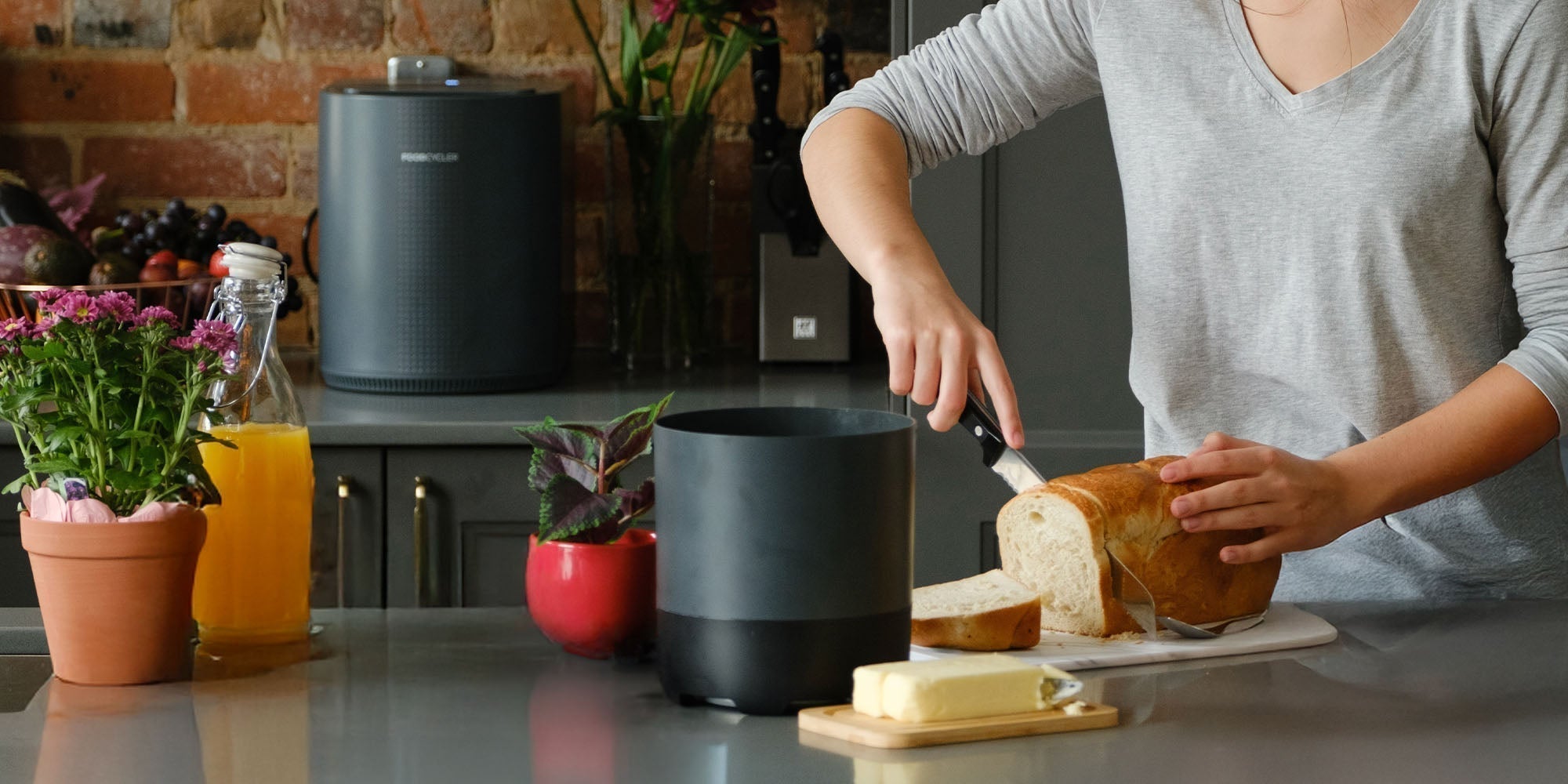
The One Kitchen Upgrade You Forgot: A Plan for Food Waste Recycling
Key Takeaways: Kitchen renovations often forget food waste planning, even though it affects every meal, every day. A dedicated “food waste station” brings organization and sustainability into your...