In a world of overflowing buffets and gift piles, there’s a better way to celebrate; giving the gift of less — less waste, less clutter, more purpose. This season, discover how sustainable giving and food waste reduction can make your holidays more meaningful, how the FoodCycler fits naturally into both, and how to turn leftovers into delicious remixes that keep the celebration going.
Why “Less” Is Actually More
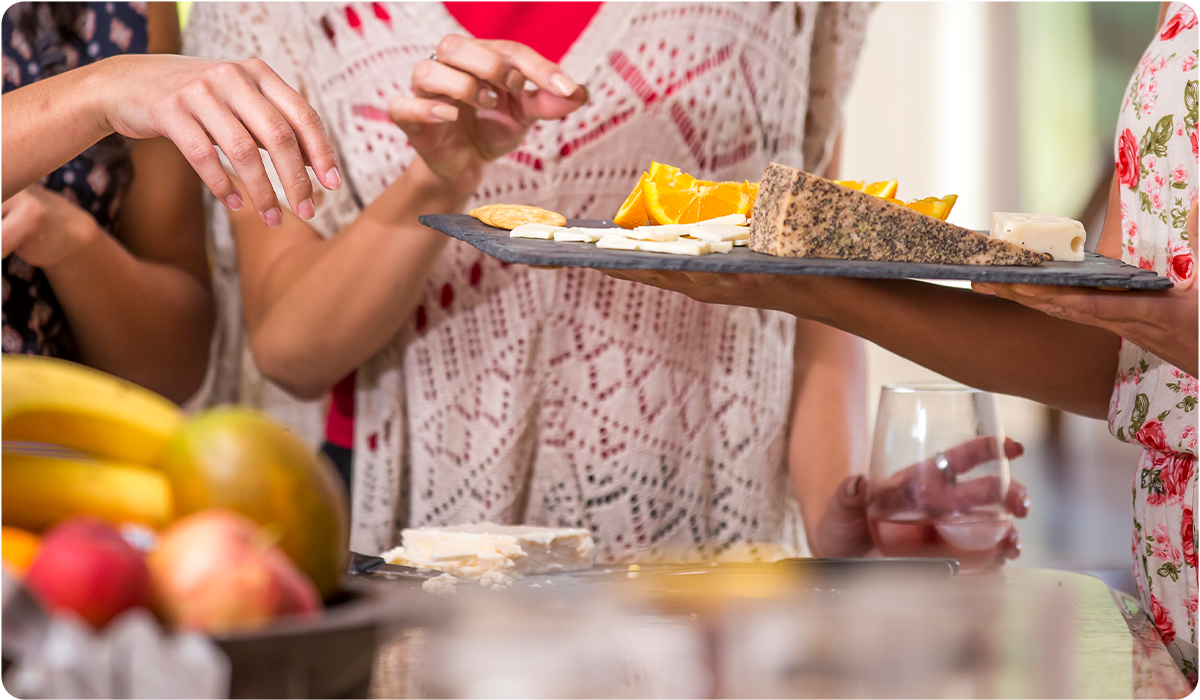
We’re conditioned to think of the holidays as a time of abundance — more presents, more food, more everything. But “more” often leads to waste. Every uneaten dish, unused wrapping paper, or overbought gift contributes to the growing problem of landfill waste and greenhouse gas emissions. You can have fun, indulge, and still be mindful.
The Holiday Food Waste Problem
Globally, food loss and waste account for 8–10% of annual greenhouse gas emissions¹. In the U.S., food makes up about 24% of municipal solid waste, producing roughly 58% of methane emissions from landfills². During the holidays, this problem intensifies — as grocery carts overflow, fridges fill, and leftovers pile up.
Reducing food waste at home isn’t just a practical choice; it’s one of the most direct ways to lower your environmental footprint. And one of the simplest ways to do that is by rethinking how you give, cook, and clean up.
Five Sustainable Gift Ideas
Looking for thoughtful, waste-free gifts this year? Here are five ideas that delight your loved ones and the planet:
The FoodCycler® Food Waste Recycler
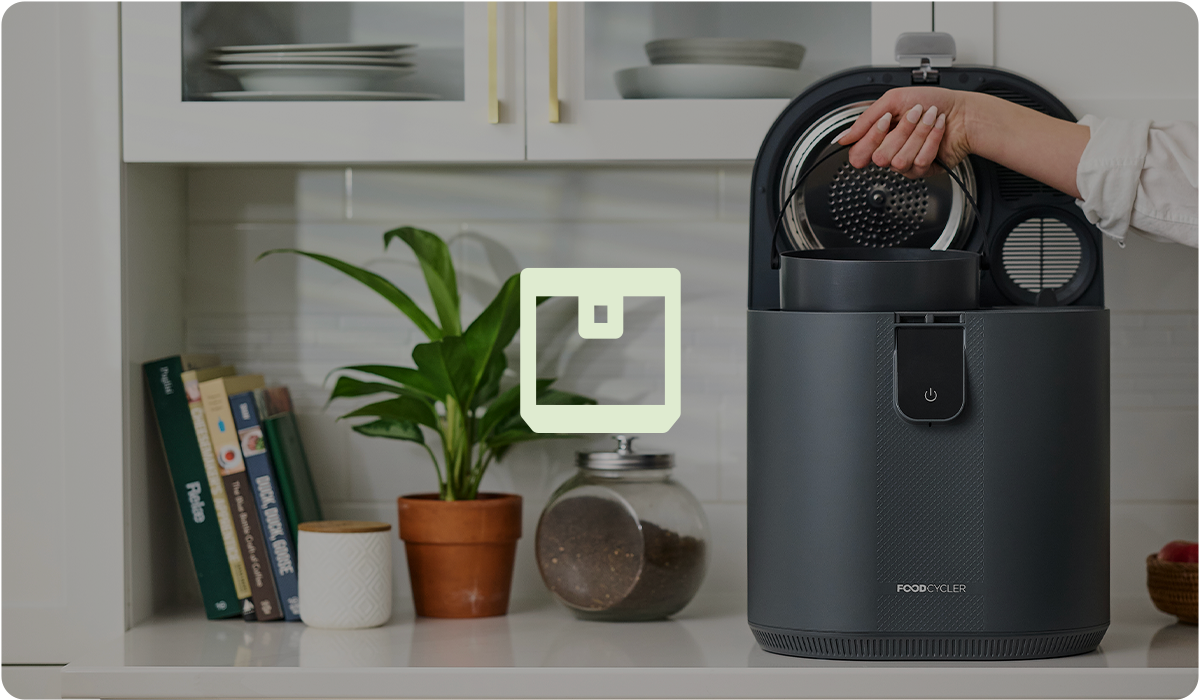
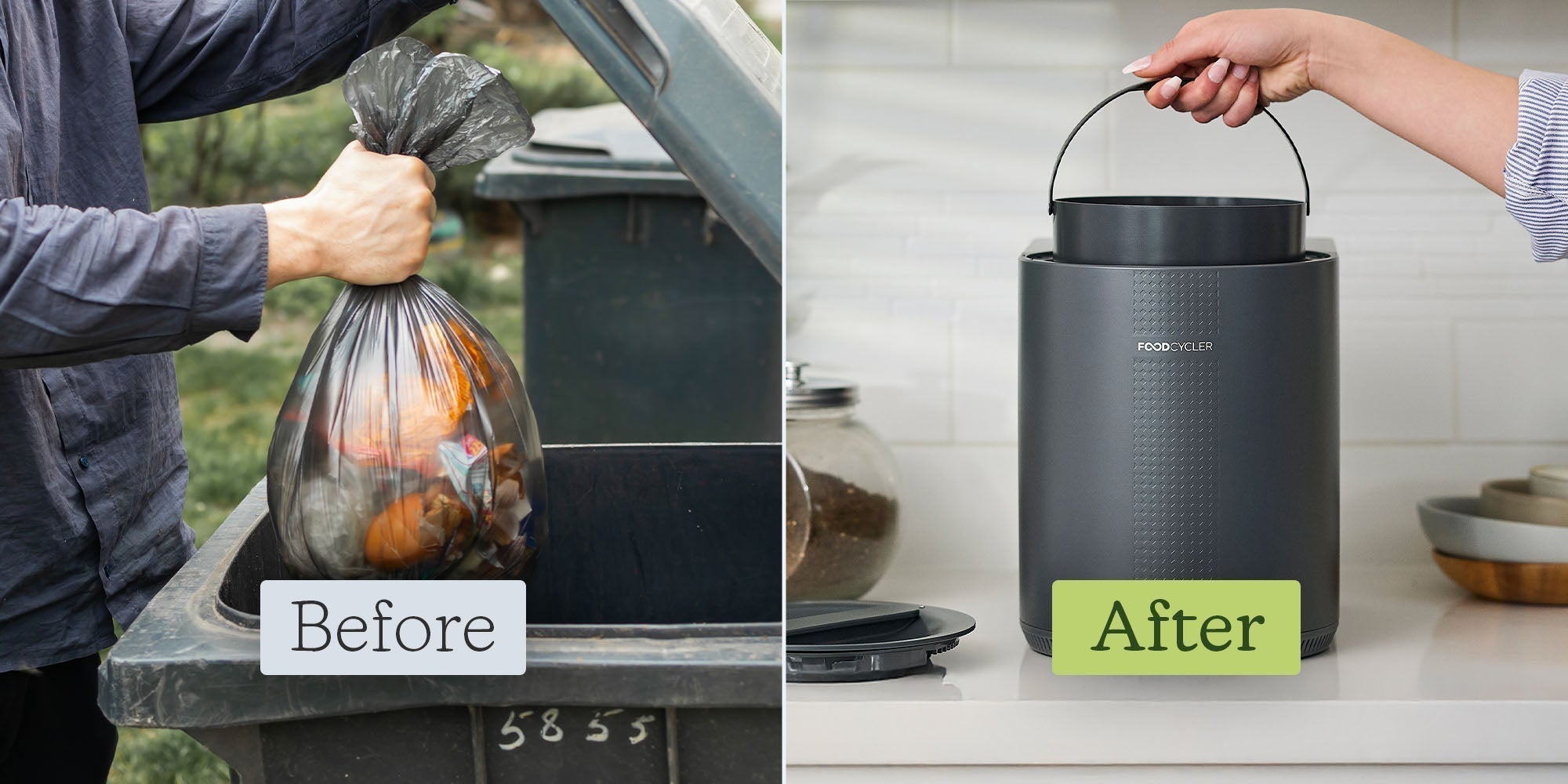
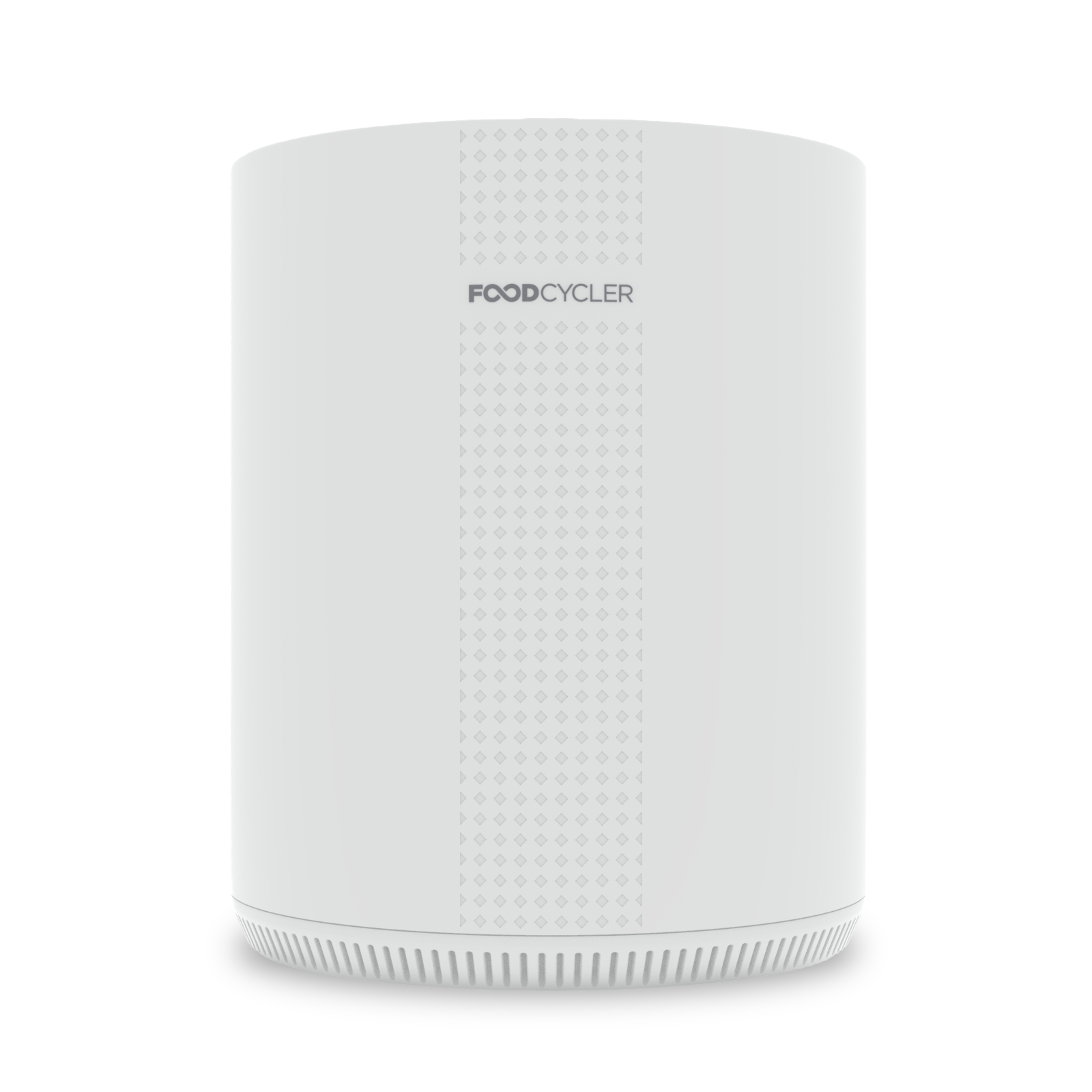
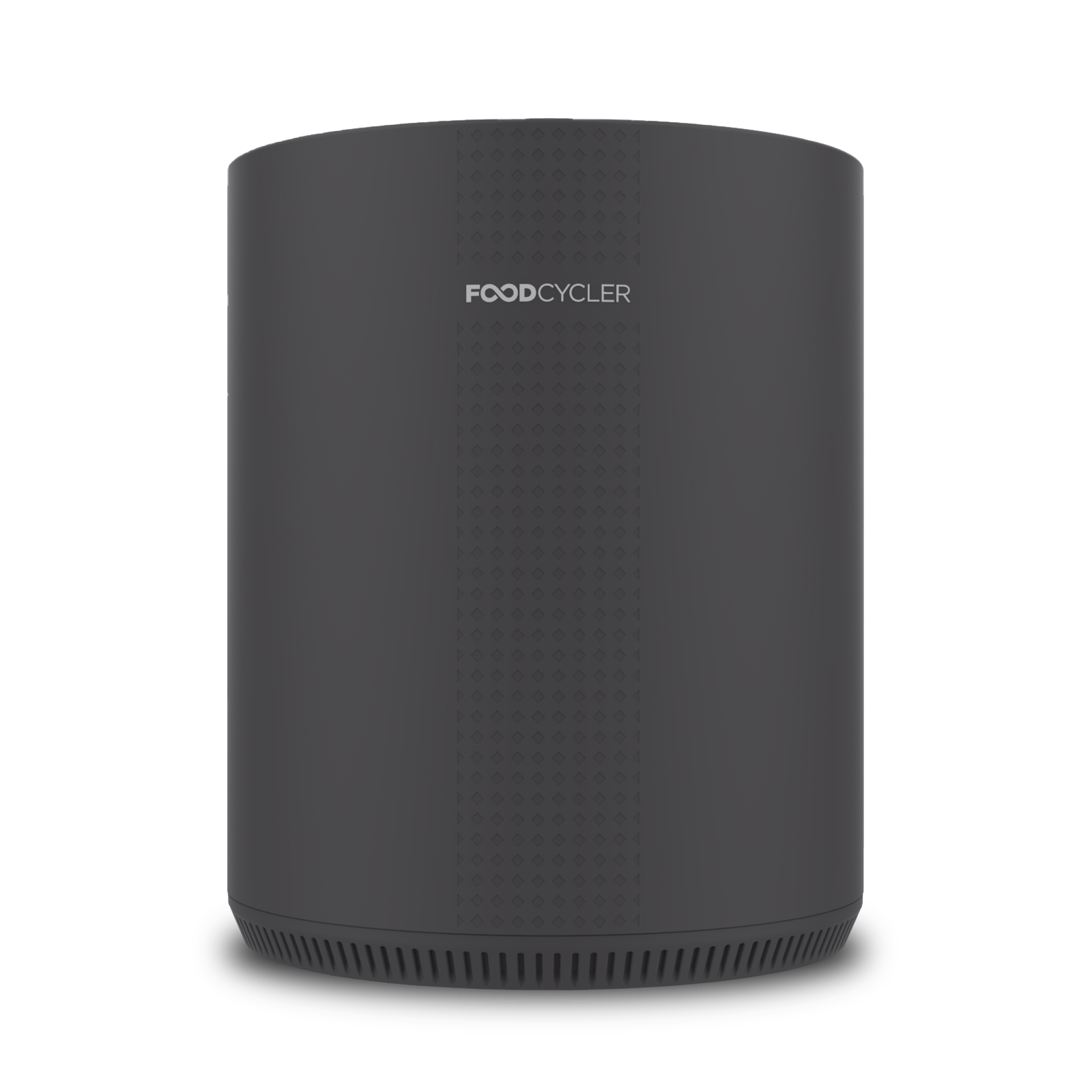
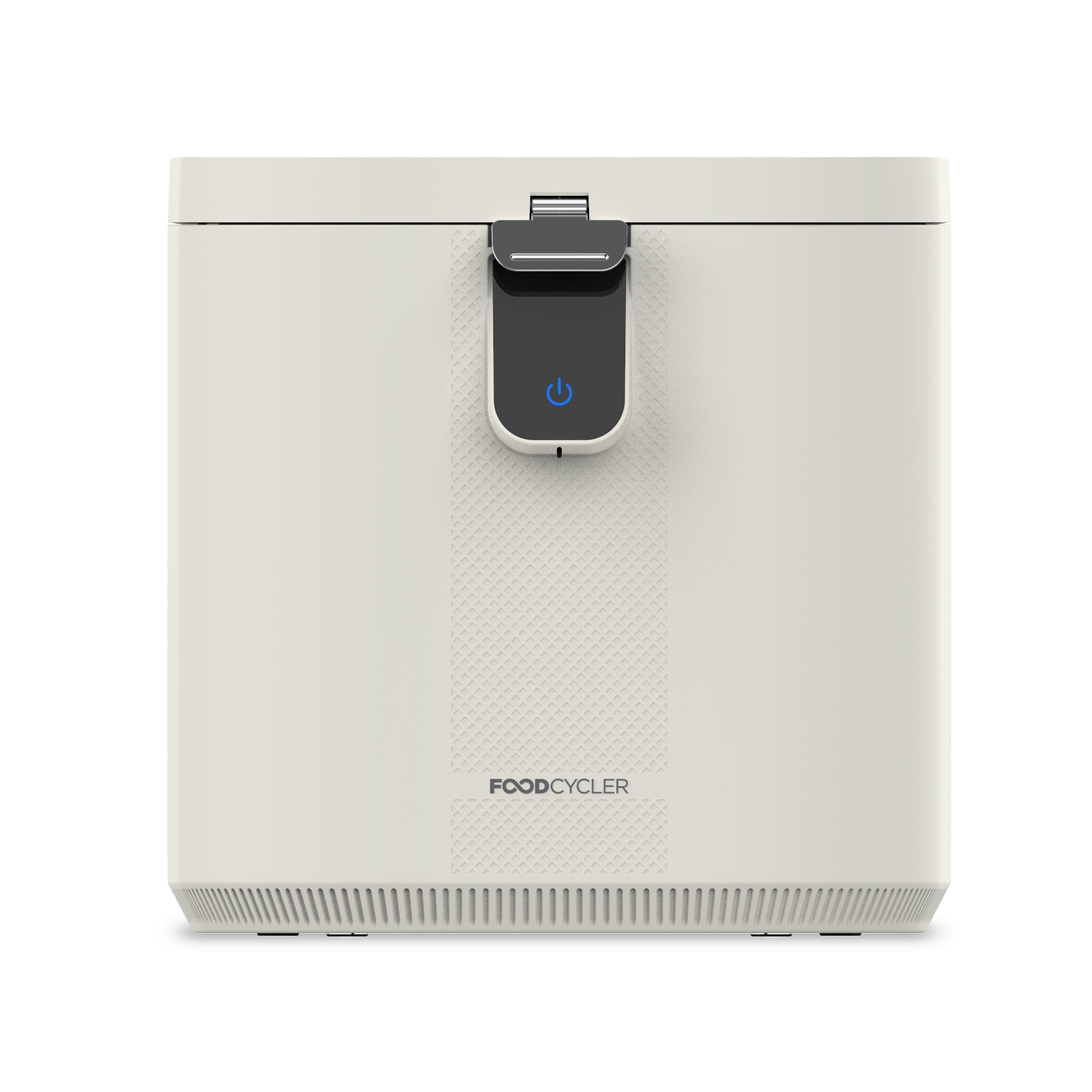
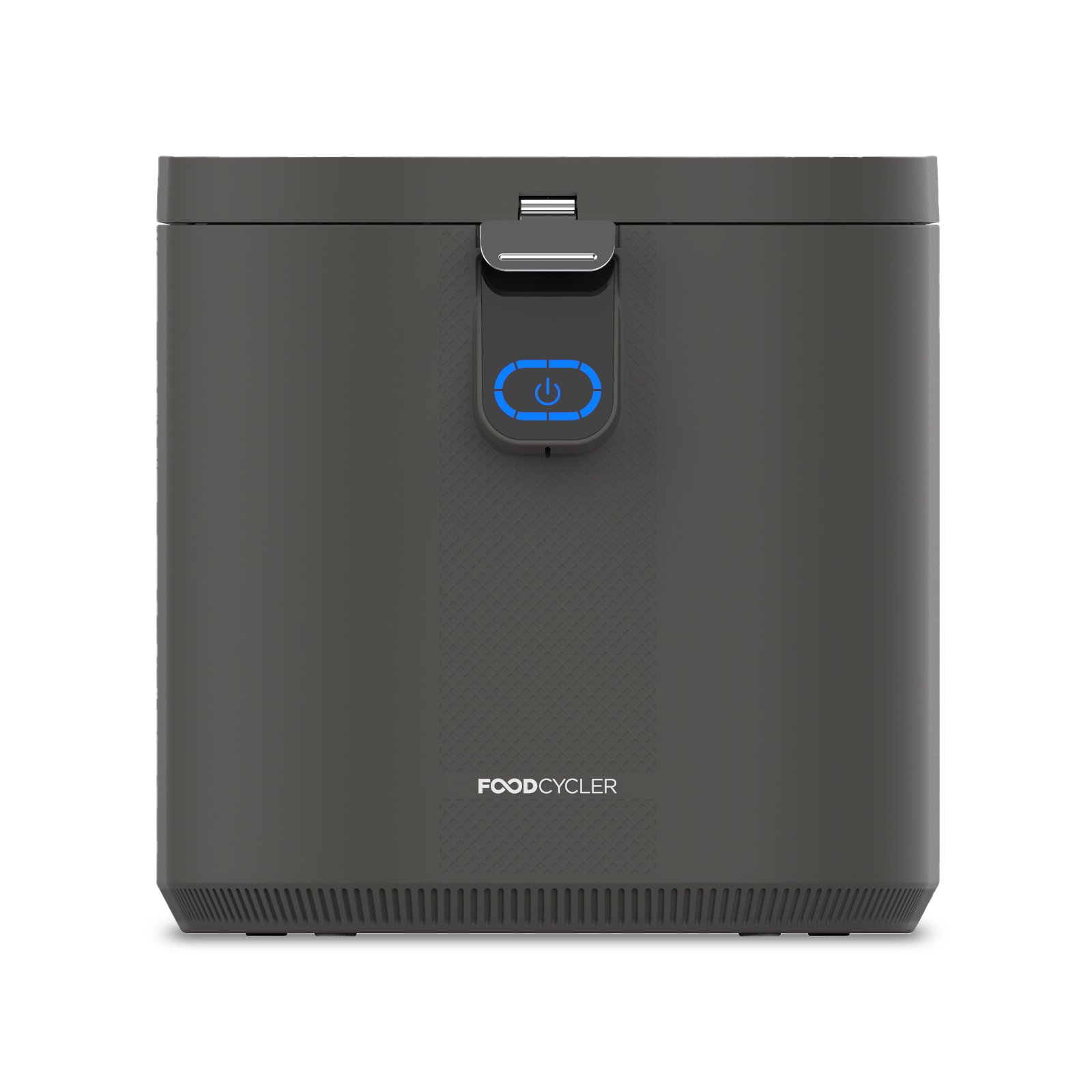
A standout gift, the FoodCycler transforms everyday food scraps into a lightweight, odorless material that can be used in the garden or safely disposed of — reducing landfill contributions and greenhouse gas emissions.
Reusable Kitchen and Grocery Essentials

Mesh produce bags, silicone storage pouches, and beeswax wraps replace disposable plastic and paper — perfect for anyone looking to reduce single-use waste.
Meal-Planning Tools
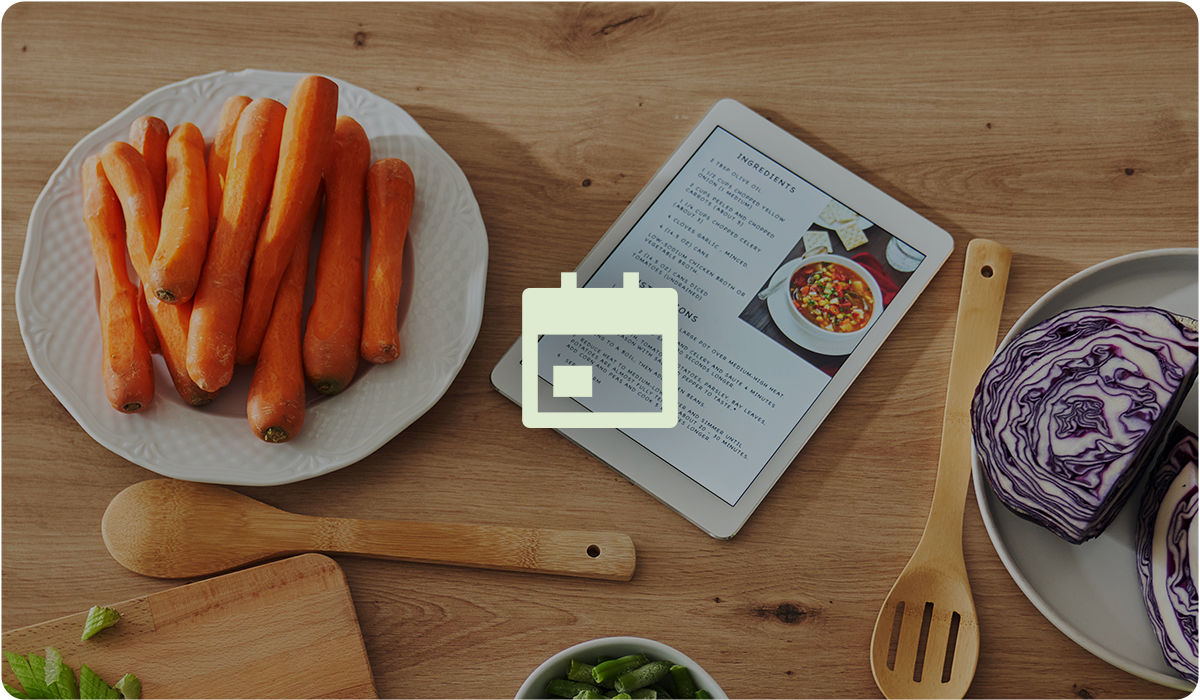
A subscription to a digital meal-planning app or a beautiful recipe planner can help friends reduce food waste through smarter shopping and portion control.
Home Energy or Water-Saving Gadgets

Smart plugs, LED lights, or a low-flow showerhead are practical eco-friendly gifts that keep giving year-round.
Experience-Based Gifts

Skip the stuff and give moments instead: a cooking class, local farm tour, or donation in someone’s name to an environmental organization.
Each of these gifts adds value without adding clutter — the true essence of the gift of less.
The Top 5 Holiday Foods Most Likely to Go to Waste
During the holidays, certain dishes and ingredients are more prone to ending up in the trash. Here’s what to watch out for — and how to rethink them:
Turkey and Roasts: Oversized portions often lead to leftovers that go uneaten. Buy smaller cuts or share extras with guests.
Side Dishes: From casseroles to salads, over-preparing leads to spoilage. Plan portions and freeze what you can.
Dairy and Cheese Platters: Cheese and cream-based dishes spoil quickly. Offer fewer varieties or freeze portions for later recipes.
Fresh Produce: Over-buying vegetables for big meals means wilted greens later. Shop close to the celebration date and prep only what you need.
Desserts and Condiments: Big batches of sweets or sauces (like cranberry sauce) can linger in the fridge. Instead, plan creative remixes to keep them out of the trash.
These simple adjustments can significantly cut down on what gets tossed — and turn potential waste into opportunity.
How the FoodCycler Makes a Difference
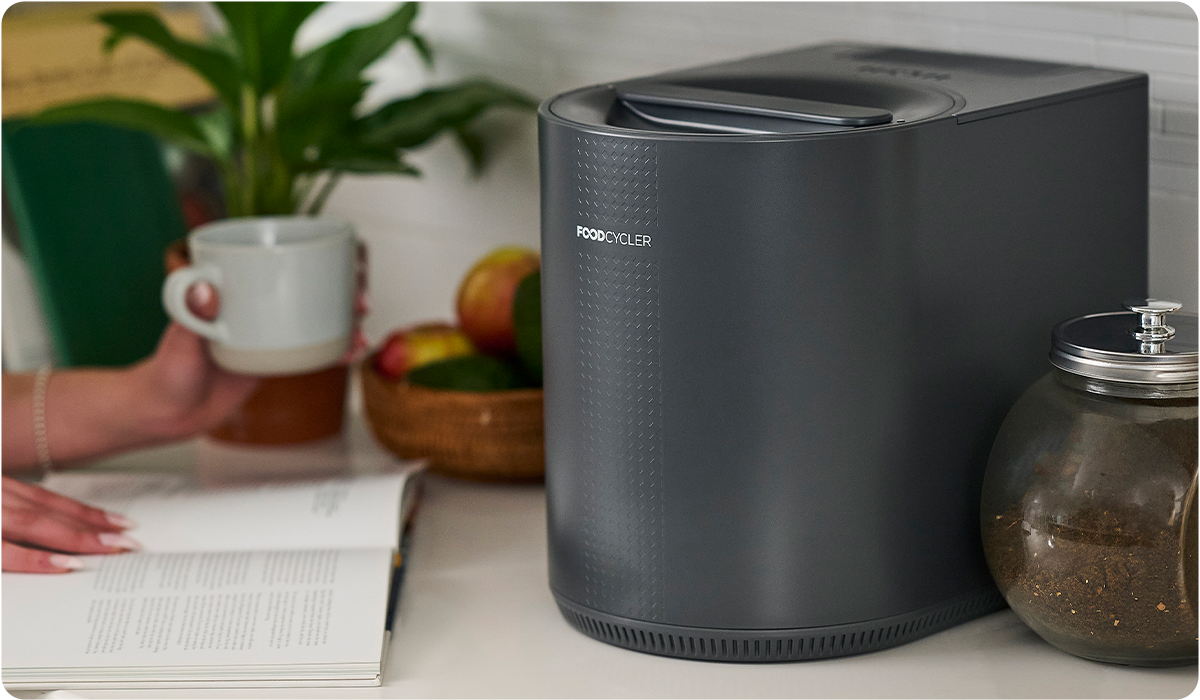
When the dishes are cleared and the fridge is full of leftovers, the FoodCycler steps in to finish the job sustainably.
The Sustainable Secret of the FoodCycler
The FoodCycler is a compact, whisper-quiet appliance that reduces food waste volume by up to 90%. It breaks down food scraps — from vegetable peels to chicken bones — into a dry, lightweightby-product that can be used as a garden soil amendment or safely discarded.
Beyond its impact on waste diversion, it’s the perfect sustainable gift for anyone who loves tech, cooking, or sustainability. Instead of tossing scraps that create methane in landfills, users can close the loop in their own kitchens.

Smart Meal Planning for a Waste-Free Holiday
One of the easiest ways to prevent waste is to plan with purpose. Before you start shopping, think through how many guests you’re hosting, what dishes truly get eaten, and which items can be reused or repurposed.
Tips for smarter meal planning:
-
Write a realistic shopping list — and stick to it.
-
Shop your fridge and pantry first to avoid duplicates.
-
Store ingredients properly to extend shelf life.
-
Prep versatile dishes that can be remixed after the holidays.
-
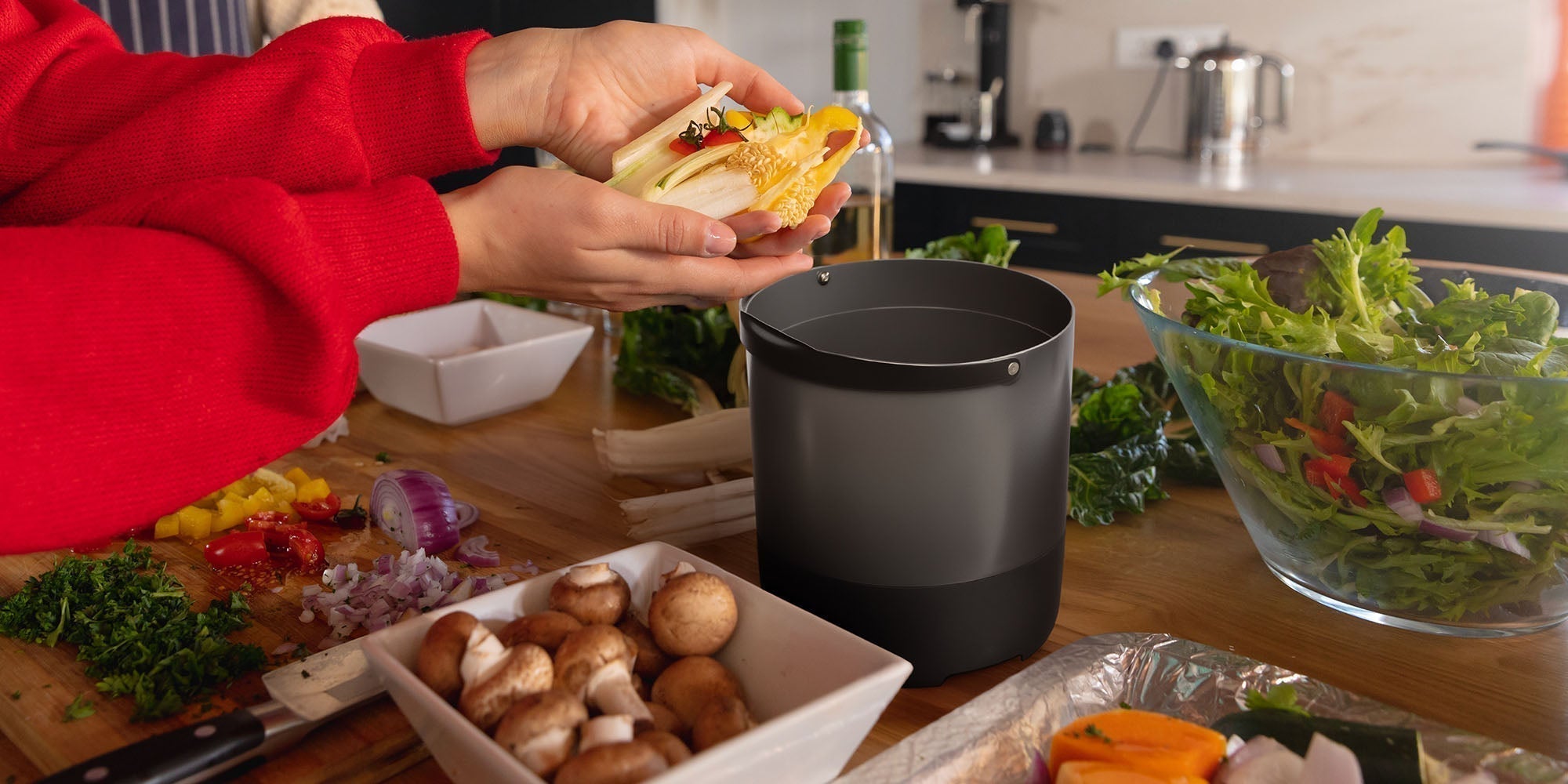
Use the FoodCycler for peels, bones, or scraps that can’t be reused.
Even a small amount of planning can make a huge difference in your waste output — and your grocery budget.
Leftovers, But Better: Creative Remix Ideas
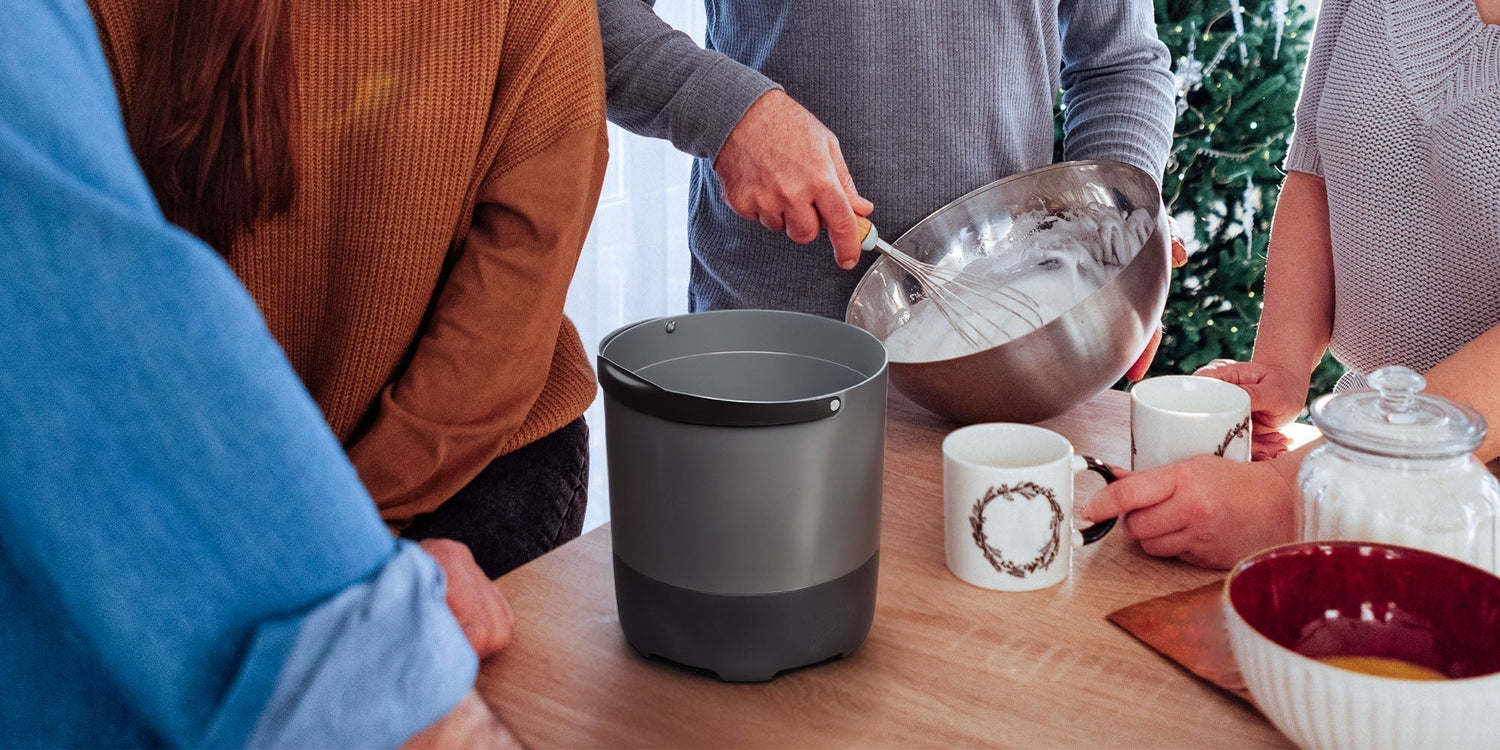
Instead of reheating the same plate three days in a row, think of your leftovers as ingredients for new creations. Try remixing:
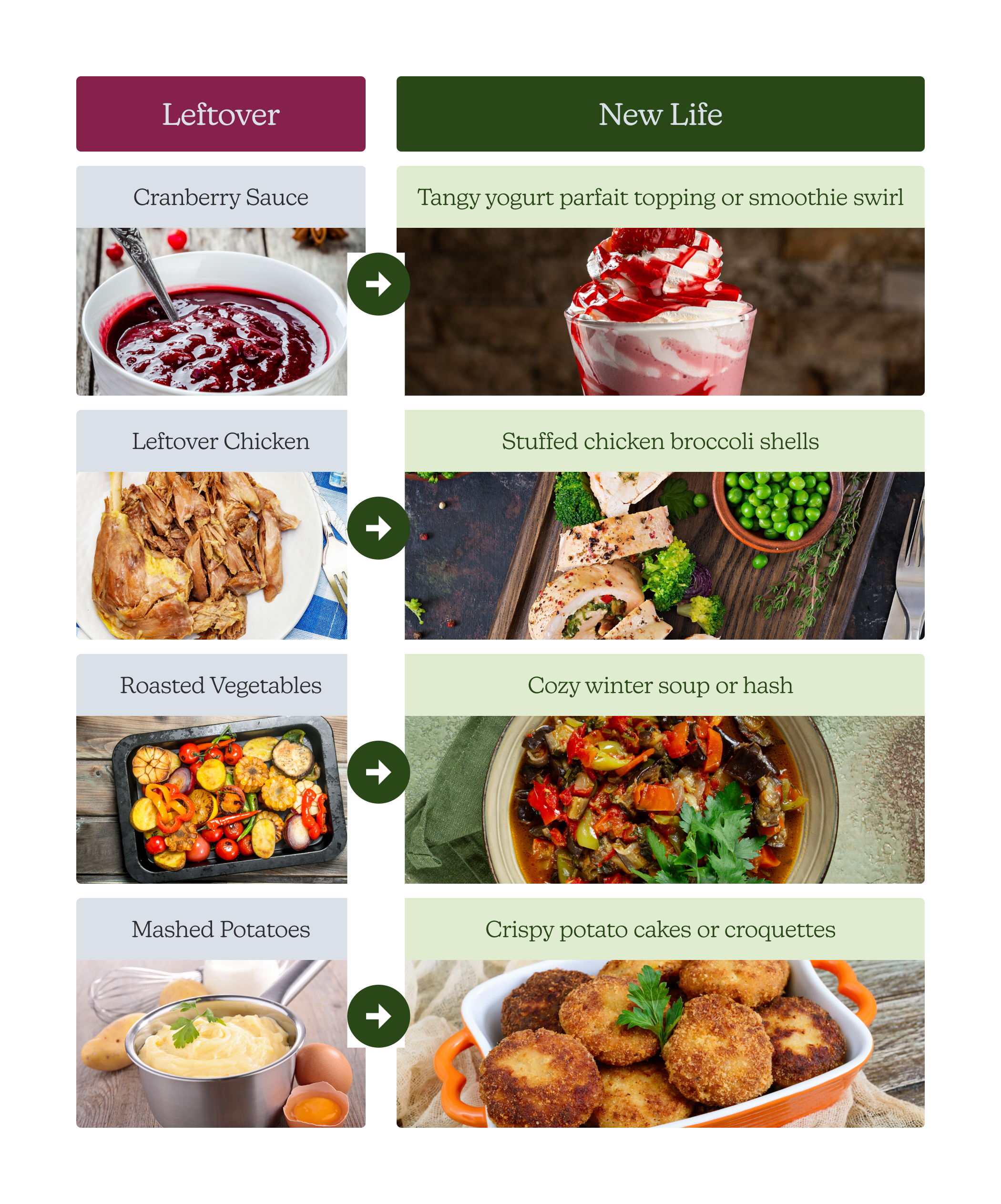
Every remix saves food from the bin and saves you time later in the week.
And when scraps do pile up — bones, peels, or wilted herbs — simply FoodCycle them.
The Bigger Picture: Giving More by Wasting Less
When you shift to mindful gifting and meal planning, you’re not just cutting clutter — you’re making an environmental statement. You’re giving back to the planet and modeling responsible habits for your family.
The FoodCycler helps make that commitment easy and visible every day. It’s a practical, meaningful gift that brings sustainability into the heart of the home — the kitchen.

Gift of Less
This holiday season, celebrate the gift of less: less food waste, less excess, more intention. Whether it’s a thoughtfully chosen gift like the FoodCycler, a smaller meal that leaves no leftovers, or a creative twist on yesterday’s cranberry sauce — every action adds up.
Together, these choices create a holiday that’s lighter on waste but full of meaning — and that’s something truly worth celebrating.