Key Takeaways
-
A few simple swaps in your daily routine can make your home greener - instantly reduce waste and save money.
-
The most noticeable benefits happen at home: fewer garbage bags, lower utility bills, and less spending on single-use products.
-
Sustainable living isn’t about perfection. It’s about small changes that fit naturally into your life.
Making your home greener is easier than you think! Intentional swaps, made with purpose and awareness, can lead to meaningful change. From reducing waste to conserving energy, these choices shape a more balanced way of living.
In this guide, you’ll find five practical lifestyle swaps that help you save money, lower your footprint, and create a healthier, more mindful life.
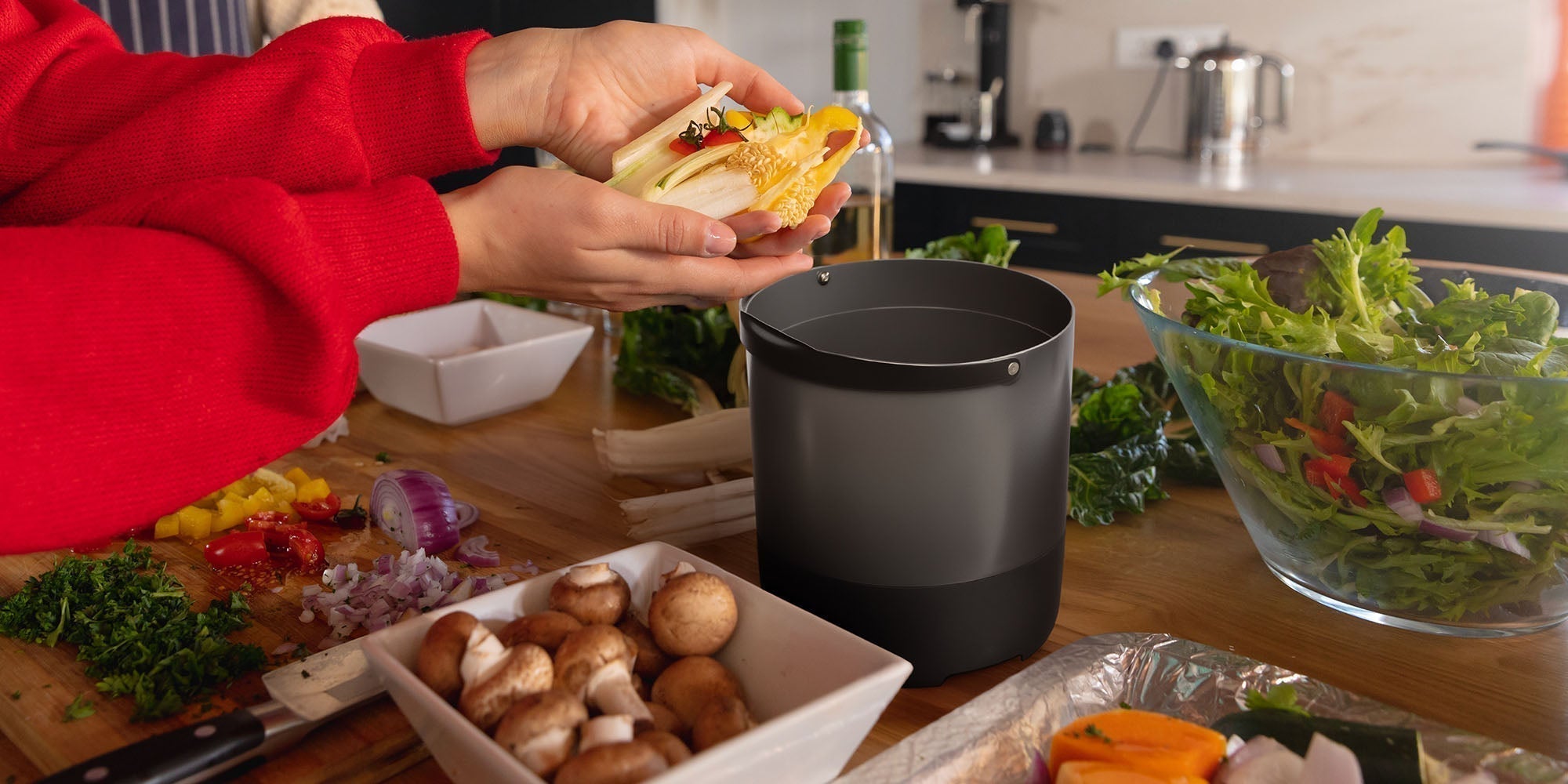
1. Swap From Tossing Food Scraps In the Bin and Use a FoodCycler
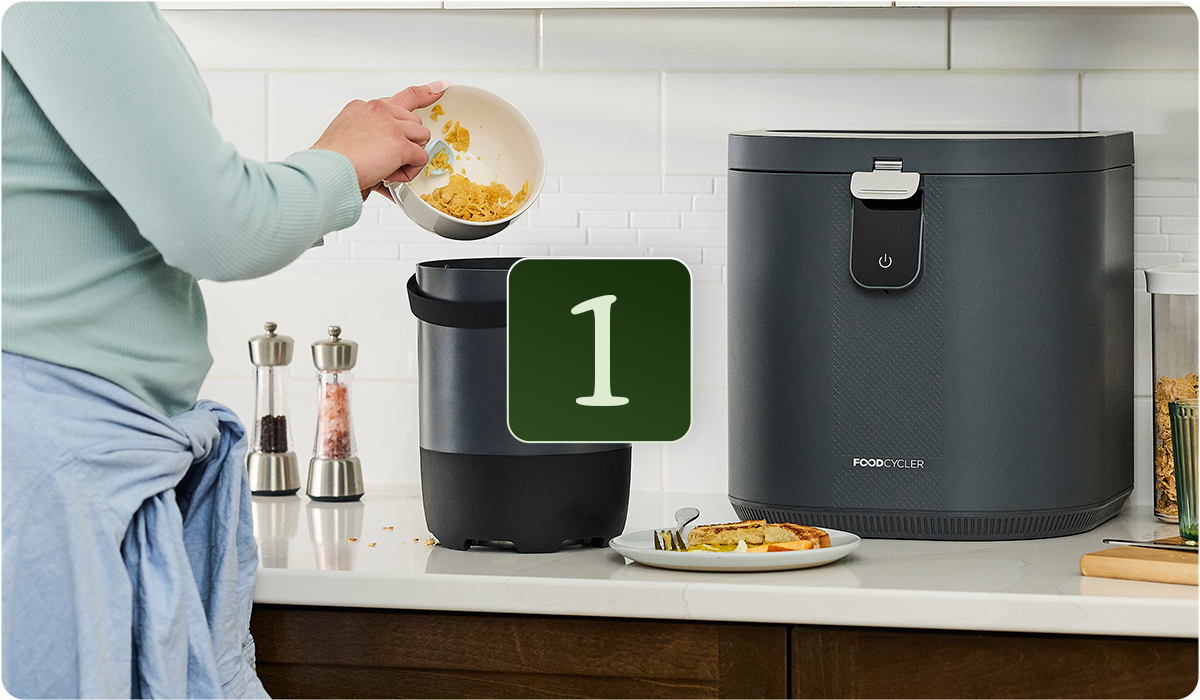
We all love food, for nutrition, comfort, flavour... But cooking often comes with scraps and leftovers that don’t make it to the plate. Sometimes it’s more than we intended, and it still has to be dealt with. Most of the time, everything goes straight into the trash.
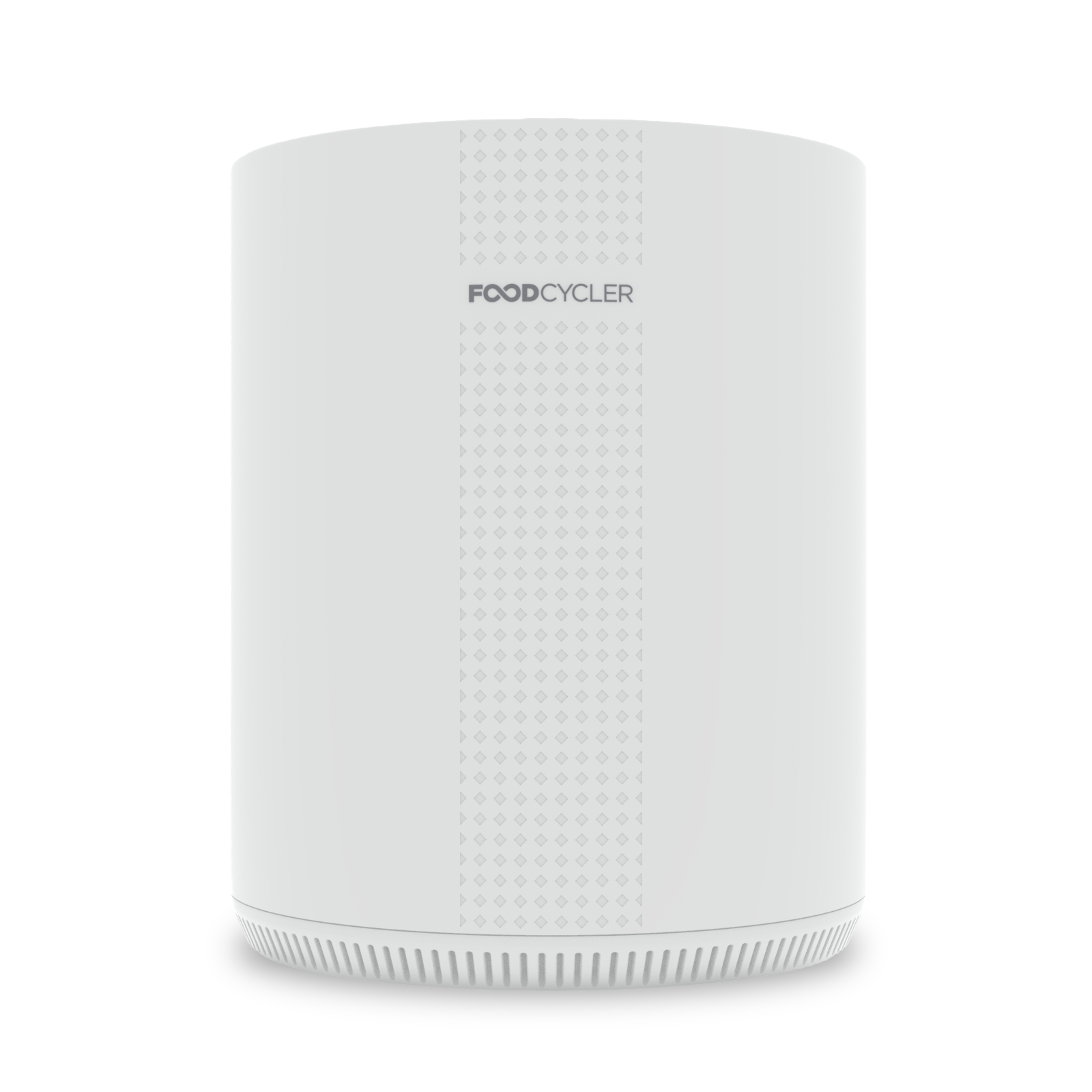
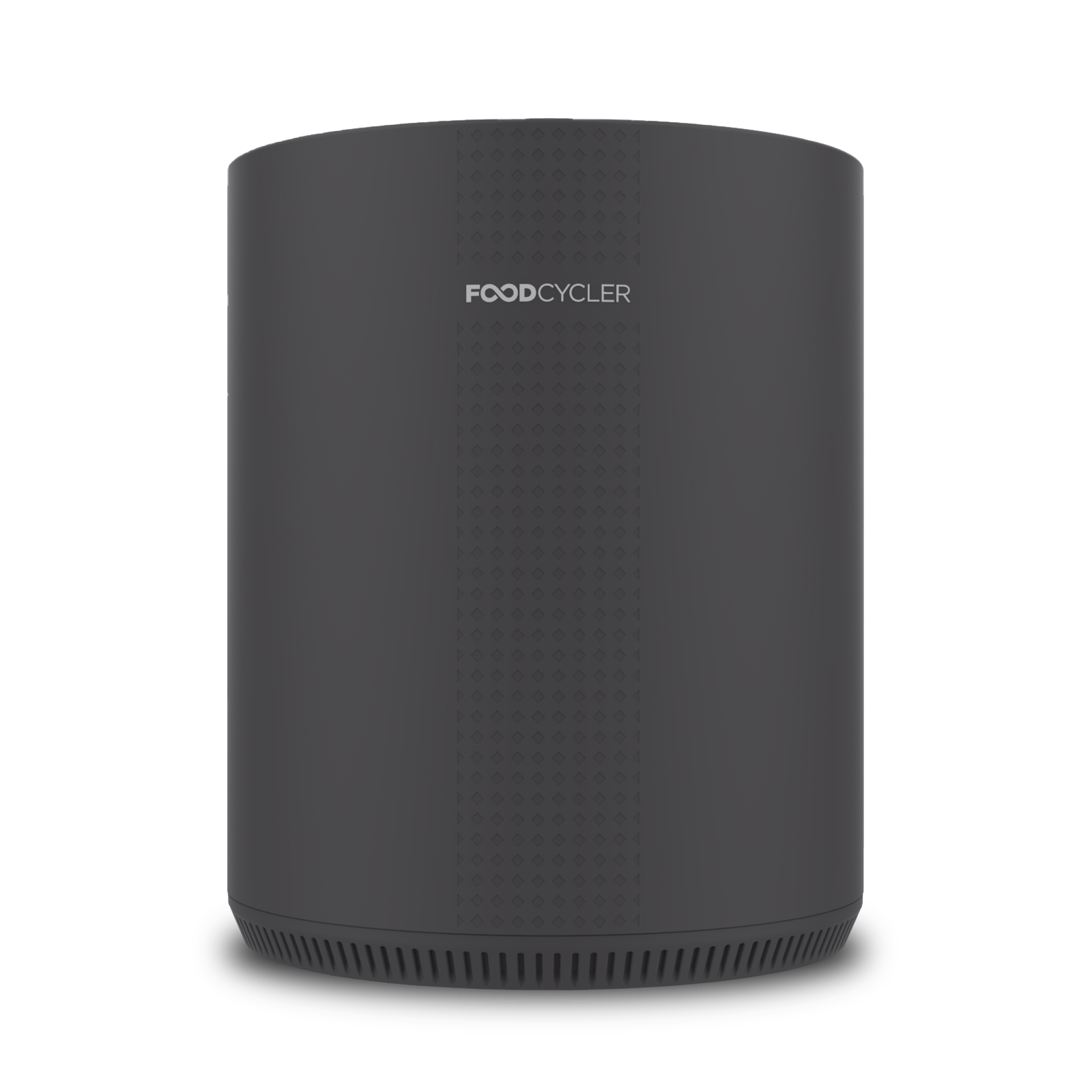
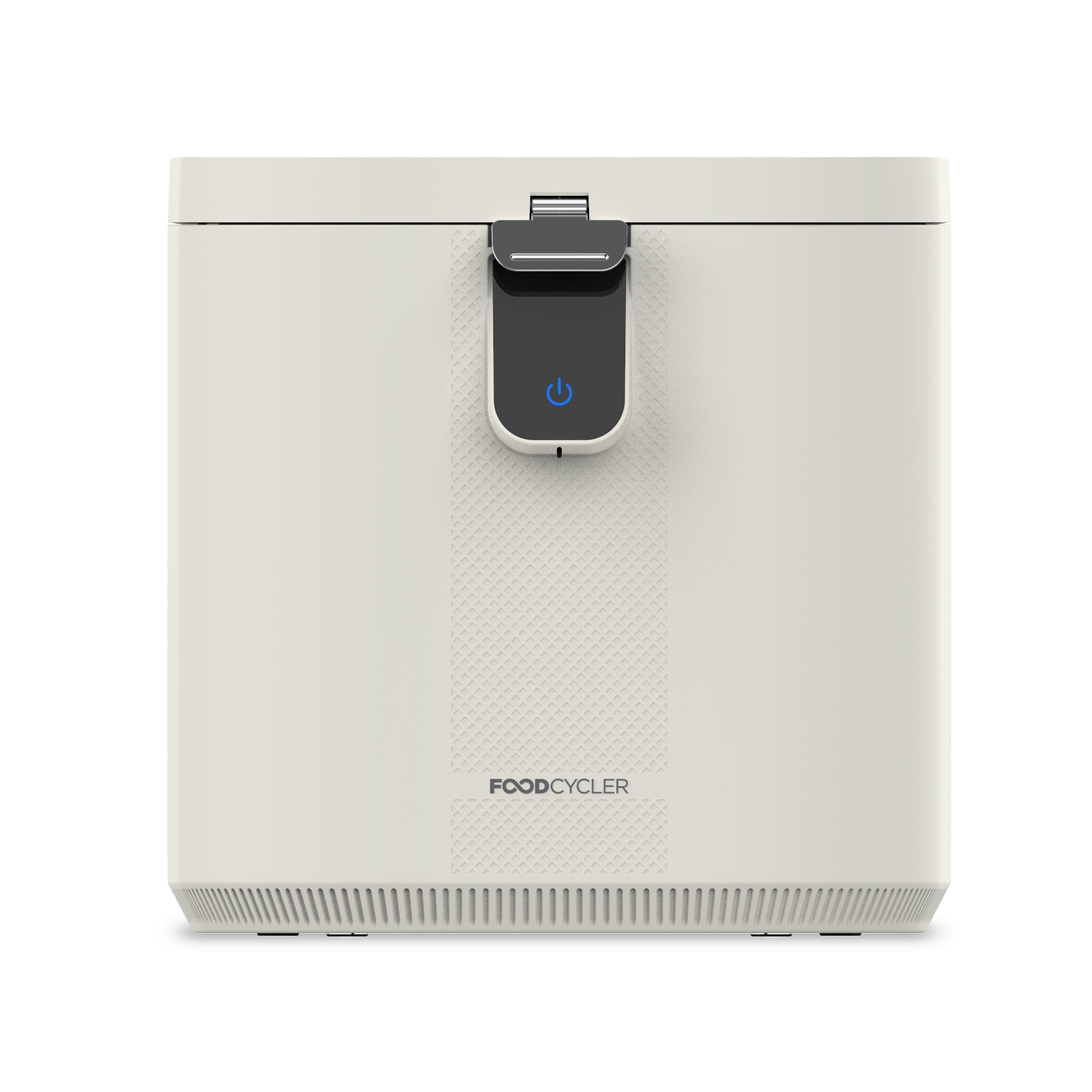
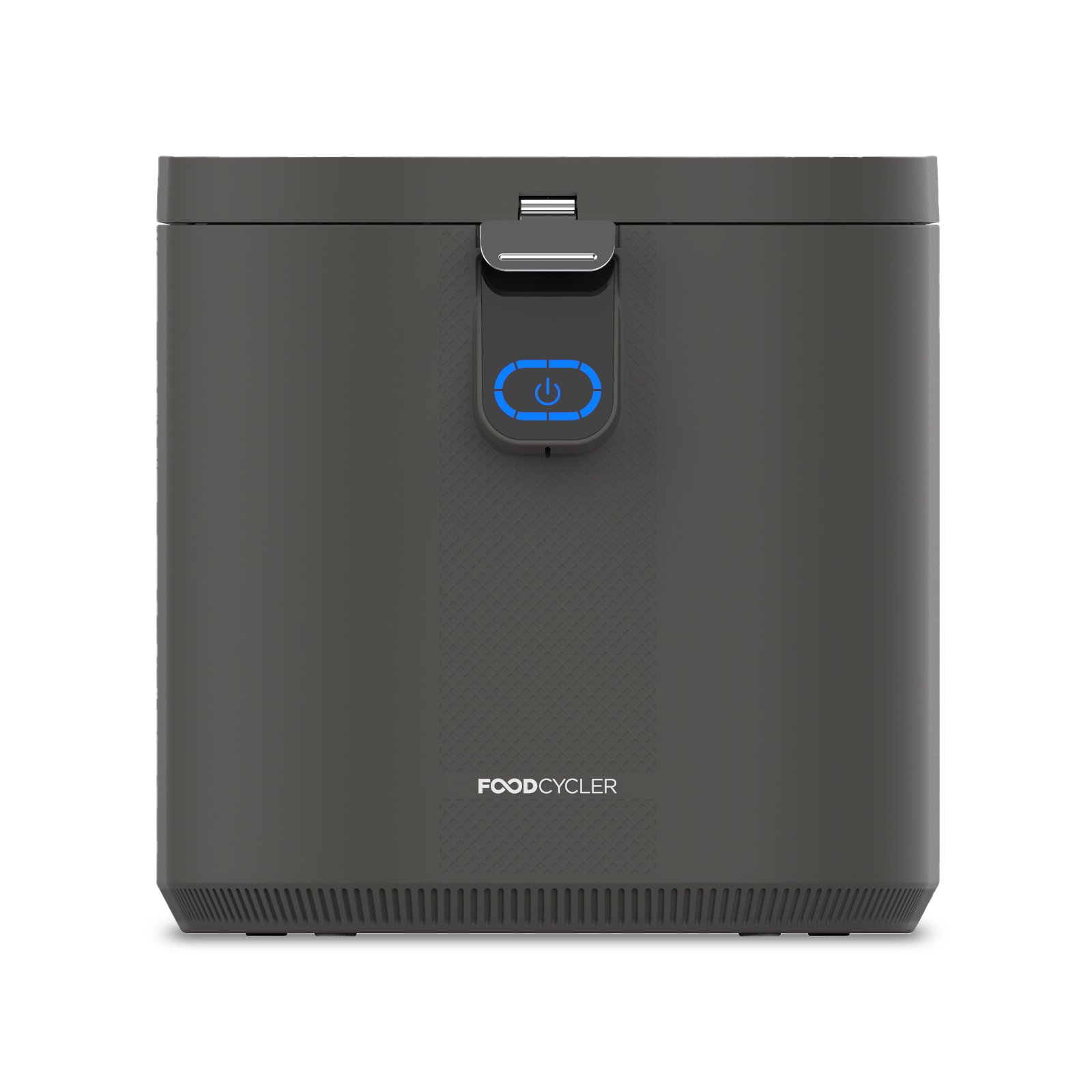
A simple home-friendly green swap is using an indoor food waste recycler like the FoodCycler. Instead of filling your trash with smelly scraps, a FoodCycler turns them into a dry, soil amendment in just a few hours.
Food waste is a huge issue: in 2019, 66 million tons of food waste was generated, and about 60% went to landfills¹. Once there, food releases methane, which is 25X more potent than carbon dioxide².
Using a FoodCycler can reduce food waste by up to 90%, which means fewer trash bags, less odor, and fewer trips to the dumpster. Even if you don’t garden, you can always gift the finished product to a neighbor or local community garden.
2. Switch from Gas to Electric Vehicles
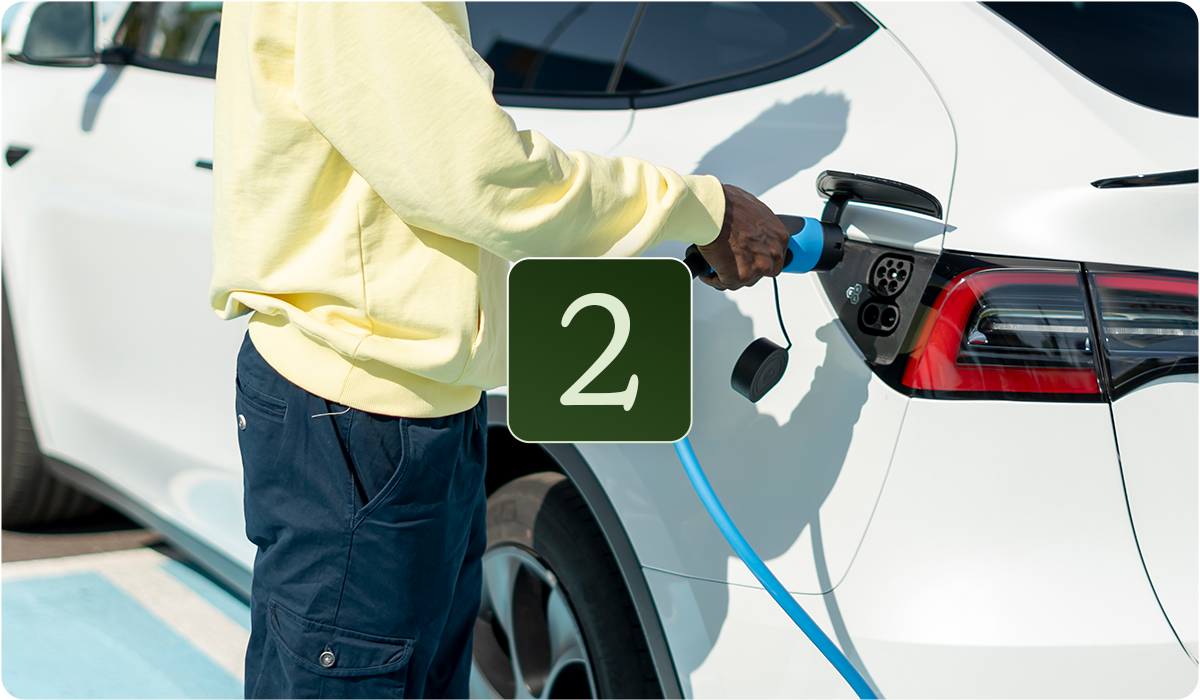
Driving and transportation is a huge part of our lives, but filling up the gas tank hits both your wallet and the environment!
Transportation accounts for 28% of U.S. greenhouse gas emissions³, and gas-powered vehicles release carbon dioxide every time they run. Swapping to an electric vehicle (EV) eliminates tailpipe emissions entirely.
Charging an EV on North American electrical grids can cut lifecycle emissions by up to 61%⁴, and electricity is typically cheaper per mile than gasoline. With many EV models now offering 400 km+ per charge and improving battery tech⁵, the swap is becoming easier every year.
3. Swap Disposable Paper for Reusable Cloth
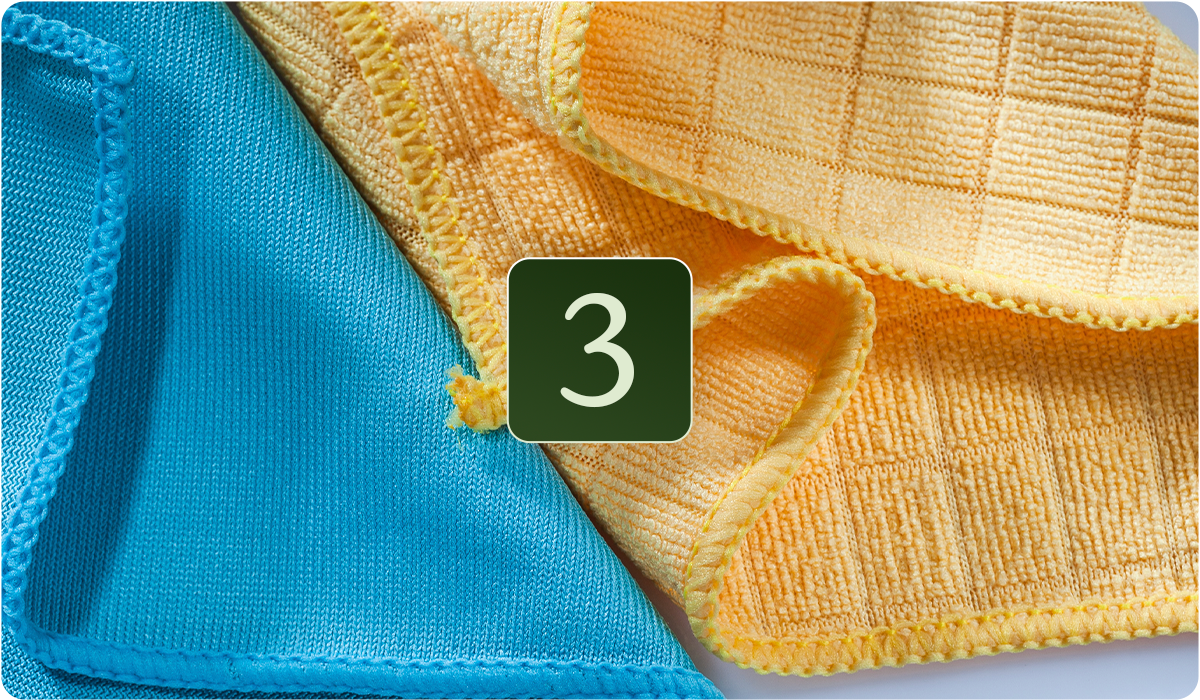
Paper towels, napkins, and wipes get used up quick around the house, especially in a hustling and busy family. However, producing just one ton of paper towels takes 17 trees and 75,000 liters of water⁶, and most of it is used once and thrown away.
Switching to reusable cloth is an easy, budget-friendly upgrade. Cloth napkins, dishcloths, and microfiber cleaning cloths significantly cut down on disposable use. Even reducing paper towel usage by half can save dozens of rolls each year.
Other simple swaps include:
-
cotton rounds instead of makeup wipes
-
beeswax wraps in place of plastic wrap
-
refillable cleaning sprays using concentrated tablets
These changes reduce waste and save money without sacrificing convenience.
4. Buy in Bulk or Use Refill Stations
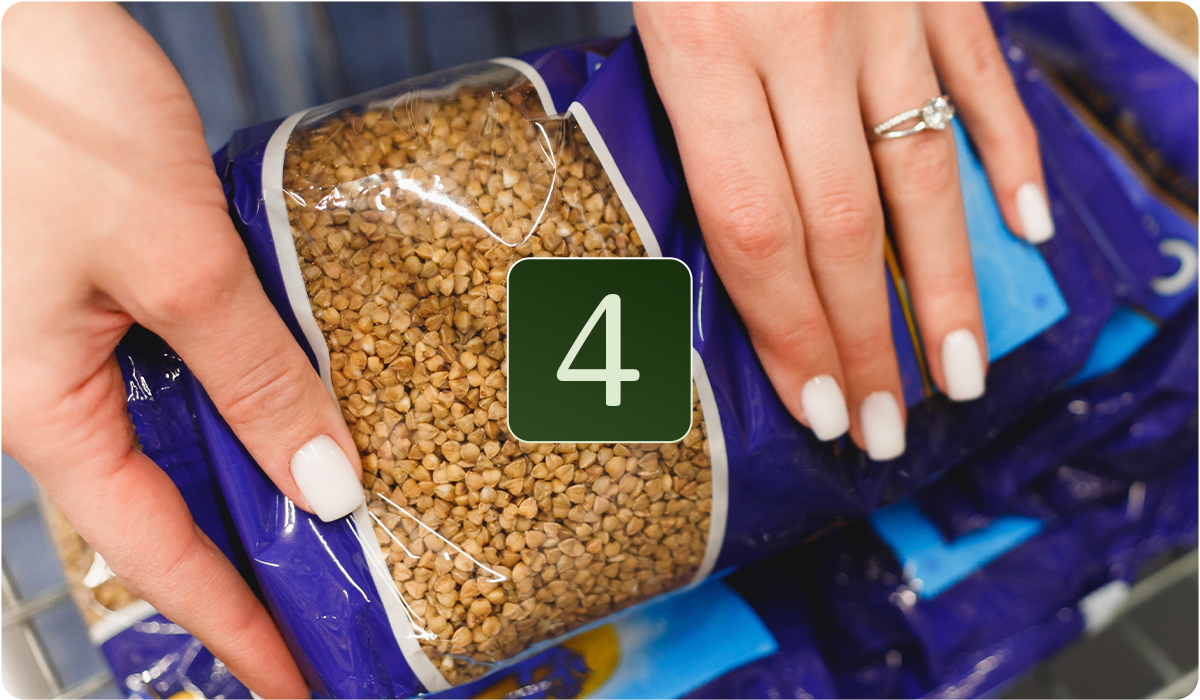
Packaging waste adds up very quickly, with things such as detergent bottles, shampoo containers, snack bags, and pantry packaging. Less than 10% of plastic in North America gets recycled⁷, and most ends up in landfills or the ocean.
A useful swap is shopping in bulk or using refill stations. Many stores now offer refill options for detergent, hand soap, shampoo, and pantry staples. Bringing your own containers cuts single-use plastic dramatically.
Municipal solid waste accounts for 12.2% of plastic generation⁸, so even small choices help. If you do buy plastic, choose types that are commonly recyclable like #1 PET and #2 HDPE⁹, and avoid mixed or black plastics that facilities cannot process.
5. Upgrade to Energy-Efficient Lighting and Appliances
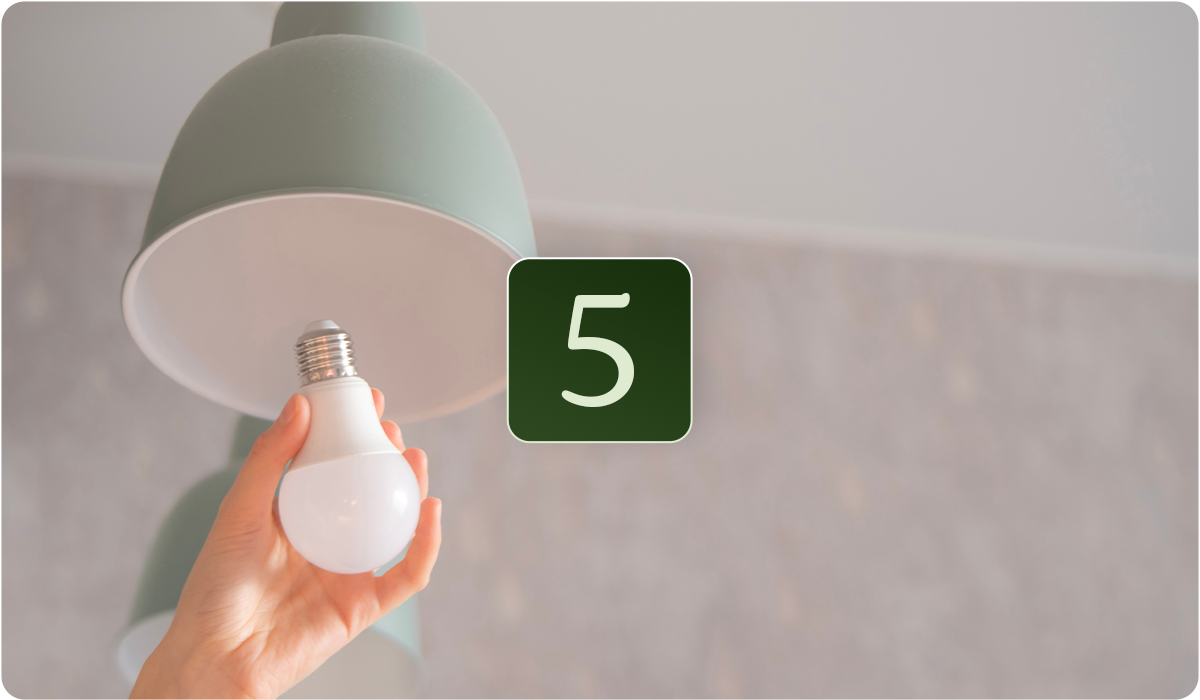
Household energy use adds up, and lighting alone makes up 15% of electricity consumption. Swapping old bulbs for LEDs can reduce energy use by up to 90%, and LEDs last 25 times longer than incandescent bulbs¹⁰.
Upgrading older appliances is another smart swap. ENERGY STAR certified washers, for example, use 25% less energyand 33% less water than standard models¹¹. These changes lower your electricity and water bills without altering your routine.
Final Thoughts
Greening your home doesn’t require a lifestyle overhaul. Simple swaps, such as using a FoodCycler instead of tossing scraps, choosing an EV instead of a gas vehicle, replacing paper towels with cloth, refilling products instead of buying new plastic, or upgrading bulbs and appliances, will make your home cleaner, cheaper to run, and easier to maintain.
Start with one swap today. Once you see the benefits, the rest naturally follow. Sustainable living feels much more doable when it starts right at home.
References
²https://www.epa.gov/ghgemissions/overview-greenhouse-gases
³https://www.epa.gov/greenvehicles/fast-facts-transportation-greenhouse-gas-emissions
⁴https://climate.mit.edu/ask-mit/are-electric-vehicles-definitely-better-climate-gas-powered-cars