
Key Takeaways
-
A beautiful kitchen still has to deal with garbage, recycling, food scraps and countertop clutter.
-
Smart storage can hide the bins, but dealing with food scraps separately can help reduce what ends up sitting in them.
-
The best kitchen organization ideas solve everyday annoyances, not just visual clutter.
-
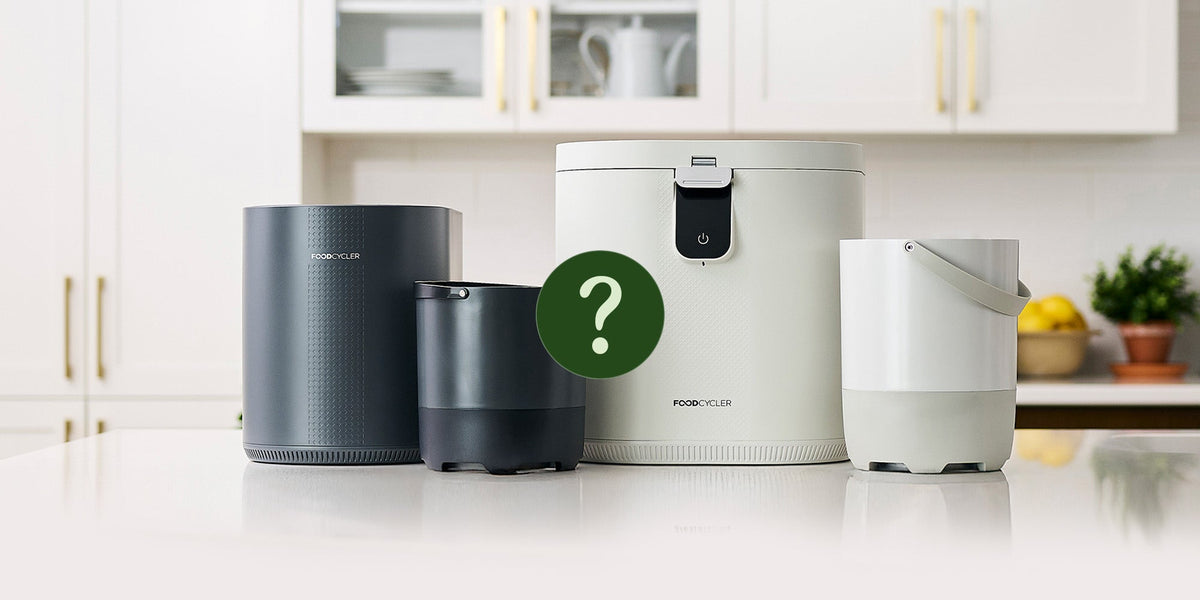
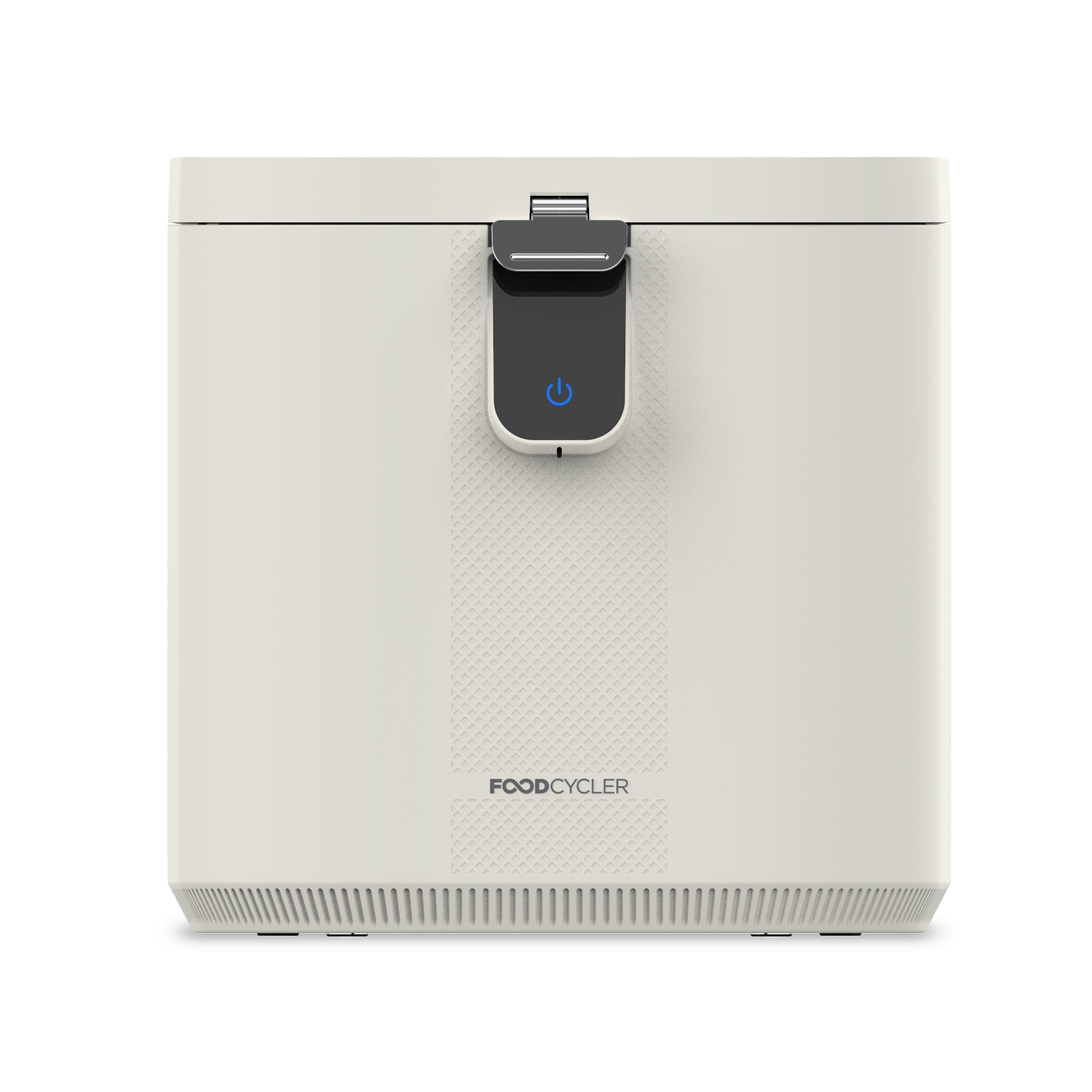
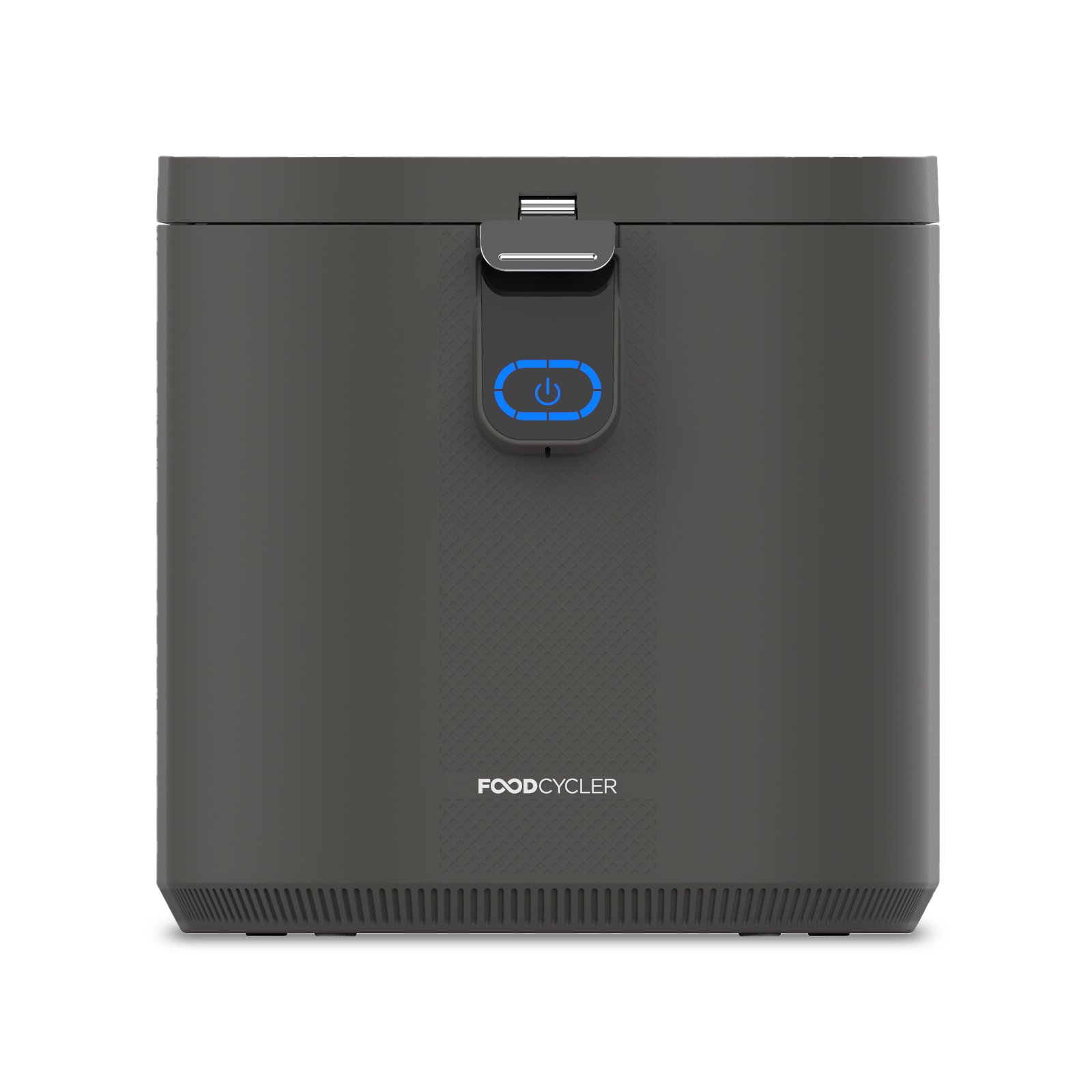
FoodCycler Eco 5 reduces food waste volume by up to 90%, helping households manage scraps before they become part of the garbage pile-up.
There Are Two Versions of Every Kitchen.
There's the one in the photo: spotless countertops, perfectly placed bowl of lemons, not a coffee mug or school lunch container in sight.
And then there's the kitchen at 6:17 p.m.
Someone's cooking. Someone else wants a snack. There's a cutting board covered in vegetable peelings, something questionable has been discovered at the back of the fridge, and somehow every available inch of counter space has disappeared.
That's the kitchen we're interested in.
Because a well-designed kitchen isn't just one that looks good when nobody is using it.
It's one that makes the messy parts of everyday life easier to deal with.
And waste is a very good place to start.
How Do You Hide Garbage in a Modern Kitchen?

The obvious answer: put it in a cupboard.
Pull-out garbage and recycling drawers are one of those wonderfully simple ideas that immediately make a kitchen feel calmer. The bins disappear, they're usually conveniently located near the sink or prep area, and nobody has to look at them.
Until you open the cupboard.
Because hiding garbage and having less garbage to hide are two different things.
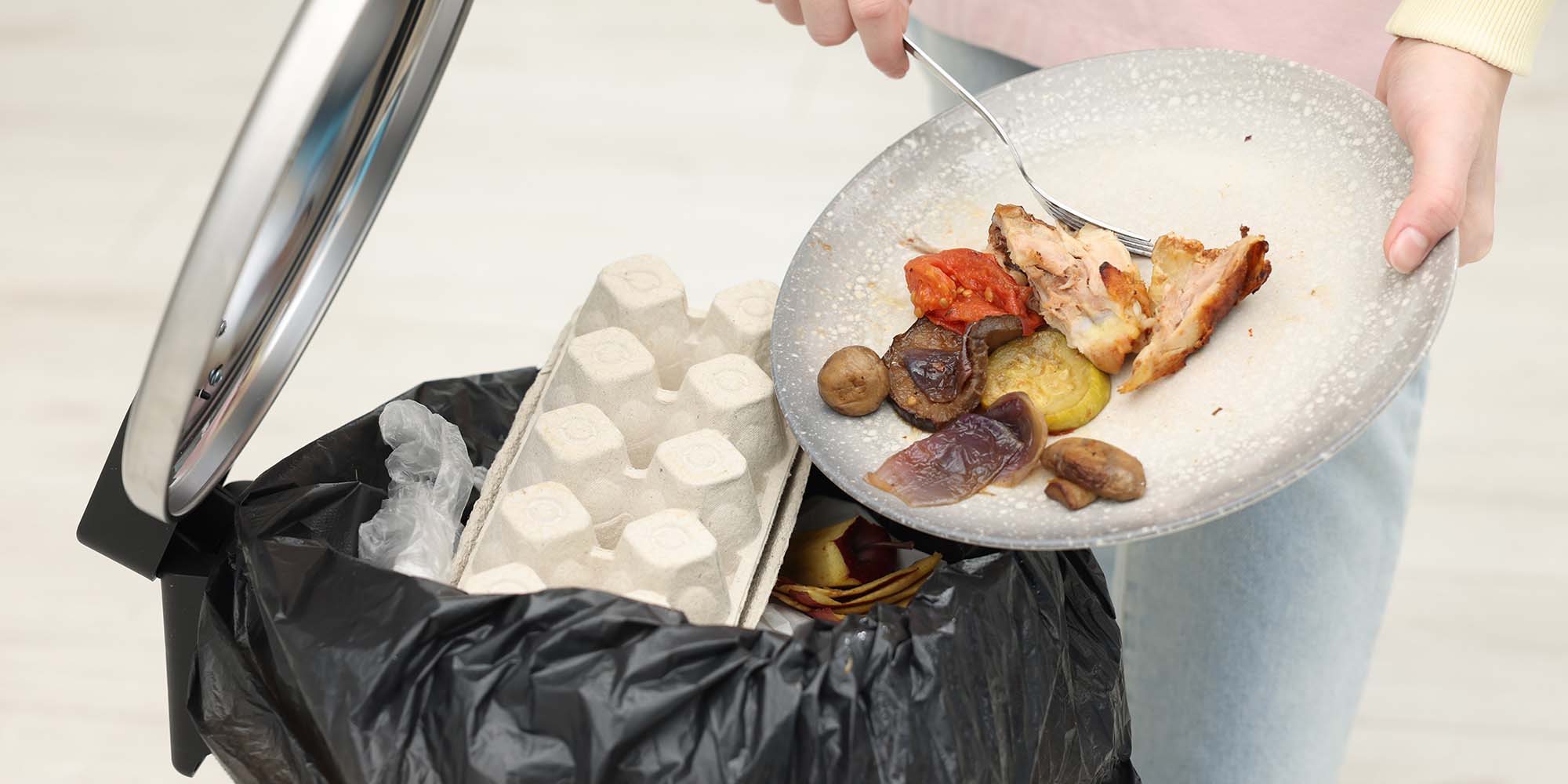
Food waste is particularly tricky. Unlike an empty cereal box or rinsed can, the remnants of Tuesday's dinner don't necessarily improve while sitting in a warm cupboard waiting for garbage day.
So while we're getting clever about where the bin lives, there's another question worth asking:
What if fewer food scraps went into it in the first place?
The Best Kitchen Organization Solves Annoying Problems

Kitchen organization has become remarkably photogenic.
Matching containers. Beautifully labelled jars. Colour-coordinated pantries.
But the really useful systems tend to solve much less glamorous problems.
Where does the recycling go before it takes over the counter? Where does the enormous appliance you use twice a year live? And what do you do with the coffee grounds, banana peels, onion skins and leftovers nobody is going to eat?
Those are the little things that determine whether a kitchen actually feels organized.
A pull-out cabinet solves the visible garbage bin. An appliance cupboard gives the occasional-use appliances somewhere to go. And separating food waste can help keep wet, messy scraps out of the regular garbage.
Not particularly glamorous.
Very useful.
What Can You Do With Food Scraps Instead of Putting Them in the Garbage?

There isn't one answer that works for every home.
If you have municipal food waste collection, a green bin may already be part of your routine. If you have the outdoor space and inclination, backyard composting can be another option.
An electric food waste recycler is an indoor appliance specifically designed for homes and offers another approach.
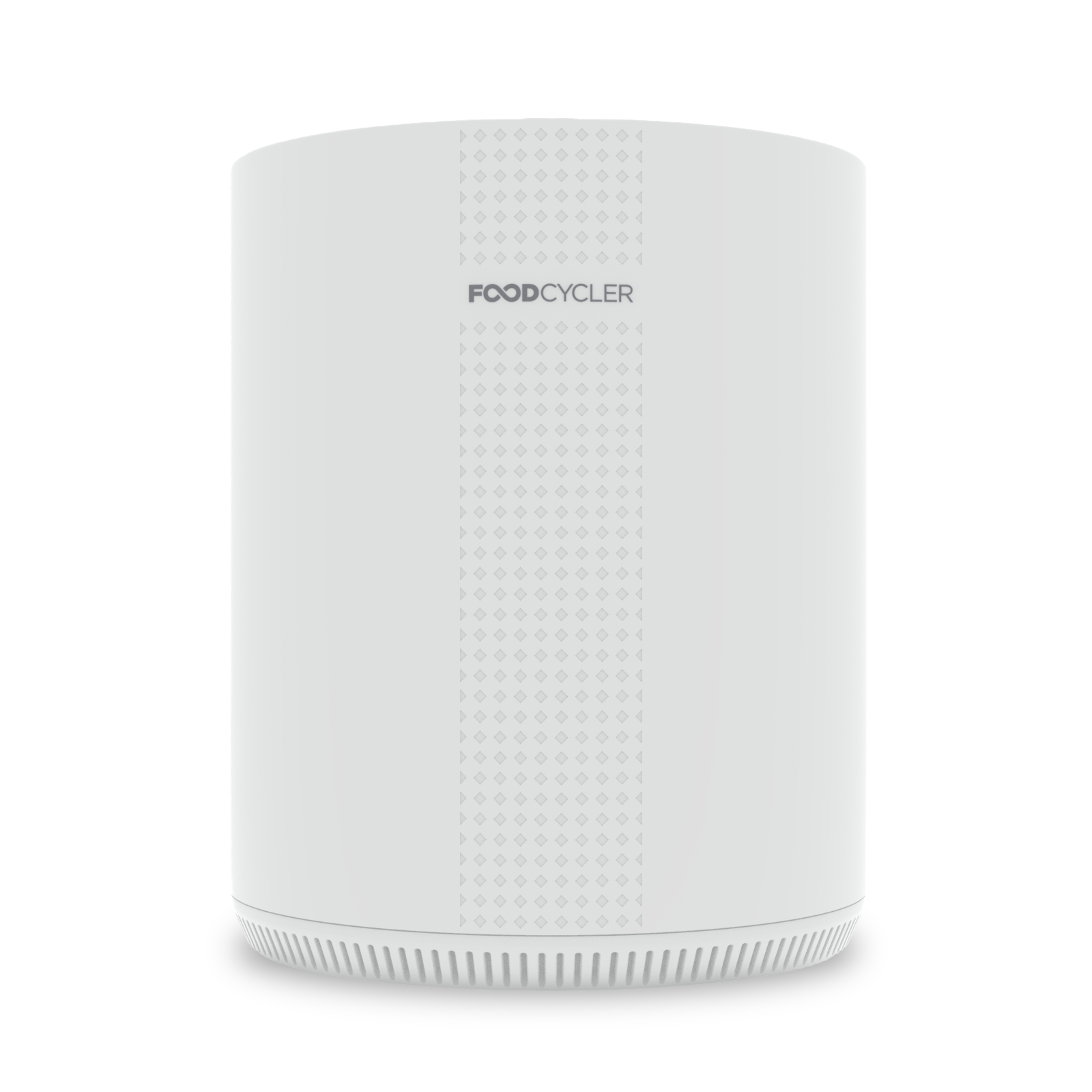
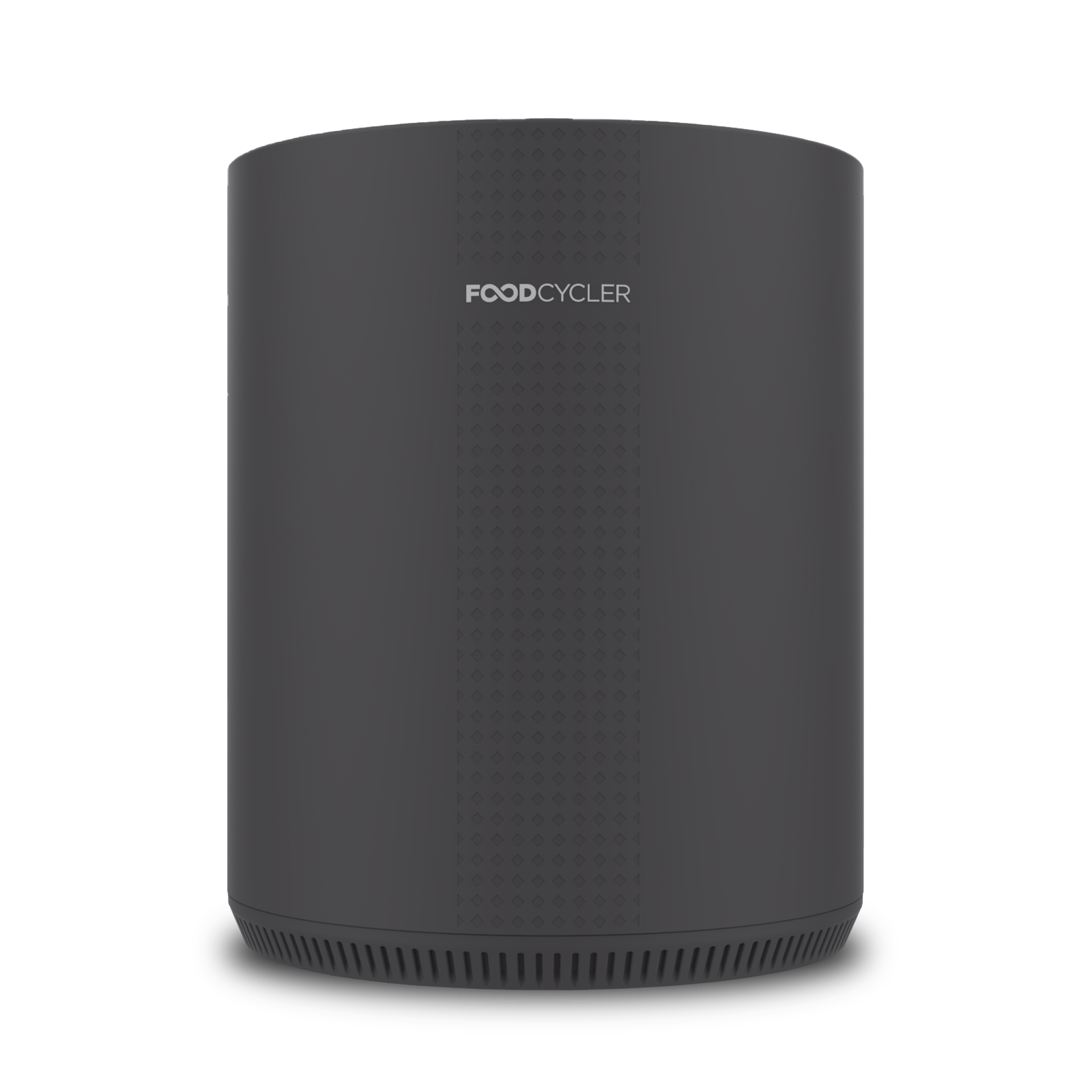
FoodCycler Eco 5 uses drying and grinding to transform food waste into a dry by-product, reducing its volume by up to 90%.
In practical terms, that's less wet food waste sitting in the garbage waiting for collection day - and considerably less volume to deal with.
For households that cook regularly, that can make the daily kitchen reset a little easier.
Why Does Capacity Matter for Food Waste

“5L bucket capacity” isn't necessarily the most exciting phrase in kitchen design.
Until you've made dinner for four.
The FoodCycler Eco 5's removable 5L bucket gives you room for the scraps that accumulate through normal cooking and eating: vegetable peelings, fruit scraps, coffee grounds, leftovers and many other everyday food scraps.
Keep the bucket accessible while you're preparing food, add scraps as you go and return it to the unit when you're ready to run a cycle.
Then press one button.
No complicated new household routine required.
Does Everything Need to Disappear From the Counter?

No.
A kitchen is a working room.
If you make coffee every morning, the coffee maker probably deserves to live there. If you make toast every day, hiding the toaster behind three doors and a stand mixer isn't sophisticated organization. It's annoying.
A simpler rule is:
If you use it often, make it easy to use.
That may mean keeping an appliance on the counter or giving it an accessible spot in an appliance cupboard. What matters is whether its location works with the way you actually use your kitchen.
The same applies to food waste. If separating scraps is going to become part of the routine, the system needs to be convenient enough that everyone actually uses it.
How Do You Make a Kitchen Look Less Cluttered?

Start with the things that keep appearing.
If recycling is constantly sitting beside the garbage, it probably needs a better home.
If food scraps accumulate beside the cutting board while you're cooking, give them somewhere convenient to go.
If five appliances permanently occupy the counter but you regularly use only two, perhaps three of them don't need to live there.
The goal isn't to make your kitchen look as though nobody lives there.
It's to make putting it back together easier after everybody has.
A Better Kitchen Doesn't Have to Be a Perfect One

Real kitchens have coffee being made, lunches being packed, groceries coming in and dinner being prepared.
There will be mess.
The trick is creating simple systems that make that mess easier to manage: a drawer where you need it, a cupboard that hides the recycling, an accessible home for the appliances you actually use.
And a better way to deal with the food scraps created along the way.
Because perhaps the next evolution in kitchen organization isn't finding more clever ways to hide everyday waste.
It's having less of it to hide.
Frequently Asked Questions
How can I hide garbage in my kitchen?
Pull-out garbage cabinets, integrated waste drawers and under-counter bins are popular ways to keep garbage and recycling out of sight. Separating food scraps from household garbage can also reduce the amount of wet food waste sitting in your main bin.
How can I keep food scraps out of my kitchen garbage?
Depending on your home and local services, options include municipal food waste collection, backyard composting or an electric food waste recycler. FoodCycler processes food scraps using drying and grinding, reducing their volume by up to 90%.
What is an electric food waste recycler?
An electric food waste recycler (also known as a food recycler) is a kitchen appliance that uses drying, grinding and cooling to process food scraps into a dry by-product with significantly less volume than the original food waste.
Is an electric food recycler the same as an electric composter?
Not exactly. The terms are sometimes used interchangeably, but they describe different processes. Traditional composting relies on microorganisms and time to break organic material down into compost. An electric food recycler, like FoodCycler, uses drying, grinding and cooling to rapidly reduce food scraps into a dry by-product with significantly less volume. FoodCycler does not produce finished compost during its processing cycle, but it does product a dry output that can be used in gardening application and compost.

Is FoodCycler Eco 5 good for families?
Eco 5 has a removable 5L bucket, providing more capacity for households that regularly cook and generate food scraps. The right model depends on how much food waste your household typically produces.
Where should I put a FoodCycler in my kitchen?
Follow the product's placement and clearance requirements first. Beyond that, choose somewhere convenient to your normal cooking and cleanup routine so it's easy to make part of an everyday habit. The FoodCycler bucket is portable and designed to be moved so it's close to where you need it, and the appliance can be placed close-by or in another space.