Key Takeaways: What You’ll Learn in This Guide
By the end of this guide, you’ll know how to:
-
Understand why landfilled food scraps create methane
-
Set up a realistic, low-effort food waste recycling system at home
-
Integrate a FoodCycler® into your kitchen as core infrastructure
-
Use Foodilizer™ responsibly to return nutrients to soil
-
Build Earth Month habits that extend year-round
Earth-Friendly Kitchen Habits: How to Close the Food Waste Loop At Home
Earth Month invites reflection — not just on what we care about, but on what we can change today. One of the most impactful shifts we can make at home is often overlooked. It’s how we manage food waste.
Food waste is one of the largest components of municipal solid waste streams across North America. When it ends up in landfill, it decomposes without oxygen — a process called anaerobic decomposition — producing methane, a greenhouse gas significantly more potent than carbon dioxide over a 20-year period (U.S. EPA). (1)
The issue isn’t that food scraps exist. The issue is where they go. Closing the food waste loop at home begins by redesigning that destination.
Want to Make This Actionable Today?
Before we dive deeper, we created something to help you turn this into real action.

It’s a simple, fridge-friendly checklist that walks you through:
-
A quick kitchen assessment
-
A same-day action plan
-
A mini Earth Day reset
-
A few fun sustainability riddles
Hang it on your fridge. Complete it today. Keep the habit tomorrow.
What It Means to Close the Food Waste Loop
To close the food waste loop means keeping nutrients in circulation rather than sending them into a linear waste system.
The traditional model

A closed-loop kitchen
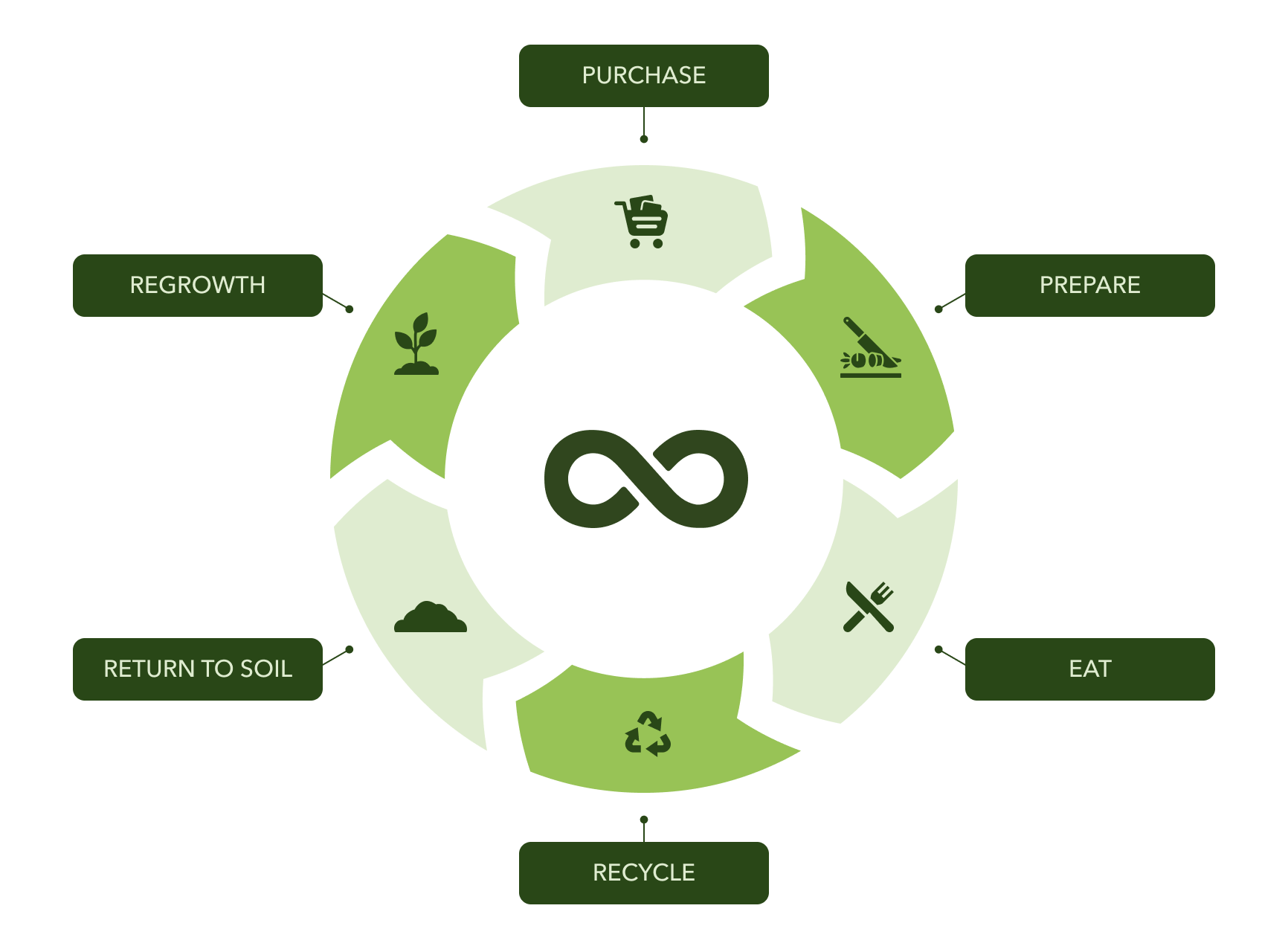
The kitchen becomes circular and closes the food waste loop.
That shift isn’t just symbolic — it’s functional.
Just like fridges help preserve food and dishwashers make cleaning more efficient, food waste recycling technology helps you manage scraps right at home.
Why Landfilled Food Waste Creates a Climate Problem
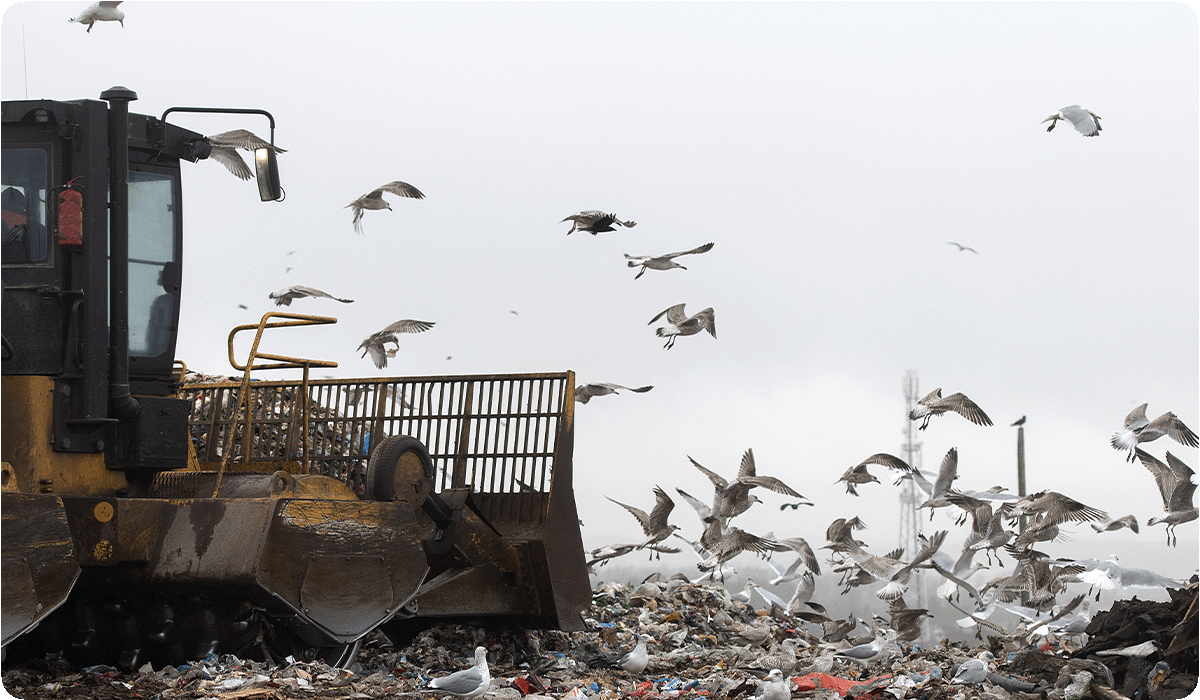
When food scraps are buried in landfill, they are compacted and deprived of oxygen. Under these anaerobic conditions, microorganisms break down organic matter and generate methane (CH₄).
Methane is a short-lived climate pollutant but extremely potent in the near term. According to the U.S. EPA (2), landfilled food waste is a significant contributor to methane emissions within municipal waste systems.
Moisture plays a key role in this process. Wet organic waste decomposes rapidly under anaerobic conditions, accelerating methane generation.
Reducing moisture and stabilizing material before it reaches landfill changes the chemistry of what happens next, and gives an opportunity to use that stabilized material in other ways.
This is where food waste recycling at home becomes meaningful.
Convenience Is What Makes Habits Stick
Sustainable habits don’t stick because of willpower — they stick when they’re easy to follow. Convenience is what turns intention into routine. Think about going to the gym. If your plan only lives in your head, it’s easy to skip. But when you book classes, pack your bag ahead of time, and choose a gym on your route, it becomes much easier to show up. The setup does a lot of the work for you. Or learning a new language. Saying “I should practice” is one thing — but having an app, reminders, and a simple daily routine makes it far more likely to happen.
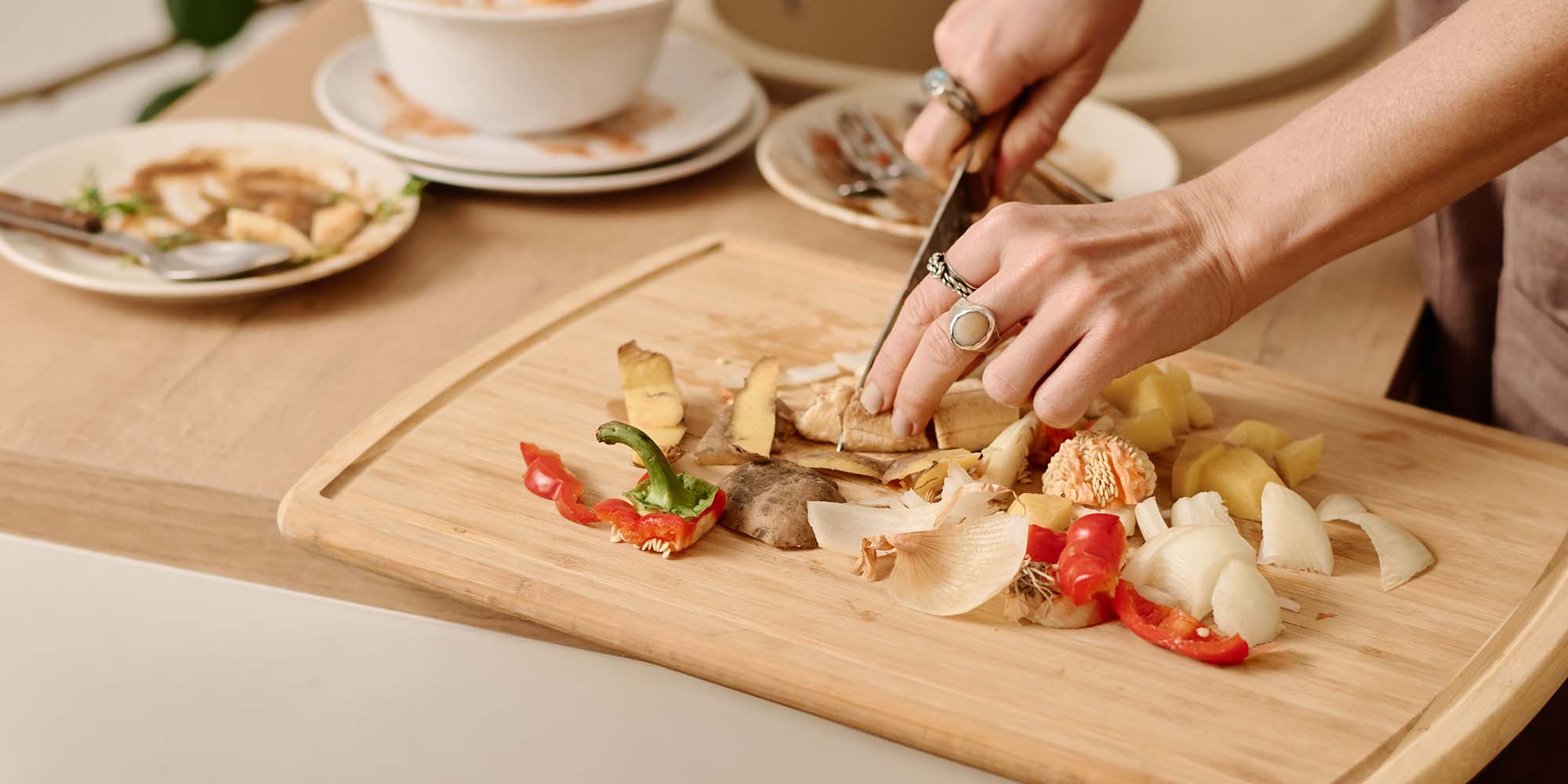
The same idea applies in the kitchen. If managing food scraps means remembering to take them out, dealing with smells, and constantly emptying the bin, it’s easy to fall off. But when the process is simple, clean, and taken care of for you, it becomes part of your routine — not something you have to think about.
We don’t refrigerate food because we’re disciplined. We refrigerate it because the fridge exists.
The same logic applies to recycling food waste.
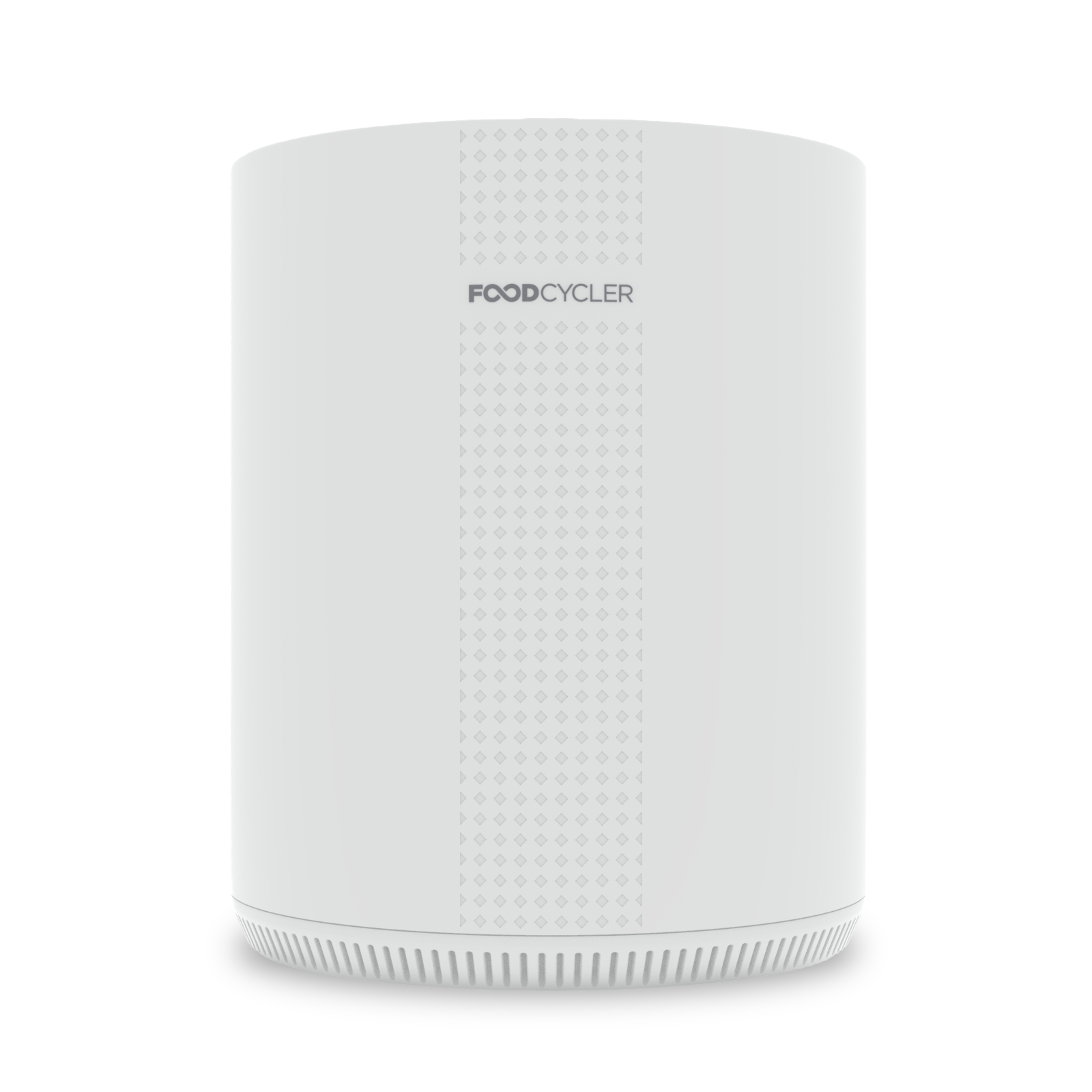
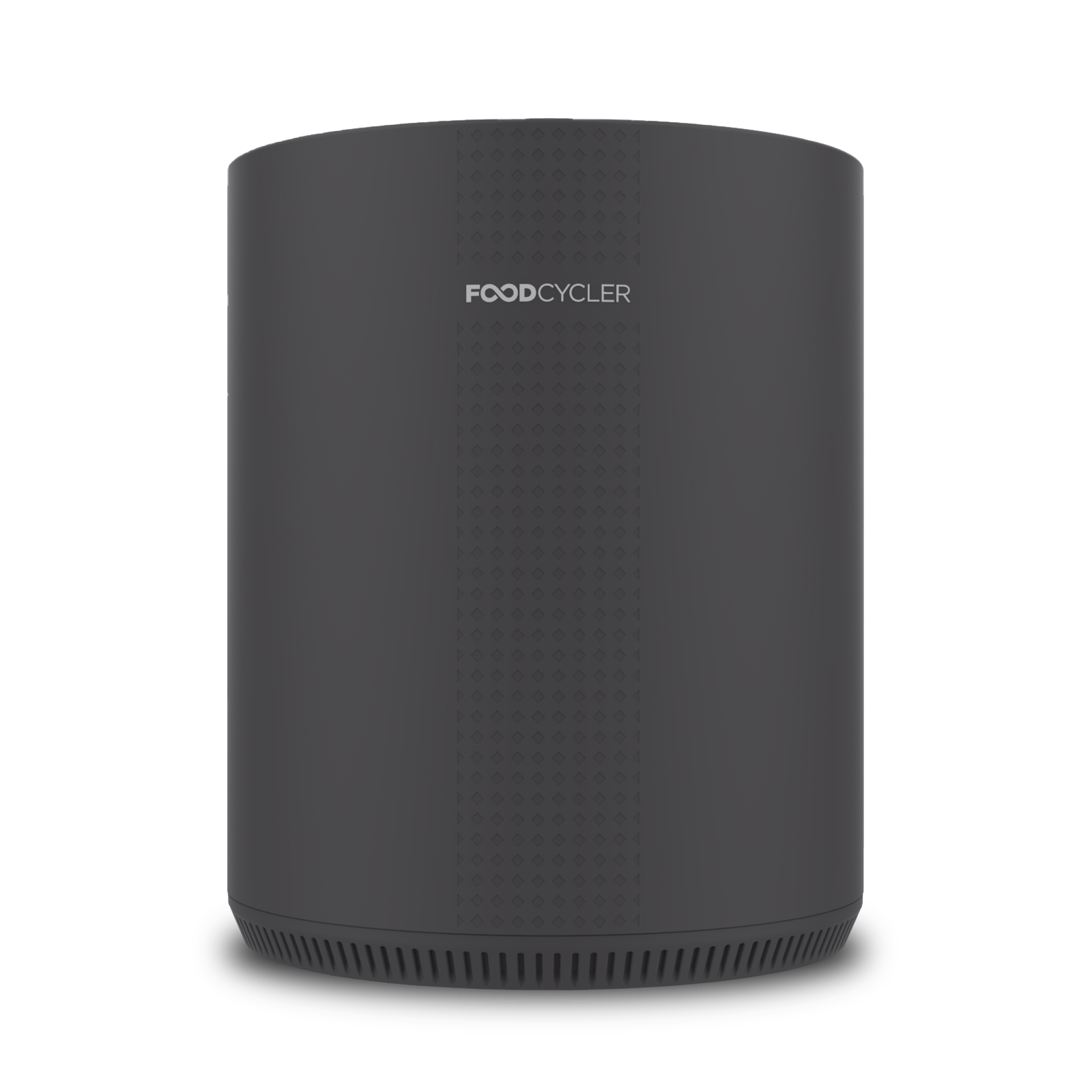
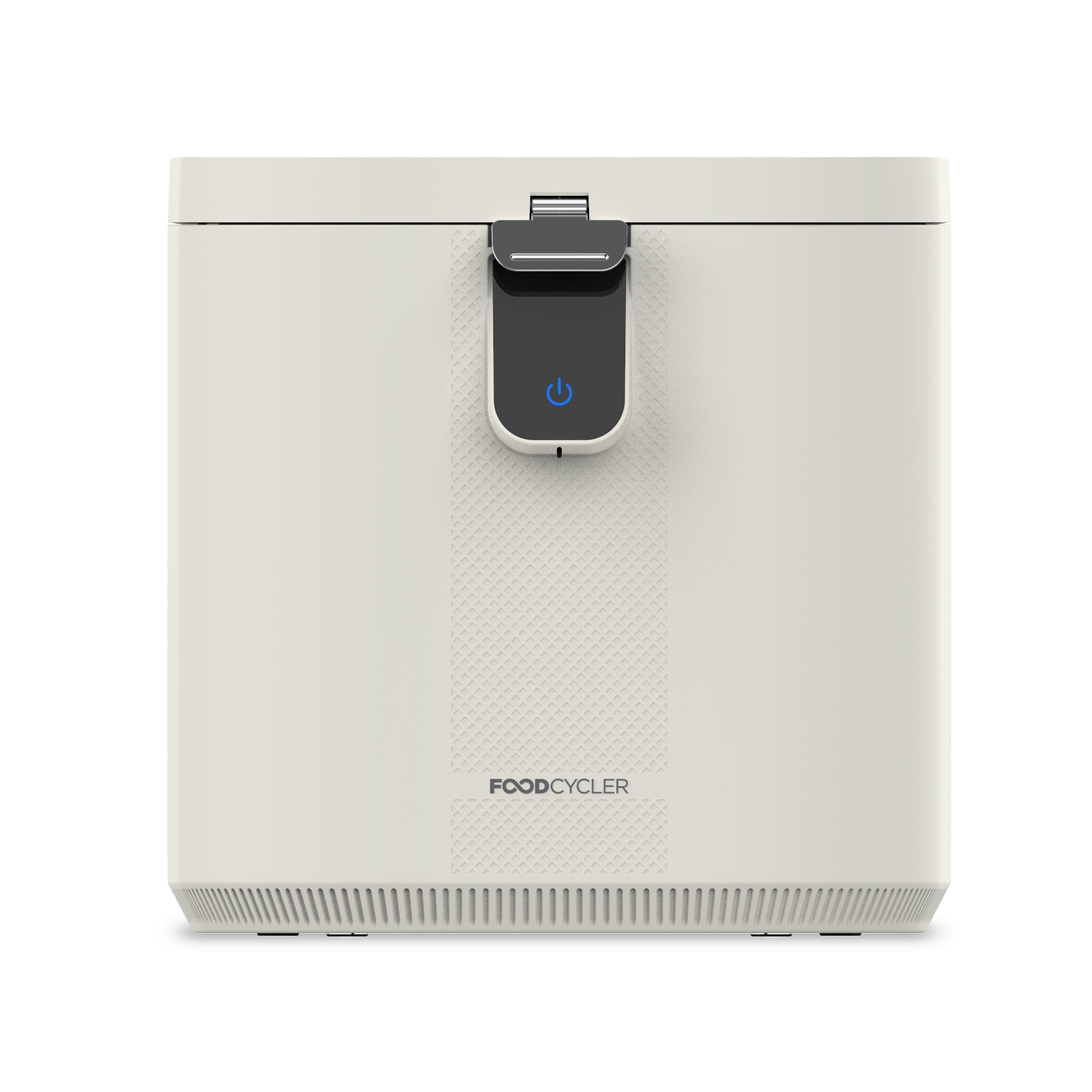
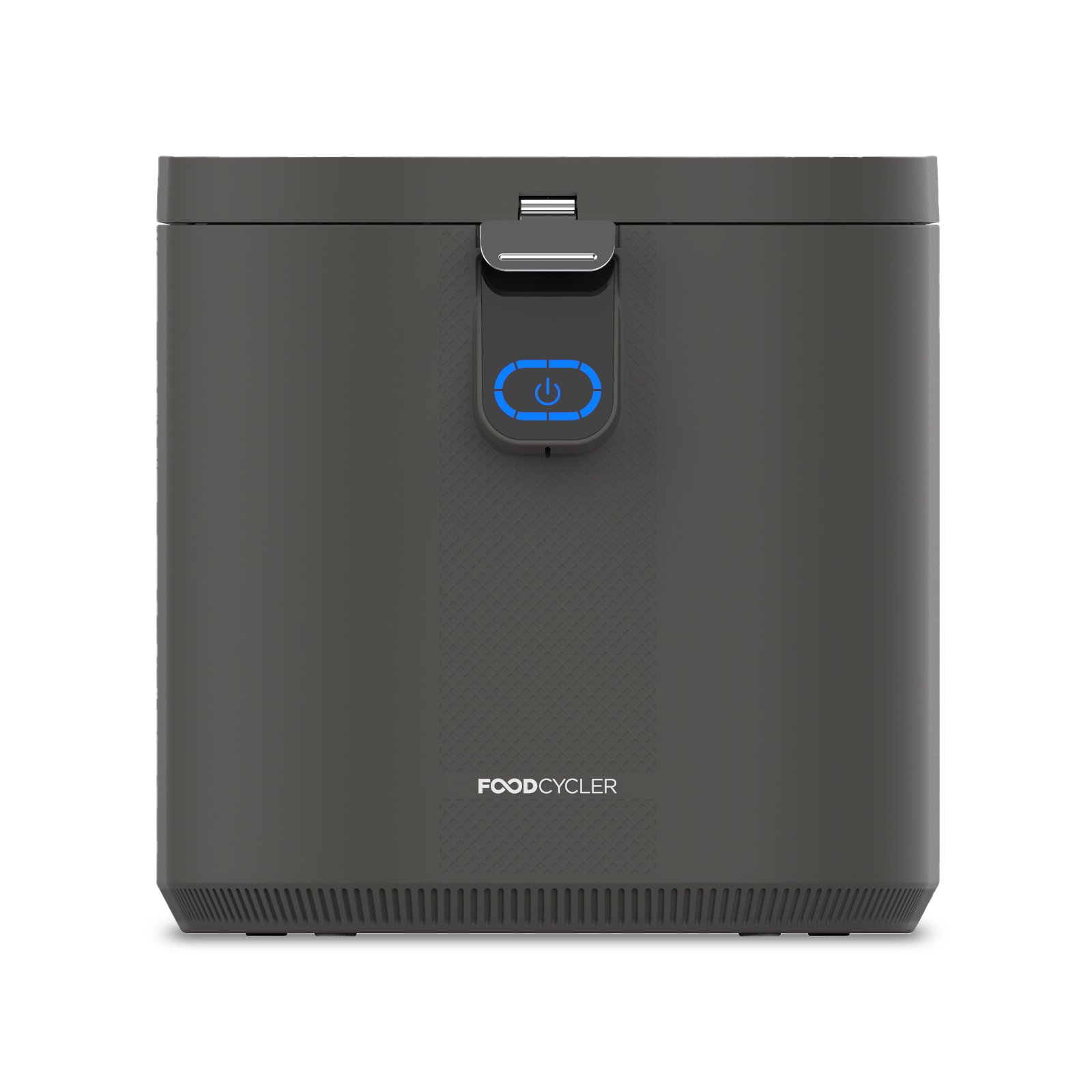
If scraps are messy, inconvenient, or unpleasant to manage, they will default to the quickest option; landfill. The FoodCycler integrates into the kitchen as core infrastructure. It dries and grinds food scraps using heat and agitation, reducing volume by up to 90% while removing moisture. The output, Foodilizer, is dry, shelf-stable, and significantly reduced in mass. No leaky garbage, no collection schedules, less curbside trips — just a cleaner, easier way to manage food waste. The transformation happens directly on your countertop. That shift changes the system at its source.
Designing a Closed-Loop Kitchen at Home
Closing the food waste loop at home does not require perfection. It requires structure.
Here’s a simple framework:
1. Observe Your Patterns
Track what you discard most frequently for one week.
2. Separate Scraps at the Counter
A dedicated scrap station changes behavior immediately.
3. Process Regularly
Run your FoodCycler before scraps accumulate and begin decomposing.
4. Return Nutrients Thoughtfully
Foodilizer can be:
-
Mixed into soil as a soil amendment (at recommended ratios)
-
Added to compost
-
Placed in organics collection
-
Disposed of responsibly
Even when disposal is unavoidable, stabilizing material beforehand alters downstream impact.
Disposal vs. Recycling: A Clear Comparison
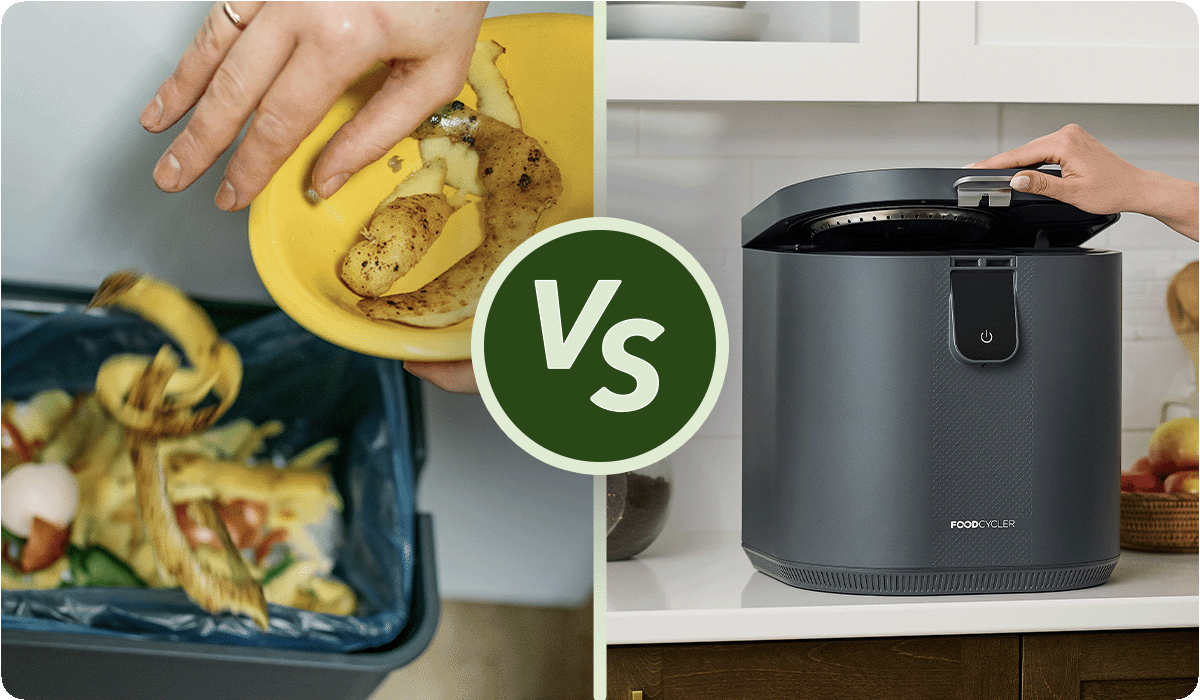
It’s helpful to compare systems.
Sink Garbage Disposal:
Uses 2–5 gallons of water per run. Scraps travel to wastewater treatment facilities. In the US, 35% of residual sludge is landfilled, while the remaining 65% is used in various other sources (aerobic digestion, composting, direct fertilizer) (4)
The waste has not disappeared. It has moved.
Traditional Trash:
Wet organic material enters landfill and decomposes anaerobically, generating methane.
Compost Caddy:
Scraps are collected and stored until they can be taken to an outdoor bin or municipal program. This requires time, space, and regular handling — and can often lead to odors, pests, or missed collection days.
Food Waste Recycling at Home:
Scraps are dried, volume reduced, and stabilized before leaving the kitchen.
Both systems move food waste. Only one meaningfully reduces its volume and moisture at the source.
Why Home-Level Action Works
Individually, reducing food waste volume by up to 90% might seem incremental. Collectively, it’s systemic.
Reduced volume means:
-
Less landfill mass
-
Lower moisture load
-
Fewer transport emissions
-
Reduced pressure on municipal compost systems
For apartment dwellers without compost access, food waste recycling at home may be the only practical diversion path. For suburban families, it reduces green bin overflow and frequency of curb trips while keeping the kitchen cleaner. For gardeners, it creates a nutrient loop that reconnects scraps to soil health.
The system adapts because it is decentralized.
Make Earth Month Structural, Not Symbolic
Earth Day and Earth Month shouldn’t be about temporary swaps.
It should be about making changes that work everyday
Start with:
-
Intentional meal planning
-
Smarter food storage
-
Creative cooking
-
Dedicated scrap separation
-
A built-in recycling solution
And if you want a simple way to turn those intentions into action today:

It’s designed to help you:
-
Assess your current kitchen system
-
Take one immediate action
-
Reset your waste routine
-
Start closing the loop today
Print it. Hang it. Check it off.
The Modern Kitchen Is Circular
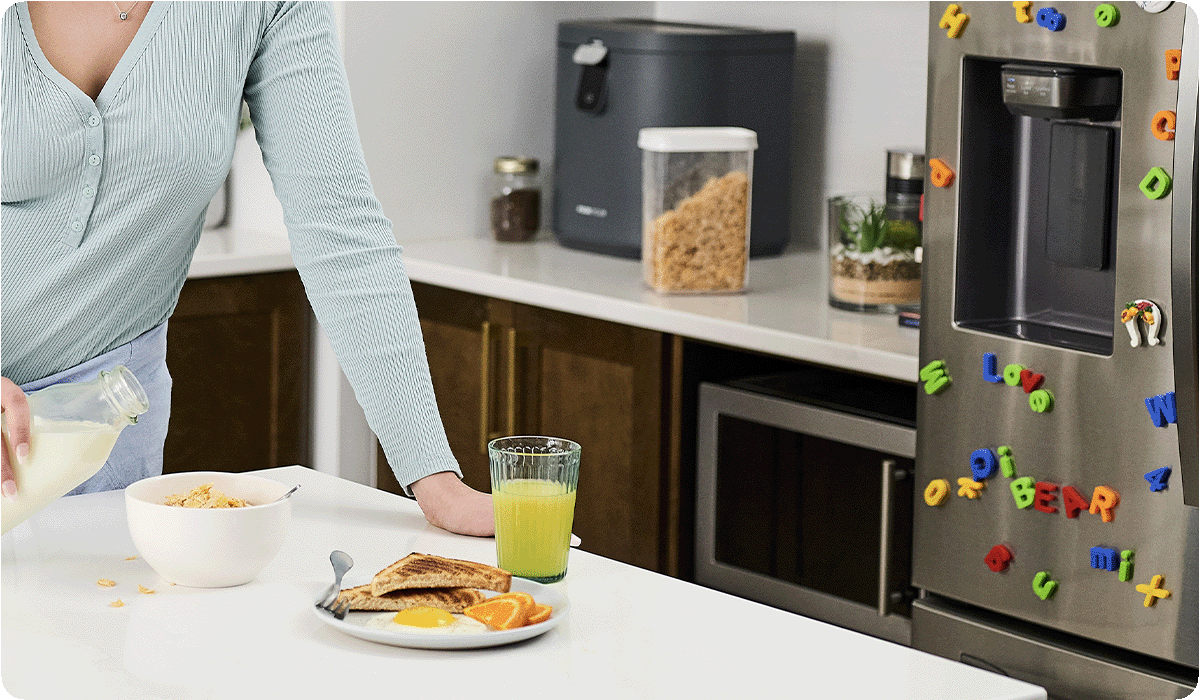
The modern kitchen is already built on efficiency:
-
Refrigerator.
-
Dishwasher.
-
Oven.
-
Food waste recycler.
Each appliance solved a problem.
FoodCycler solves the last visible one — what happens to the scraps.
Closing the food waste loop doesn’t require eliminating waste entirely. It requires redesigning how we manage it.
And that starts exactly where you are standing — at the counter.
Build Better Habits Today
This Earth Month, build habits that last beyond April.
Close the food waste loop at home with infrastructure that supports your sustainability goals.
Explore how FoodCycler® fits into your kitchen.