A small kitchen doesn’t necessarily need more space. It needs the space it has to work harder.
Whether you’re working with a condo kitchen, a galley layout or simply fewer cabinets and less counter space than you’d like, the challenge is usually the same: everything in the kitchen has to earn its place.
The best small kitchen layout ideas aren’t necessarily dramatic renovations or clever storage hacks. They’re often simple decisions that make everyday tasks easier — keeping frequently used items within reach, reducing clutter and choosing appliances that fit both the space and the way you actually live.
Here are a few ways to make a small kitchen work better without trying to turn it into a bigger one.
Key Takeaways
-
Organize your kitchen around how you actually cook, prep and clean — not how you think it should work.
-
In a small kitchen, counter space is valuable. Give it to the things you use often enough to earn it.
-
Choose appliances for the space and household you have, rather than defaulting to the biggest option.
-
Look up before looking for more storage: walls, cabinet doors and vertical cabinet space are often underused.
-
Reduce the things that sit around waiting to be dealt with, from food scraps to recycling and clean dishes.
-
A functional small kitchen isn’t necessarily an empty one. It’s one where everything has a reason to be there.
Start with How You Use Your Kitchen

Before reorganizing cabinets or buying another storage solution, pay attention to how you actually move through your kitchen.
Where do groceries land when you come home? Where do you prep vegetables? What do you reach for every morning? Where do dishes, food scraps and packaging pile up while you cook?
A functional kitchen layout supports those everyday movements rather than working against them.
Try grouping the things you use together near the place you use them. Keep everyday cookware close to your prep and cooking area. Store coffee or tea supplies together instead of across three different cupboards. Give the items you reach for constantly the easiest-to-access spaces.
In a small kitchen, a few unnecessary steps can make the whole room feel less efficient.
Make Counter Space Earn Its Keep

When counter space is limited, the instinct can be to keep absolutely nothing on it.
But an empty counter isn’t necessarily a functional one.
The better question is: what deserves to stay out?
An appliance you use once every few months probably doesn’t. Something that makes an everyday task easier might.
Think about frequency, footprint and function. If an appliance takes up valuable space but rarely gets used, consider storing it elsewhere. If you’re shopping for something new, look beyond the feature list and consider where it will actually live.
This is especially important in a condo kitchen, where there may not be a spare cabinet waiting for another appliance.
The goal isn’t to eliminate everything from view. It’s to make the available space work for you.
A Small-Kitchen Cheat Sheet
Sometimes making more room isn’t about finding more storage. It’s about finding a smaller or smarter way to do the same job.

The common thread? Don’t automatically solve a space problem by trying to create more space. First ask whether there’s a more efficient way to use what you already have.
Choose Appliances for the Kitchen You Have

It’s easy to shop for appliances based on what offers the most capacity, the most features or simply the biggest model available.
Small-space living requires a different calculation.
Ask yourself what you actually need for your household and routine. A smaller appliance that fits comfortably into your kitchen — and gets used regularly — can be more valuable than a larger one that spends most of its life stored away.
That applies to how you deal with food scraps, too.
In a small kitchen, collecting food waste can mean finding room for another bin under the sink, on the floor or on the counter — and then keeping scraps there until you’re ready to take them out.
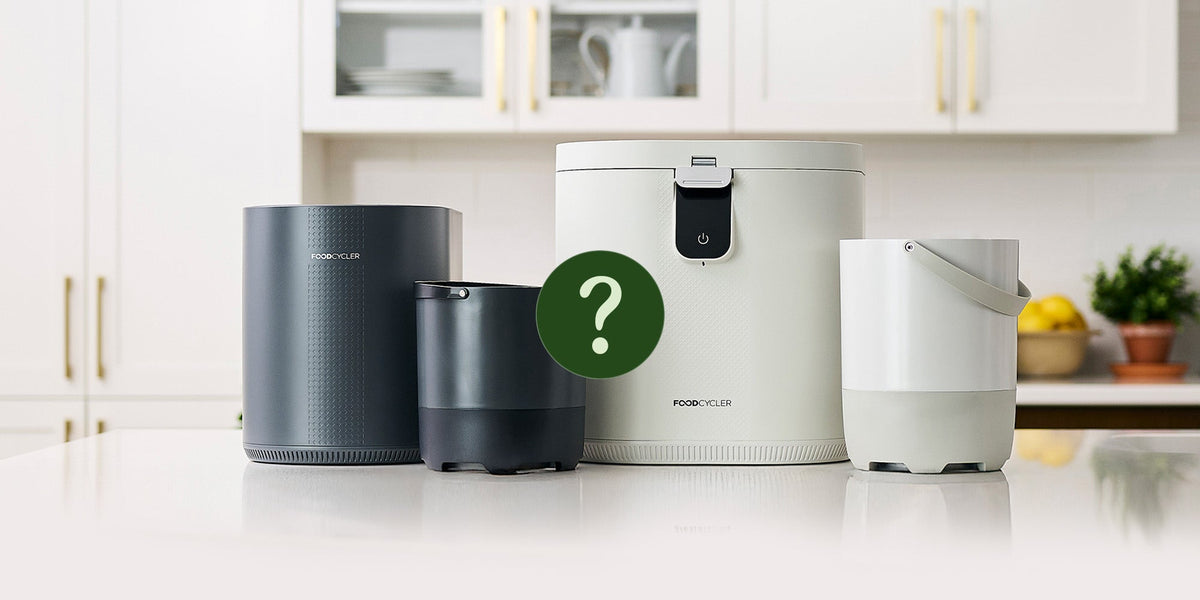
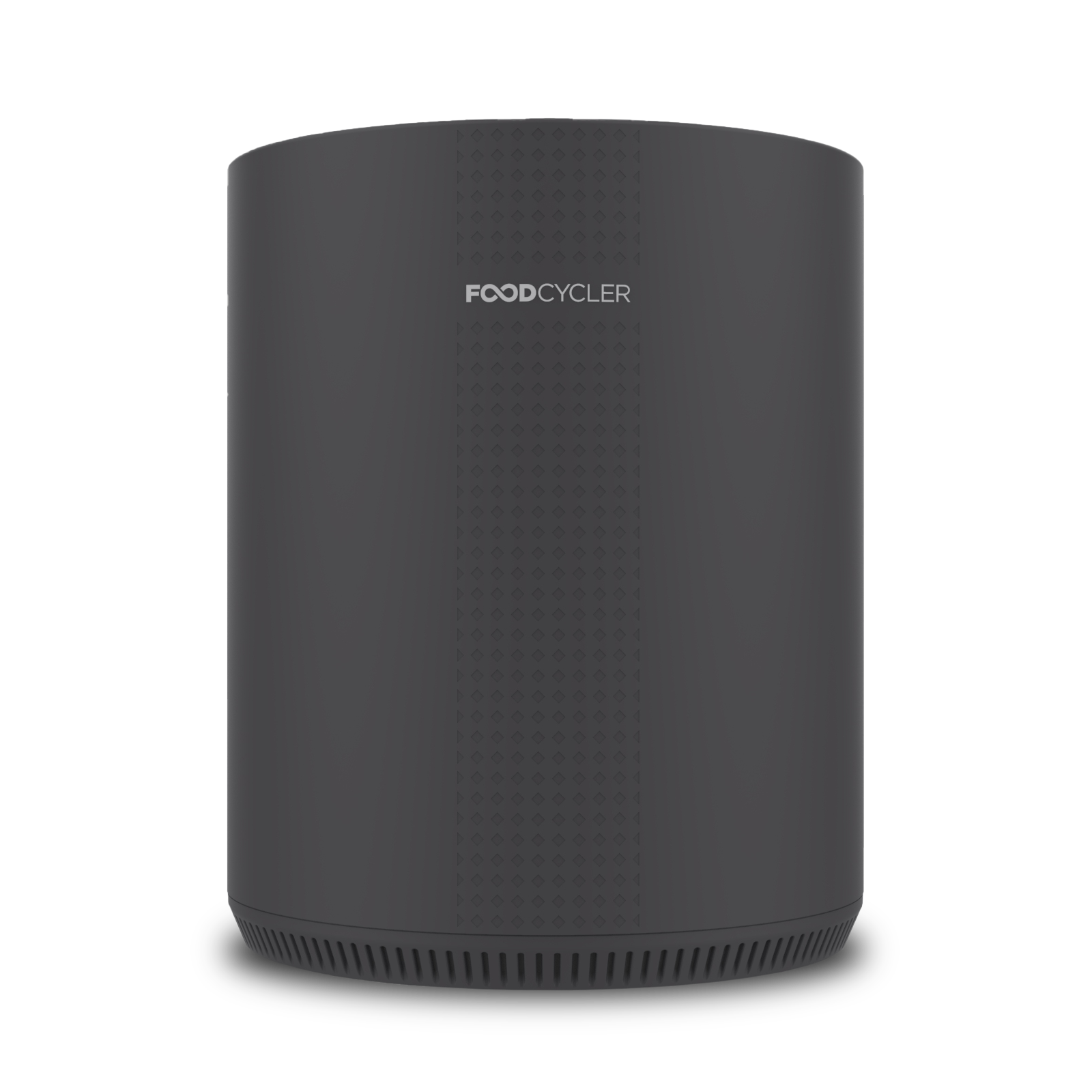
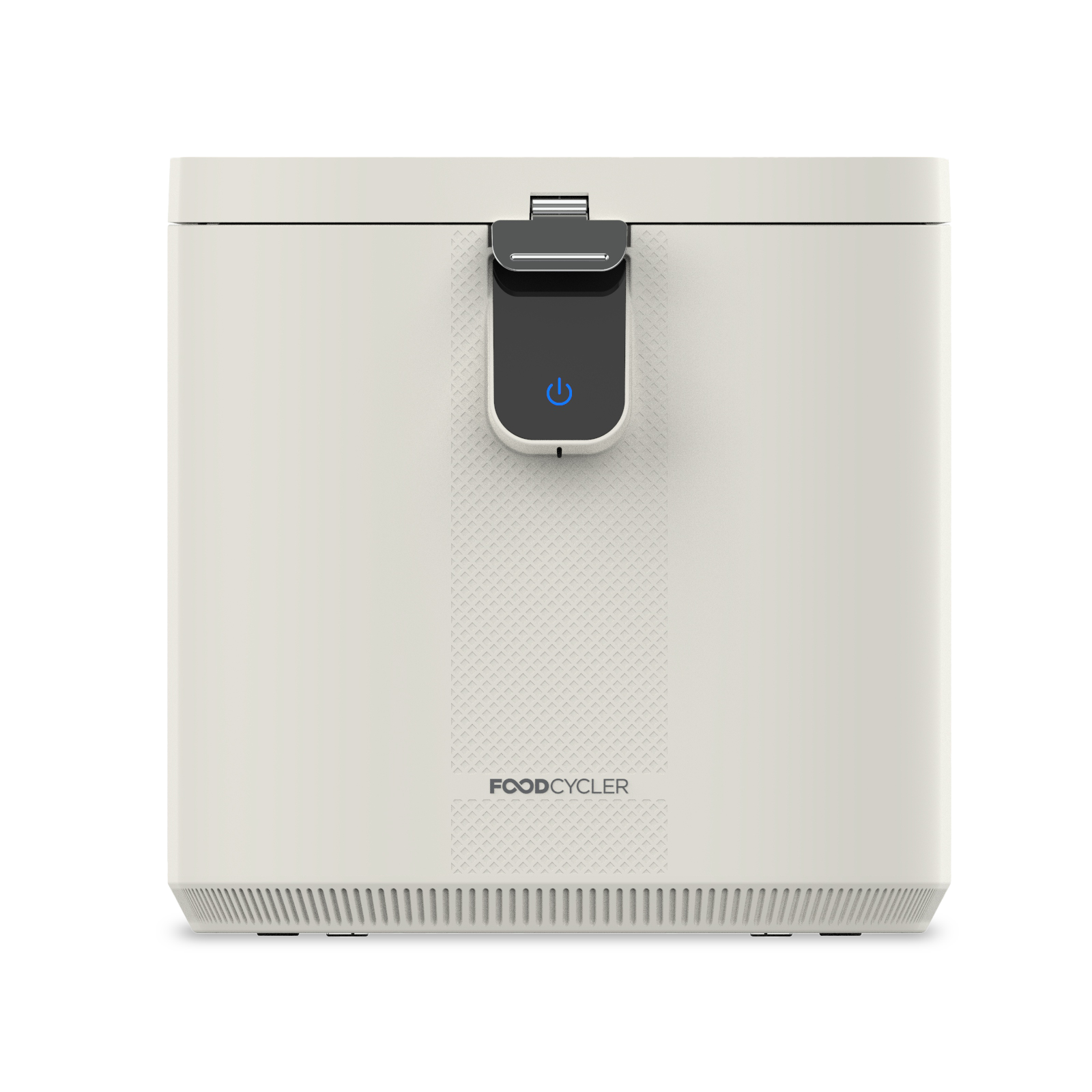
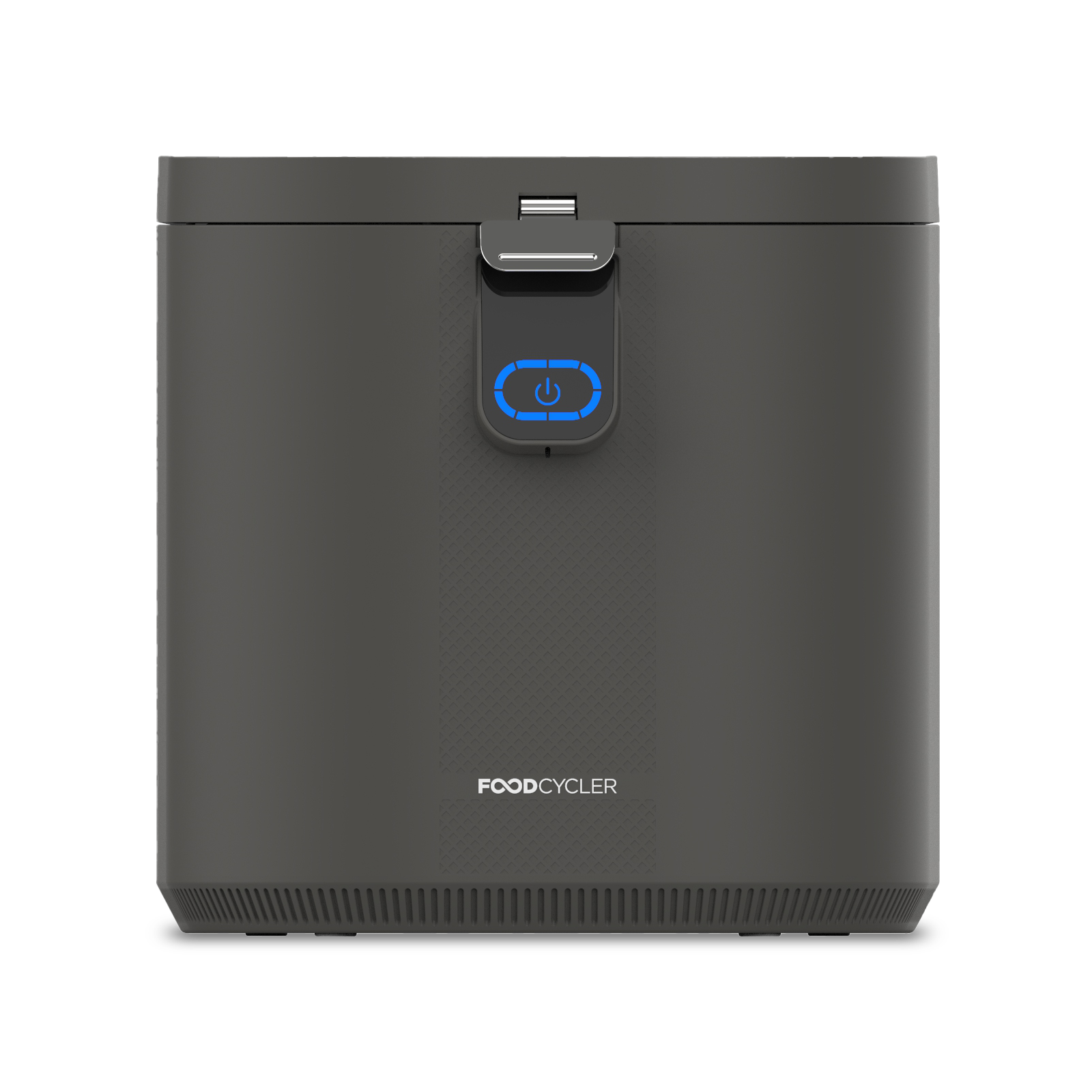
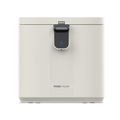
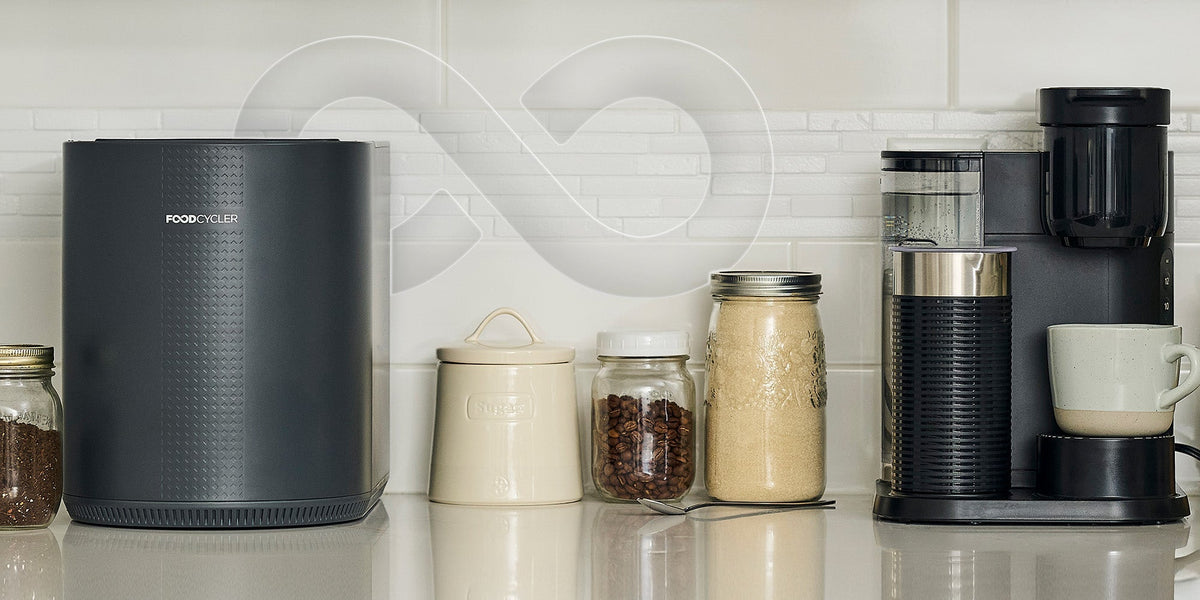
The FoodCycler Eco 3 combines that collection and processing into one compact appliance. Add food scraps as you go, then run a cycle when you’re ready. It reduces their volume by up to 90%, while its odor-managed operation helps take care of one of the less pleasant parts of keeping food scraps around.
That means the space you might otherwise dedicate to another food-waste bin can be used for something else — a meaningful trade when every cabinet and square foot counts.
It’s not about adding another appliance for the sake of it. In a smaller kitchen especially, anything taking up space should solve a problem worth giving that space to.

Think Vertically Before Thinking Bigger

When cabinets and counters are limited, look up.
Vertical space is often one of the most underused areas in a small kitchen. Wall-mounted rails, hooks, shelves and magnetic storage can move frequently used items off the counter while keeping them accessible.
Inside cabinets, shelf risers can make better use of tall spaces, while hooks or racks on the inside of cabinet doors can create storage where there wasn’t any before.
The same principle applies to organization more broadly: before deciding you need more storage, make sure you’re actually using all three dimensions of the storage you already have.
Reduce the Number of “Temporary” Places

Small kitchens can become cluttered quickly because there’s very little room for things that are waiting to go somewhere else.
Mail lands on the counter. Recycling waits beside the bin. Food scraps accumulate during prep. Clean dishes wait to be put away. Groceries sit out because the pantry needs reorganizing.
Individually, none of these is a big problem. Together, they can take over a small room.
One of the simplest kitchen organization ideas is to create a clear destination for the things that regularly pass through the space. The easier it is to deal with something immediately, the less likely it is to become tomorrow’s clutter.

Don’t Organize Around an Imaginary Version of Yourself

There are plenty of beautiful small kitchens online filled with perfectly labelled containers, coordinated shelves and almost nothing on the counters.
Your kitchen still has to survive Tuesday night dinner.
Good organization should make the kitchen easier to use, not give you another system to maintain.
If you cook frequently, keep your cooking tools accessible. If you rarely bake, the mixer probably doesn’t need prime real estate. If there are four people in your household, organize for four people using the kitchen — not for the photograph you wish it looked like.
The most effective small kitchen layout is the one that reflects your actual habits.
A Small Kitchen Should Still Feel Like Your Kitchen

Small-space living has a way of making every choice more visible. What stays on the counter. What gets tucked away. What earns a cabinet. What becomes part of the everyday routine.
But making a small kitchen work isn’t about stripping it down until there’s nothing left.
It’s about making room for the things that make cooking, eating and cleaning up easier — and being a little more demanding of everything else.
Because a well-designed small kitchen shouldn’t feel like a compromise.
It should just feel like yours.