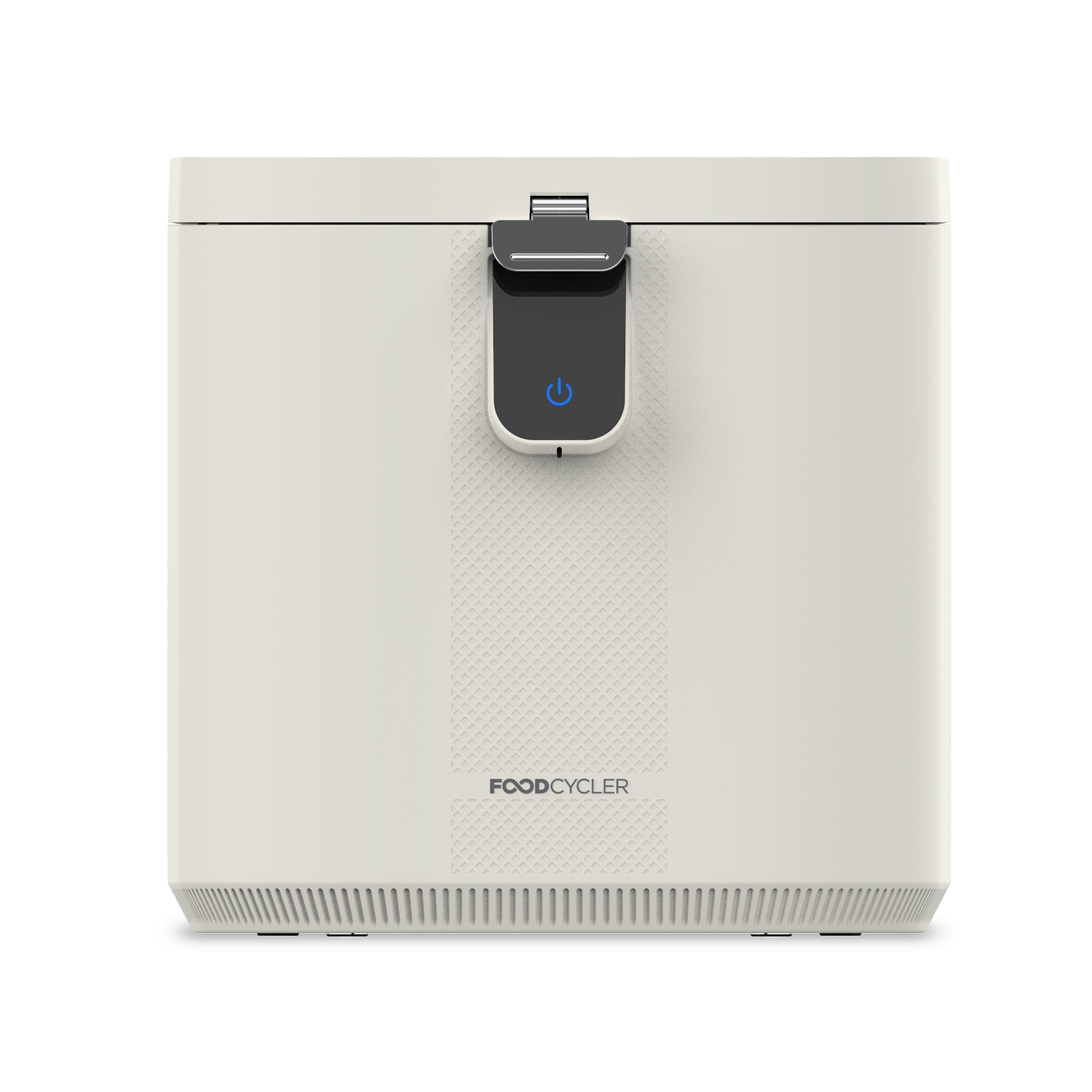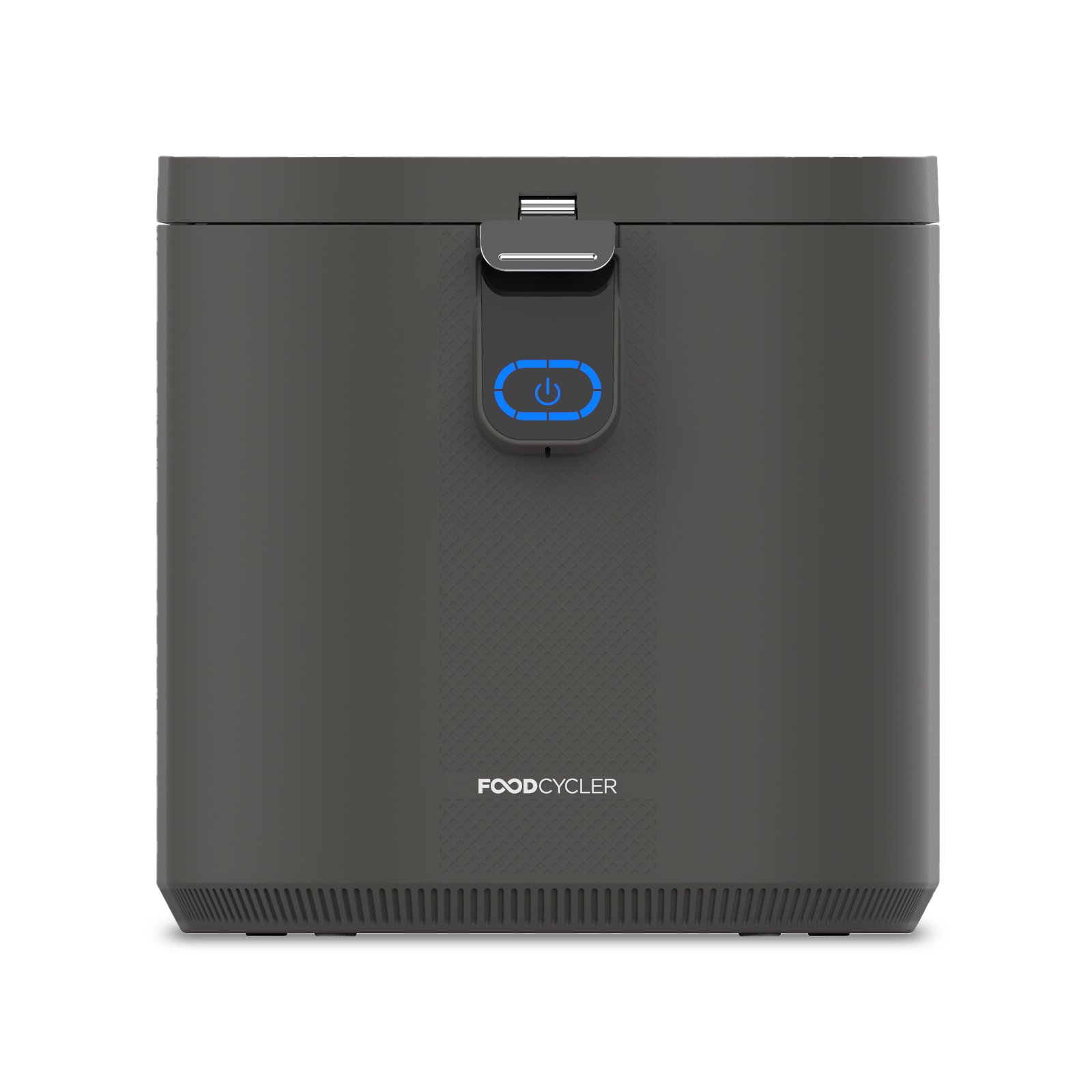

Food waste is often misunderstood. Many of us assume it breaks down harmlessly in landfills, or that tossing scraps in the trash doesn’t matter. But the truth is very different - and more damaging. To set the record straight, here are five key takeaways that bust the biggest myths about food waste and show how small changes can make a big difference.
Key Takeaways
- Food waste does NOT break down safely in landfills.
- Landfill food waste produces harmful methane, not healthy compost.
- You don’t need a backyard compost bin to recycle food waste.
- Small routine changes (such as a FoodCycler) disrupt waste habits and turn scraps into something useful.
Introduction
Most people think tossing food waste in the trash is harmless - it “just breaks down.” But the truth is, landfills aren’t designed for decomposition, and food waste there is one of the largest contributors to climate change. This post busts 5 common myths about food waste in landfills, while showing easy, everyday ways to break the cycle.
Myth #1: Does Food Waste Break Down in Landfills?
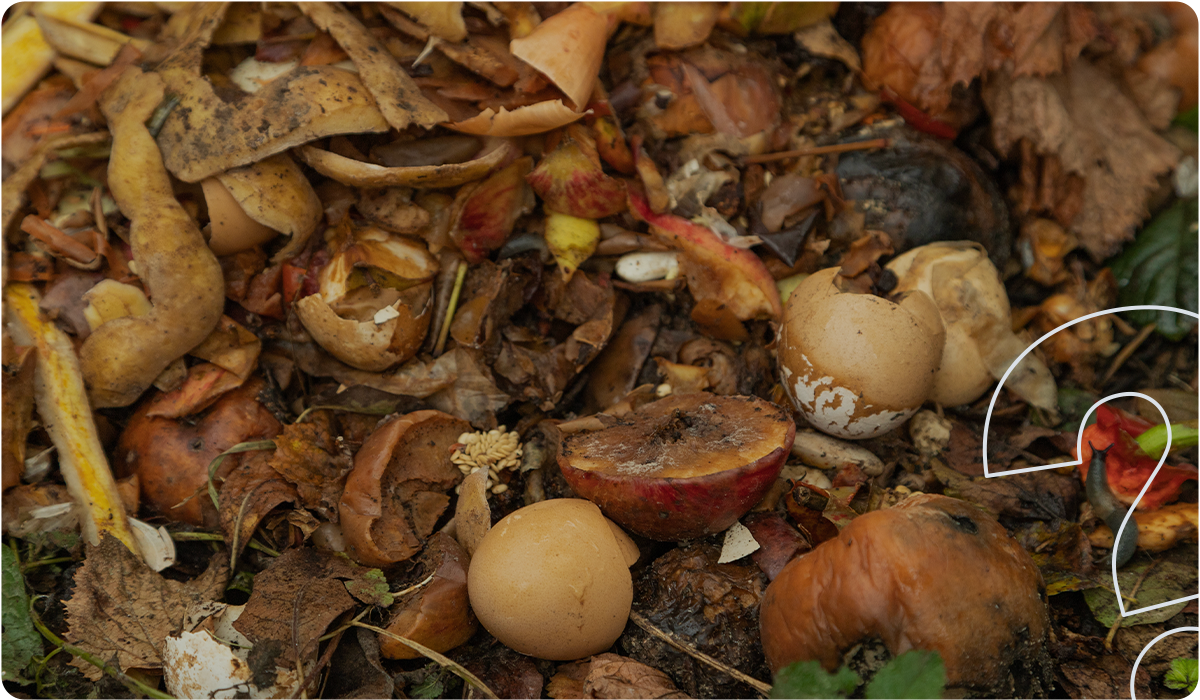
Firstly, food DOES break down in landfills, just not in the way that’s best for the environment. Landfills are large, man-made environments where all kinds of waste (food and non-food) go to¹. Food waste gets sent to landfills, even with the high number of participating municipalities and cities in organics diversion programs. Some of this food waste doesn’t even make it to these facilities, as it is often contaminated². When this food waste is sent to landfills, it can start to pile up just by the sheer amount of it.
When food waste and other waste starts to pile up like this, the decomposition process starts to happen. When the food waste is in the presence of low oxygen the environment becomes anaerobic, giving it the name “anaerobic decomposition”. Anaerobic decomposition means the breakdown of organic matter without oxygen, which results in the production of methane gas. Methane gas (CH4) is a potent greenhouse gas, which is 28 more times harmful than carbon dioxide(CO2) over a 100-year period3.
To put this into perspective, think of a banana and its organic-rich peel. According to a study in 20224, it takes roughly two years for a banana to breakdown in a landfill. Next time you’re baking banana bread or banana chocolate chip muffins, think about this: if everybody is throwing their banana peels in the garbage, imagine much methane is being produced.
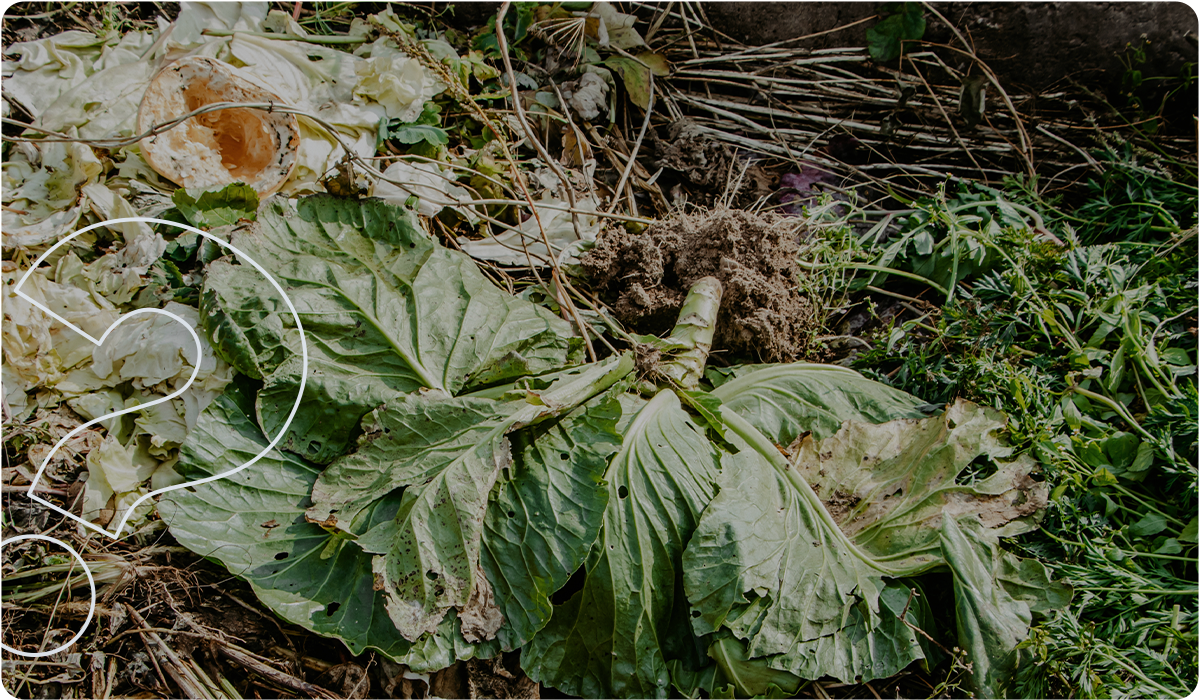
Food waste doesn’t safely decompose in landfills—it generates methane, one of the most harmful greenhouse gases.

Myth #2: Food in Landfills vs. Compost
Food waste in landfills is not making compost but making more of a mess, and yes you’re feeding the earth, but in a very negative way that fuels greenhouse gas emissions.
Leaving food waste to rot doesn’t make compost. While yes, composting and landfilling are processes of decomposition at their core, the way they’re done really makes a difference.
Compost is the decomposition of organic matter in aerobic conditions; meaning it uses oxygen and microbes to create a nutrient rich soil amendment5. These aerobic conditions create CO2, which is then cycled through plants and used as fuel for photosynthesis. Landfill decomposition6, as we’ve touched on, is anaerobic, and thus creates huge amounts of CH4.
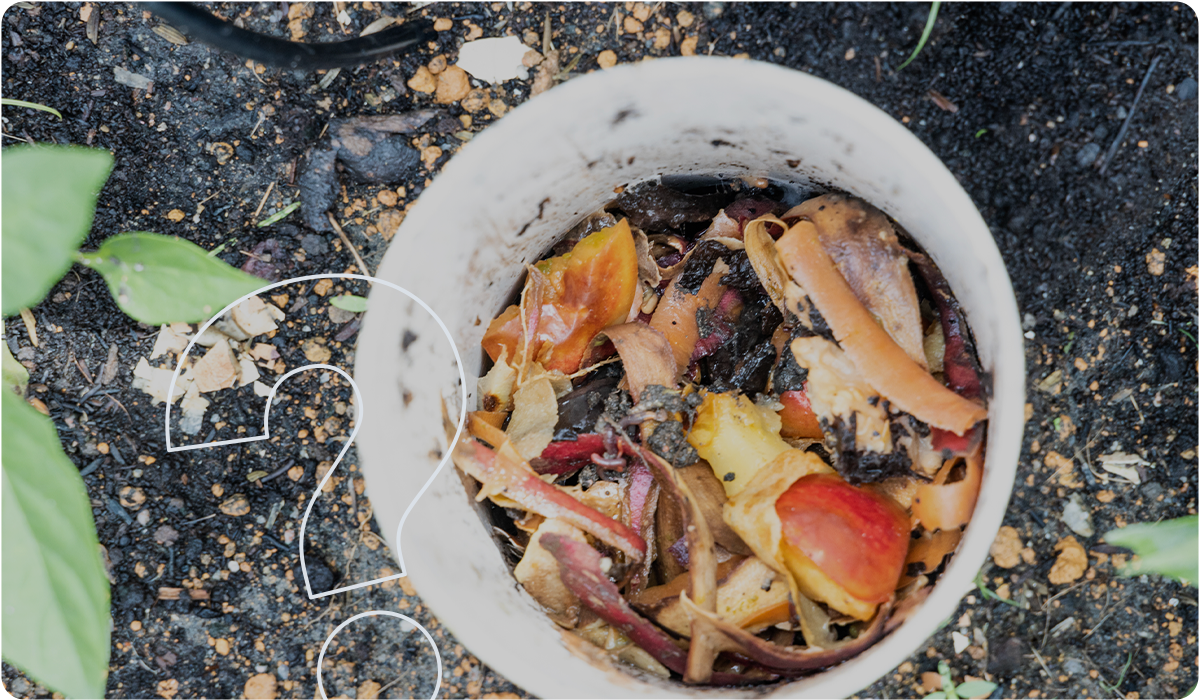
Rotting in landfills isn’t composting—it fuels emissions instead of feeding soil.
Myth #3: You Can Only Recycle Food Waste if You Have a Compost Bin
Compost, while it is a great initiative and a great way to reconnect with the Earth, doesn’t work for everybody. There can be barriers, such as the amount of space and time needed for it, as well as the ‘yuck’ factor.
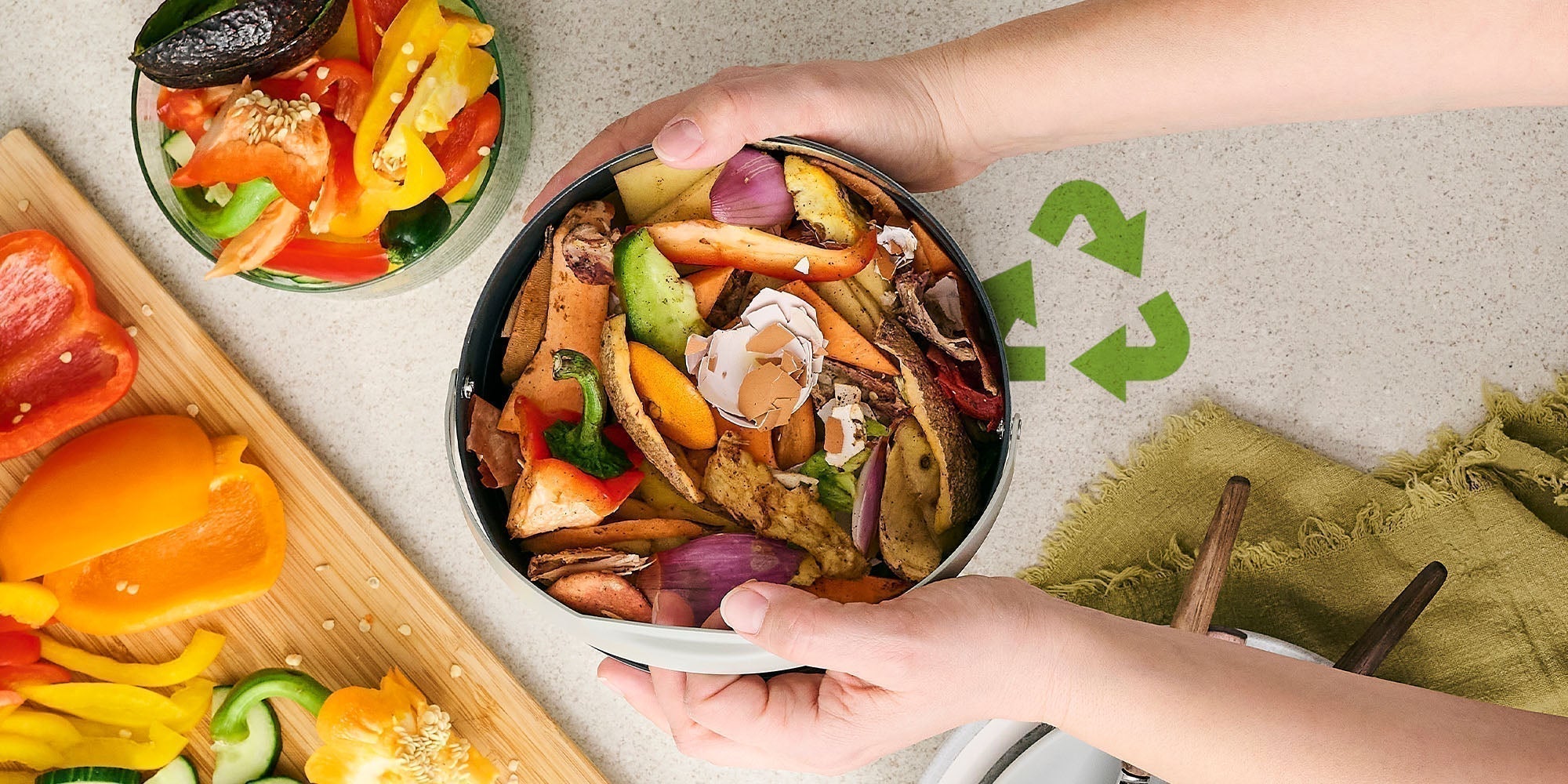
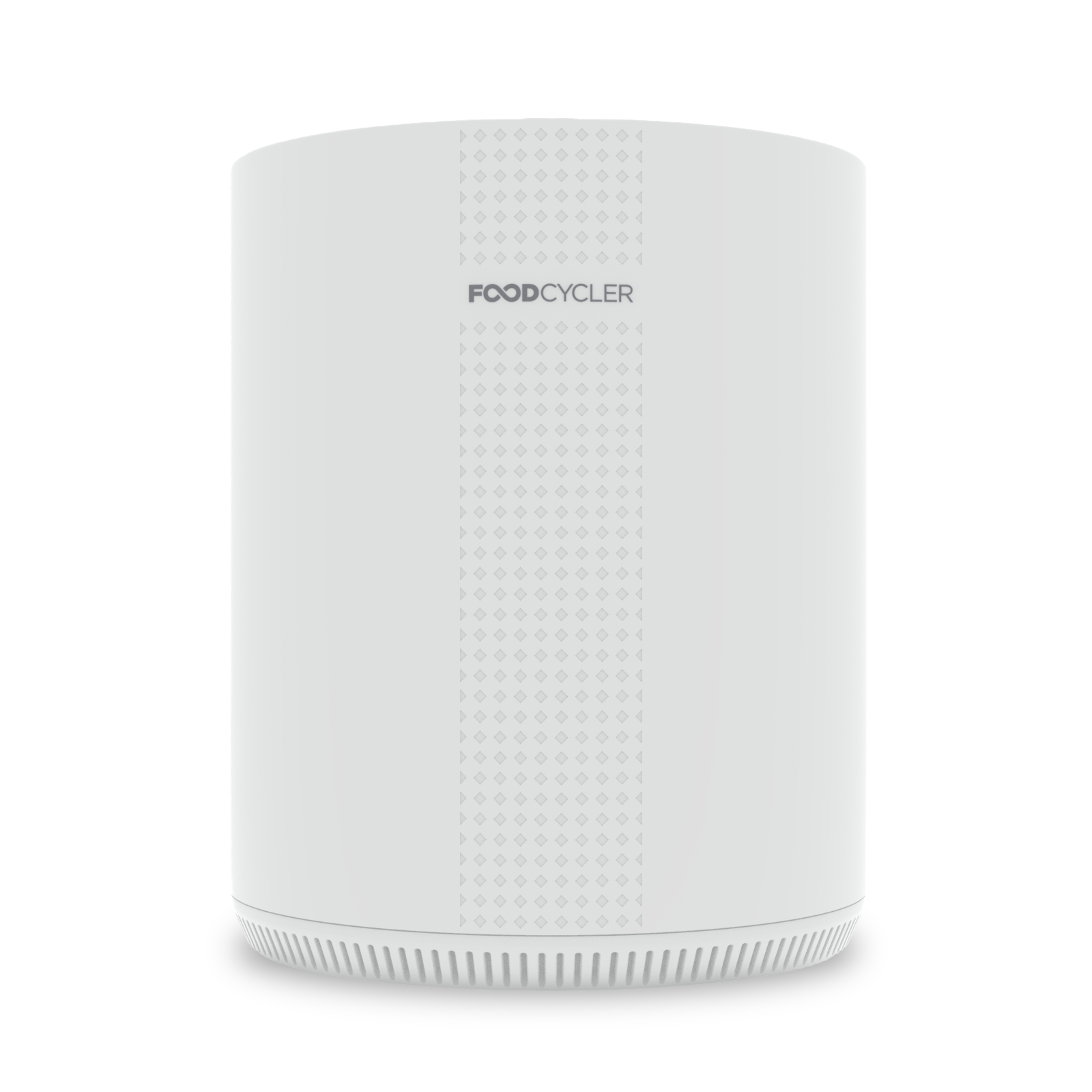
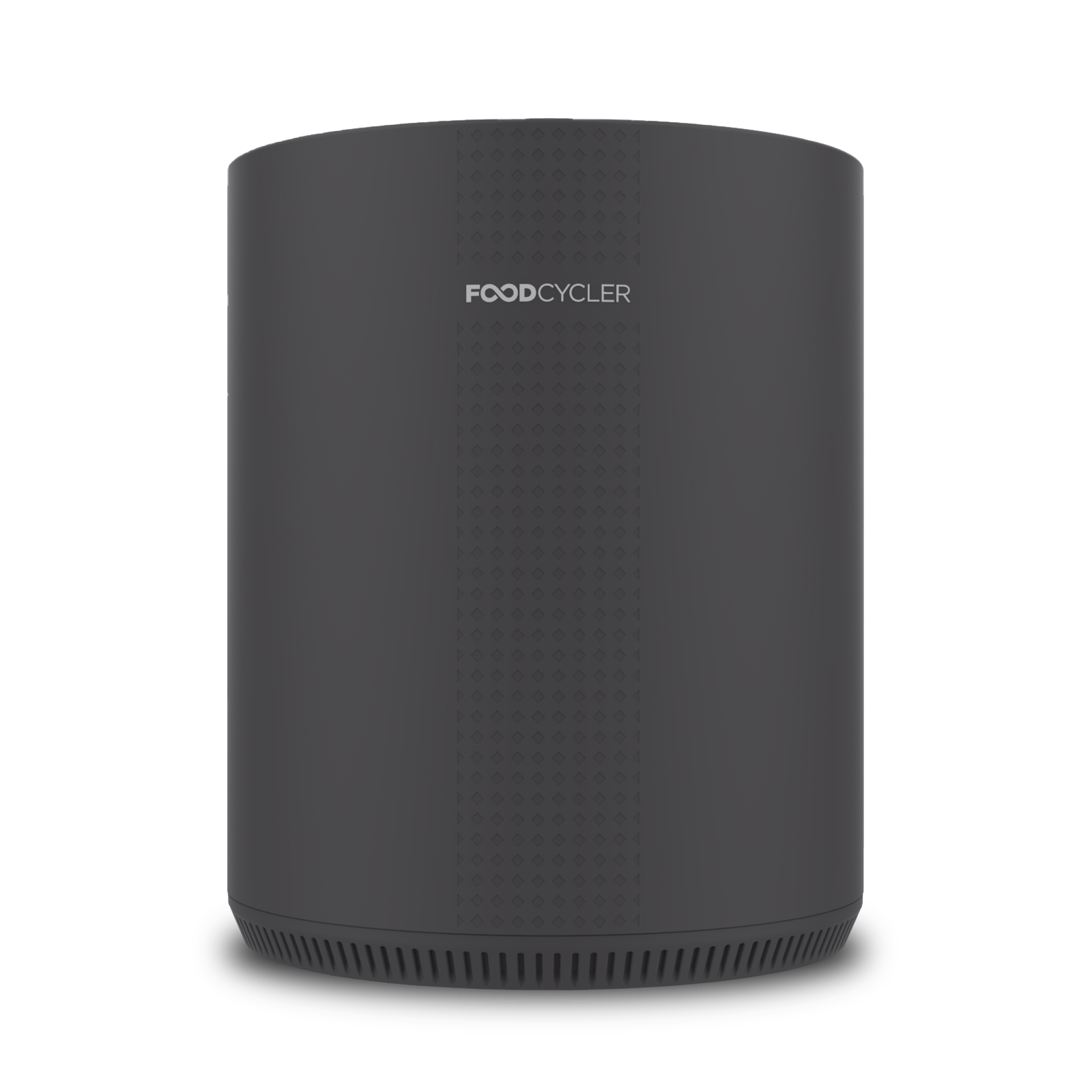
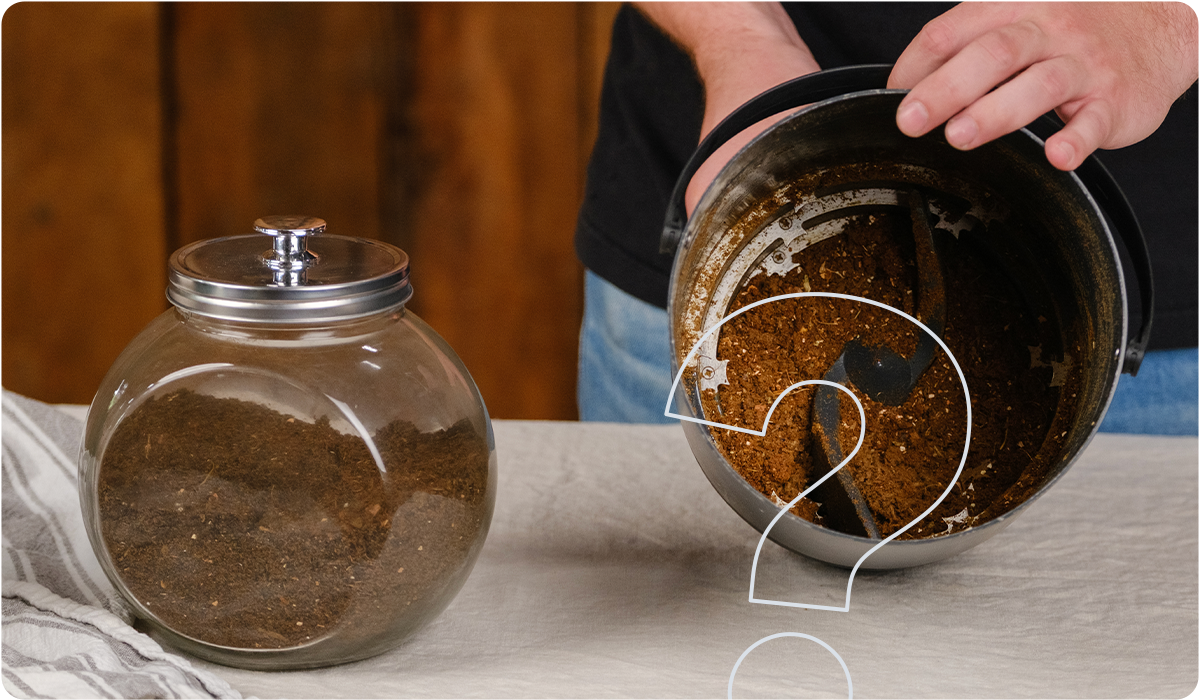
It’s also not the only solution for your food waste. Here at FoodCycler, we create modern solutions to help manage food waste. We created the FoodCycler – a food waste recycler – which is a compact, indoor appliance that takes your food waste then grinds, heats, and dehydrates it, transforming your food waste into a rich organic soil amendment.
While intimidating at first, like trying anything new, the FoodCycler is a small, modern habit shift that fits easily into everyday life. Simply scrape off your food waste into the bucket, place it into the unit, and hit start – and in just a few hours you get a useful, reusable by-product that can be mixed with soil and used as a booster to help your plants thrive.
You don’t need a backyard pile—modern options like the FoodCycler make food waste recycling simple.
Myth #4: Food Waste By-products: Compost vs. Other Solutions
Food waste can become more than a use for compost. It all depends on how you recycle it. Using our FoodCycler, you can create something extraordinary out of your food waste – Foodilizer. Foodilizer is the by-product created by food waste processed in the FoodCycler. It can be used as a soil amendment and, when mixed with soil in the right amounts, can boost plant growth. For many it’s an convenient solution for recycling food waste easily, efficiently all year round. Compost is not like Foodilizer and cannot be considered dehydrated food waste. Compost is a complex microbial mixture that lives and breathes and allows for a full-cycle breakdown of organic matter. Foodilizer, on the other hand, is dehydrated food waste that maintains all its organic matter after being run through the FoodCycler.
These are both great forms of food waste recycling and both make a positive impact to our world.
Compost isn’t the only answer - Foodilizer™ provides a quick, concentrated soil booster in hours.

Myth #5: Food Waste Isn't Harmful to the Environment
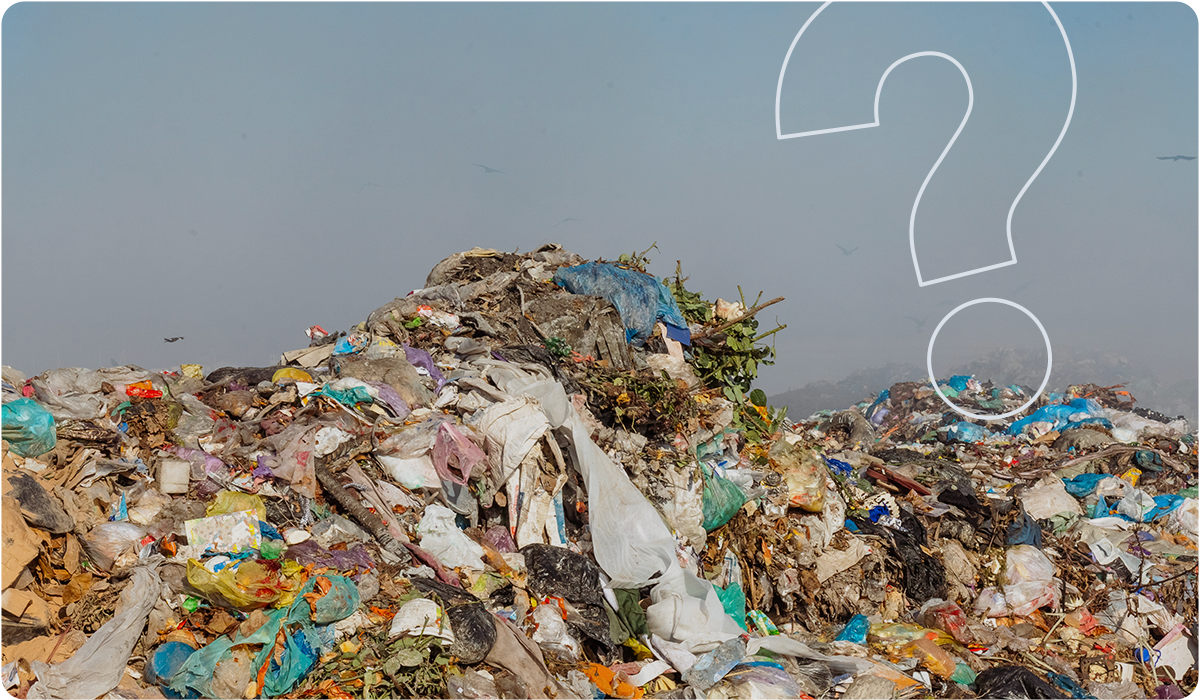
Sorry – not true. Landfilled food waste has significant methane output, due to its anaerobic decomposition. Just because something is ‘biodegradable’ and can breakdown, doesn’t always mean it’s breaking down for good. Sometimes these organic materials release harmful chemicals as part of the biodegradation process. It also applies to bioplastics, like wrappers that are on banana peels or apples.
Methane released from U.S. landfills containing food waste is responsible for 58% of fugitive methane emissions7. Food waste decay, at the rate it’s happening right now, is a major point of strategy for mitigating climate change.
Even if not just for its methane potential in landfills, food waste has a big carbon footprint, specifically in its use and waste of water, energy, and labour. Getting from farm to table is a big task and wasted food is wasted potential.
There are also the financial implications that come with wasted food. In the U.S., on average, a family of 4 spends $3,000 per year on food that does not get eaten8.
Food waste in landfills is a major climate contributor affecting the environment, wasting resources and producing methane.
Small Tweaks, Big Change: How to Disrupt the Cycle
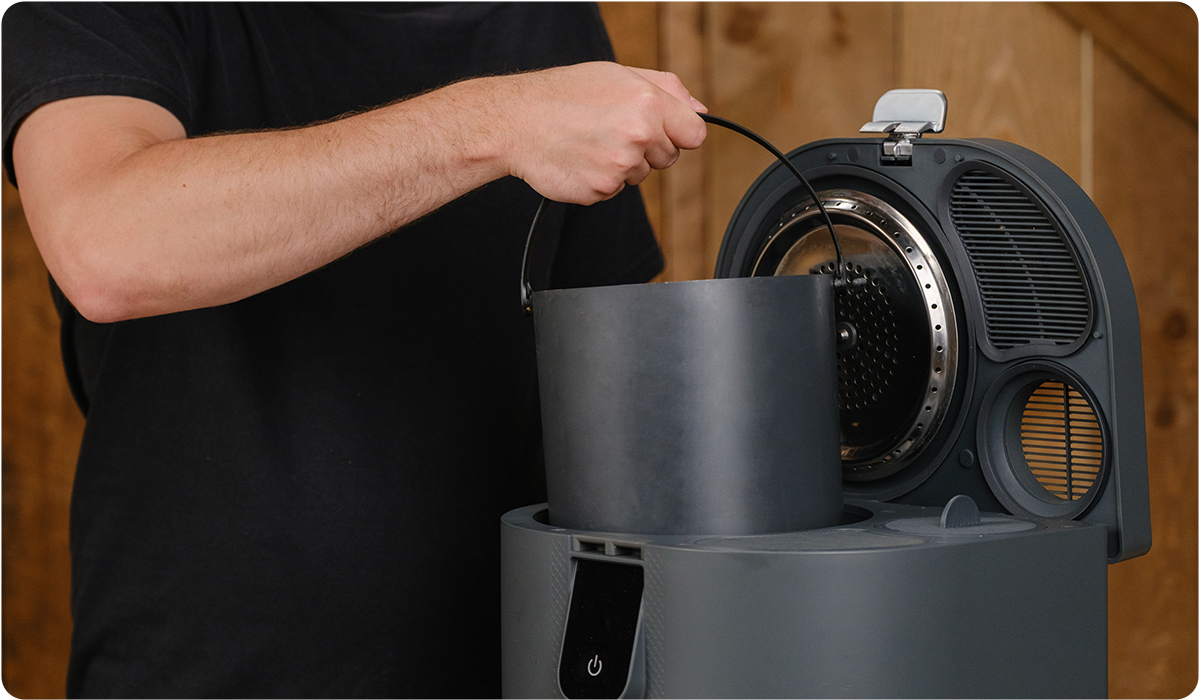
Myths can make food waste feel complicated, but the truth is, it only takes small changes to make a big difference. Separating scraps, trying modern recyclers, or even reading this blog are steps in the right direction. The FoodCycler makes that step simple, turning everyday scraps into something more manageable without adding extra work.
Conclusion
The rotten truth is that landfills aren’t designed to handle food waste. But the myths keeping us stuck with these notions can be broken with small, smart changes. By upgrading habits, even something as simple as separating scraps or using a tool like the FoodCycler – you can cut emissions, reduce waste, and turn leftovers into something that benefits the planet.
Managing food waste responsibly isn’t about perfection - it’s about making choices that keep garbage out of landfills and put resources back into the cycle.
References
1. Food: Material-Specific Data | US EPA
2. Food waste in Canada: An in depth review
3. Importance of Methane | US EPA
4. Banana Peel Waste: An Emerging Cellulosic Material to Extract Nanocrystalline Cellulose
7. Quantifying Methane Emissions from Landfilled Food Waste | US EPA