Key Takeaways
- Foodilizer™ is effective at improving garden soil by providing essential nutrients, enhancing water management, and improving its structure.
- Minimize tilling your soil to prevent compaction and moisture loss.
- Protect topsoil from erosion with a layer of mulch.
Table of Contents
- How to Improve Your Soil Quality Naturally
Most gardeners know healthy soil is the foundation of a thriving garden. Over time, however, soil can lose organic matter and nutrients as plants grow and seasons change. Improving your garden soil helps create the conditions for stronger roots, healthier plants, and a more resilient growing environment.
Improving garden soil will help create the foundational environment needed for healthy, resilient plants. From creating your own soil amendment with our food waste recycler to maximizing soil cover, learn how to improve your soil quality naturally at FoodCycler.
What Is Healthy Soil?

Before we get into improving soil quality, it’s important to address what healthy soil actually is.
Soil is so much more than dirt. It’s a living ecosystem that’s teeming with billions of bacteria, fungi, and other microbes linked together through nutrient cycles and energy flows. Healthy soil features these characteristics:
- High Organic Matter - Healthy soil is rich in decomposed organic matter, which makes it dark and nutrient-dense.
- Good Physical Structure - Poor soil is often compact. This cuts off plants’ access to oxygen. Healthy soil, however, is loose and “crumbly” to allow for water absorption, retention, and root penetration.
- Active Microorganisms - Healthy soil features earthworms, bacteria, and fungi that continuously break down organic waste and make nutrients available to plants.
3 Easy Steps to Improving Your Garden Soil
The Natural Resources Conservation Service, an agency of the US Department of Agriculture, asserts there are four principles of a soil health management system: maximize the presence of living roots, maximize soil cover, maximize biodiversity, and minimize disturbance. These principles are the foundation for improving soil quality.
Learn more about how to improve soil quality naturally with these steps.
1. Add Organic Matter to Your Soil

Organic matter is the single most important ingredient for improving garden soil. Research from Oregon State University suggests organic matter in soil acts as both a sponge and pantry for your plants, helping to:
- Improve water management
- Provide a sustained nutrient supply
- Enhance soil structure
- Boost microbial activity
You can add organic matter a few different ways, including with mulch, compost, and recycled food waste.
Mix Foodilizer Into Your Soil
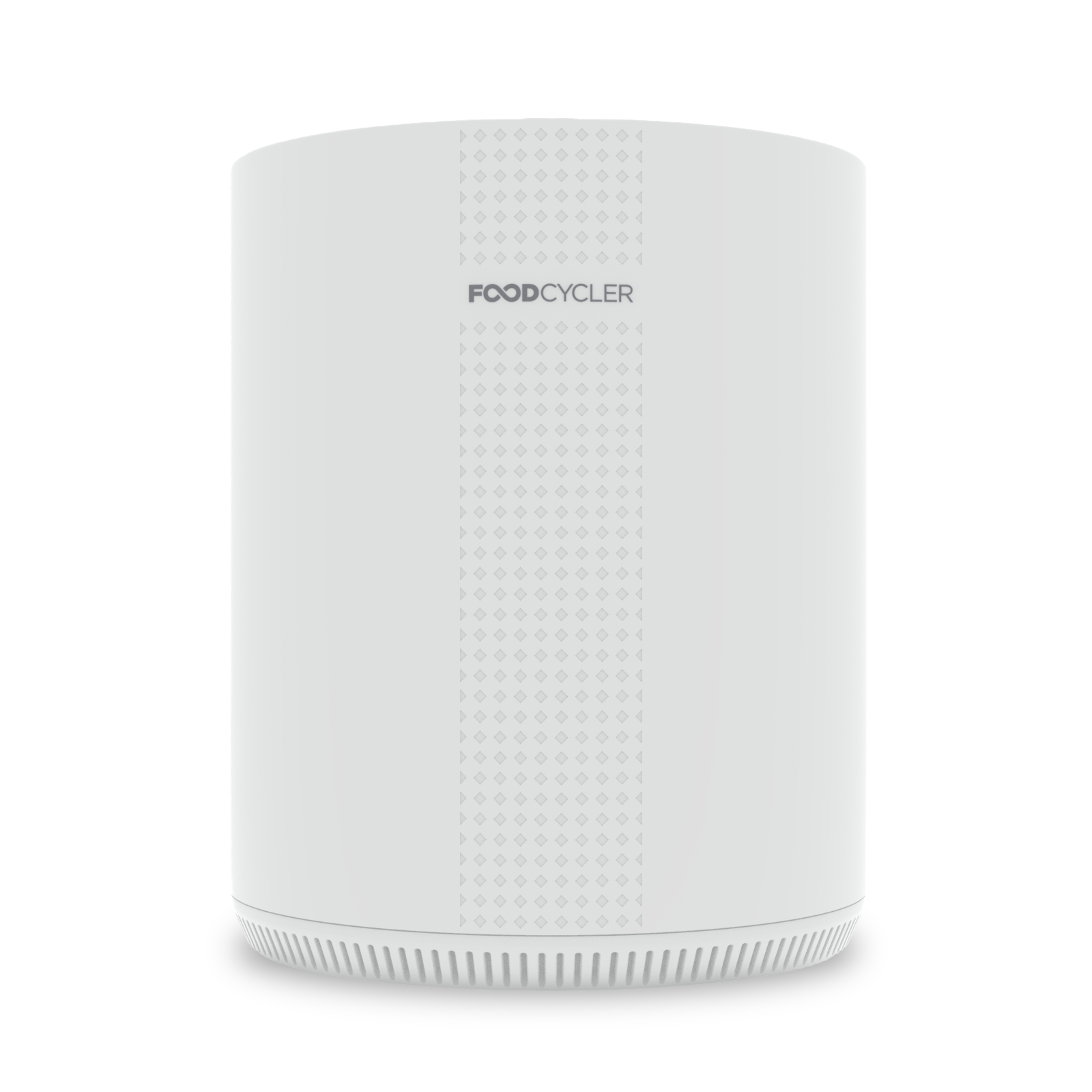
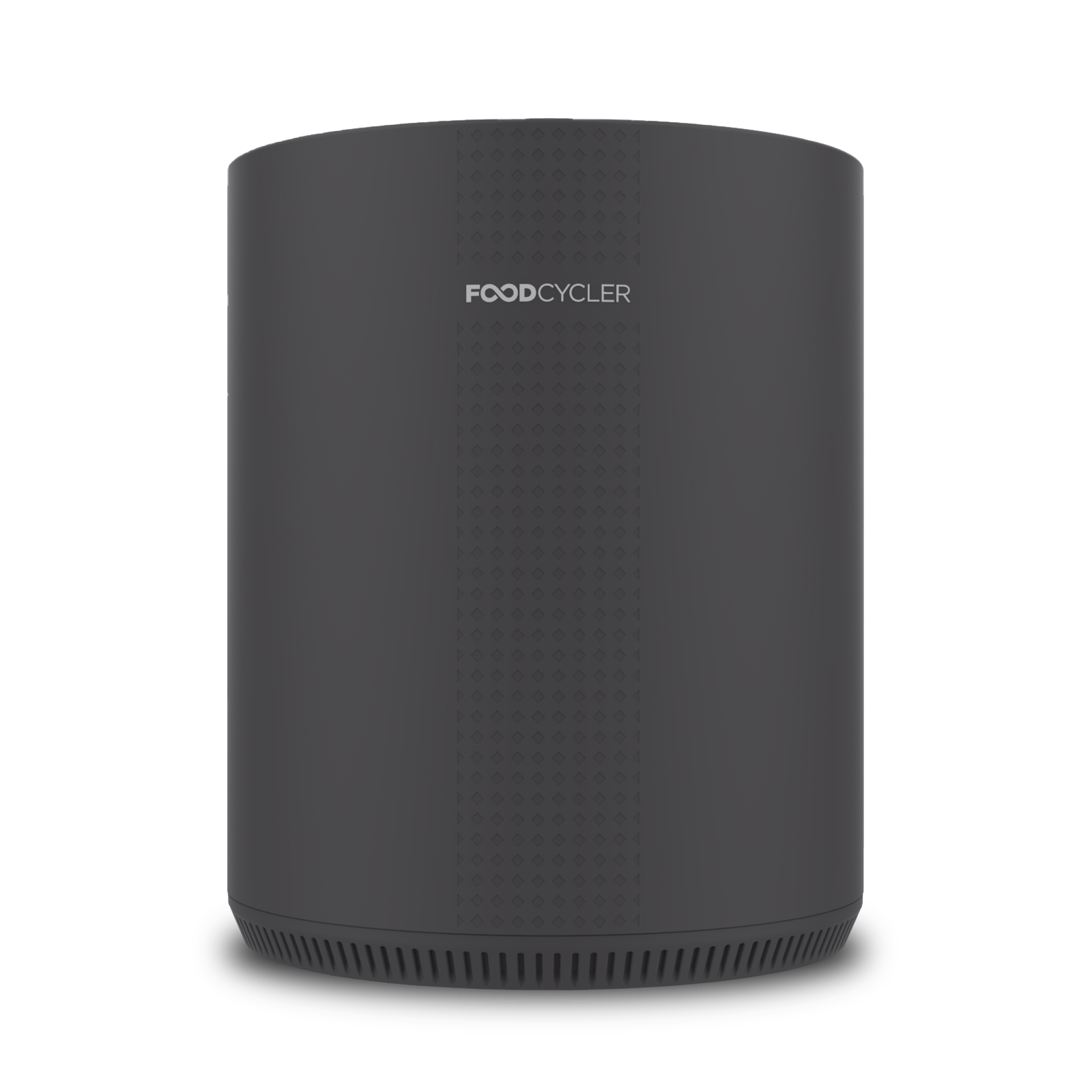
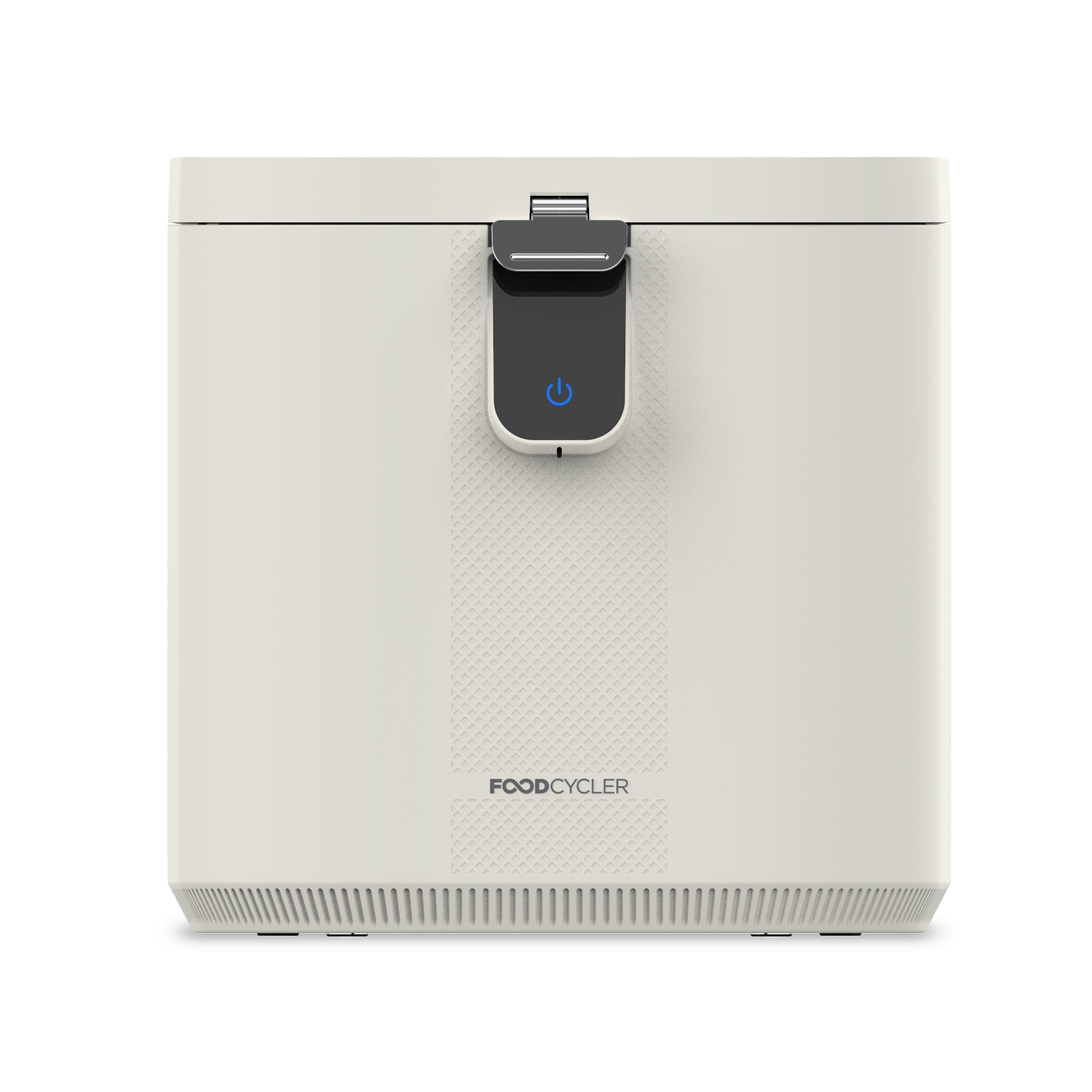
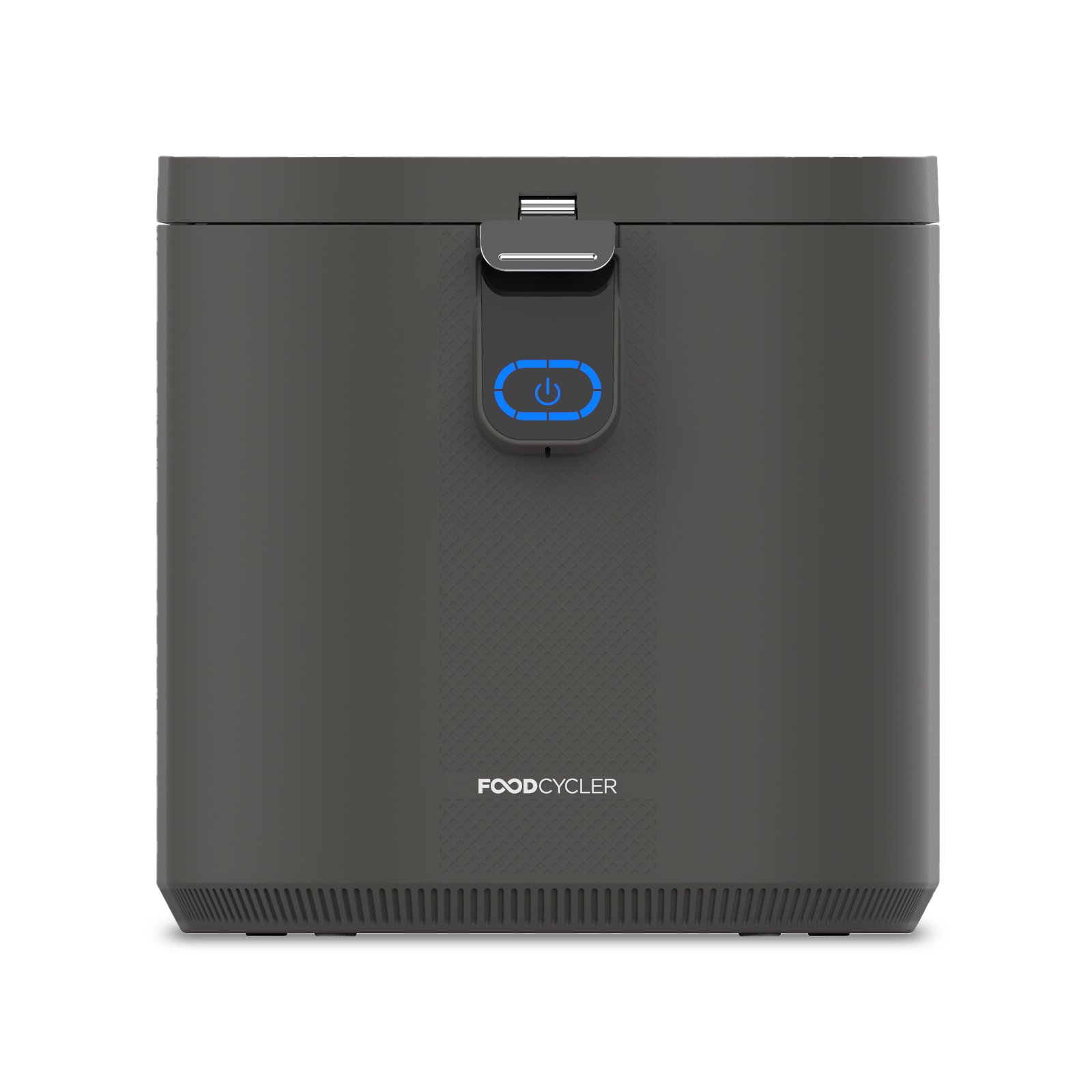
Don’t let your food scraps go to waste. If you recycle them in an electric food waste recycler like our FoodCycler®, they can be used as a soil amendment. Here’s how to improve soil quality naturally:
- Scrape your leftovers into your FoodCycler.
- Our patented Vortech® grinding system processes food waste in a few hours, like fruit and vegetable scraps, eggshells, fish and poultry bones, and more.
- Open your FoodCycler and reveal your Foodilizer, a blend of rich nutrients and organic matter that’s beneficial for improving garden soil.
- Mix a 1:10 ratio of Foodilizer and soil, or a 1:20 ratio if your Foodilizer was made with a lot of meat or dairy waste.
- Apply to your garden.
Learn more about how to use kitchen scraps for garden applications here.
Add Mulch to Your Garden
Materials such as wood, bark, and leaves break down over time. This decomposing organic matter naturally releases essential nutrients – nitrogen, phosphorus, and potassium – back into the soil.
All you’ll do is apply a 2 to 4-inch layer onto the soil surface. Make sure to leave a 2 to 3-inch space between the mulch and the base of plants and tree trunks to prevent bark rot and fungal diseases. The Spruce also recommends mulching in the spring or fall to encourage healthy plant growth.
Use Compost In Your Soil
Many also use compost for improving garden soil quality. It’s full of micro and macronutrients that slowly release to “feed” your plants.
You can buy compost or make your own with a mixture of kitchen scraps and “brown” (carbon-rich) materials such as leaves, straw, and shredded cardboard.
FoodCycler Tip: Use these recipes to mix your Foodilizer into your compost as an additional source of organic matter and nutrients.
2. Know When to Till – And When Not to
Tilling your garden can be beneficial for improving your garden soil, as it helps incorporate your soil amendments and naturally supports weed control. However, moderation is key, as there can be too much of a good thing.
Better Homes and Gardens notes that tilling can actually damage long-term soil health in some cases. It often compacts soil, worsens water retention, depletes organic matter, and increases weed growth over time.
That’s not to say you can’t till your garden. Instead, it’s essential to avoid regular tilling and know best practices.
When to Till Your Soil |
When NOT to Till Your Soil |
|
|
3. Create a Protective Layer With Mulch

Mulch isn’t just great for improving garden soil with organic matter. It also acts as a protective blanket, helping to:
- Lock in moisture
- Preventing weed growth
- Shield plants and roots from extreme temperatures
Prevent erosion and compaction
How to Improve Your Soil Naturally With Mulch
- Pull any existing weeds and remove any debris.
- Spread your mulch evenly with a rake or gloved hands. Aim for 2-3 inches of depth.
- Push the mulch about 3 inches away from the bases of flowers, shrubs, and trees.
- Apply water to help settle the material.
Tend Your Garden With Care
Improving your garden soil can be as simple as using your FoodCycler. Learn more about how to improve your soil naturally and gardening with Foodilizer on our blog.
FAQs
Should I till my garden every year?
It’s not necessary. Tilling can destroy your soil’s natural structure, worsen water retention, and even cause more weeds to grow.
What’s the best step to improving garden soil quality?
Adding organic matter is the best thing you can do for your soil. Soil amendments such as Foodilizer, made from your kitchen waste, help improve soil moisture retention, provide essential nutrients, and enhance soil structure.
Can I use any kitchen scraps in the FoodCycler?
Our food waste solutions can process most common household food scraps, including fruits and vegetables, leftovers, eggshells, and many small bones. When tending to garden soil, it’s best to add a mix of vegetables, leftovers, and animal products such as eggshells.
What’s the best ratio to use in my garden?
If your Foodilizer contains a lot of or mostly animal products, you should lower your Foodilizer-to-soil ratio, such as 1:20 (1 part Foodilizer to 19 parts Soil). If you have a more varied mix, a 1:10 ratio (1 part Foodilizer to 9 parts Soil) is good to aim for.
As always, refer to our gardening guide for best practices!