Key Takeaways
- Methods for how to compost indoors are: aerobic (oxygenated microbial decomposition), bokashi (oxygen-free fermentation), vermicomposting (worm colony decomposition), and electric (optimized microbial decomposition).
- Using an electric food scrap recycler is easier, cleaner, faster, and odorless.
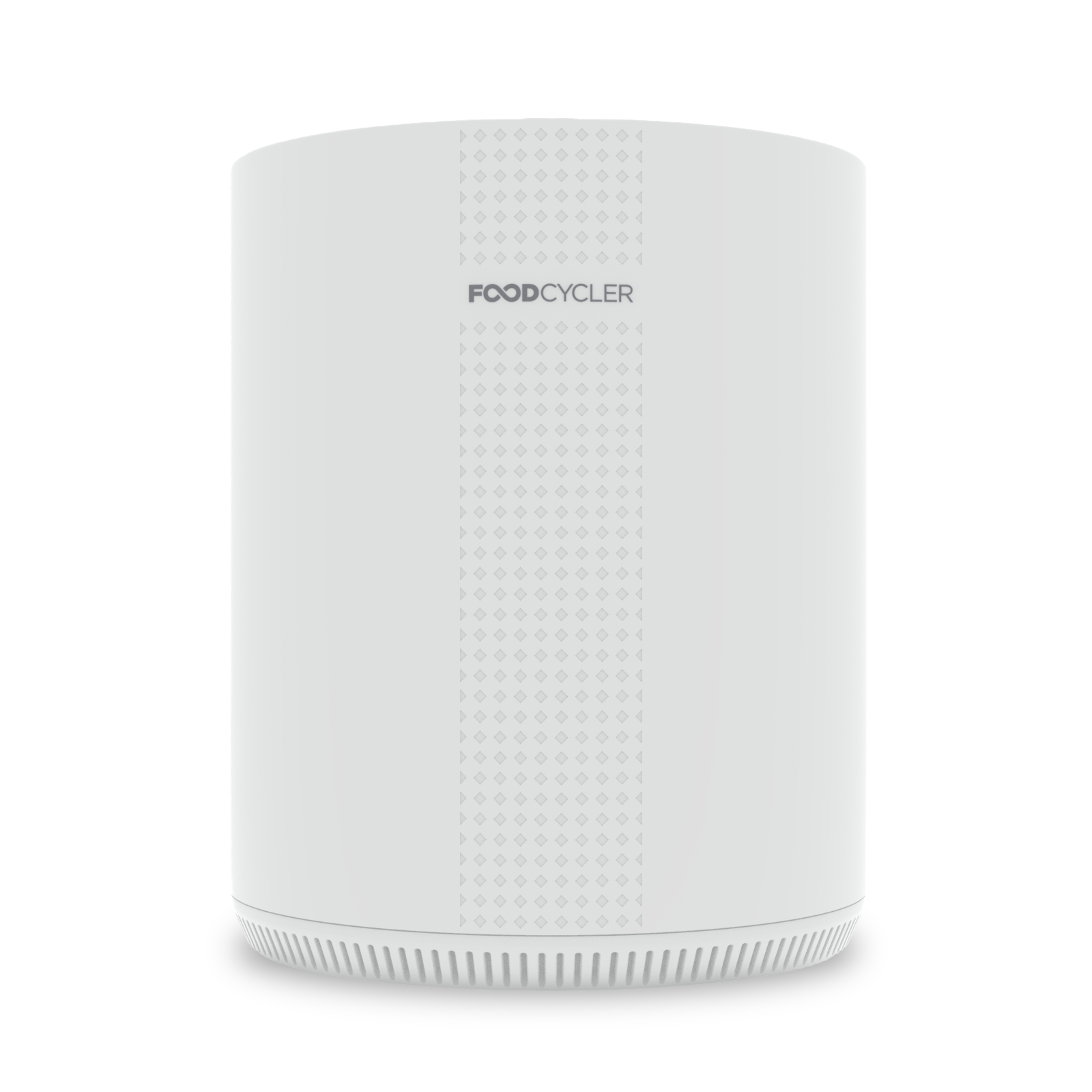
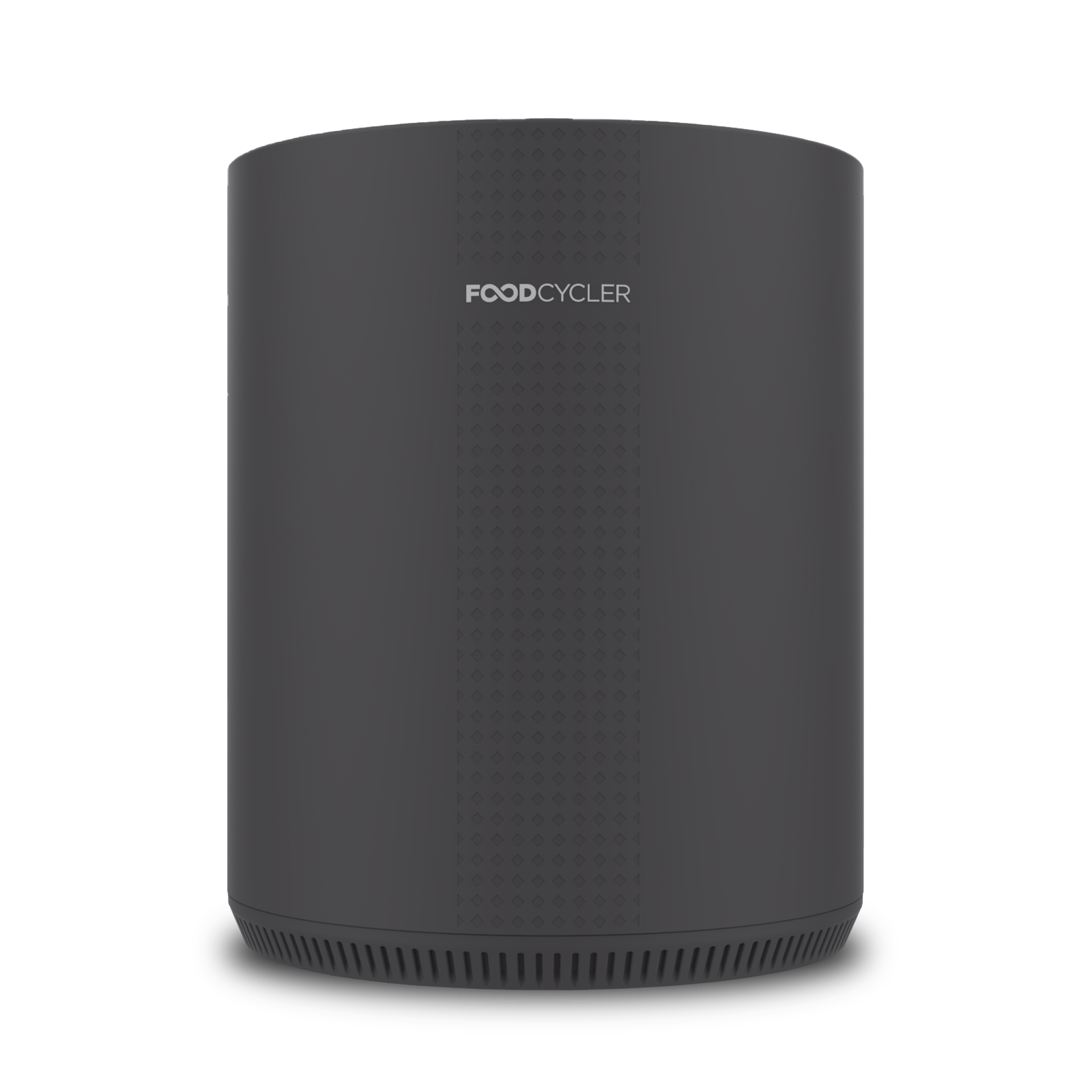
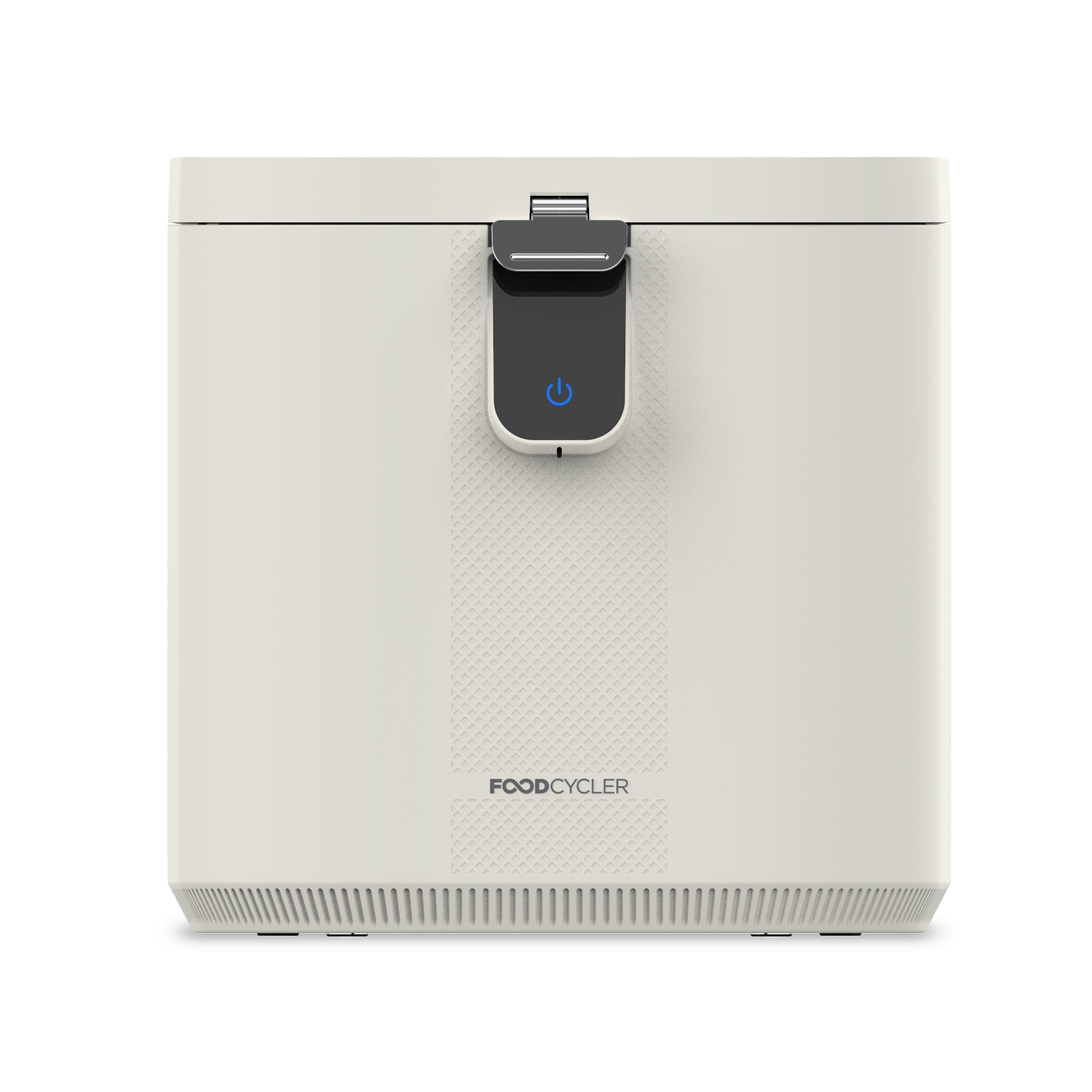
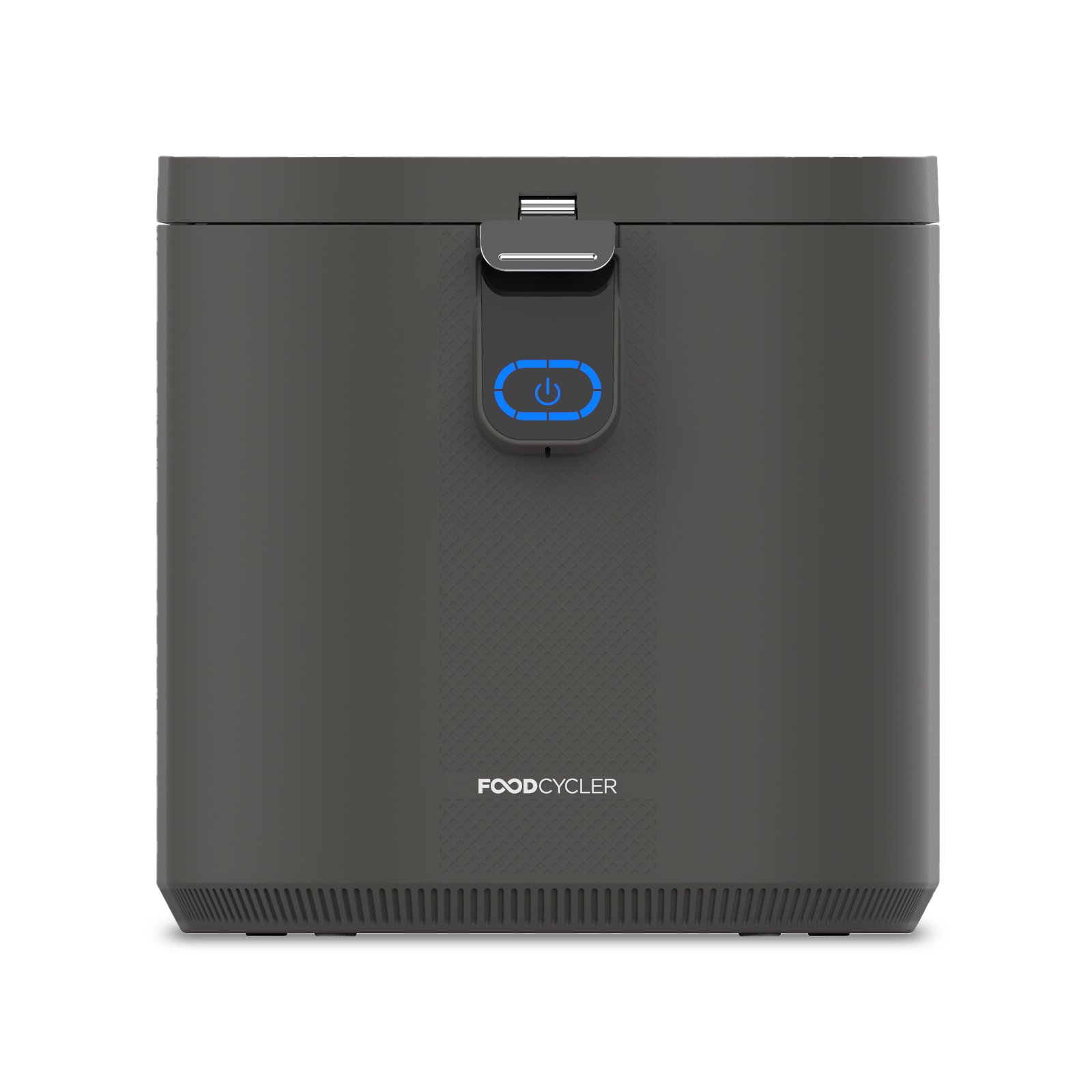
- FoodCycler® is a science-based compost alternative that turns food waste into a dry soil amendment.
Indoor composting is a common way to manage organic waste at home, but it’s not the only one. These days, many eco-friendly households have embraced the food waste recycler as a cleaner, easier, and odorless compost substitute.
Why Food Waste Management Matters
Food waste is a much bigger problem than most realize:
- Food waste is the most common landfilled material in the United States.
- 48% of food waste originates from households.
Here’s why learning how to compost indoors or recycle food waste can reduce your impact on the environment:
- When organic waste sits in landfills, it decomposes and produces methane.
- Methane is a greenhouse gas 80x more harmful than carbon dioxide.
- Landfilled food waste causes up to 10% of global greenhouse gas emissions.
At FoodCycler, we appreciate anyone who’s proactive about at-home food waste management. However, we’ve created a superior solution that diverts organic waste from landfills just like composting, but without the mess and hassle.
Let’s explore the most common indoor composting methods, as well as modern compost alternatives.
Composting vs. FoodCycling
If you’ve been researching how to compost indoors, you’ve probably run into four different approaches:
- Aerobic: A bin with airholes that creates an ecosystem that supports microbial decomposition.
- Bokashi: An airtight bin that uses an inoculant to ferment organic waste.
- Vermicomposting: A colony of worms that feed on food scraps and break it down into manure.
- Electric: A device that provides an optimal environment to accelerate microbial decomposition.
FoodCycler is different. Although our electric kitchen recyclers do turn food waste into a soil amendment, they’re not composters.
Here’s what makes our compost substitute so special.
Clean and Odorless
The Problem:
If you’ve been curious about how to compost indoors, you’re probably hesitant to keep decomposing or fermenting waste in your home. It’s a very reasonable concern, as composting can be smelly and dirty, and it can attract pests.
The Solution:
FoodCycler tackles these common concerns. Our premium kitchen appliance turns food waste into a dry by-product we call Foodilizer®, and it uses activated carbon filters to absorb and eliminate odors. Get rid of the gunk without the funk!
Rapid Cycles
The Problem:
Traditional composting can take weeks or even months before the food waste is fully decomposed and the soil amendment is ready. In the meantime, you’re stuck with a bin full of rotting garbage.
The Solution:
Our compost alternatives transform organic waste into Foodilizer in 4-9 hours. Even if you know how to compost indoors like a pro, you just can’t beat that turnaround! You can run your FoodCycler daily, keeping your kitchen clean and your garden healthy.
Effortless Operation
The Problem:
Dealing with an indoor compost pile is, well, gross. Every time you add food scraps, you have to hold your breath and open a window. Indoor compost bins are also large and difficult to manage once the compost is finally ready.
The Solution:
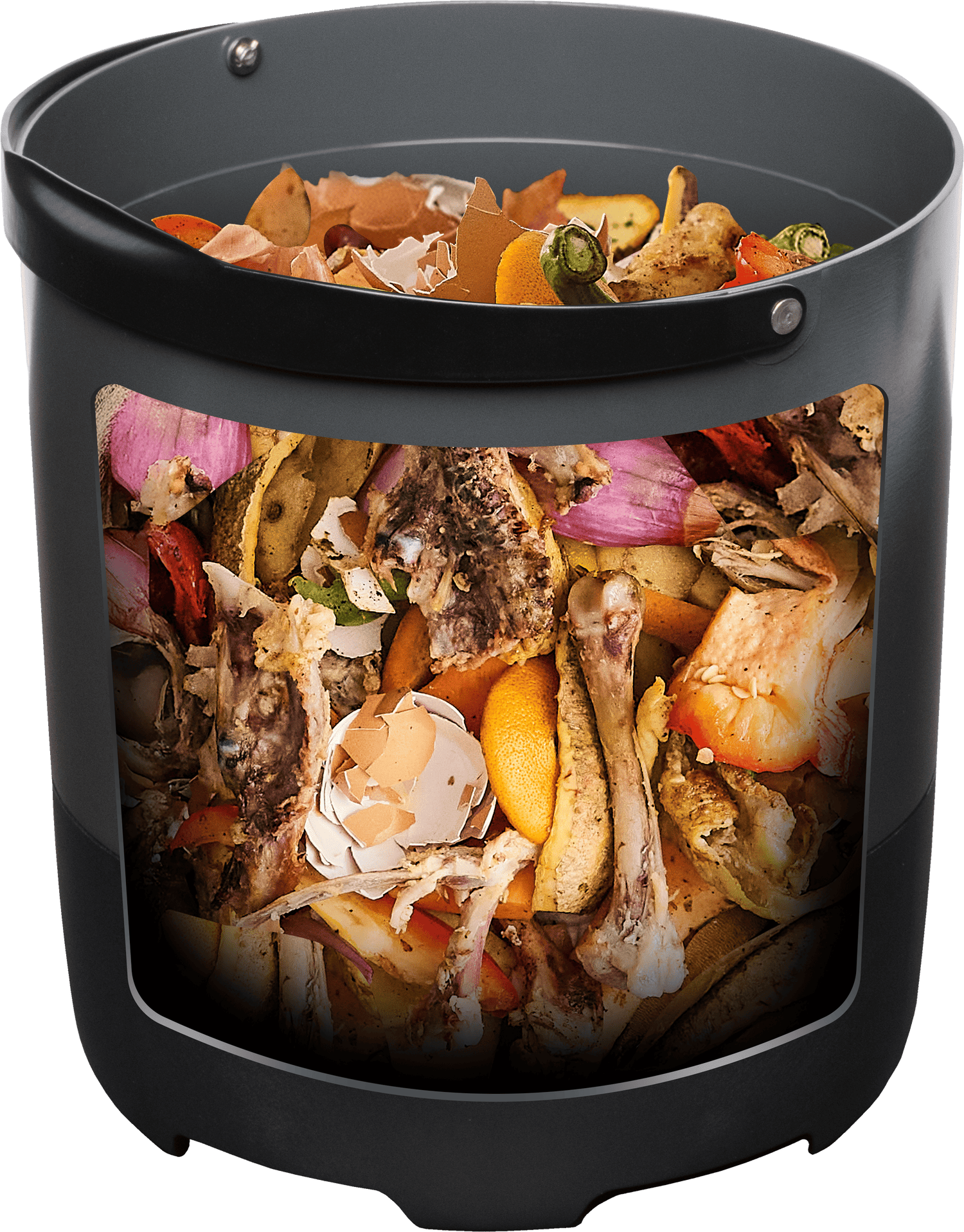
Our compost substitute works on a cycle-by-cycle basis. The FoodCycler occupies very little space on your countertop or in your cabinet, and it’s quiet and easy to use. Simply add the scraps, run the cycle, and empty the bucket as needed.
Try The FoodCycler To See For Yourself
Instead of learning how to compost indoors, embrace the cleaner, easier option. Find your FoodCycler, and shop our revolutionary food waste recycling solutions.
The future of at-home food waste management has finally arrived. Discover our premium compost alternatives now!