Key Takeaways
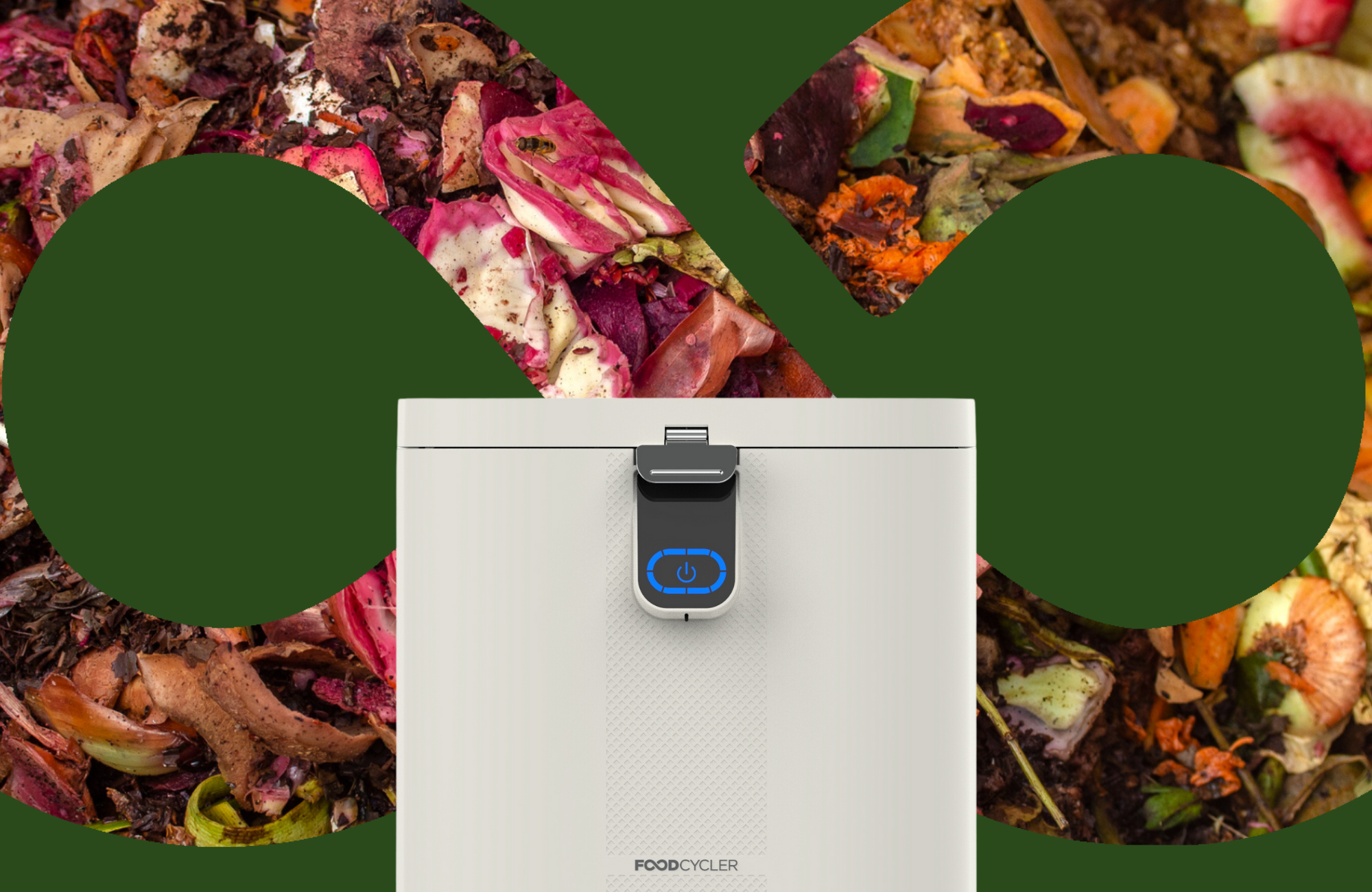
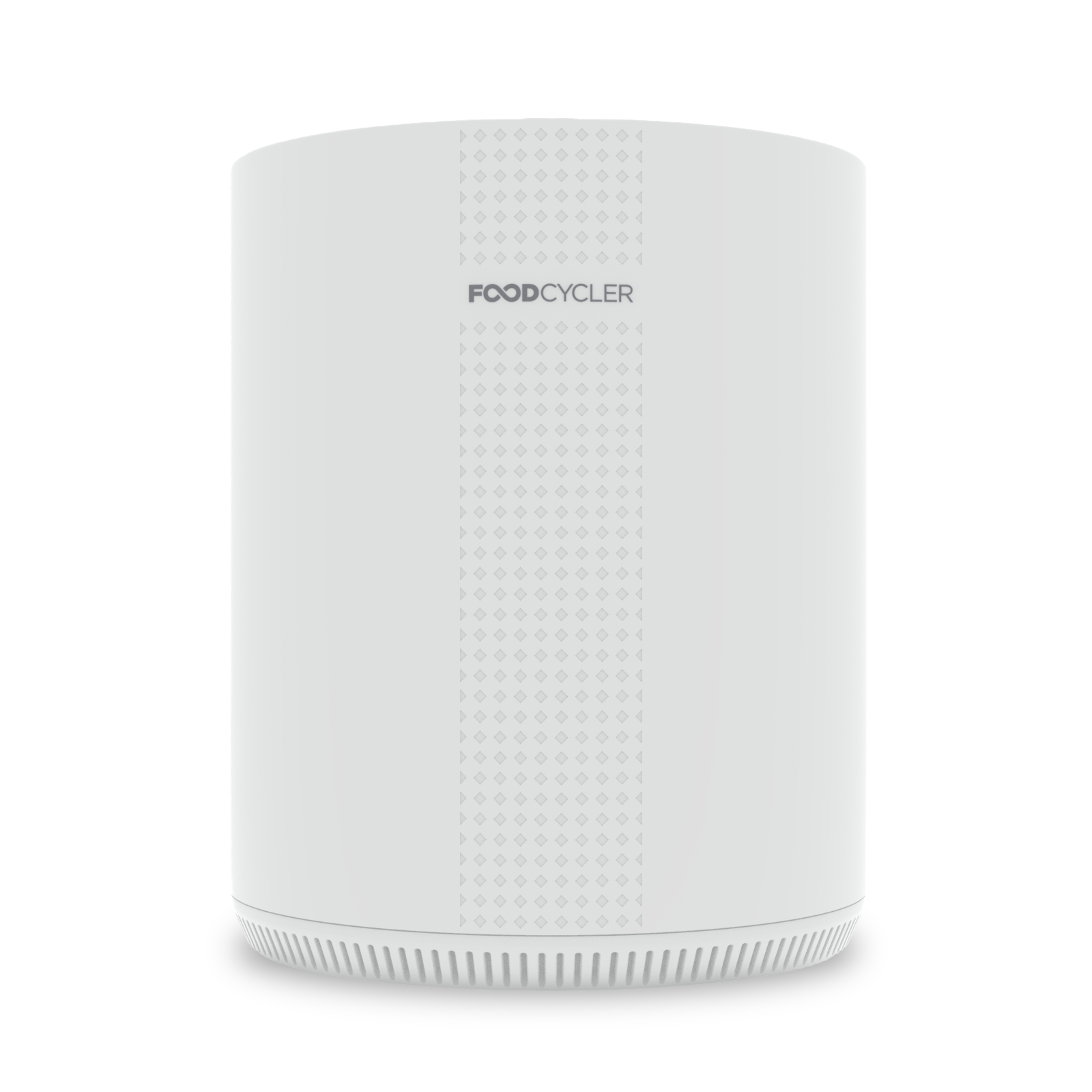
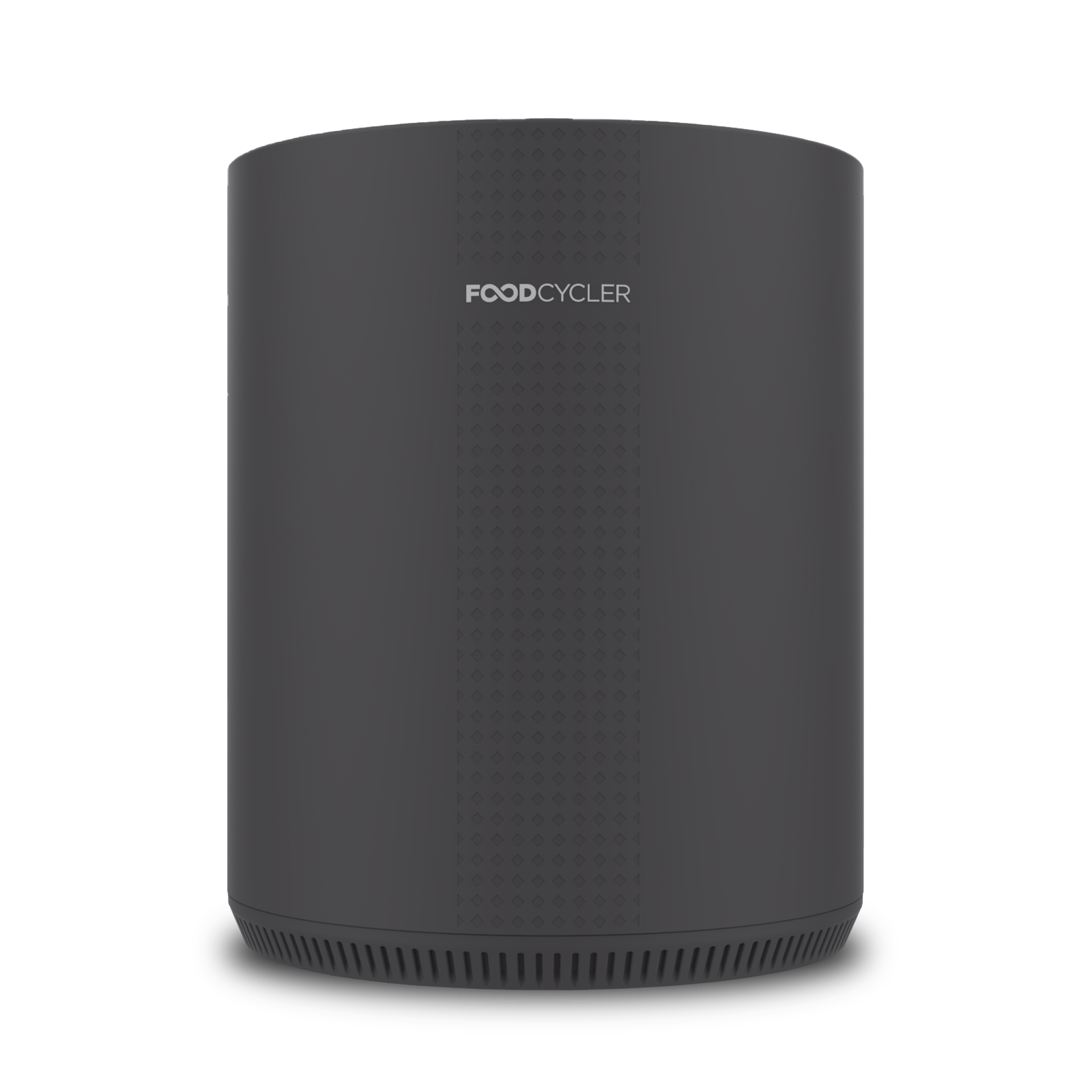
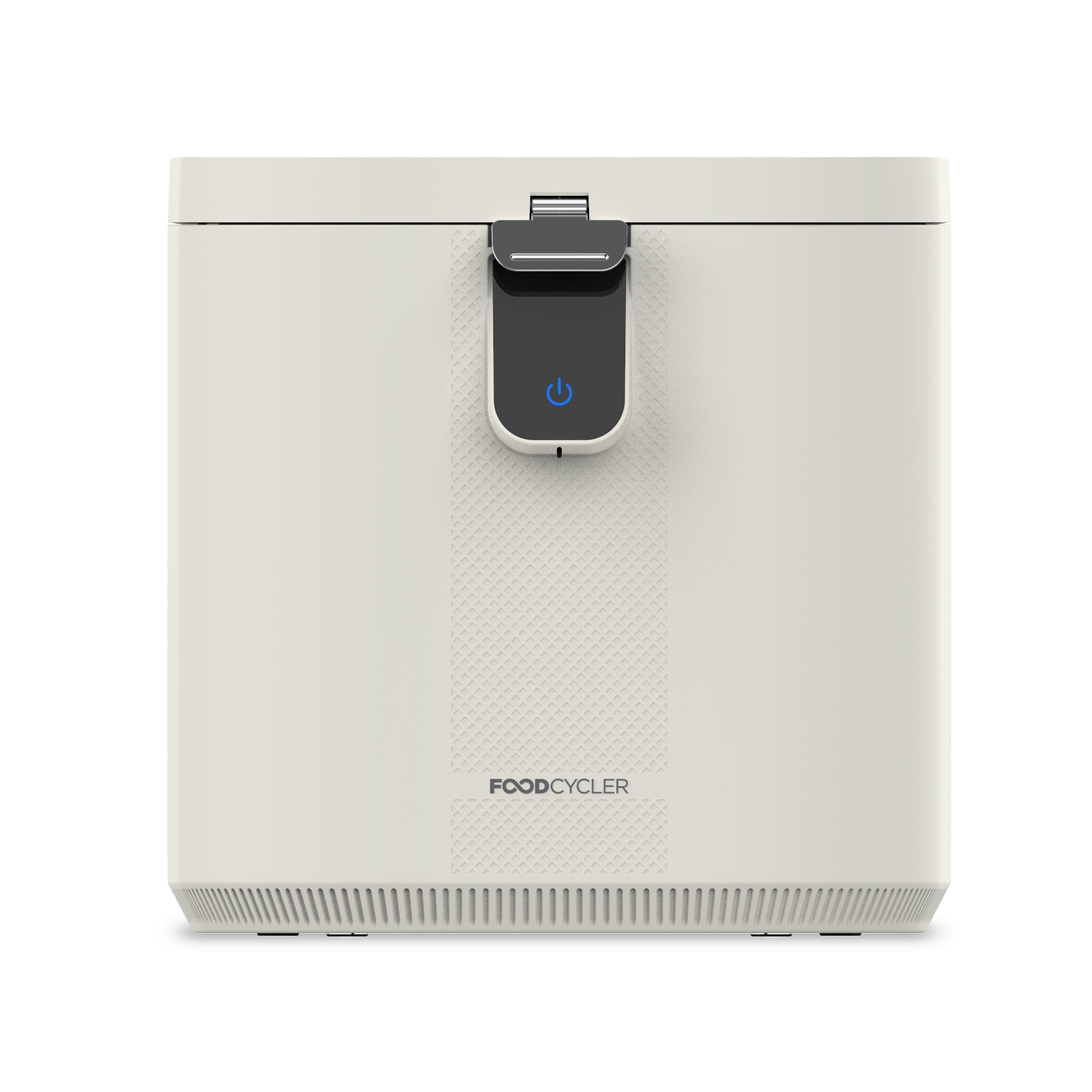
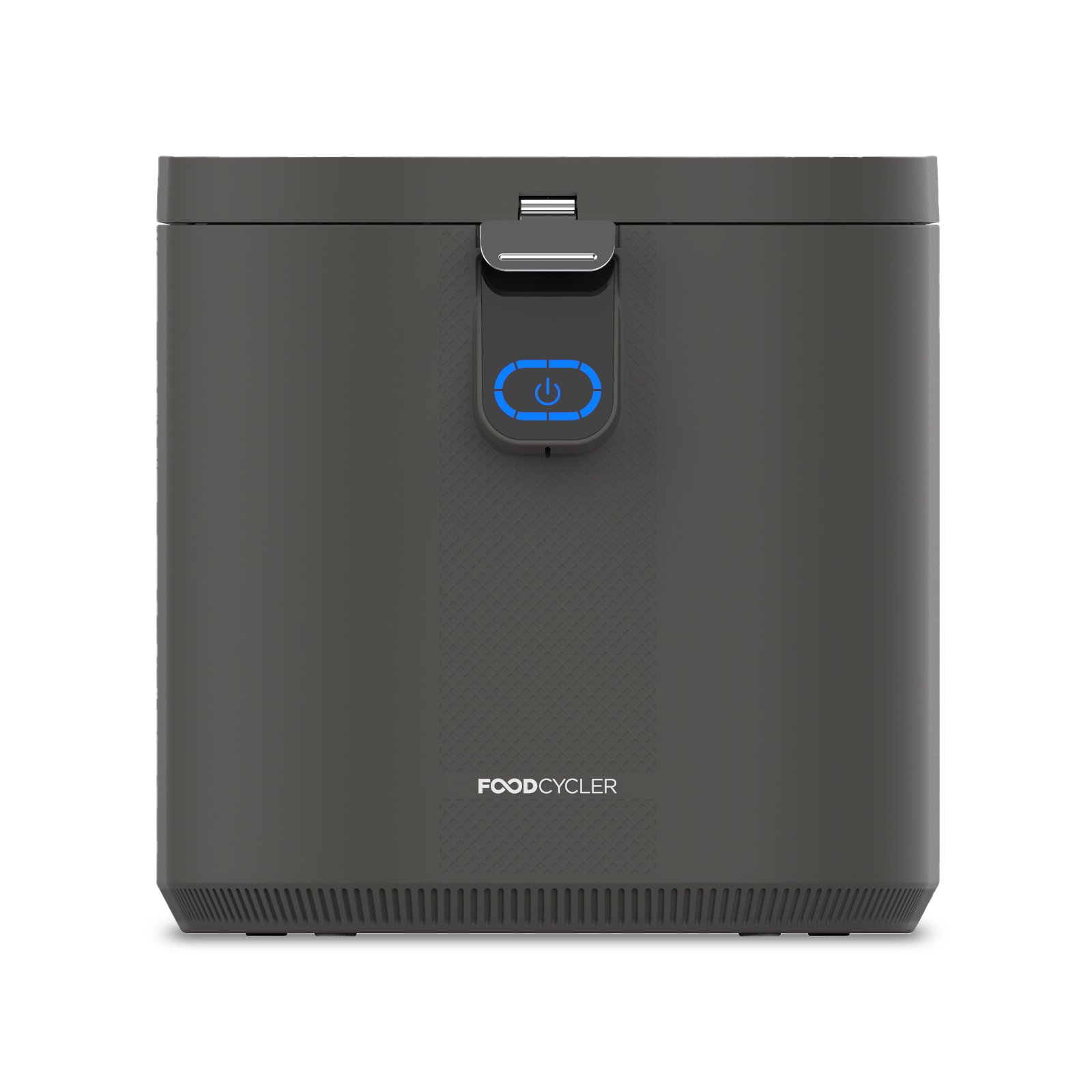
- The FoodCycler® electric food waste recycler uses a combination of heat, pulverization, and aeration to dry, grind, and cool food scraps.
- After running a cycle, you’re left with a dry by-product we call Foodilizer®
- Foodilizer can be used as a soil amendment for plants.
- Foodilizer is packed with nitrogen, phosphorus and potassium, which are essential nutrients for plant health.
Introduction:
Hey there, sustainability enthusiasts! Today, we're diving into the exciting world of food waste recycling (with a modern twist). With food waste clogging up our landfills and emitting scary amounts of methane gas into the atmosphere, tackling food waste at home has never been so important.
Imagine a world where you can recycle your kitchen scraps by turning them into nutrient-rich soil amendment, without the hassle of traditional composting. Well, that's where the FoodCycler food waste recycler comes in!
Often confused with being an "electric composter*," this small-but-mighty appliance is a game-changer in sustainable food waste management. Join us as we explore the science behind the FoodCycler process, the magical "Foodilizer" it produces, how you can use it, and its role in reducing our environmental footprint.
*It's actually an electric food waste recycler, but we'll explain that below!

What's an Electric Food Waste Recycler?
First things first, what exactly is an electric food waste recycler like the FoodCycler? Electric food waste recyclers have been called many things over the past few years: countertop composter, electric composter, dehydrator - you name it!
You can think of food waste recyclers as your convenient kitchen helper that uses a mix of heat, aeration, and pulverization to shrink your food waste while minimizing emissions and unpleasant odors. It's like composting's tech-savvy cousin, designed for those tight on space or time.

How Does the FoodCycler Work?
The science-based FoodCycler works its magic through three stages:
- Drying: It heats up to a whopping 140 degrees Celsius (284), vanquishing over 99% of bacteria and reducing food waste volume by up to 90% by removing excess moisture.
- Grinding: With its powerful rotary mechanism and blades, it transforms your food waste into small particles, ready for their transformation.
- Cooling: Finally, it cools down, making it safe to handle and use.

FoodCycler vs. Traditional Composting:
Let's talk about the FoodCycler versus traditional composting. Both are superhero methods for battling food waste, but they each have their unique powers:
-
Product Outcome: Traditional composting creates moist, bacteria-rich compost over several months, while the FoodCycler generates a dry, nearly bacteria-free biomass that can be used as fertilizer or added to compost.
-
Time & Energy: Composting takes months, relying on microbes, whereas the FoodCycler works its magic in just a few hours, with electricity.
-
Input Limitations: Traditional composting can be picky about what it accepts, but the FoodCycler handles a wider variety of food waste, including meat, processed foods and dairy.
-
Seasonality: Traditional composting can hit a roadblock during winter, but the FoodCycler thrives all year round.
The by-product created by the FoodCycler is scientifically proven to enrich your soil and help your plants grow. Are you interested in composting with Foodilizer to create a powerful, plant-boosting compost? Check out our blog:

Why Do People FoodCycle?
-
Odor-Free Solution: Say goodbye to nasty food waste odors with the FoodCycler's technology.
-
All-Season Use: It's your indoor, weather-proof food waste recycling buddy.
-
Small Space-Friendly: Perfect for city dwellers with limited room.
-
Easy To Use: You only need to add your food waste and press Start!
-
Quick Processing: Your food waste transforms into soil amendment (or Foodilizer, as we call it) in no time.
-
Versatility: It handles a wide range of food waste, including meat, dairy and most bones.
-
Eco-Friendly: Reduces methane emissions compared to landfilling food waste, contributing to a greener planet.
-
Almost Completely Bacteria-Free & Storable Fertilizer: The FoodCycler's by-product can be used as a soil amendment or fertilizer in your garden or potted plants. Because the by-product is dry and nearly bacteria-free, it can be stored long-term when kept dry!
The Science of Foodilizer:
Now, let's talk about Foodilizer – the FoodCycler's powerhouse by-product! It's packed with nutrients and can enrich your soil or compost. You may be wondering... what is it, exactly?

First things first: What is fertilizer?
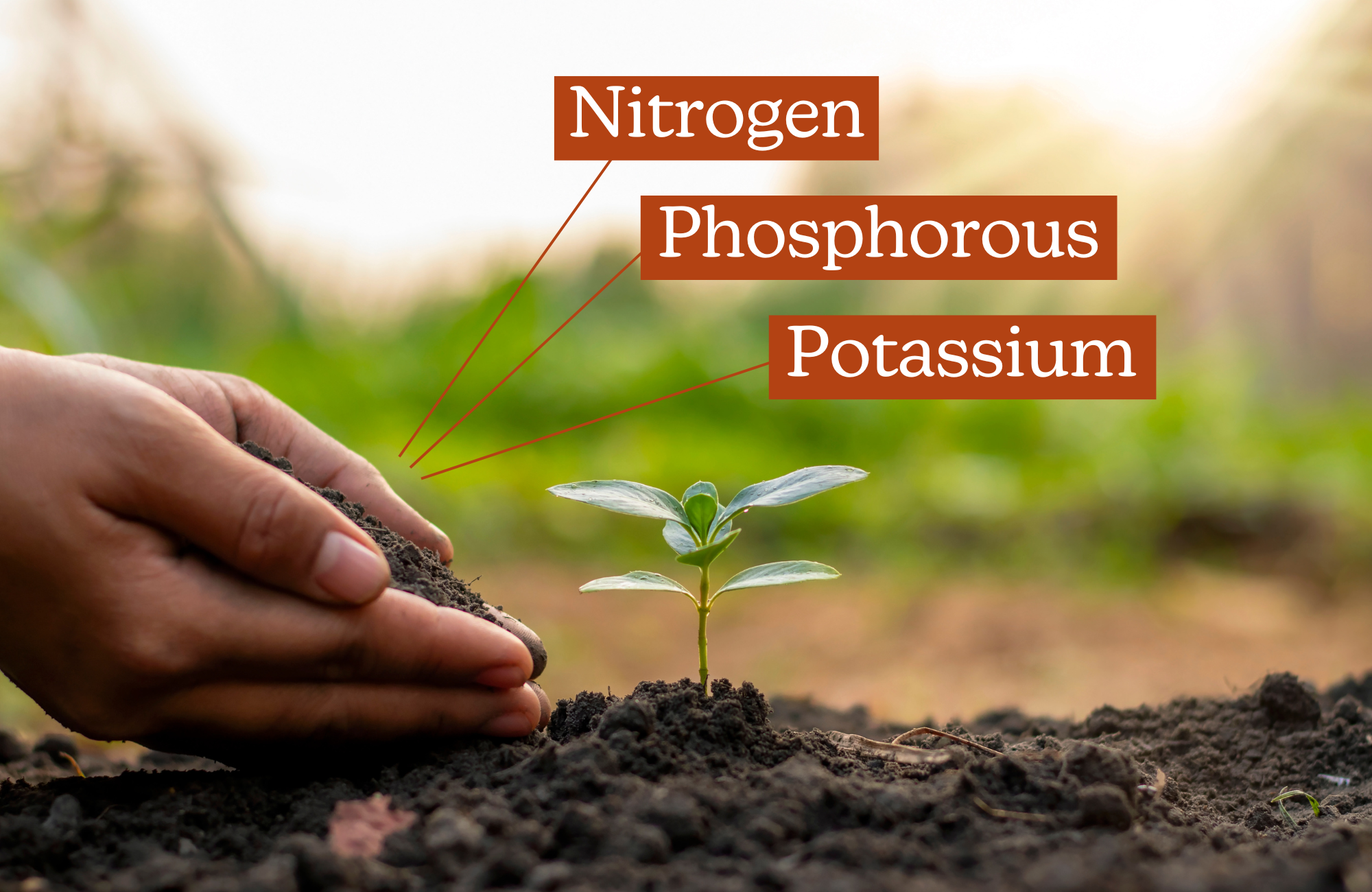
Fertilizers are like the vitamins of the plant world. Plants need six macronutrients to live; while plants can pull oxygen, hydrogen and carbon from water and air, the remaining three (nitrogen, phosphorous and potassium - or, NPK) are supplied by the soil alone. Cue: fertilizer.
Fertilizers add in controlled amounts of the remaining three macronutrients plants need to thrive, usually listed as a ratio on commercial fertilizer labels. Using fertilizer is a good way to ensure that your soil is rich enough in nutrients to properly nourish your plants.
Note: Plants also need other nutrients, like calcium, magnesium and sulfur, but these can be added in much smaller quantities.
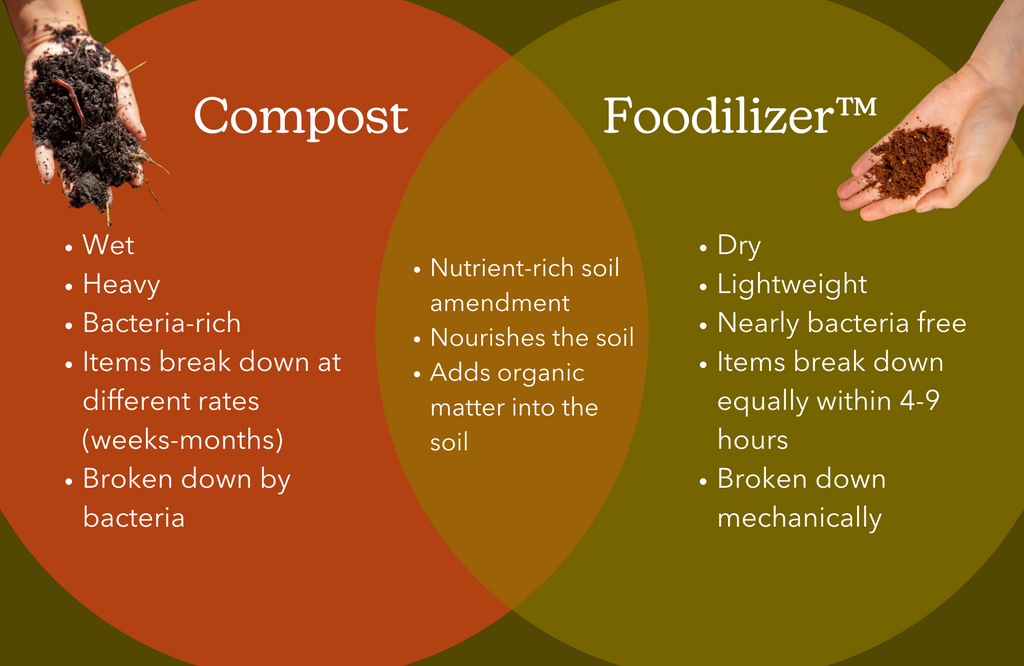
Foodilizer vs. Compost: What's the Difference?
Foodilizer is a dry, almost completely bacteria-free material that is entirely composed of food waste that you have processed in the FoodCycler food waste recycler. Because of the organic items contained in it, it is chock full of nutrients: including the all-important nitrogen, phosphorus and potassium!
Compost, on the other hand, is rich and full of bacteria - the good kind, if everything has gone to plan during the composting process! It's the bacteria that actually turn your food scraps into fertilizer, breaking them down into something chemically new.

The main way these two are different is that Foodilizer needs those good bacteria to keep breaking it down until it becomes soil: the FoodCycler speeds this process up by breaking apart the particles that make up organic matter, and removing the moisture that might slow this process down, and make it ripe for attracting odors and pests.
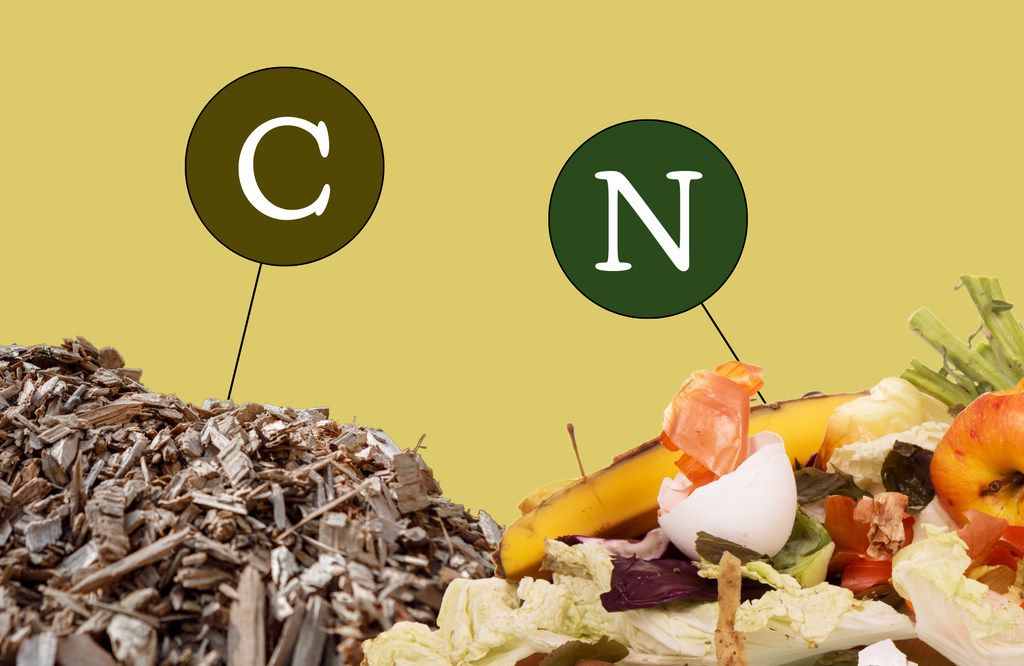
Carbon to Nitrogen (C:N): How many "greens" versus how many "browns"?
The ratio of carbon to nitrogen in soil amendments is like the secret sauce behind the scenes, affecting how microbes work their magic on organic matter. When this ratio is balanced just right, microbes in the soil have enough energy and resources to break down food waste without overloading the process.
It's equivalent to having a good work-life balance: when you have enough energy and things that "feed" you, you have more energy to handle a hefty workload!

-
Vegetarian Diet Foodilizer (FCS-Veg) has a C:N ratio of 31, which falls right into the sweet spot, between 30:1 and 40:1. This means it provides enough resources to soil or compost microbes to do the work they need to do (decompose organic matter).
-
Omnivore Foodilizer (FCS-Meat) has a lower C:N ratio at 18. Why? Well, a by-product containing meat has a much higher nitrogen ratio (from nitrates contained in animal protein). But don't worry, this isn't a downside! A lower C:N ratio can actually accelerate the decomposition process, thanks to super-charged microbe activity. The only trade-off might be a bit more nitrogen loss and possibly a tad more smell in your compost pile.
The good news? By adding more carbon materials to your compost pile or garden soil (like more FCS-Veg Foodilizer, fine wood chips or dead leaves), you can counterbalance the high nitrogen ratio and help offset some of those downsides.

How much Foodilizer should I be adding to my soil?
That depends! While typical household gardening fertilizer has a balanced NPK ratio of 5-5-5- (equal parts nitrogen, phosphorus, and potassium), the best ratio depends on what your plants need, the existing nutrient composition of the soil, and how much of the required nutrient is concentrated in the fertilizer.
Foodilizer is not the same as a standard commercial fertilizer, because the nutrient concentration varies depending on the foods you're cycling. If people are what they eat, then Foodilizer is what you cycle!

-
If your diet is rich in sodium, we recommend caution! Sodium can limit a plant's ability to absorb nutrients from the soil. Foods high in sodium include chemically preserved foods, processed foods and fast food.
-
If you eat mainly vegetables, a minimum ratio of 1 part Foodilizer to 10 parts soil offers a good balance of nutrient-to-soil mix
-
If you eat meat and dairy, a minimum ratio of 1 part Foodilizer to 20 parts soil will help dilute the high nitrogen contained in animal by-products. This will also lower the risk of odors as the meat products begin to break down in your garden soil.
-
If you are planting indoors (in potted plants) we recommend increasing the ratio (more soil) regardless of what foods are being processed. Gardens exposed to rainfall will have a certain amount of run-off, so they can handle higher concentrations of Foodilizer.
-
We recommend mixing in your Foodilizer approximately one month prior to planting seeds or transplanting adult plants - this allows the soil bacteria to break down and make use of the by-product so that the soil is nutrient-rich in time for your plants!

Things to consider when incorporating your FoodCycler Foodilizer:
-
Location of soil: are you planting indoors with potted plants, or outdoors, where runoff could leach away some of your fertilizer?
-
Watering patterns: how often do you water your plants, or how often does it rain?
-
Your purpose: are you hoping mainly to reduce your household food waste, or is your goal to create a nourishing fertilizer for your garden? (Because this would impact what you should add to your cycle!)
-
Existing soil nutrients: is your soil already very high in a certain type of nutrient? Is it lacking in others? (Soil) knowledge is (flower) power!
-
C:N Ratio: like we mentioned above, the quality of your Foodilizer is entirely dependent on what you cycle. Ensuring you have the right ratio of carbon to nitrogen is an essential part of using your Foodilizer in the garden. We'll discuss this below.
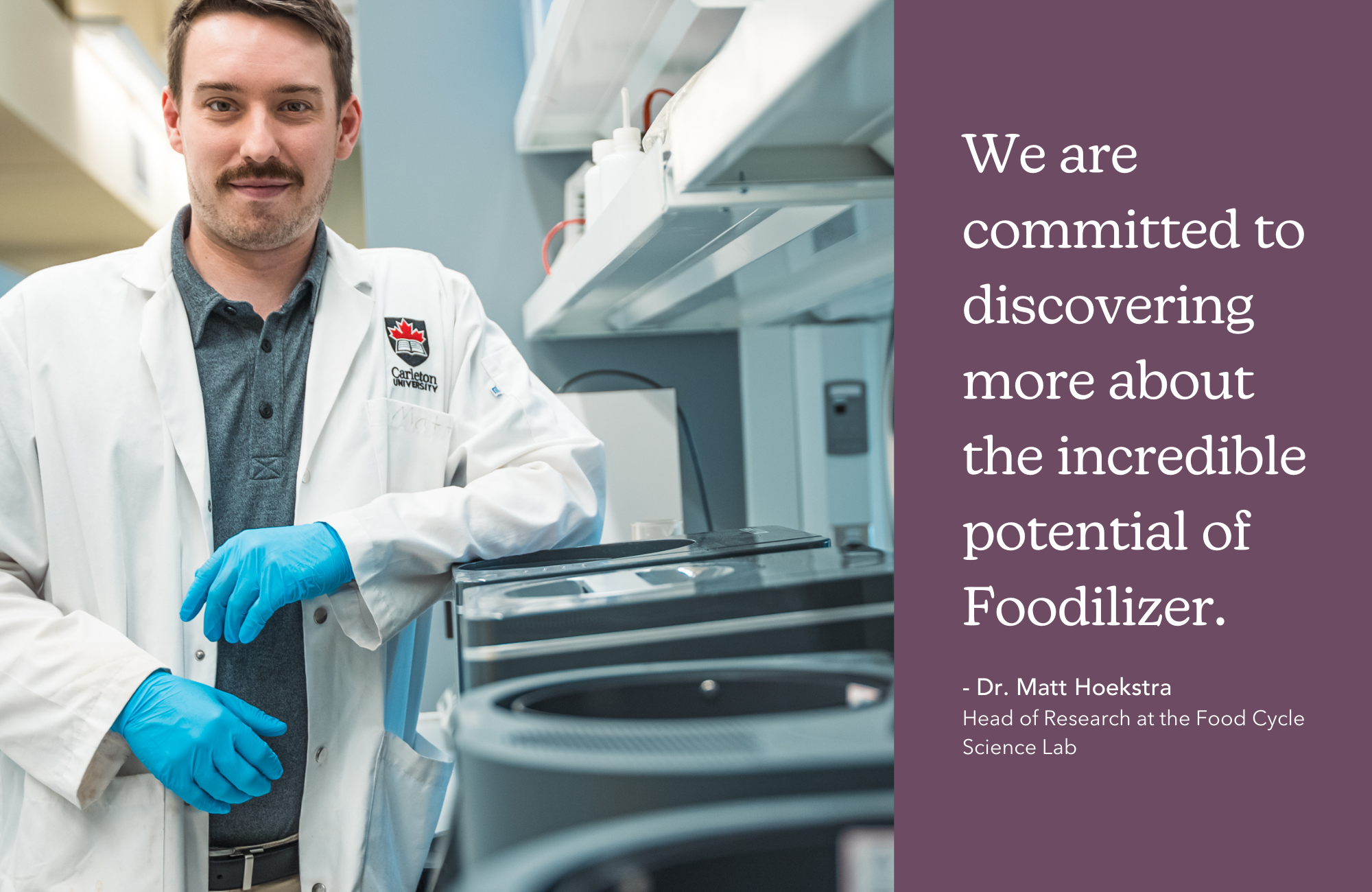

The FoodCycler Lab: Ongoing Research
We are committed to continuing to research the incredible potential of Foodilizer! FoodCycler is putting our resources into fresh research and studies, so you can expect some exciting discoveries on the horizon.
What does that look like? Well, we're getting down and dirty with all the nitty-gritty stuff - from particle size and density to pH levels, texture, and even how Foodilizer behaves with different diets. We're diving deep into plant nutrients, how they're released, pH balances, potential hiccups like phytotoxins and foodborne pathogens.
So don't worry, we've got your back! We'll share all these findings with you as soon as they're uncovered, so together, we can supercharge soil and plant health.

Final Thoughts
Whether you're a fan of traditional composting or eager to embrace modern methods like the FoodCycler, the goal is clear: reduce food waste in landfills and nourish our planet.
With its innovative technology and sustainable approach, the FoodCycler offers a fantastic alternative for city dwellers and anyone looking for a faster way to recycle your food waste. Join us in the quest for a greener, more eco-friendly future!
Order Your FoodCycler Now
Are you ready to join us in the quest for a greener, more eco-friendly future?
The Eco 3™ and Eco 5™ electric food waste recyclers reduce food waste volume by up to 90% per cycle. Our premium appliances are quiet, effortless, and powerful.
Whether you want to lead a more sustainable lifestyle, reduce messes and odors, or simply feed your plants, FoodCycler is for you. Buy yours today.
A Note on Terminology
The FoodCycler is a countertop electric food waste recycler that breaks down food scraps through a mechanical process into a dry, lightweight by-product that can be used in gardening applications as a soil amendment. The FoodCycler and other electric food waste recyclers are not composters, nor do they produce compost or soil as they do not require additional microbes to break down food waste with bacteria. However, the term "electric composter" has been used to describe electric food waste recyclers.
Sources
1- Handbook of Plant Nutrition; Barker, A.V.; Pilbeam, D.J. (Eds.) CRC Press: Boca Raton, FL, USA, 2015.
2 - Umn.edu. (2018). Quick guide to fertilizing plants. [online] Available at: https://extension.umn.edu/manage-soil-nutrients/quick-guide-fertilizing-plants [Accessed 20 Aug. 2024].
3 - Nature.com. (2014). Plant-Soil Interactions: Nutrient Uptake | Learn Science at Scitable. [online] Available at: https://www.nature.com/scitable/knowledge/library/plant-soil-interactions-nutrient-uptake-105289112/ [Accessed 20 Aug. 2024].