
Key Takeaways
- Learning how to plant a victory garden begins with choosing a sunny space and a short list of foods your household already enjoys.
- Some of the best inexpensive gardening ideas use seeds, reused containers, vertical supports, and careful crop planning.
- A small garden can supplement grocery shopping without requiring a large yard, a perfect setup, or an expensive collection of tools.
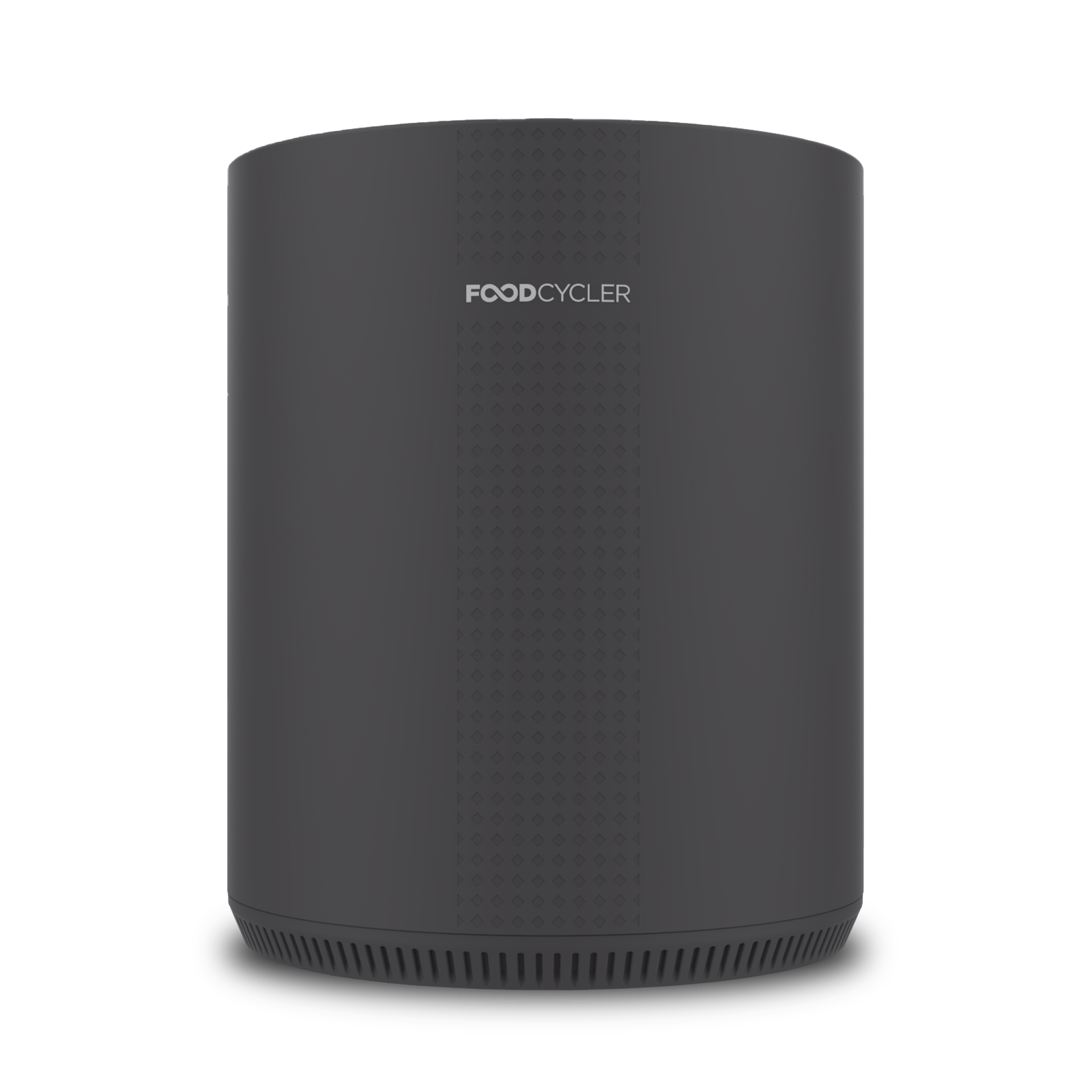
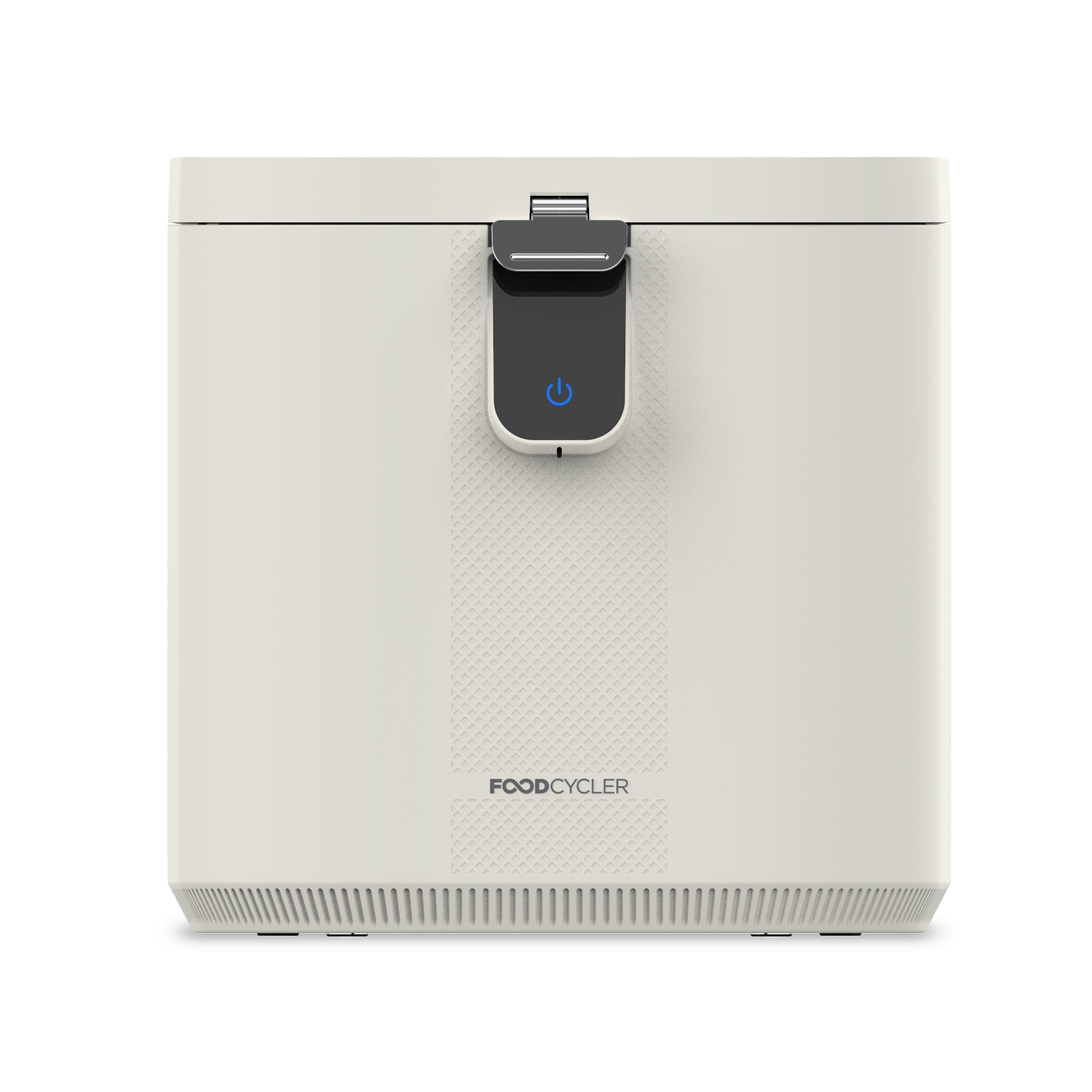
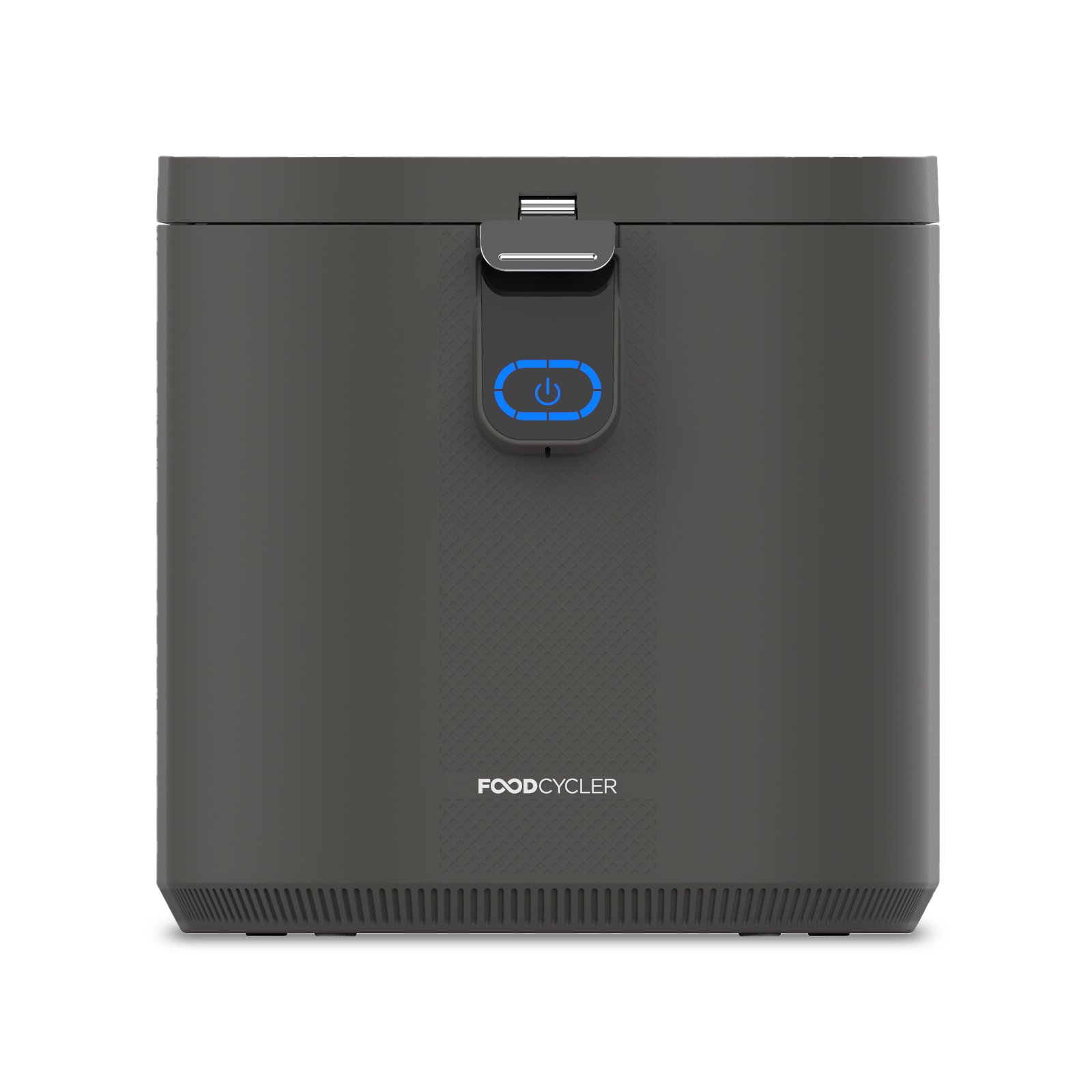
- FoodCycler® helps connect kitchen cleanup with garden care by turning eligible food scraps into Foodilizer®, a dry, nutrient-rich by-product for garden applications.
A food waste recycler can make a personal victory garden more practical. FoodCycler helps manage scraps from meal preparation, harvest trimming, and the occasional cucumber that stayed hidden until it was far too ambitious for dinner.
If you are learning how to plant a victory garden, start small (that way, the mistakes are less costly, too!). Choose a sunny location, grow foods you eat, and build a routine you can maintain. The best garden is the one you still water in July.

What Is a Personal Victory Garden?
Victory gardens became widely associated with households growing food during the World Wars throughout the United Kingdom and North America. Today, they give families more control over a small part of their food supply and reconnect the kitchen with the soil.
You do not need to feed a neighborhood. Salad greens, several tomato plants, and a generous herb patch can reduce repeat grocery trips and put fresh flavor within reach of the kitchen.
The practical answer to how to start a victory garden is to define “victory” for your household so you can declare it with pride. It might mean weekly herbs, summer vegetables, or fresh greens for several meals. It might mean something to share with the neighbors, or simply serve as your first attempt at your burgeoning garden skills.
Choose Crops That Earn Their Space
Good crop selection is one of the most effective inexpensive gardening ideas. Choose productive plants suited to your climate and worth harvesting regularly.
Leaf lettuce, bush beans, cherry tomatoes, green onions, zucchini, and herbs are approachable choices. A household that rarely eats radishes should not plant six rows because the seed packet was charming. Let the menu guide the garden.
When deciding how to plant a victory garden, consider timing. Sow small amounts of quick-growing greens every couple of weeks. Succession planting creates manageable harvests instead of one memorable afternoon surrounded by forty lettuces.
Use the Space You Already Have
A backyard plot is helpful, not required. Containers, balconies, patios, and sunny front steps can support food crops, making how to start a victory garden realistic for renters, urban households, and homeowners.
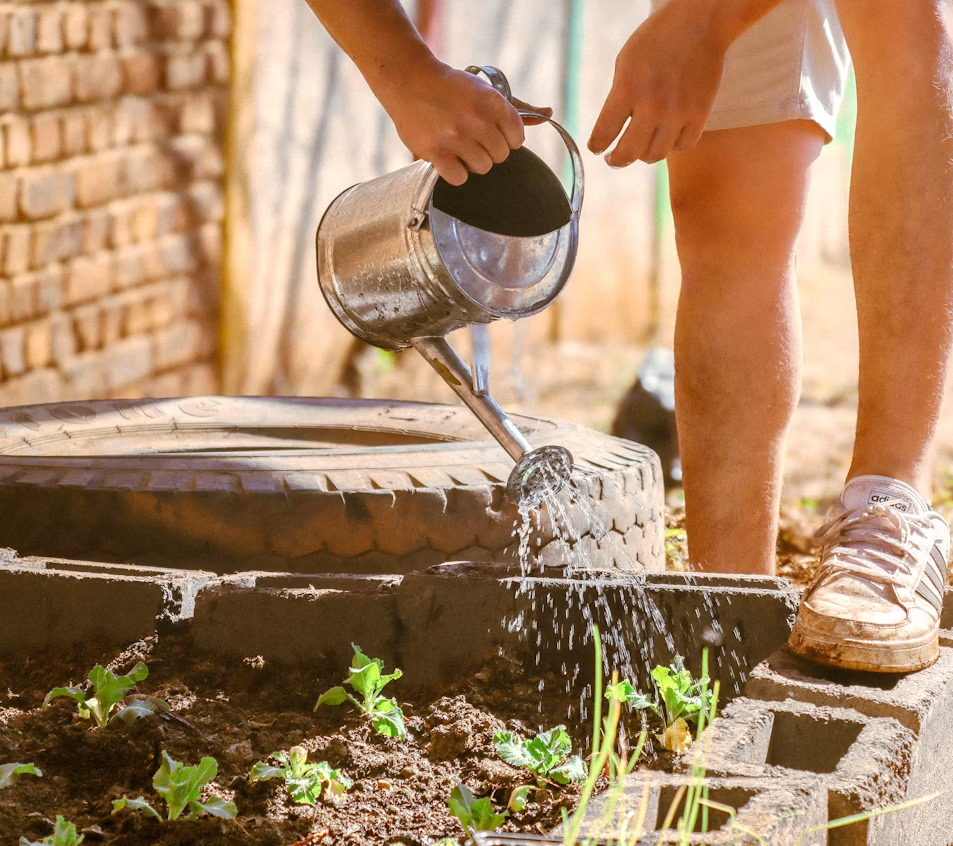
Reuse sound nursery pots, food-safe containers, or wooden planters. Add drainage holes and avoid brittle plastics that may break down. Trellises move peas, beans, and cucumbers upward, leaving ground space for compact crops.
These inexpensive gardening ideas direct money toward seeds and healthy growing conditions, not decorative equipment. A clean bucket, sturdy stake, or salvaged board is entirely respectable in a productive garden.
Build Better Soil Without Making It Complicated
Healthy soil supports strong roots, steady moisture, and reliable harvests. Before planting, loosen compacted ground and add suitable organic matter or a soil amendment for the site.
FoodCycler can become part of this routine. It processes eligible scraps into Foodilizer, a dry, nutrient-rich by-product for garden applications. The Foodilizer guide explains how to mix it with soil correctly rather than treating it as compost or fertilizer.
For beginners learning how to plant a victory garden, this creates a useful household loop. Vegetable peels and unused food are managed indoors, while the by-product supports garden soil when used as directed.
Spend Where It Improves the Routine
You can garden with a trowel, gloves, seeds, and a watering can. Spend more when a purchase solves a repeated problem. Comfortable pruners make sense for weekly use. Three tools rarely need an elaborate organizer.
The same reasoning guides how to start a victory garden. Invest in durable items that improve consistency, reduce waste, or serve multiple household tasks.
FoodCycler fits that standard throughout the growing season. It organizes kitchen scraps, reduces eligible food waste volume by up to 90% per cycle, and creates a by-product for garden applications. That is a broader value than a tool used twice each spring.