
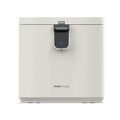

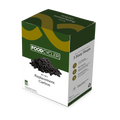

How to Make Foodilizer
Learn how the FoodCycler transforms everyday food scraps into dry, nutrient-rich Foodilizer you can use in your garden.

From food waste to enriched soil, learn how your nutrient-rich by-product supports healthier plant growth.
Foodilizer is a dry, nutrient-rich by-product created with every FoodCycler cycle. Made from your food scraps, it transforms food waste into a powerful soil booster for your plants, garden, or green space.

With the FoodCycler, creating your own soil-boosting Foodilizer is quick, clean, and simple. Here’s the process from start to finish.
1
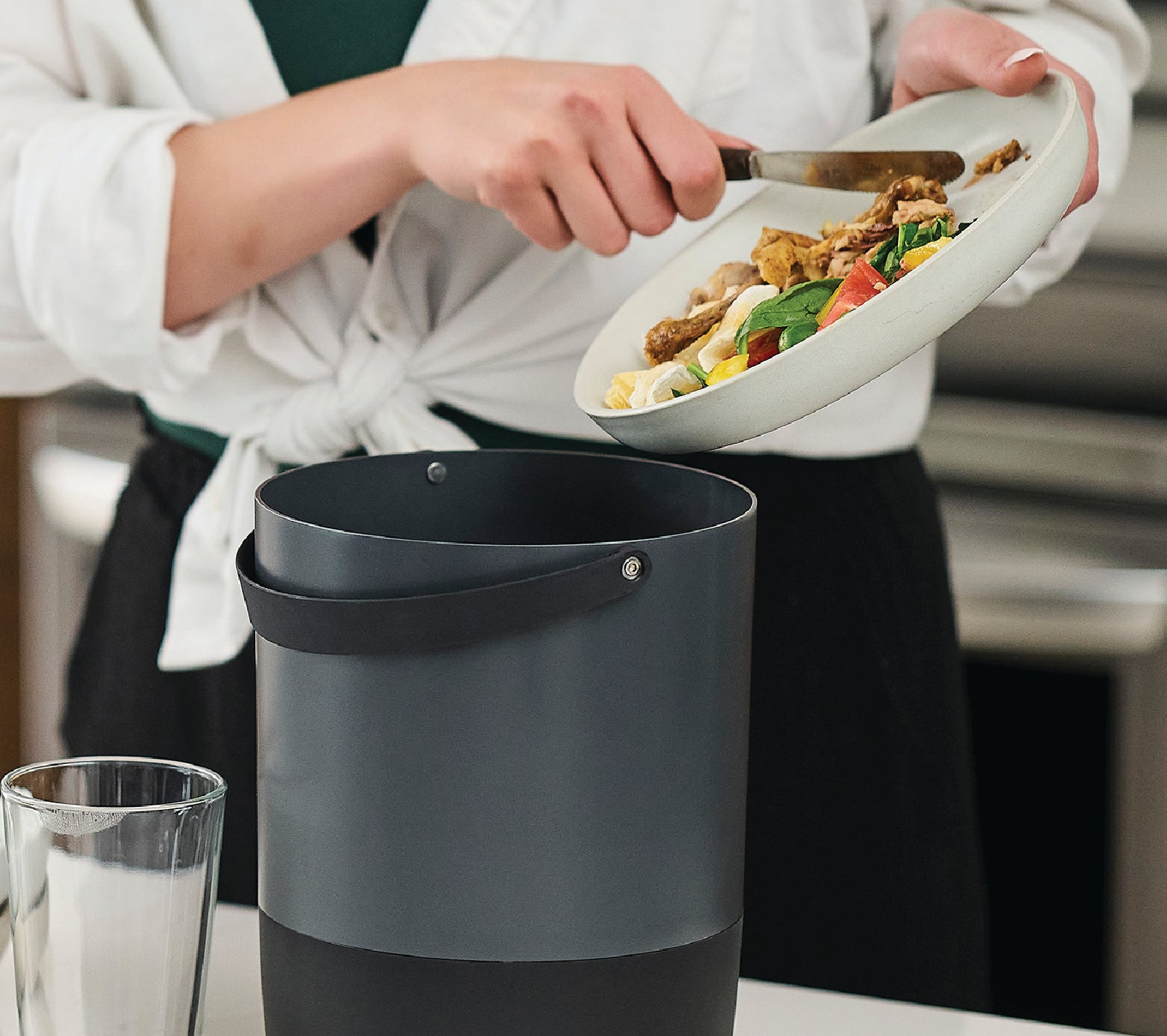
Add Your Food Scraps
Scrape your leftovers, peels, pits and other food waste into the FoodCycler bucket. It can handle almost any type of food waste, except large beef bones.
2
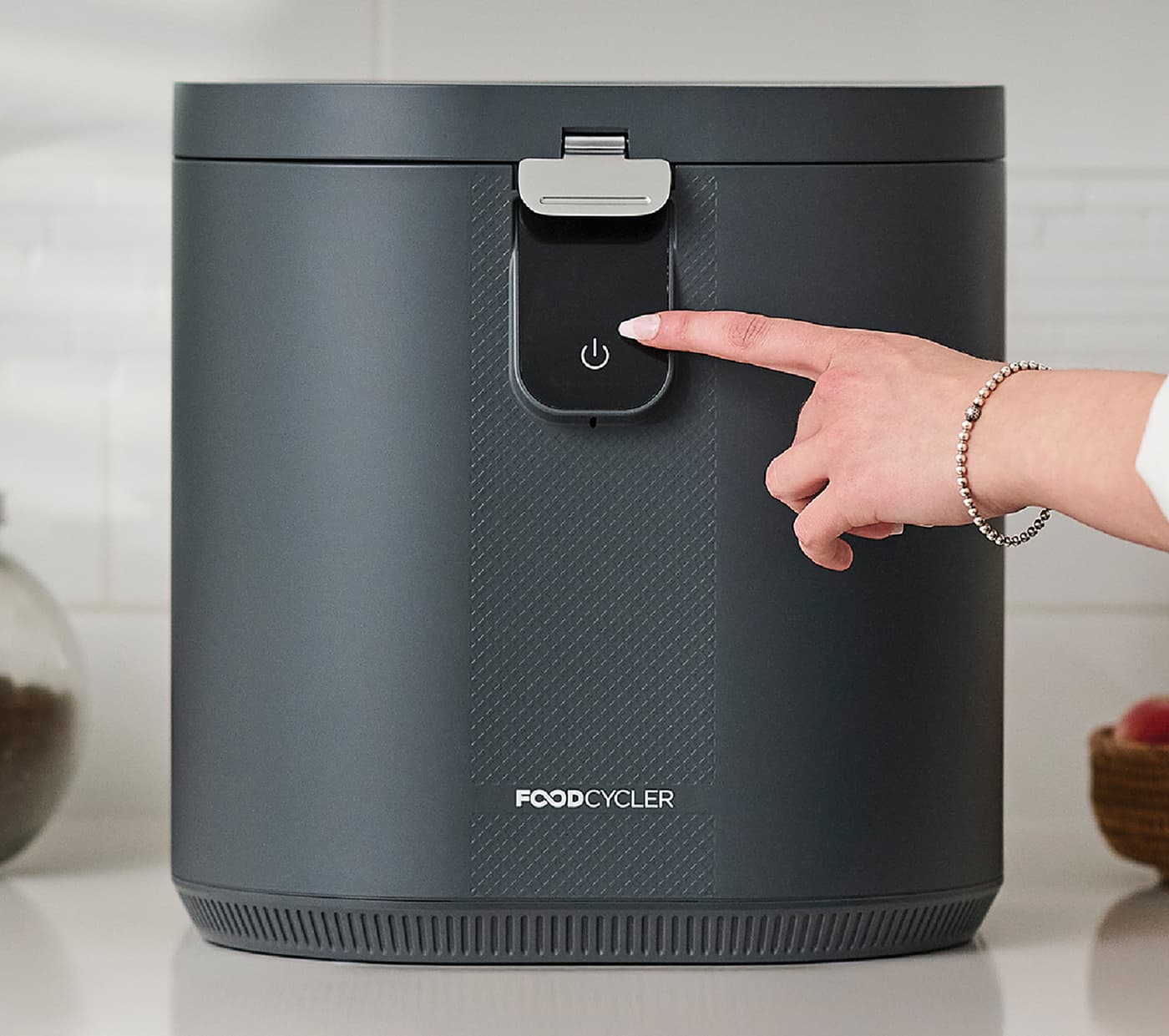
Press Start
Our innovative technology, Vortech, is an advanced grinding system that can process stubborn shells, onion skins, rotting leaves and other scraps in just a few hours.
3
Use your Foodilizer
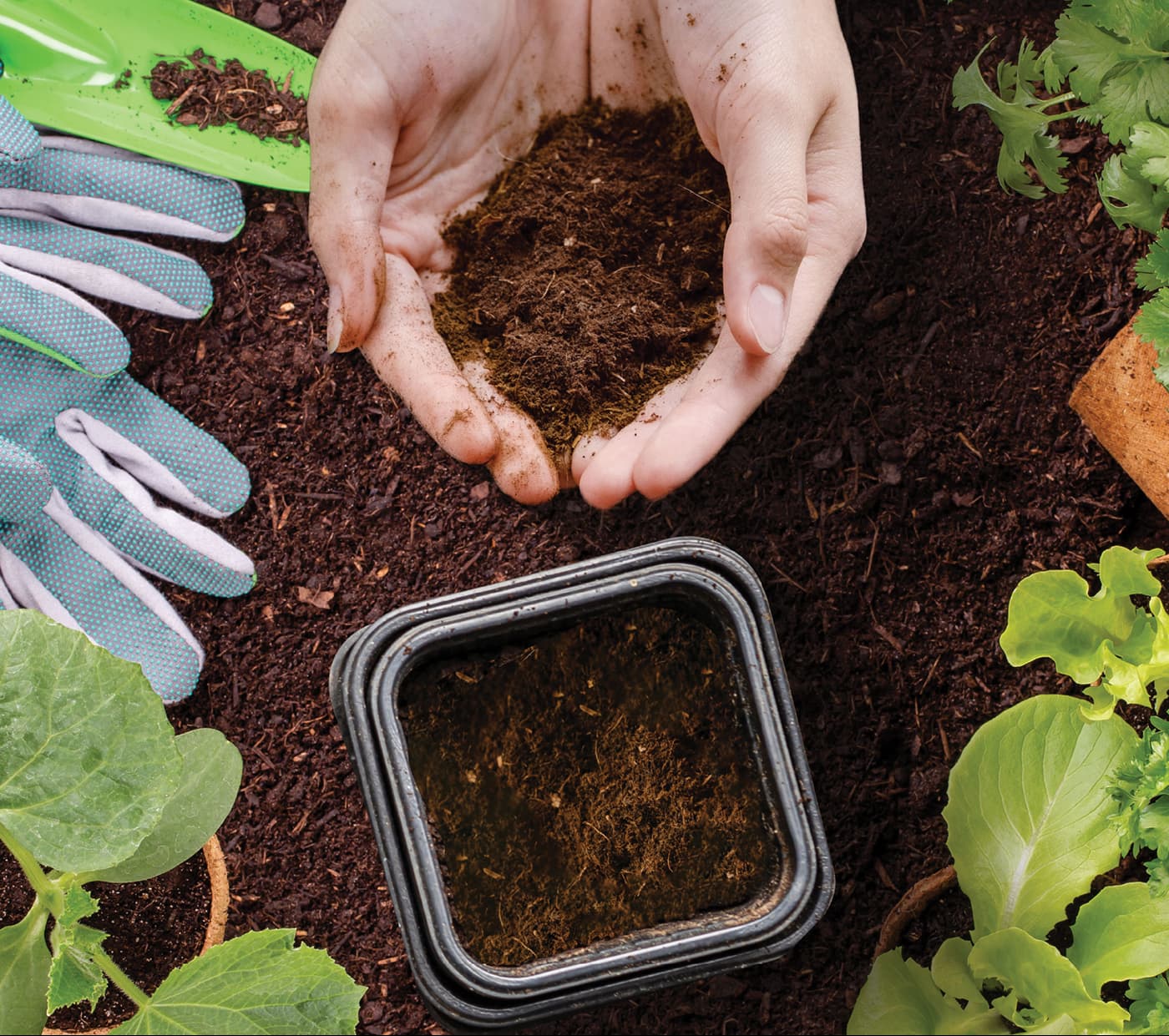
Recycling food waste produces a reusable by-product that can be mixed with soil or compost and used in many gardening applications.
Foodilizer is more than just recycled scraps, it’s a powerful blend of nutrients and organic matter that works hard to improve your soil’s health and help your plants flourish. Here’s what makes it so effective:
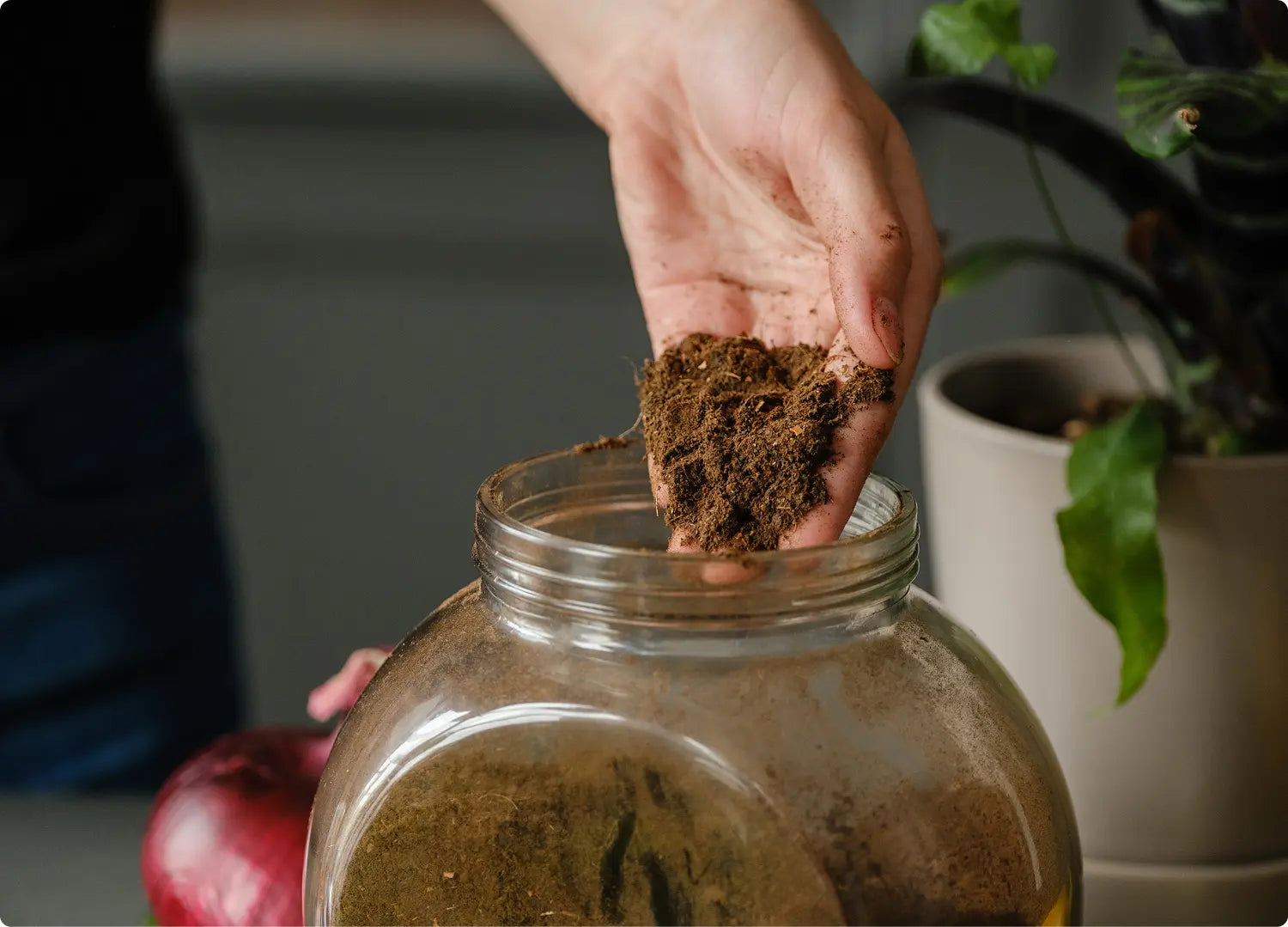
Nutrient-Rich: Packed with essential nutrients like nitrogen, phosphorus, and potassium to help your plants thrive.
High in Organic Matter: Improves soil’s water retention and slowly releases nutrients over time for lasting plant health.
Feeds Soil Microbes: Supports beneficial microbes that enhance nutrient cycling and soil fertility.
Ready to Supercharge Your Plants?
Download Foodilizer Gardening GuideGet the most out of it
Whether you’re growing your own garden, supporting your community, or managing waste responsibly — here are some great ways to make the most of it.
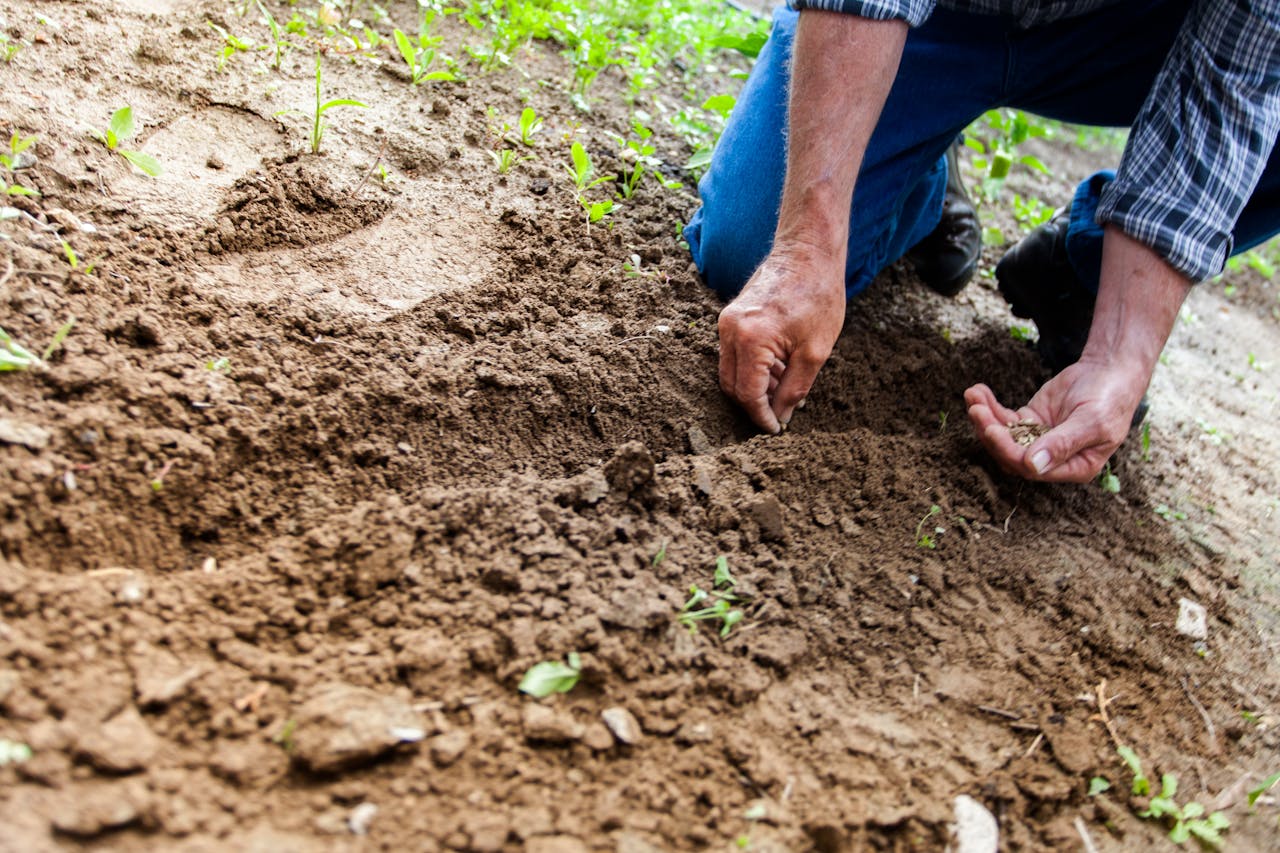
If you have a garden or grow your food, you can use the Foodilizer as a supplement to soil amendment products. The Foodilizer is also safe to store for future use.
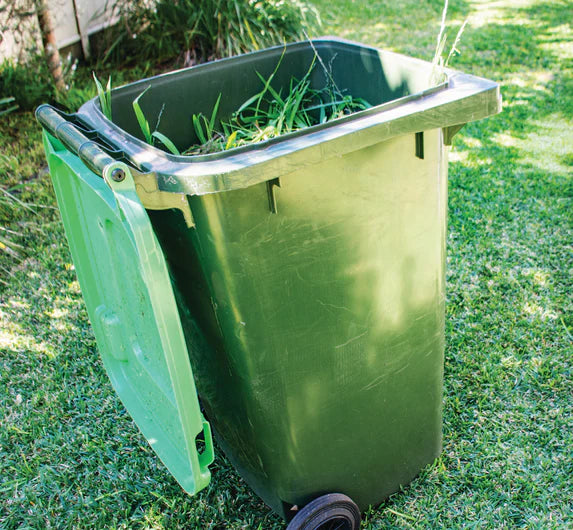
Add it to your green bin or compost haul. Your current trash hauler can pick it up and use it.
Donate your Foodilizer to local farmers, community gardens, or garden centres.
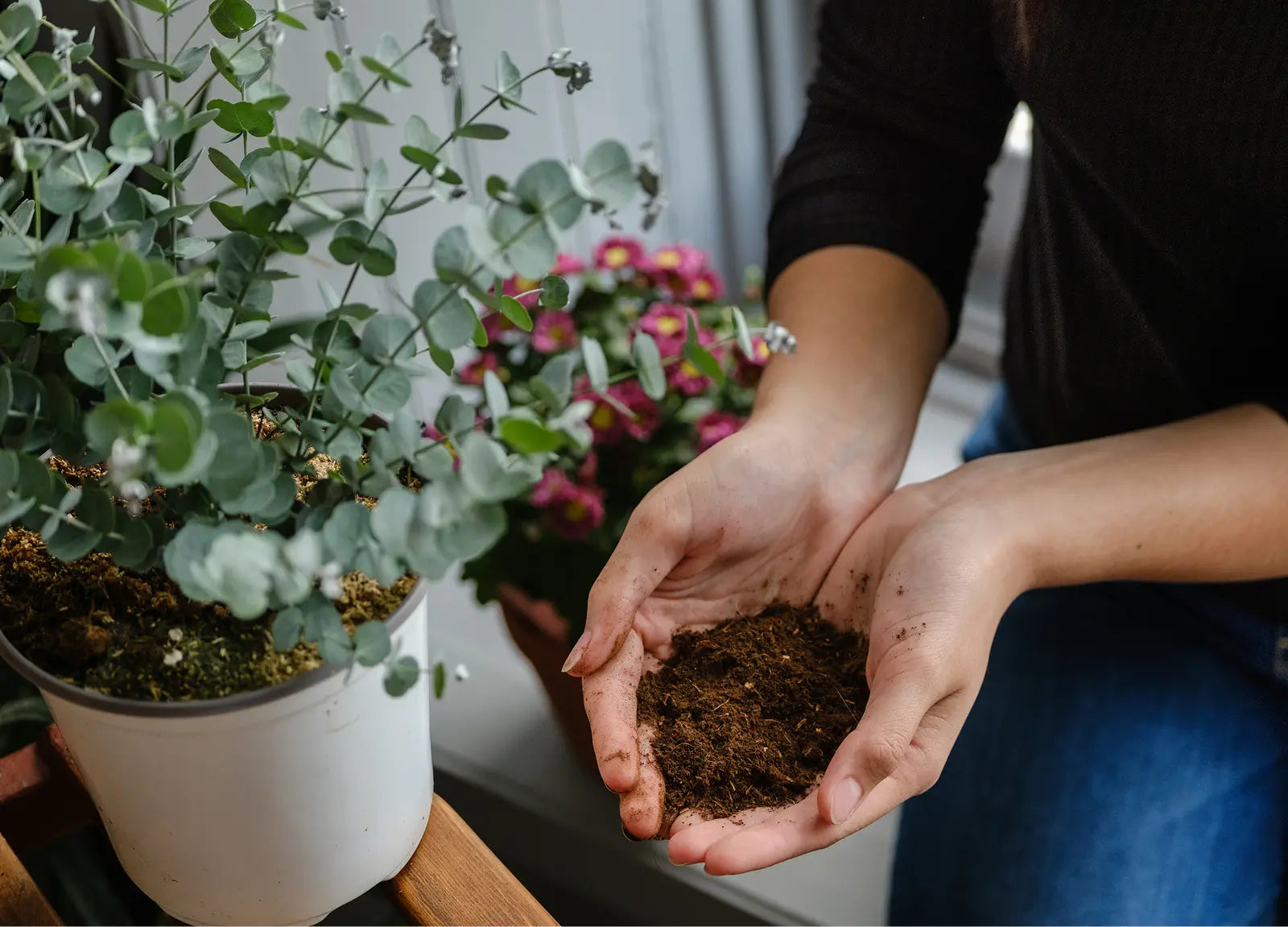
Mix your Foodilizer with compost to improve microbial activity and nutrient retention.
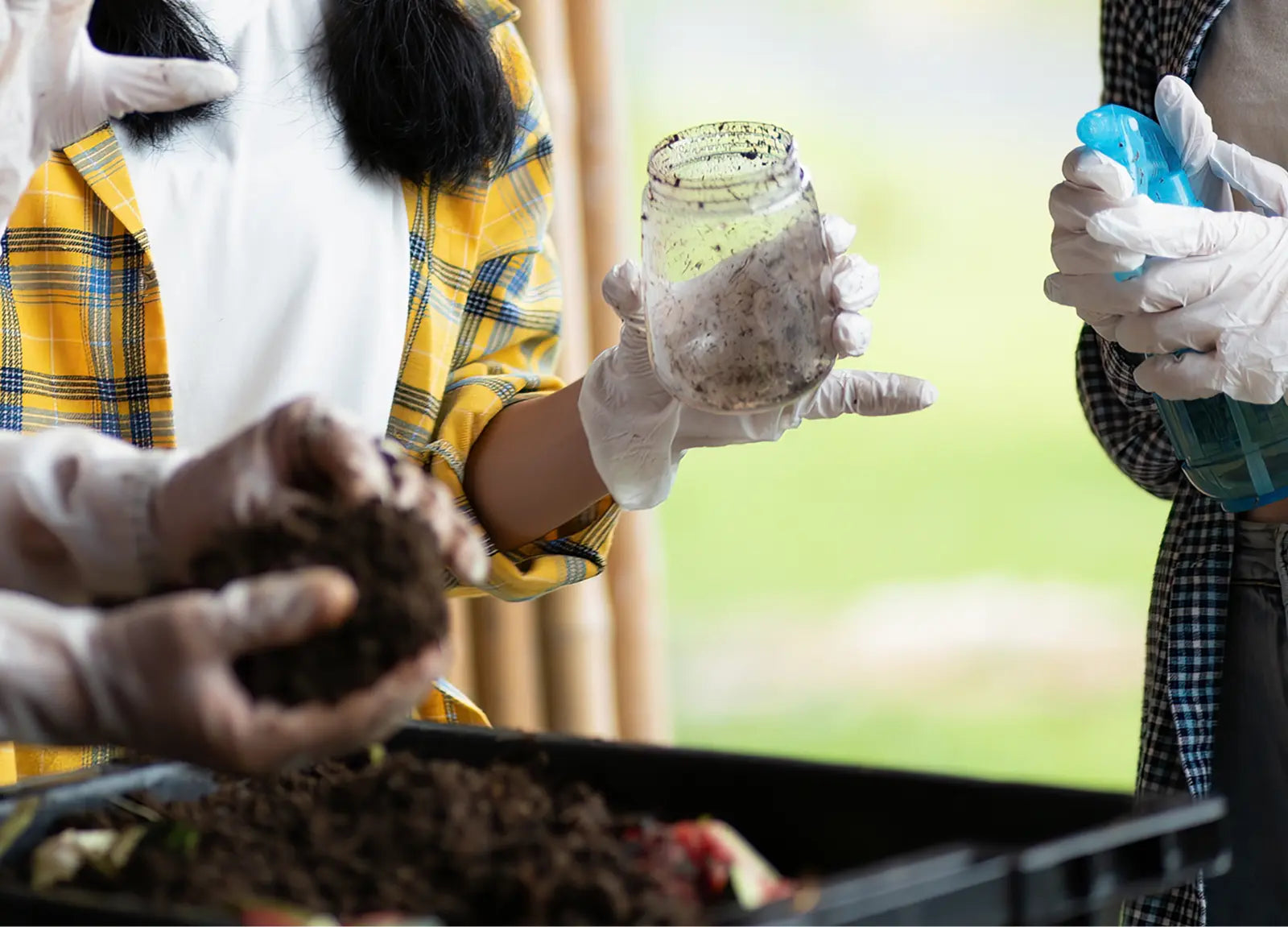
Learn practical tips on applying Foodilizer to nourish your soil and promote vibrant, healthy plants.
Learn how the FoodCycler transforms everyday food scraps into dry, nutrient-rich Foodilizer you can use in your garden.

Discover the best way to store your Foodilizer so it stays fresh and ready for whenever your plants need a boost.

See how to mix Foodilizer into soil for indoor and patio plants to help them thrive.
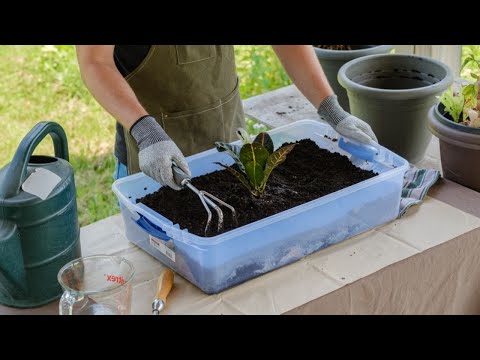
Learn how to enrich your garden with Foodilizer.

Learn how to apply Foodilizer to your backyard compost.

Discover the best way to support your grass by applying Foodilizer to your lawn.
The color and texture of your Foodilizer will vary depending on the materials added to your FoodCycler cycle. This is completely normal and part of the natural process.
Foodilizer can be used to supercharge your compost by adding nutrients and helpful microbes that speed up decomposition. Simply mix it into your compost pile along with your regular food scraps ("greens") and carbon-rich materials ("browns" like dried leaves or yard trimmings). Vegetarian Foodilizer (plant-based) can be used more directly, while omnivore Foodilizer (with meat/dairy) should be balanced with extra carbon to avoid odors. For best results, add Foodilizer a few weeks before planting so the soil has time to enrich.
If you notice smells or critters near your garden plot after adding Foodilizer, it likely means the by-product isn’t fully mixed into the soil. Simply add more soil and mix thoroughly to prevent odors and pests.
Foodilizer can produce odors and be susceptible to mold if moisture is reintroduced. Make sure to store it correctly, in an air-tight container where the temperature doesn’t fluctuate. When it comes time to incorporate it into soil, a garden bed, or a compost pile, make sure there’s enough room for aeration and follow the gardening guide for optimal results.