Points clés à retenir
-
Garbage disposals solve part of the food waste problem, but households still have to manage the scraps that don’t belong down the drain.
-
Smells, pests, sorting, storage and maintenance are often the real friction points in everyday disposal routines.
-
Modern food waste solutions aren’t necessarily about replacing what already works - they just make the overall habit simpler.
-
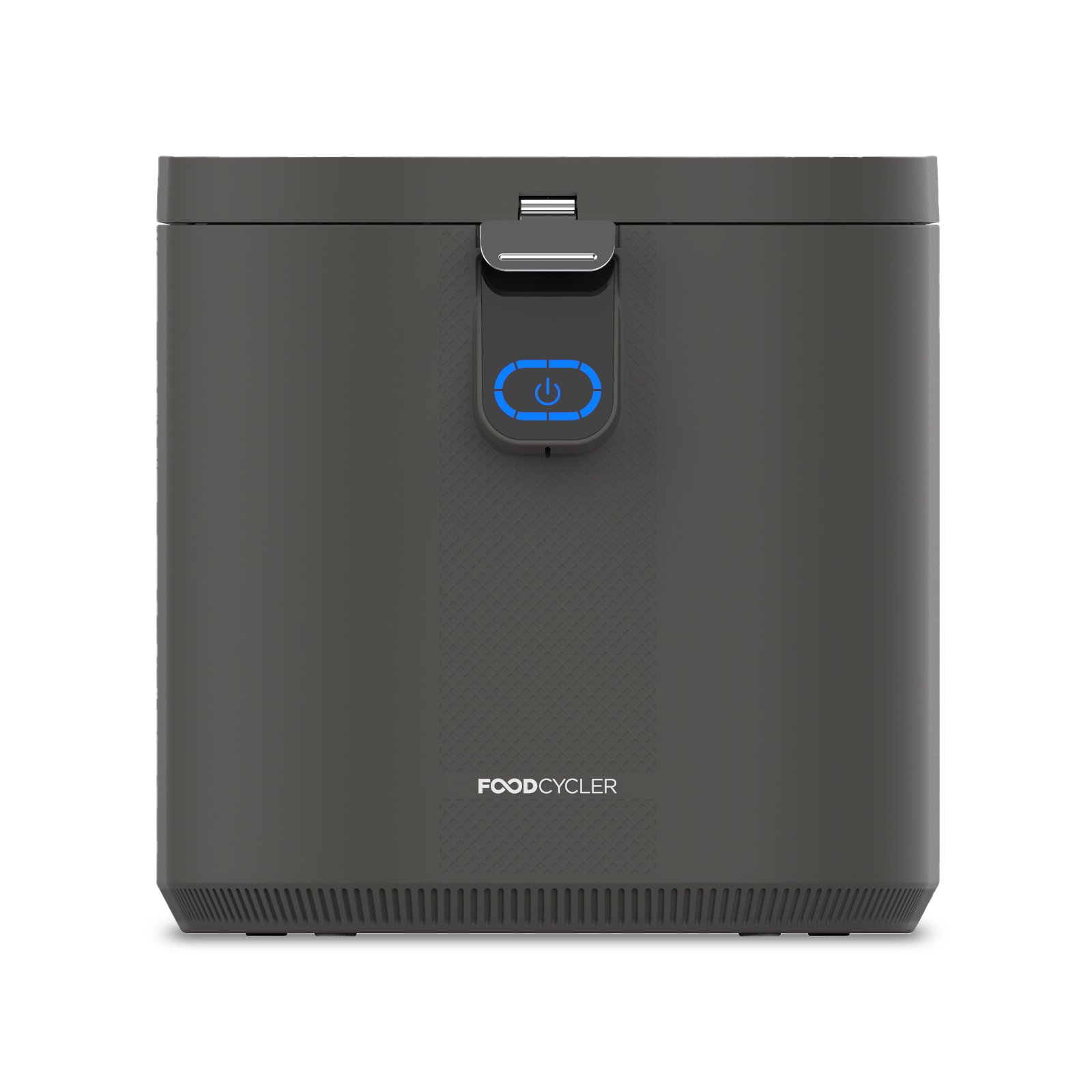
Electric food recyclers like the FoodCycler process a broad range of food scraps in one place, reducing food waste volume by up to 90%.
-
The best alternative is the one that solves the friction of your household’s food waste routine.
If you have a garbage disposal, you probably don't spend much time thinking about it.
It's there. It works. You use it.
And if your home came with one already installed, replacing it with some entirely different food-waste system may not be anywhere near the top of your renovation list.
So why are more households looking at alternatives to garbage disposals and other ways to manage food waste?
Maybe the better question is what parts of dealing with food waste could simply be better?
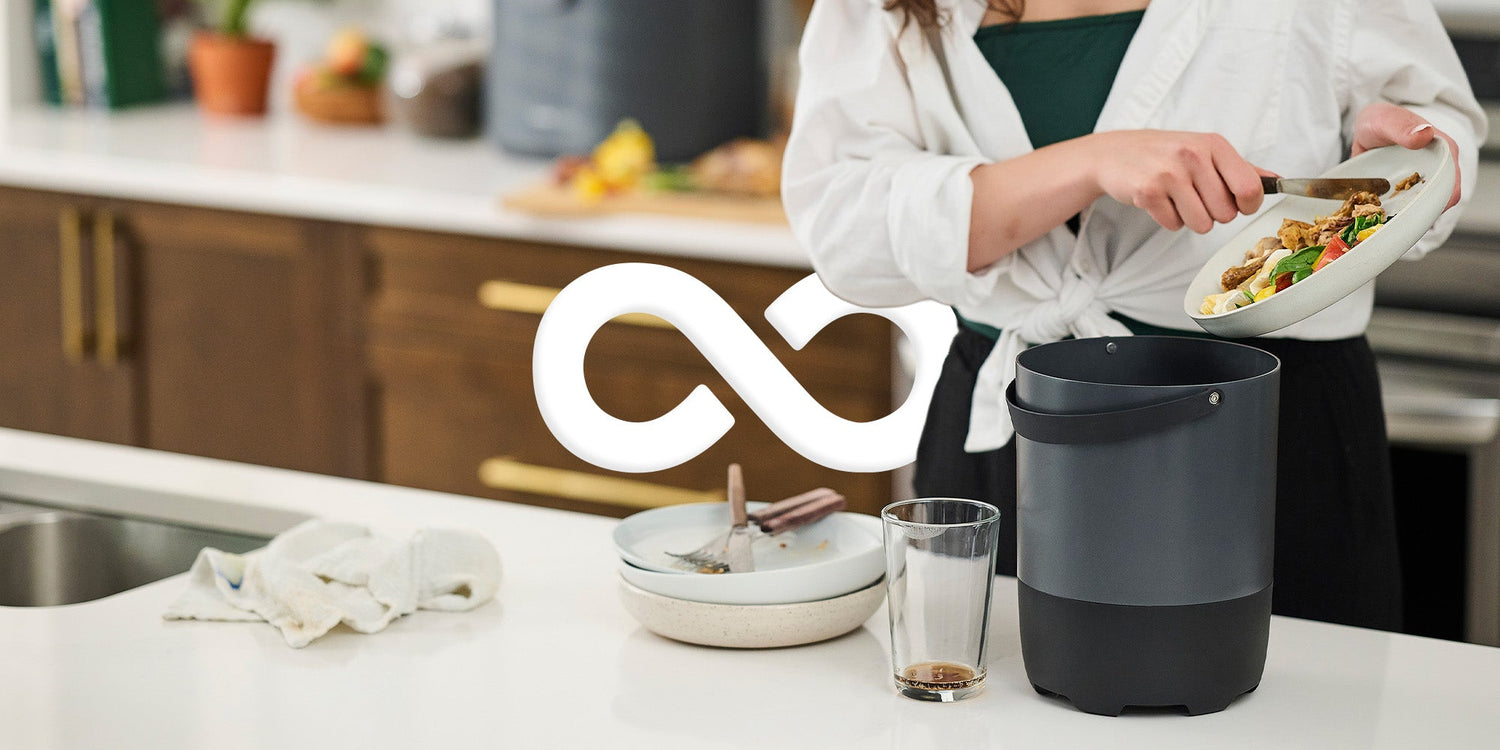
Because the real frustrations tend to happen around the system: sorting scraps, storing them, dealing with smells, worrying about what can go down the sink, cleaning bins, avoiding pests or carrying dripping bags outside.
The garbage disposal solved one part of that problem.
Today's food-waste solutions can solve more.
“Can this go down the disposal?”

Not everything belongs down the kitchen sink.
Fats, oils and grease should stay out of the drain, while the types and amounts of food waste a garbage disposal can handle vary by model.
Which means even a kitchen with a garbage disposal may still require another destination for some of the food waste.
That's one of the limitations of thinking about food waste purely as a disposal problem: the household still has to sort it.
A modern food-waste routine can start with a simpler question: how much of the food waste your household produces can be managed in the same place?
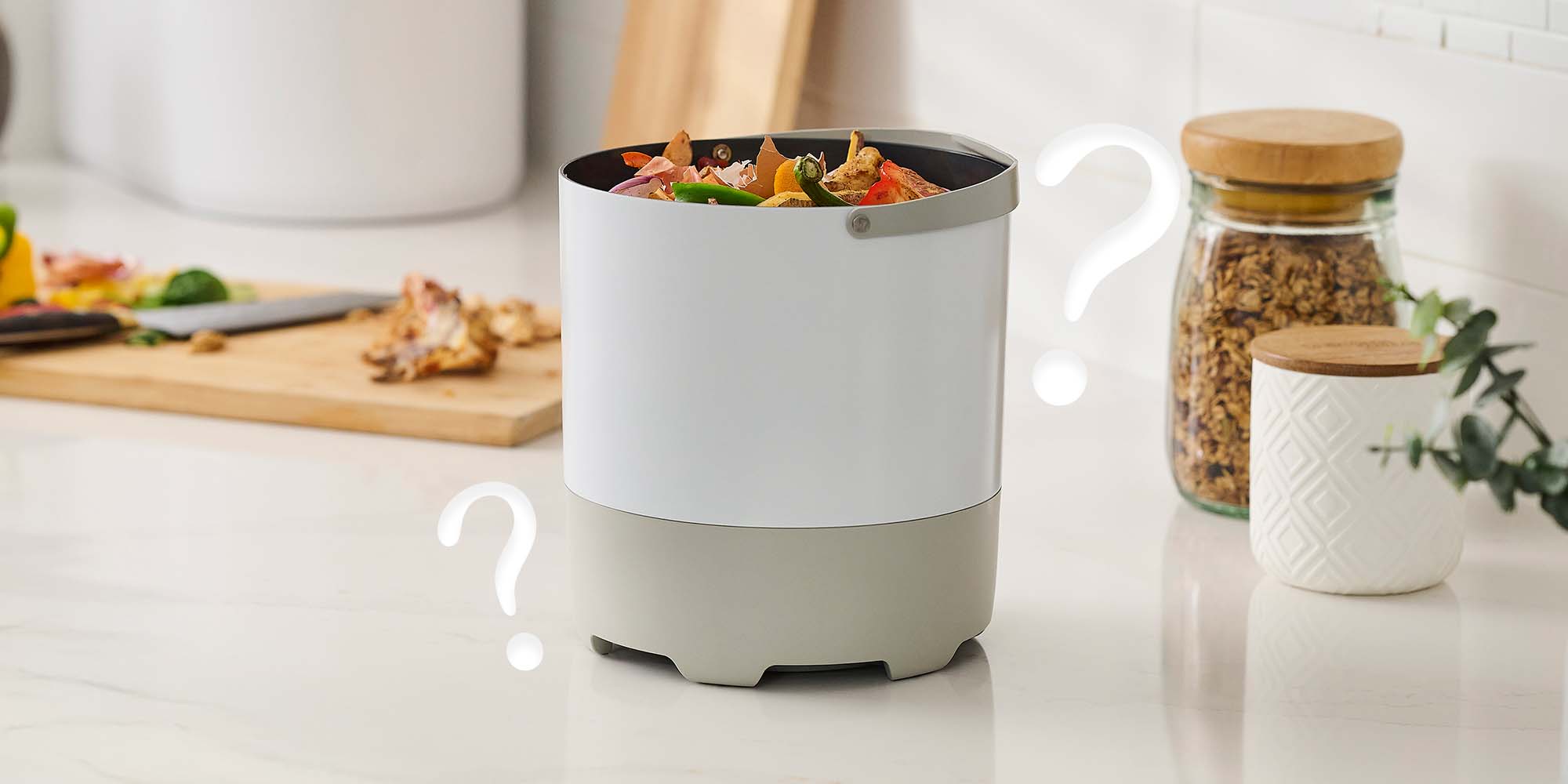
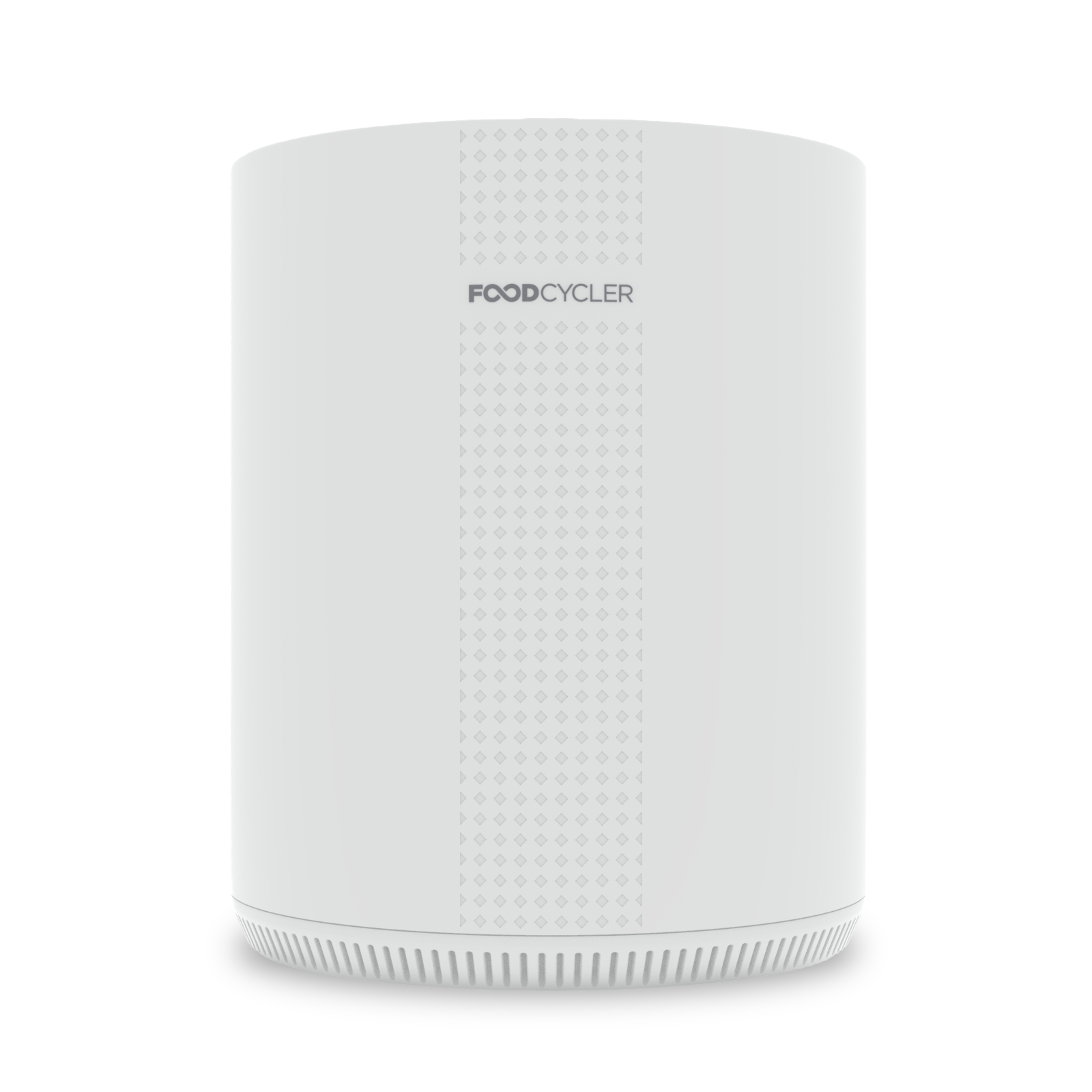
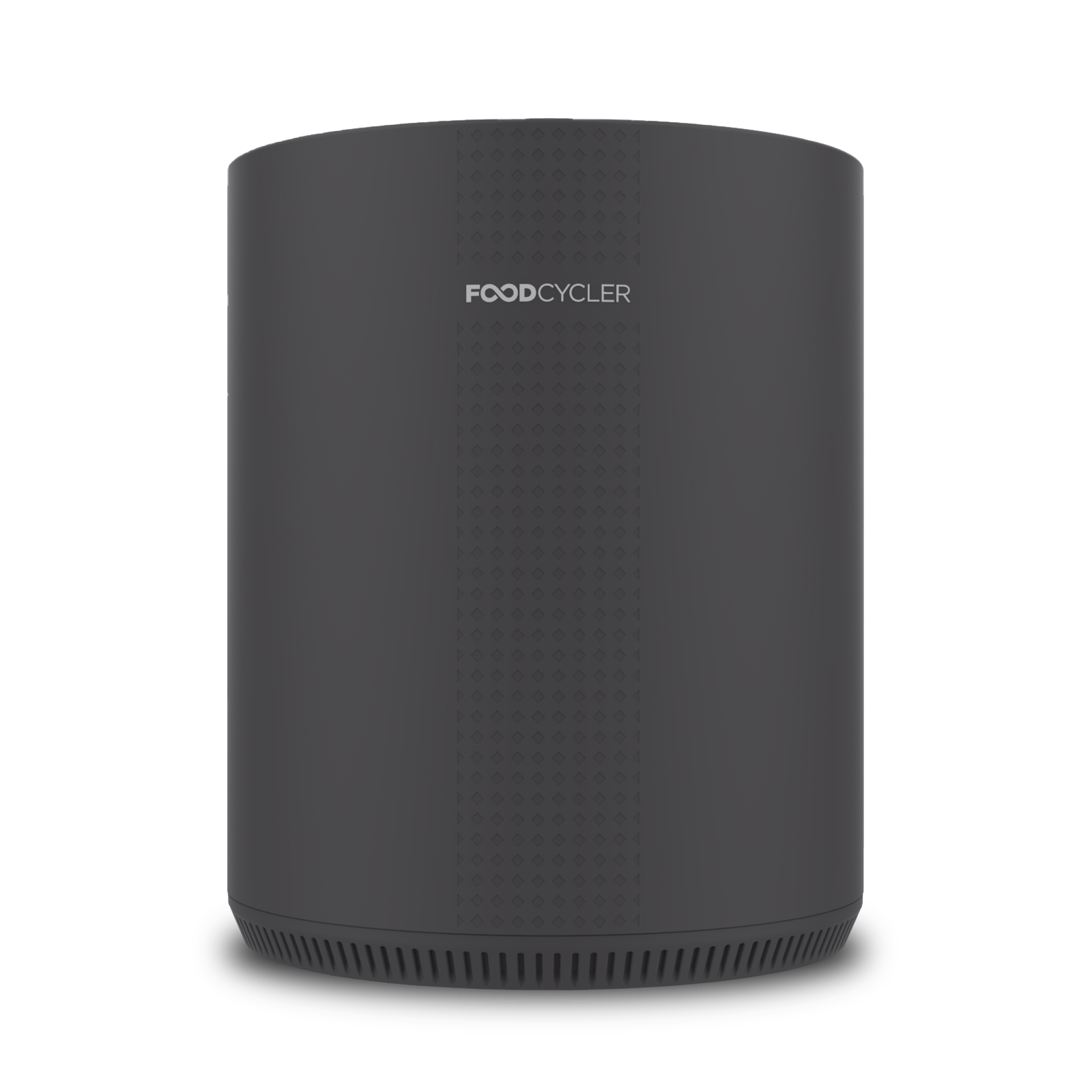
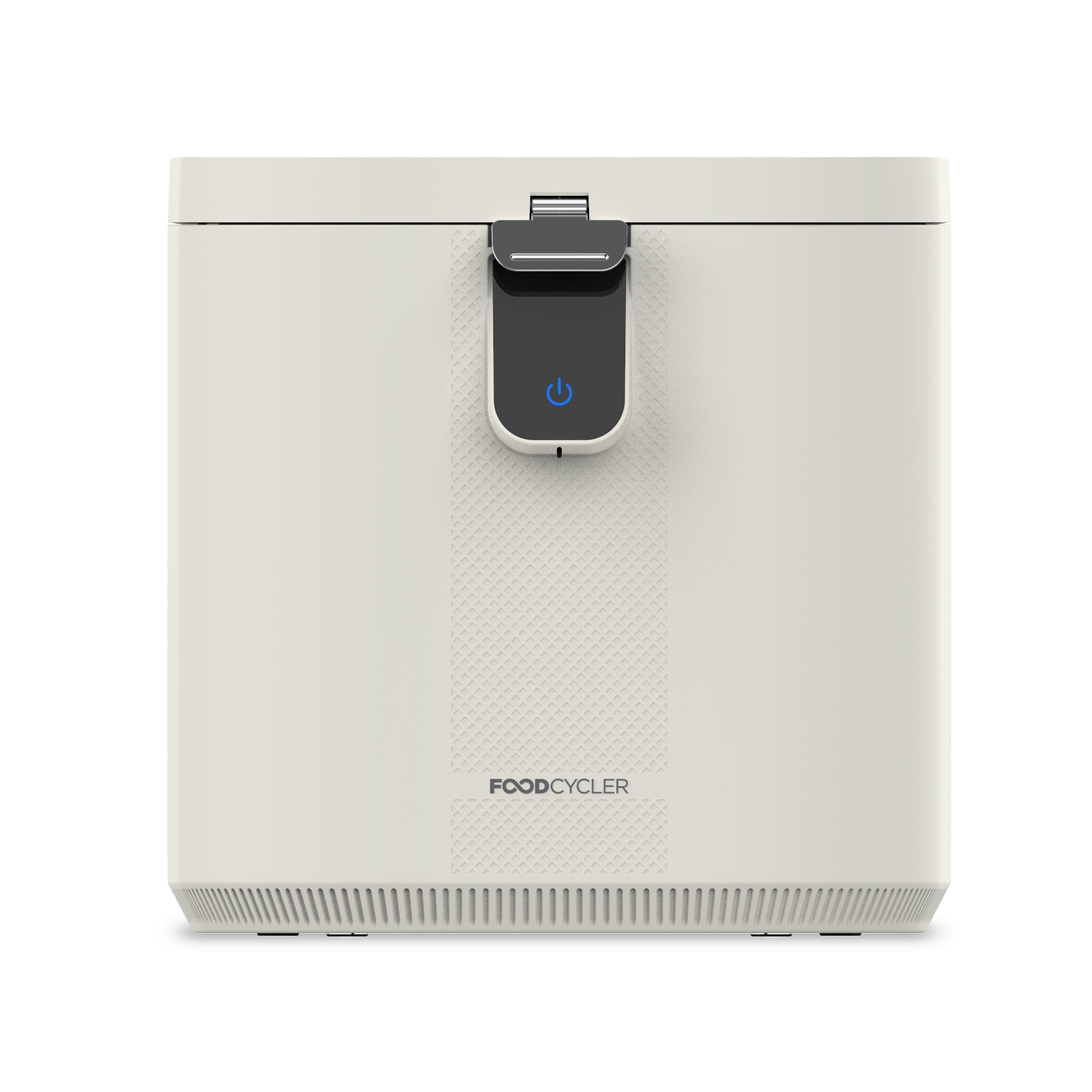
Electric food recyclers such as the FoodCycler Eco 5 are designed to process a broad range of everyday food scraps - from fruit and vegetable scraps to meat, dairy and small bones - giving households one place to chuck much of the food waste generated in the kitchen.

The smell between now and garbage day

Food waste doesn't politely wait for collection day.
Banana peels, leftovers, meat scraps and whatever was forgotten at the back of the fridge begin breaking down long before the garbage truck arrives.
That can mean smells from the kitchen bin, leaking bags and frequent trips outside simply to get food waste out of the house.
Green bins solve an important waste-management problem, but they can create their own storage challenge: where do the scraps live until they're collected?
Newer approaches can change that part of the habit.
Instead of storing wet, decomposing food for days, an electric food recycler processes it while it's still in the home. The FoodCycler Eco 5 dries, grinds and cools food scraps, reducing their volume by up to 90% and leaving a dry, low-odor by-product that's easier to store until you're ready to deal with it.
The fruit flies have found you

Where there's decomposing food, pests tend to notice.
Countertop containers, garbage bins, green bins and outdoor compost can all become attractive to fruit flies or other unwanted visitors if food scraps sit for long enough.
You can manage that with sealed containers, more frequent emptying, freezing scraps or regular cleaning.
But those are all additional behaviours added to the original behaviour of simply getting rid of food waste.
That's worth considering when comparing food-waste solutions: how much management does the system itself create?
The best solution isn't necessarily the one with the most technology. It's the one that removes friction from the way your household actually lives.
The sink isn't always the answer

Garbage disposals are convenient precisely because the sink is already part of the cooking routine.
But convenience comes with a constraint: whatever goes into the disposal ultimately enters your plumbing and wastewater system.
That makes knowing what should -and shouldn't- go down the drain important. Garbage disposals can also jam, clog or require maintenance, and their capabilities vary depending on the system.
An alternative doesn't have to replace the disposal already under your sink.
It can simply give the food waste that doesn't belong there somewhere better to go.
Sorting shouldn't require a flowchart
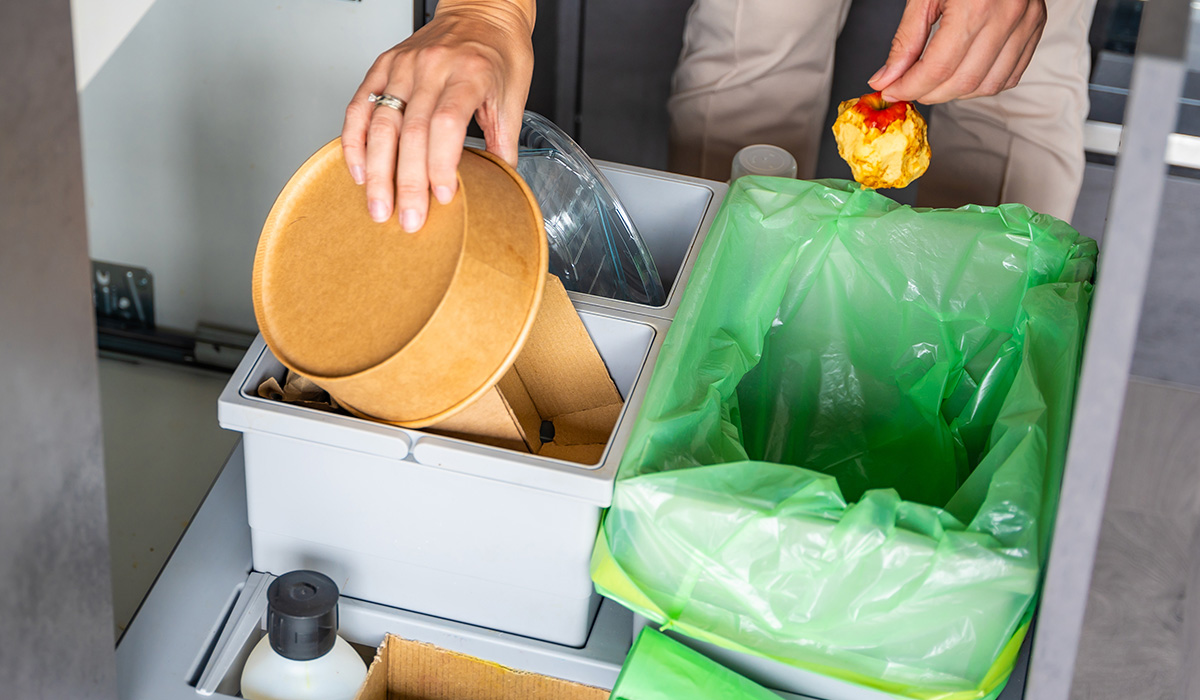
Trash. Green bin. Disposal. Backyard compost.
For households trying to divert more food waste, doing the “right” thing can sometimes mean maintaining several different rules at once.
And rules create friction.
We tend to adopt new household technologies when they make an existing behaviour simpler, not merely because they're newer.
Think about the smartphone. It didn't succeed because telephones stopped making calls. It brought calls, messages, email, cameras, maps and countless other functions into one place.
The same principle can apply to food waste.
The goal isn't necessarily to replace every system that came before it.
It's to make the everyday habit easier.
Maybe you don't need to replace your garbage disposal
And that's the point.
If your garbage disposal works, keep using it.
The more useful question is whether it solves enough of the food-waste problem for the way your household lives today.
If you're still sorting scraps, storing food waste until collection day, dealing with smells and pests or regularly wondering what can and can't go down the sink, there are now other options.
A garbage disposal was designed to make certain food scraps easier to dispose of.
Modern food-waste solutions are beginning to ask a bigger question:
Can dealing with food waste itself become easier?
That's the shift worth exploring.