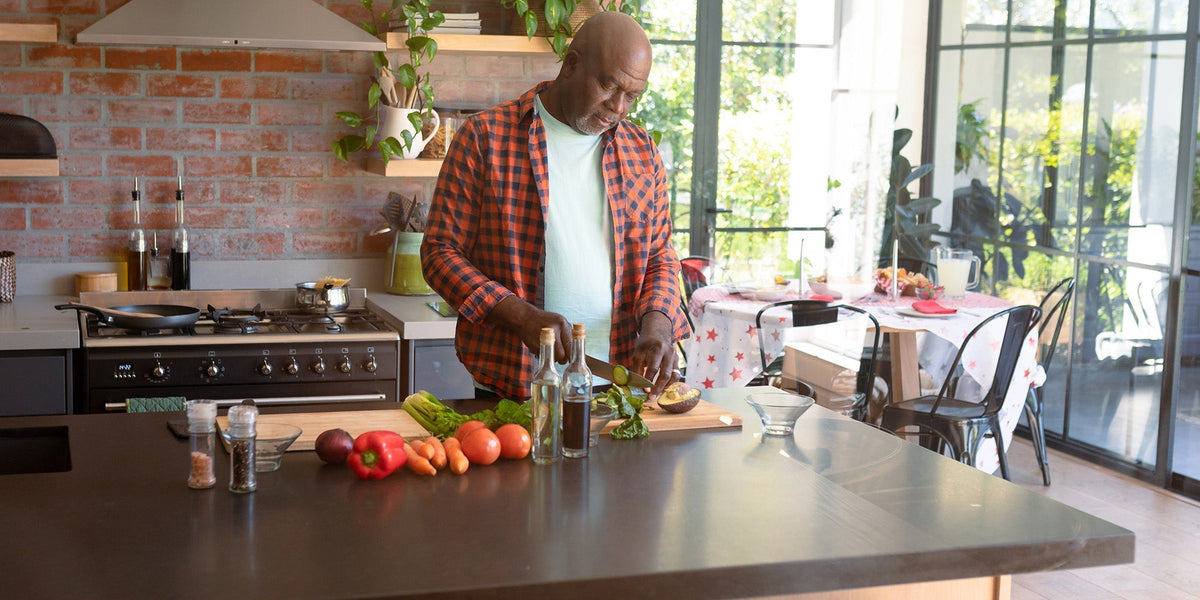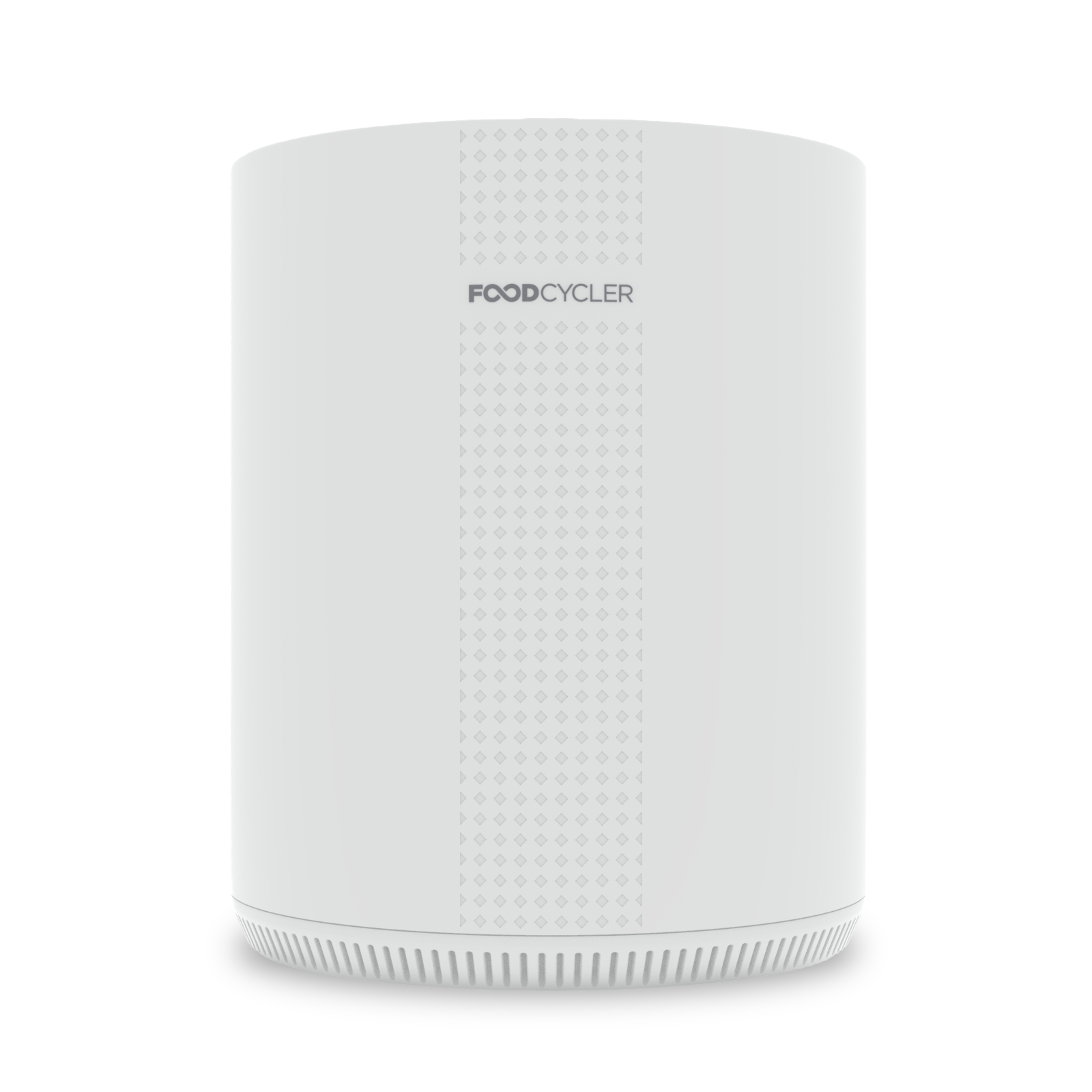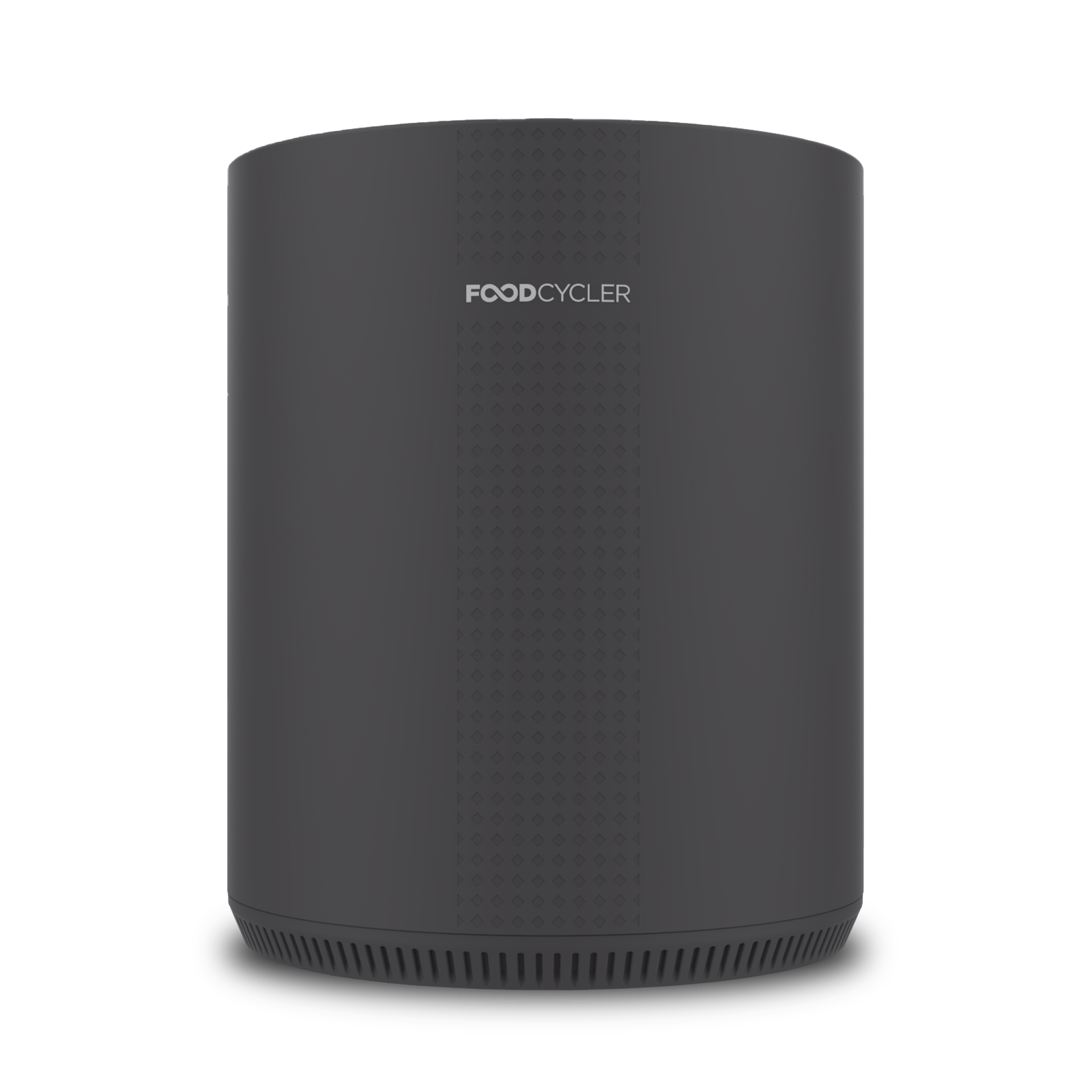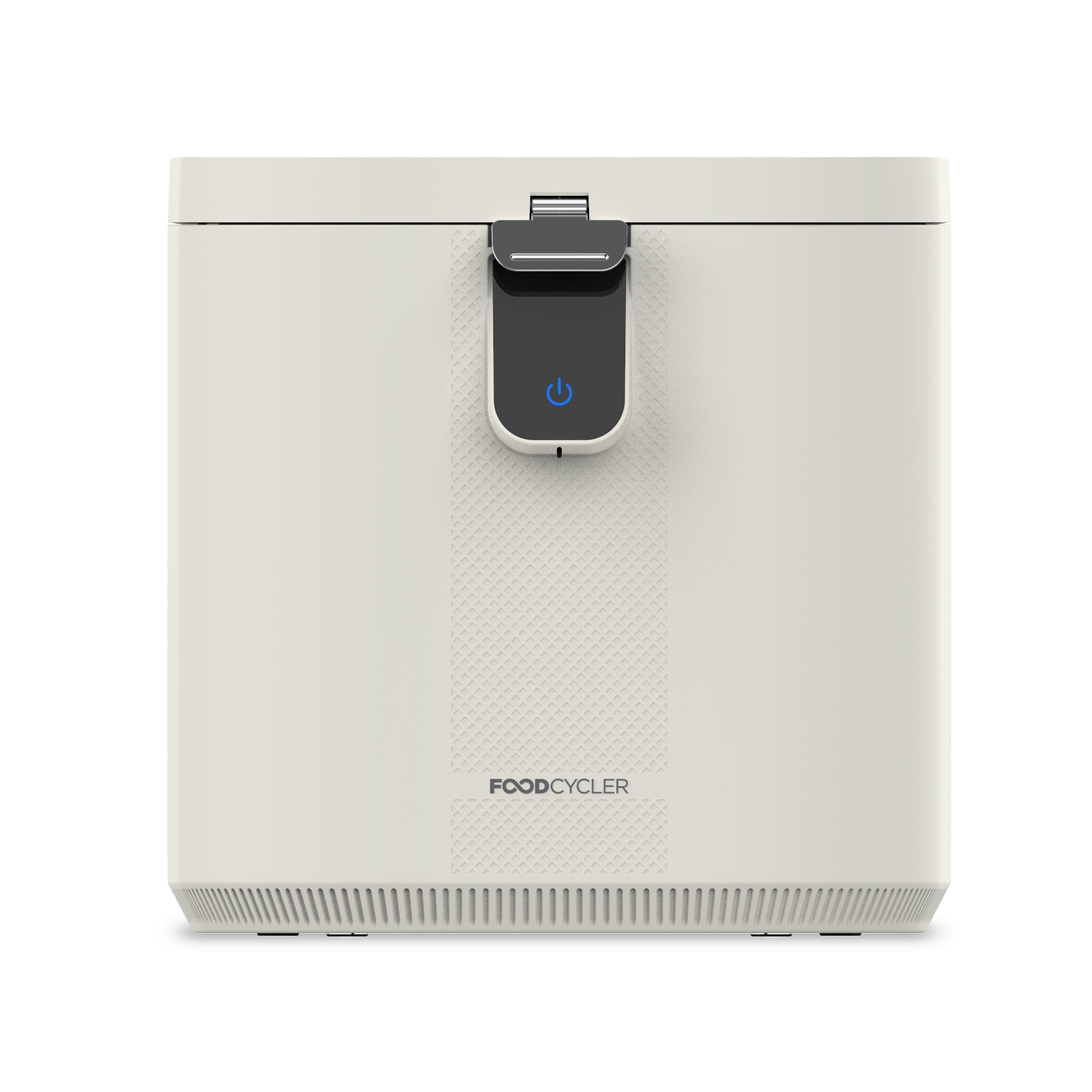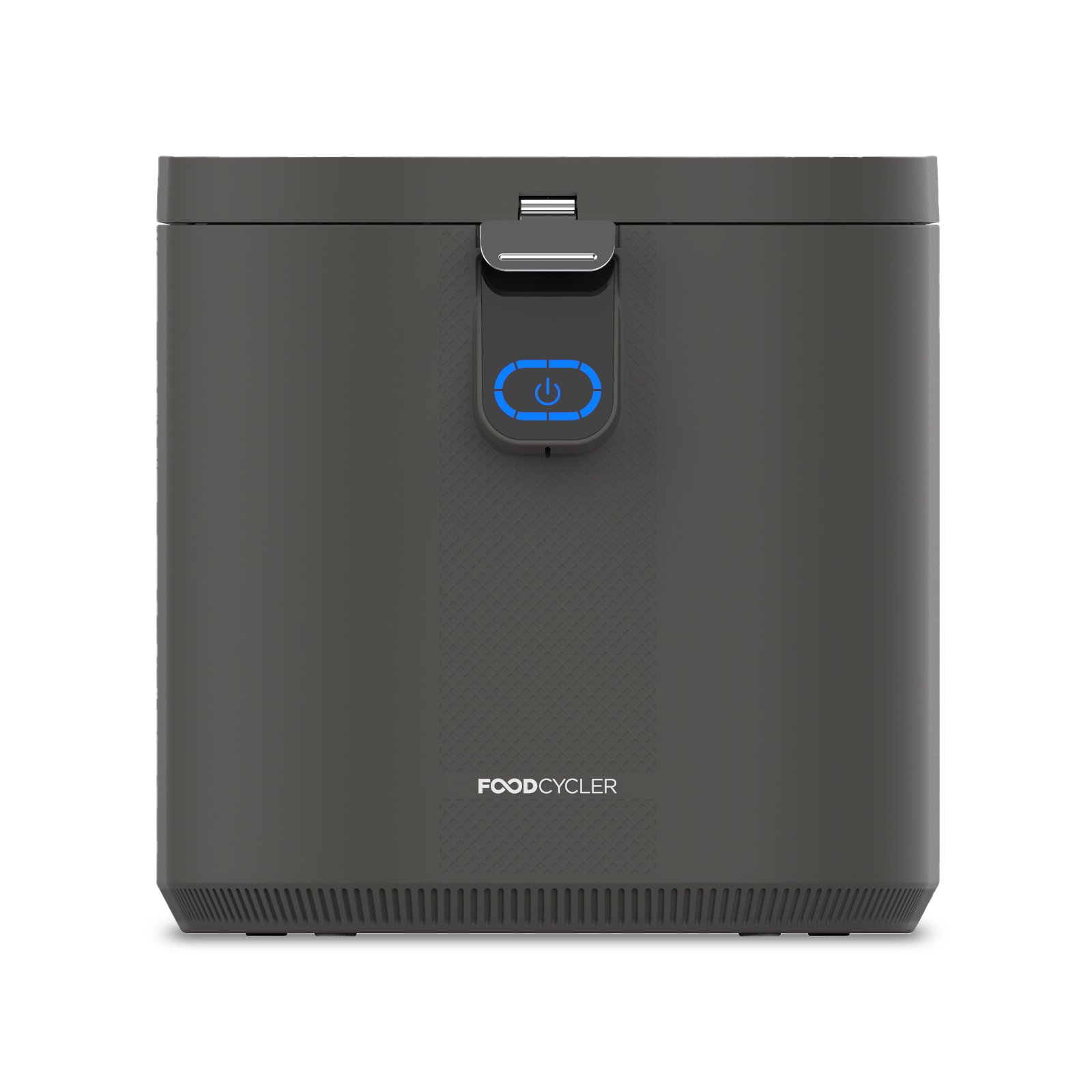
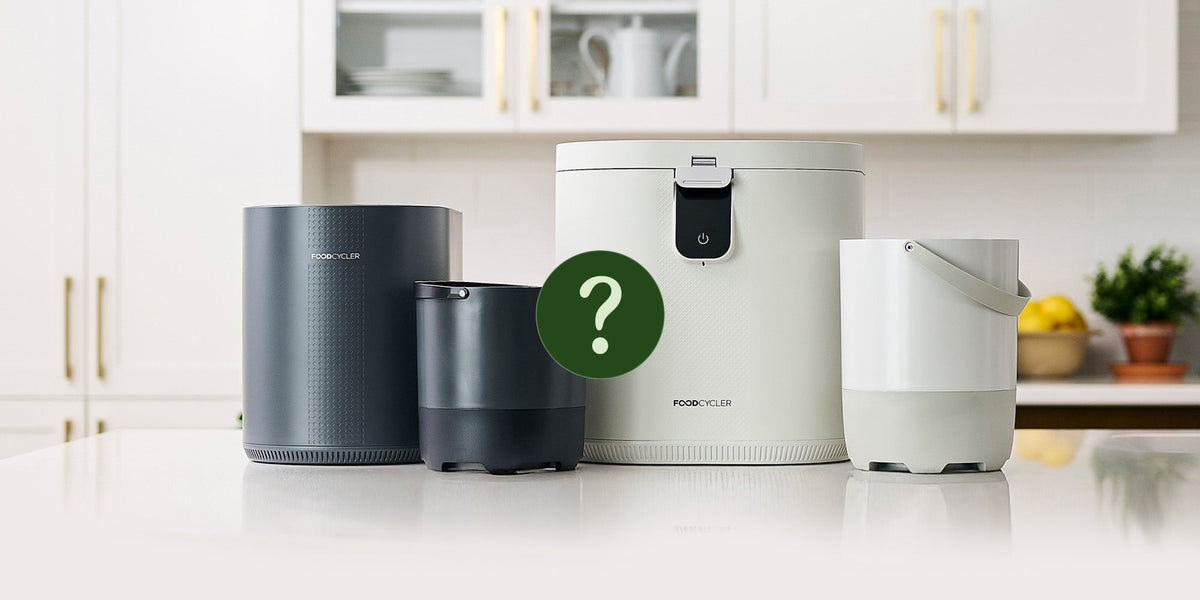
Choosing between the FoodCycler® Eco 3™ and Eco 5™ might seem simple.
One is designed with smaller households in mind. The other gives you more capacity for larger ones.
That’s a useful place to start — but household size doesn’t tell the whole story.
One person who cooks from scratch every night, meal preps on Sundays and goes through plenty of fresh produce can easily generate more food scraps than a family of four that eats out a few nights a week. And a household with limited kitchen space may care just as much about where an appliance will live as how much it can hold.
So forget headcount for a minute.
Think about what ends up in your scraps bowl. Think about how often you cook. And look around your kitchen.
Those answers may tell you much more about which FoodCycler fits your home.
Points clés à retenir
-
Household size is a useful starting point — not the whole decision.
-
The little things matter: how often you cook, how much food waste you generate, how frequently you want to run a cycle and how much kitchen space you have.
-
Eco 3 offers a smaller footprint and 3.5 L bucket; Eco 5 gives you more room with a 5 L bucket.
-
Cooking for one doesn’t automatically mean Eco 3. A frequent home cook may appreciate the extra capacity of Eco 5.
-
Both models offer the same core FoodCycler experience, so the decision is largely about finding the capacity and footprint that work for your routine.
Trouvez votre FoodCycler
Your household size can point you in the right direction. Your kitchen habits can get you closer.
Think about a typical week: how quickly do your food scraps add up, and how often are you cooking? Follow the path below to see which FoodCycler may fit your routine best.

*For reference, a standard cereal bowl is roughly 2 cups (16oz). This is simply an everyday visual guide - not a capacity threshold.
Still unsure? Consider your available space and how important a smaller appliance footprint is to your kitchen.
Household size is still a useful sense-check: Eco 3 is generally suited to households of 1–3 people and Eco 5 to households of 4+, but how much food waste you actually generate matters just as much.

Start with What Actually Ends Up in Your Scraps Bowl

Two households with the same number of people can use their kitchens very differently.
Think about what happens over the course of a normal day.
Maybe breakfast leaves you with coffee grounds and a banana peel, lunch adds a few odds and ends, and dinner produces a cereal bowl’s worth of vegetable peels and leftovers.
Or maybe your scraps bowl seems to fill up while you’re still making dinner.
If you cook frequently with fresh ingredients, food scraps can add up quickly. Vegetable peels, fruit cores, coffee grounds, trimmings and leftovers all count — even if you’re only cooking for yourself.
If you cook less often, eat out more or tend to prepare simpler meals, you may generate considerably less.
That’s why household size works better as a guide than a rule.
The Eco 3 has a 3.5 L bucket and is generally suited to households of 1–3 people. The Eco 5 gives you 5 L of capacity and is generally suited to households of 4 or more.
But before you choose, look at what your household actually generates.
Cooking for one? Don’t automatically choose the smaller model. If Sunday means meal prep for the week, your cutting board is regularly covered in vegetable peels or you cook from scratch most nights, the extra room of the Eco 5 may suit your routine better.
The reverse is true, too. A larger household that generates relatively few food scraps may find Eco 3 gives them all the room they need.
Think About How You Cook — and How Often You Want to Run It

Capacity matters most when you translate it into your everyday routine.
Maybe dinner is usually simple, you eat out a couple of nights a week and your scraps tend to be coffee grounds, a few peels and whatever came off the cutting board. In that case, the Eco 3 may give you all the room you need.
If you cook most days, prepare meals from scratch, batch cook or regularly feed a full table, having more room in the Eco 5 may make more sense.
Then think about what you want to do with those scraps.
Both Eco 3 and Eco 5 run a cycle in approximately 4–9 hours, depending on what you’re processing. The practical difference is how much you can collect before you need to run one.
If you’re happy processing smaller loads as needed, Eco 3 may fit comfortably into your routine.
If your scraps add up quickly and you’d rather have more room before running a cycle, Eco 5 gives you that extra capacity.
Neither approach is better. The question is which one sounds more like your kitchen.

Look Around Your Kitchen

Now consider where your FoodCycler will actually live.
The Eco 3 measures approximately 11" × 9" × 13" — think roughly the footprint of a small coffee machine. The Eco 5 measures approximately 13.8" × 13.8" × 10.3" — closer to the counter space you might expect from an air fryer or larger coffee machine.
If every inch of counter is already spoken for, Eco 3’s smaller footprint may matter. If you have the room and generate more scraps, the additional capacity of Eco 5 may be worth the extra space.
But don’t assume the entire FoodCycler setup has to live beside your cutting board.
Both models have a removable bucket with a lid. That means you can keep the bucket conveniently near your prep area while you’re collecting scraps, then return it to the FoodCycler when you’re ready to run a cycle. The machine itself can live somewhere else that works for your space — on a suitable shelf, in a cabinet or another convenient spot near an outlet.
Before buying, do something wonderfully low-tech: look around and measure.
Where would the bucket be easiest to use? Where could the machine comfortably live? Can you access it easily? Does that setup work with the way you actually prep and clean?
An appliance that fits naturally into your kitchen is far more likely to become part of your routine.
What Do Eco 3 and Eco 5 Have in Common?

Here’s the good news: you aren’t choosing between two completely different FoodCycler experiences.
Both Eco 3 and Eco 5 use patented Vortech™ grinding technology to process food scraps and reduce their volume by up to 90%. Both feature a removable bucket, refillable carbon filter and quiet, odor-managed operation designed for use in the home.
So you don’t need to spend too much time asking which model has the “better” core features.
For most households, the decision comes down to something much more practical:
How much food waste do I generate, how much room do I want between cycles, and how much space do I want to give the appliance?
If you want to dig into dimensions, energy use and every other specification, that’s what our full comparison is for.

Your Final FoodCycler Checklist
Still somewhere in the middle? Run through a typical week — not your quietest day or the giant dinner you hosted last Christmas.

Seeing more checks on the left? Take a closer look at the Eco 3.
Generating plenty of scraps, cooking frequently or consistently wanting more room? The Eco 5 may be the better fit for your routine.
And if you’re still somewhere in between, FoodCycler offers a 90-day trial with a full refund in case you try it and realize it’s not the right one.
Read FoodCycler’s return Policy here.
Ready to Choose Your FoodCycler?
By now, the choice should feel a little simpler.
If your food scraps are relatively light, you prefer smaller loads and kitchen space is at a premium, Eco 3 gives you the FoodCycler experience in a more compact footprint.
If your scraps add up quickly, you cook frequently or you simply want more room between cycles, Eco 5 gives you the extra capacity to keep up. And yes — that can be true whether you’re cooking for one person or a full house.
Either way, you’re choosing the same core FoodCycler experience. The difference is simply finding the size that fits the way you use your kitchen.
 |
 |