Points clés à retenir
- Waste diversion works best when communities use several complementary tools.
- Audits, LCAs, GHG calculators, ROI tools, and feasibility studies support evidence-based decisions.
- Policy needs infrastructure, education, and realistic timelines.
- External partners can provide expertise, funding pathways, and proven models.
Improving municipal waste diversion is rarely about finding one perfect program. Strong waste management plans combine environmental data, economic analysis, policy, public education, and external partnerships to determine what should be reduced, rescued, recycled, composted, or managed differently.
For municipal staff and councillors, the practical answer is a toolkit: measure the waste stream, compare options, support participation through policy, and implement programs with education and trusted partners.

1. What Climate and Environmental Tools Can Municipalities Use?

Life Cycle Assessments
A life cycle assessment, or LCA, measures the environmental impacts of a product, service, or system.
LCAs help municipalities compare options that may look similar at the collection bin but differ once transportation, processing, infrastructure, and disposal are considered. This supports comparisons across all waste management options.
A credible LCA should clearly state its assumptions, geographic boundaries, electricity mix, transportation distances, and disposal scenarios.
Key takeaway: Use LCAs to compare full systems, not only what happens at the point of disposal.
Greenhouse Gas Calculators
GHG calculators convert waste quantities and management methods into estimated climate impacts, allowing municipalities to compare a baseline with alternative diversion pathways.
Environment and Climate Change Canada offers a GHG Calculator for Organic Waste Management. In the United States, the EPA’s Waste Reduction Model, or WARM, compares emissions, energy use, and certain economic impacts across waste pathways.
These tools can identify high-impact waste streams before a municipality invests in detailed analysis.
Key takeaway: Use GHG calculators to screen options and establish the case for climate action.
2. What Economic Tools Help Municipalities Compare Options?

Return-on-Investment Calculators
Waste diversion decisions are just as much financial as environmental. Councils need to understand capital and operating costs, avoided disposal fees, hauling requirements, staff time, and program lifespan.
An ROI calculator brings these variables together. Basic models use participation, program cost, waste generation, tipping fees, and collection assumptions, while detailed tools can test different adoption and expansion scenarios.
Food Cycle Science maintains municipal ROI tools for communities assessing decentralized residential food waste programs. These are most useful when municipalities validate the assumptions against local costs and collection systems.
Key takeaway: Use ROI tools to make assumptions visible and show council what changes the result.
Waste Audits
A waste audit shows what is actually in the garbage, recycling, and organics streams, including food waste, recyclables, contamination, and other misplaced materials.
Without an audit, municipalities risk designing programs around averages that do not reflect local conditions, which can lead to inefficient capital spending. Audits can also target different building types, where barriers may vary.
Key takeaway: Measure the local waste stream before choosing the intervention.
Feasibility Studies
A feasibility study tests whether a proposed solution can work locally. It may examine routes, processing capacity, siting, household participation, procurement, regulations, and potential partners.
This is especially valuable for rural, remote, seasonal, or dispersed communities, where distance, weather, staffing, and infrastructure may rule out otherwise promising options.
Key takeaway: Use a feasibility study to turn a promising idea into an implementable plan that’s within budget.
3. What Policy Tools Can Improve Waste Diversion?

Food Waste Mandates, Ordinances, and Bylaws
Policy tools allow diversion to be consistent rather than optional. Municipalities can require waste separation, set service standards, establish diversion plans, create requirements for multi-residential and commercial properties, or restrict materials from disposal.
Denver’s Universal Recycling and Composting Ordinance is one example. Beginning September 1, 2026, covered multi-family buildings with eight or more units must provide recycling and composting services, containers, signage, education, and a waste diversion plan. Approved alternatives, including on-site diversion, may be permitted in certain circumstances.
That flexibility matters. Strong policy should establish a clear outcome while recognizing that buildings and communities may need different ways to achieve it.
Mandates work best when infrastructure, enforcement capacity, education, funding incentives, and realistic timelines are in place. They can create a requirement, but cannot solve every storage, contamination, hauling, or access problem.
Key takeaway: Good policy establishes the destination and gives residents, buildings, and businesses a workable route to get there.
4. How Can Municipalities Improve Resident Education and Participation?

Municipal Education Campaigns
Even a well-designed program can fail when residents do not understand what to do, why it matters, or how it fits into daily life.
Effective campaigns should be practical and repeated, using clear sorting instructions, multilingual materials, demonstrations, onboarding guides, and visible feedback.
Communications should answer common questions: What goes where? Will it smell? How often is it collected? What happens to the material? What should apartment residents do?
Education should continue after launch. Participation, contamination, and resident feedback can show where the message is not landing.
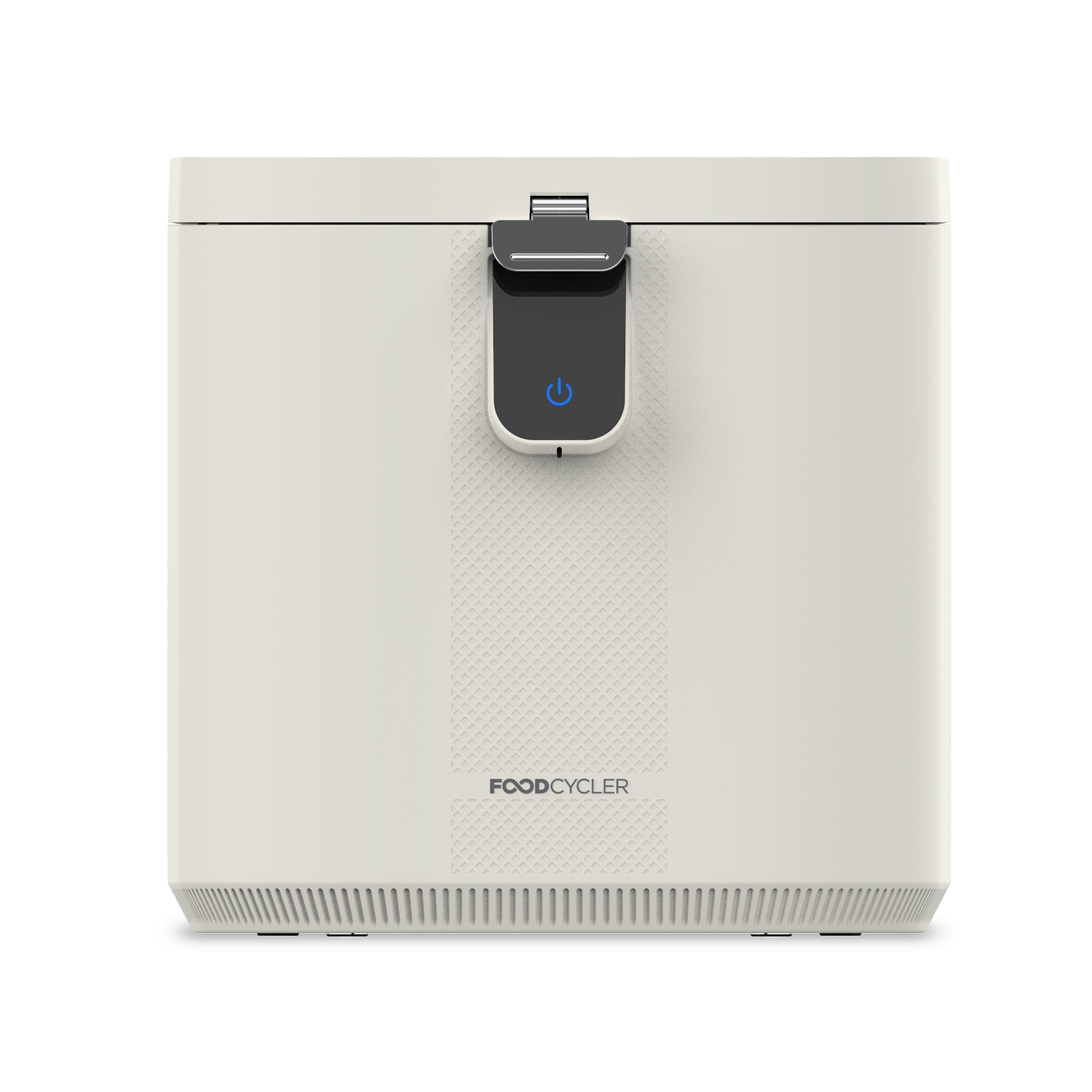
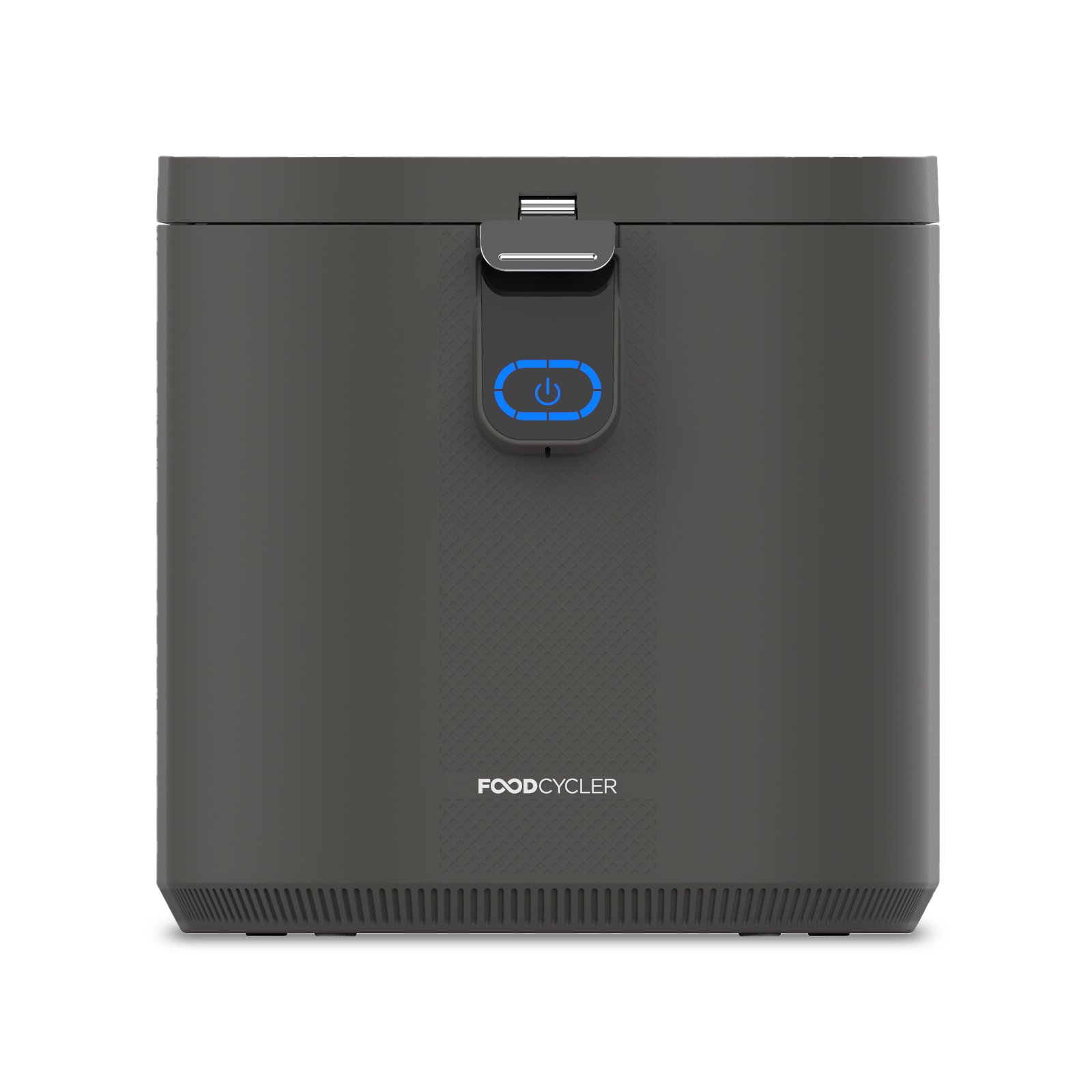
FoodCycler community programs include resident communications, onboarding support, and implementation materials. This support helps ensure the program works in real homes and communities.
Key takeaway: Treat education as operating infrastructure, not a one-time announcement.
School Resources
Schools can build waste literacy through student waste audits, cafeteria diversion, gardening projects, and hands-on demonstrations. Students often bring new habits home, making schools a bridge between municipal strategy and resident behaviour.
Food Cycle Science, via their FoodCycler for Schools program, has supported more than 150 schools and institutions with equipment, educational resources, and diversion activities.
Key takeaway: Use schools to build participation today and waste literacy for the future.
5. Which External Partners Can Help?

External organizations can provide research, policy templates, technical expertise, training, funding knowledge, and industry connections.
In the United States, ReFED’s Insights Engine helps users explore food waste data and solutions. The Zero Food Waste Coalition provides policy guidance, while the U.S. Composting Council offers resources on program planning, regulations, facilities, and end markets.
In Canada, Second Harvest supports food rescue and redistribution. The Compost Council of Canada offers organics recycling expertise, while the Federation of Canadian Municipalities and its Green Municipal Fund connect municipalities with funding, peer learning, and technical resources.
Local organizations, schools, universities, waste haulers, and neighboring municipalities may also strengthen a program.
Key takeaway: Partnerships add capacity and help municipalities avoid rebuilding systems that already exist.
Start With One Measurable Waste Stream
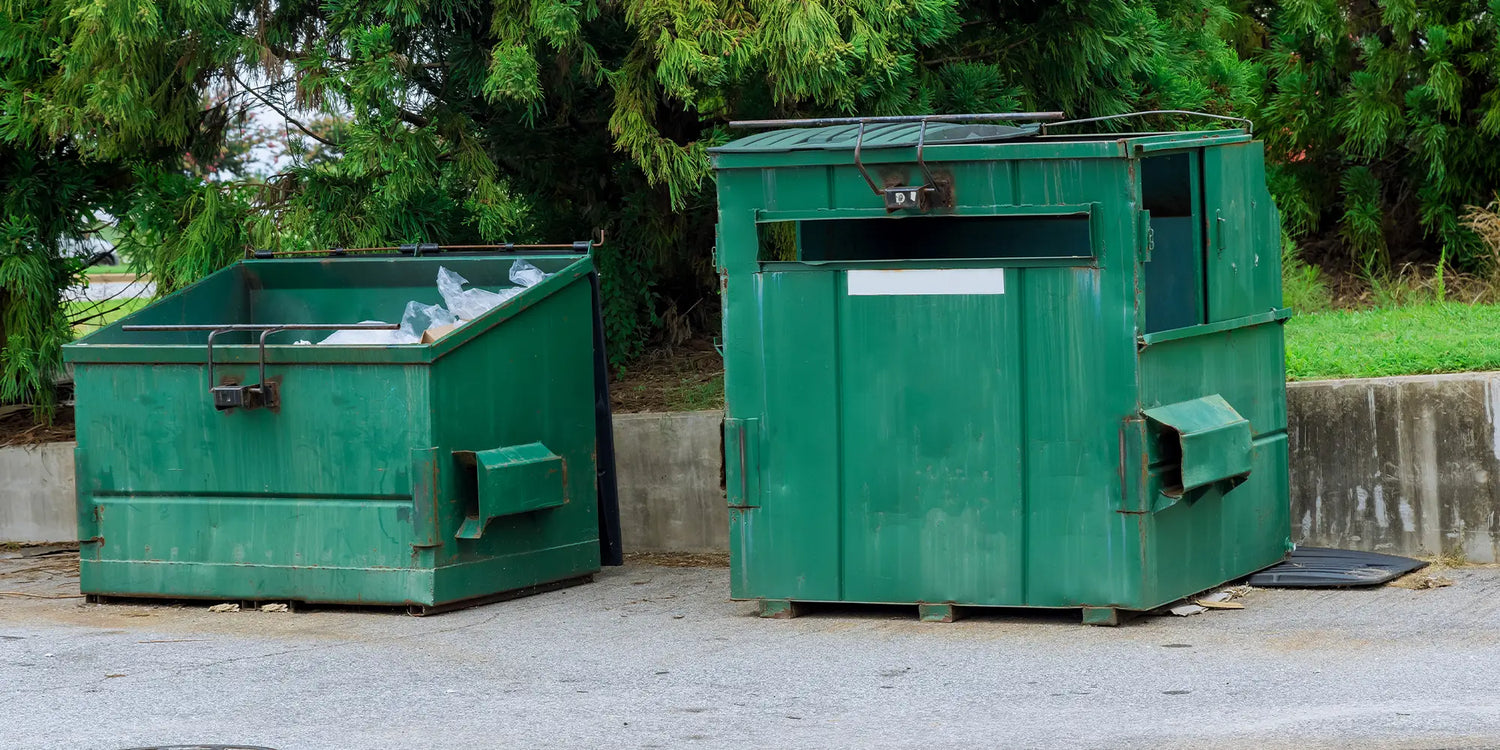
For many communities, food waste is an easy place to start because it affects landfill use, emissions, collection costs, odour, pests/wildlife, and resident experience. Food waste sent to landfill is also a significant source of methane emissions.
Municipalities evaluating food waste options can begin with Food Cycle Science’s municipal ROI calculator or connect with the FoodCycler Programs team to compare decentralized diversion with their current system.
The goal is to give municipal leaders the evidence needed to choose the right mix of tools for their community.
Conclusion: Use the Tools Together
Together, these tools measure the waste stream, compare impacts, test affordability, create consistency, build participation, and add capacity.
The opportunity comes from sequencing these tools, not choosing only one.
A municipality might begin with a waste audit, use a GHG calculator to identify a high-impact stream, run an ROI model, test an approach through a pilot, and use the results to shape policy and wider implementation.
That is how a diversion target becomes a system that works in practice.