
Points clés à retenir
- Food waste is a household chore and like any chore, it deserves an appliance designed to handle it. Food recyclers are that appliance.
- Traditional approaches - composting and green bin programs - have real limitations in convenience, climate, and infrastructure. A food recycler closes the gap.
- The best food recyclers process nearly all food scraps, control odor effectively, run overnight, and produce a useful, reduced output - without asking much of you in return.
- The category is maturing rapidly, as the technology improves and awareness grows.
- Modern food recyclers are becoming quieter, more capable, and easier to integrate into everyday kitchens.
The Modern Kitchen Has a Gap

At some point in the last century, we decided that certain household chores were too important - and too tedious - to keep doing by hand. Washing dishes became an appliance by the sink. Cleaning floors became the vacuum. Washing clothes became something a machine handled while we got on with our lives. With each shift, we didn't just save time - we changed how we thought about that chore entirely. It became something that just got done.
The modern kitchen, for all its sophistication, has quietly missed one of these moments. We have appliances for brewing, blending, toasting, steaming, and slow-cooking. But when it comes to food scraps - the peels, the leftovers, the odds and ends that accumulate after every meal - most households are still doing it the old-fashioned way: scraping it into a bag and hoping the bin doesn't fill up and stink before collection day.
That's the gap. And it's one a new category of kitchen appliance was built to close.
What We Talk About When We Talk About Food Waste

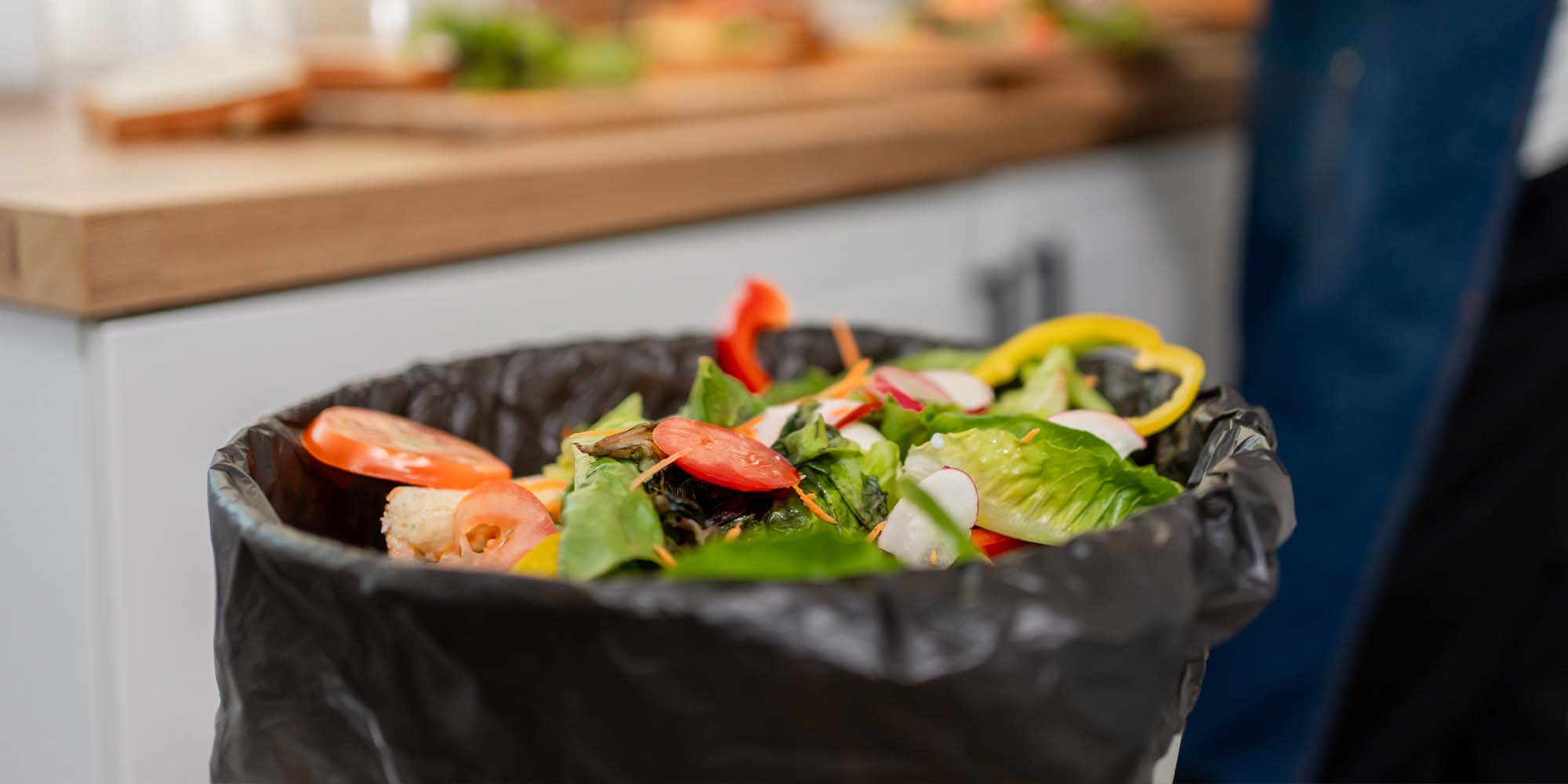
Food waste in the home isn't a crisis moment - it's a chore. A quiet, unglamorous, recurring one. It's the fruit that got soft before you got to it. The leftovers that didn't make the cut. The vegetable trimmings from Sunday's dinner prep. None of it is dramatic. All of it accumulates.
What's changed isn't the scraps themselves but what we now expect from our appliances. We expect them to be quiet, compact, and capable of handling the task, so we don't have to think about it. We expect them to fit into our kitchens without demanding a renovation. We expect them to work.
Until recently, food waste didn't have an appliance that met that bar. Compost bins required outdoor space, patience, and a reasonable tolerance for what composting smells like. Green bin programs are useful, but they depend entirely on what your municipality offers, and they still mean managing waste inside your home until pickup day. Neither option felt like it belonged in a kitchen designed around convenience.
Enter the Food Recycler

A food waste recycler approaches food waste the same way a dishwasher approaches dirty plates: you load it, you run it, and in the morning the job is done.
The category works through a combination of grinding and heat, processing food scraps down into a dry, significantly reduced by-product that can be used as a soil amendment in your garden, or disposed of with a fraction of the environmental impact of raw food waste going to landfill. A typical cycle runs overnight. You set it before bed; it's done by morning.
What sets a food recycler apart from every other approach is what it doesn't ask of you. No sorting. No layering. No outdoor space. No waiting weeks for decomposition. Most units handle nearly all food scraps i.e. fruit and vegetable waste, meat, dairy, cooked leftovers - without the selectivity that makes traditional composting a commitment rather than a convenience. And because the process is enclosed and filtered, there's no odor escaping into your kitchen while it works.
The output is where things get interesting. Unlike a bin bag or a green cart pickup, a food recycler produces something usable: a dry, reduced material that works as a nutrient-rich soil amendment, transforming it into something useful rather than something you're waiting to throw away.
What to Look for in a Food Waste Appliance
If you're exploring this category for the first time, a few things are worth understanding before you buy:

The best units handle nearly all food scraps without selective sorting- meat, dairy, cooked and raw produce included. Check this carefully; some entry-level units are more limited than they appear.

This is non-negotiable for an indoor appliance. Look for enclosed units with carbon filtration that neutralises odor at the source, not just contains it.

A good food recycler should handle meaningful volume without dominating your countertop or requiring dedicated storage. The right balance depends on household size but look for units that punch above their weight on this.

The end result should be genuinely dry, reduced, and usable - not a halfway-processed slurry. The drier and more reduced the output, the more useful and easier it is to handle.

Overnight processing is the sweet spot for most households: load it after dinner, done before breakfast.
Why This Moment Feels Different
Every appliance category has a tipping point, a moment when something shifts from "interesting product" to "of course every kitchen has one". The dishwasher took decades. The microwave felt like science fiction until it didn't. Now it's hard to imagine a kitchen without either.
Food waste recyclers are approaching that inflection point. The technology has matured, the products fit the way kitchens actually work, and the awareness that food waste is a household chore - not just an environmental talking point - is growing. The category is beginning to move beyond early adopters, and the appliances reflect that: quieter, more compact, more capable, and designed to sit alongside everything else in a modern kitchen without standing out.
What Modern Food Waste Recycling Looks Like

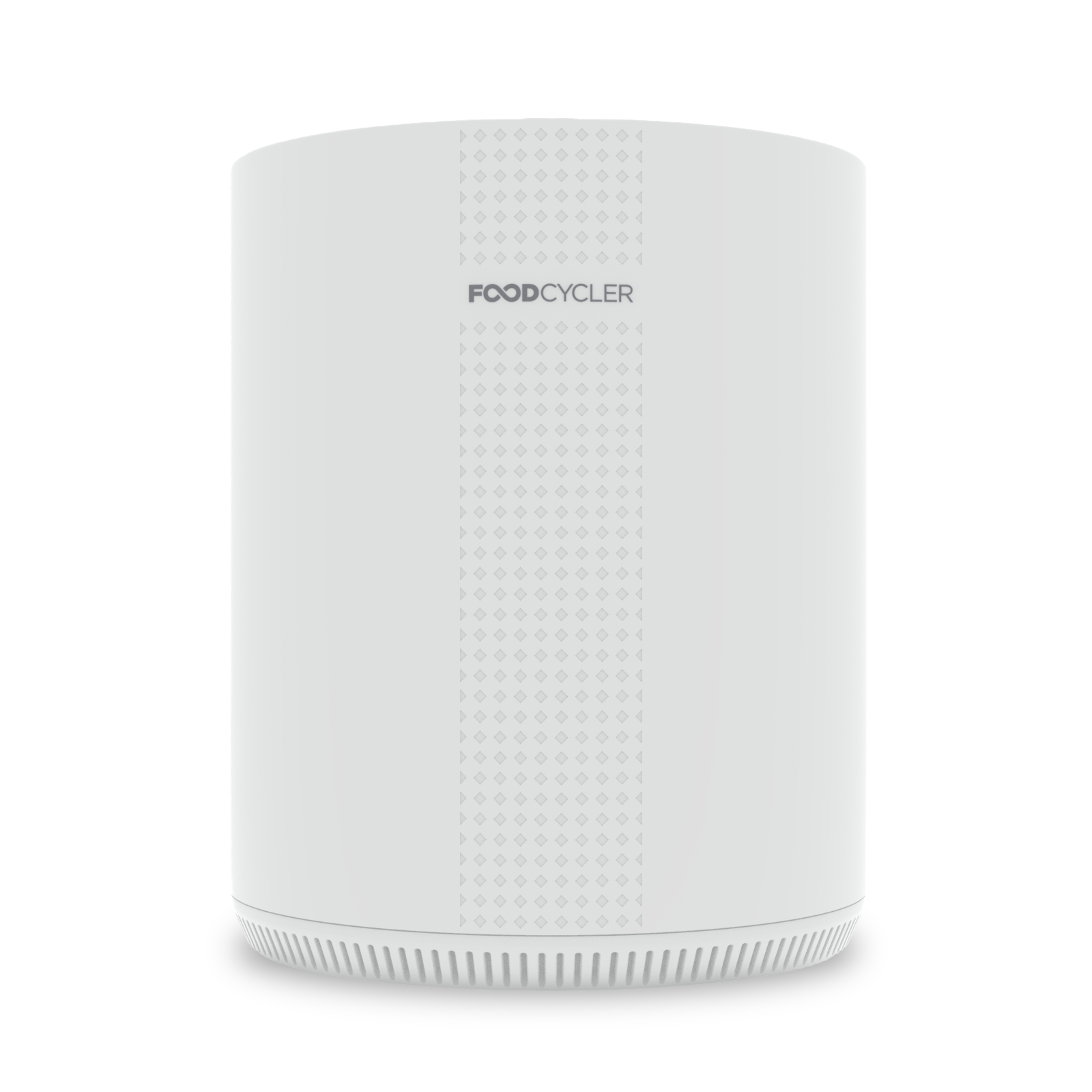
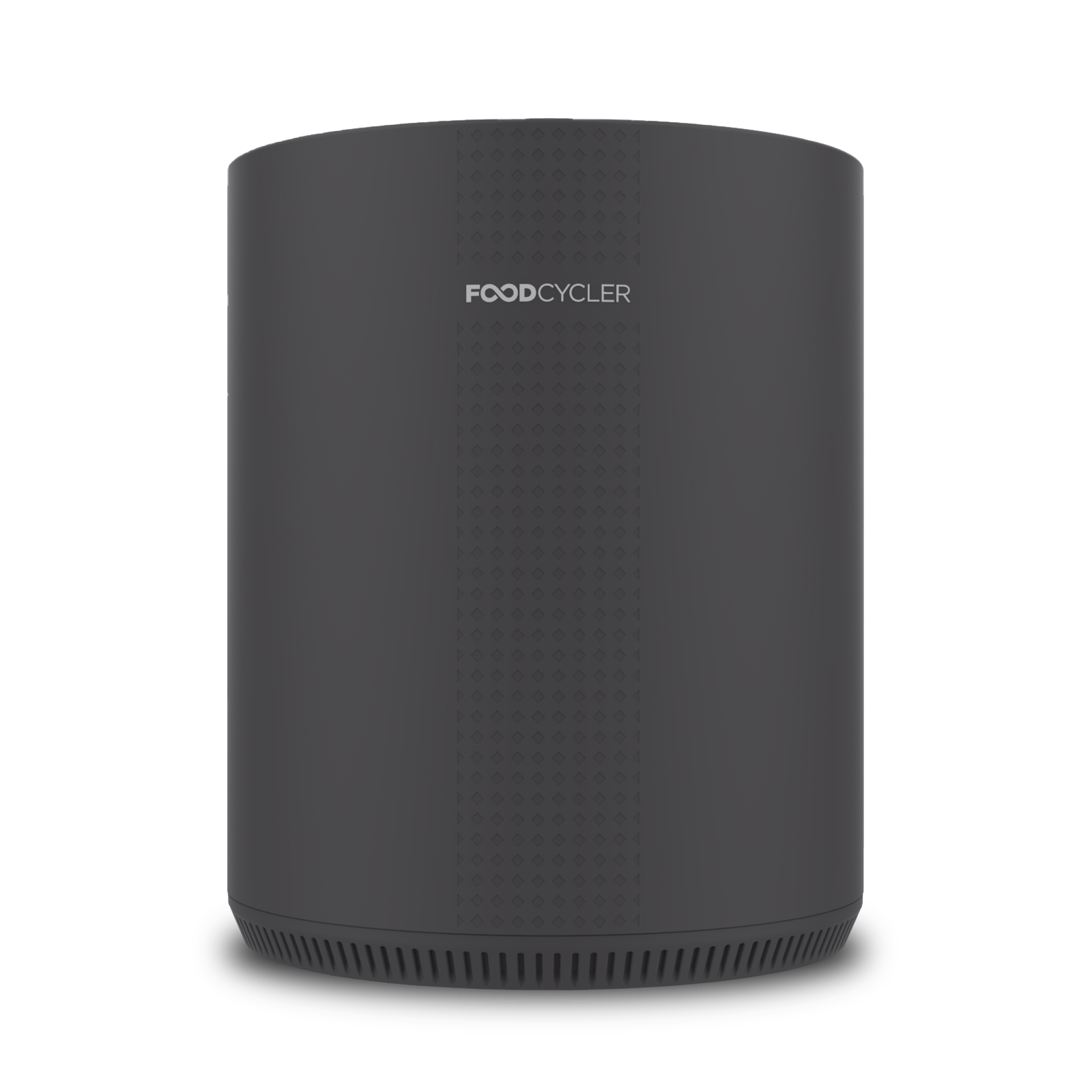
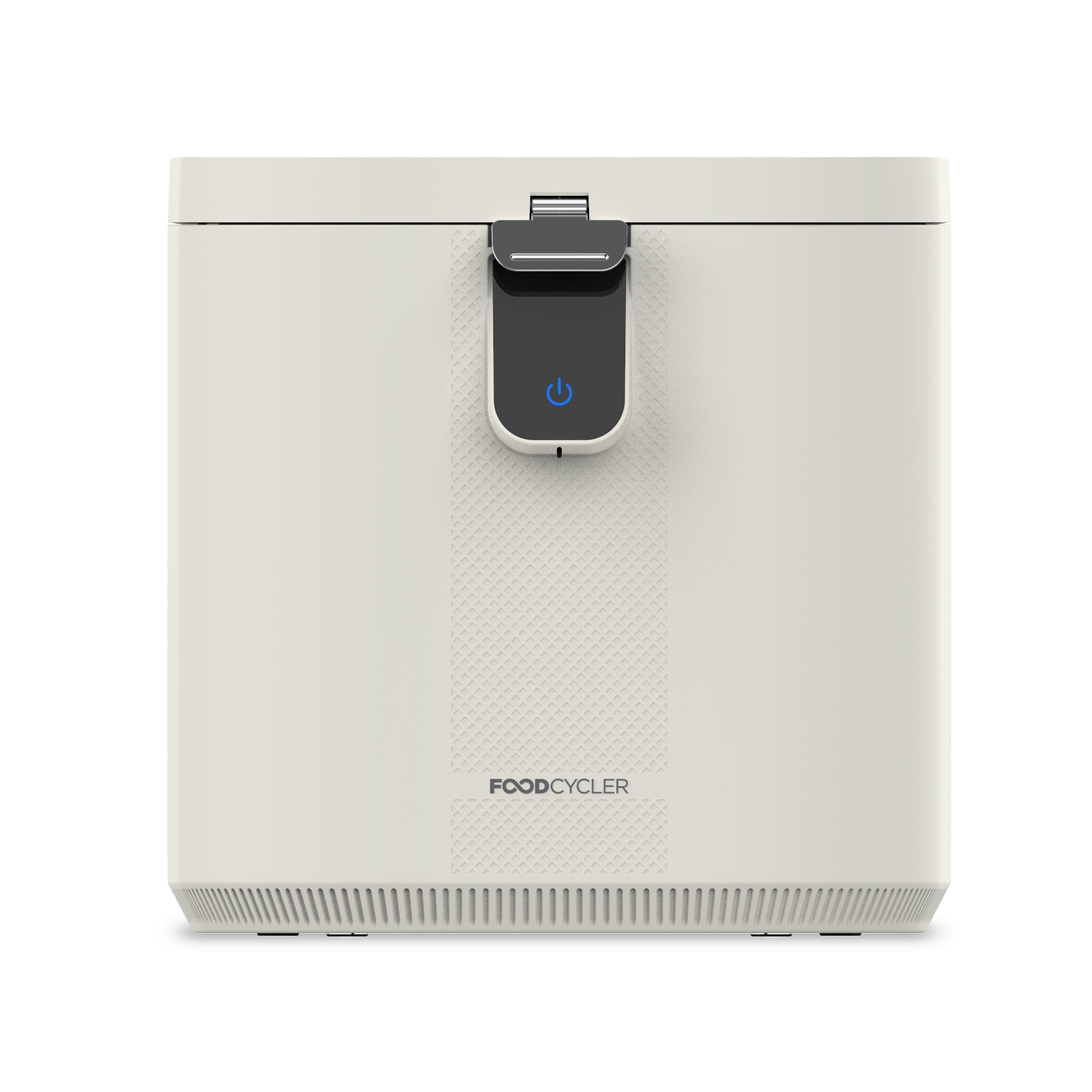
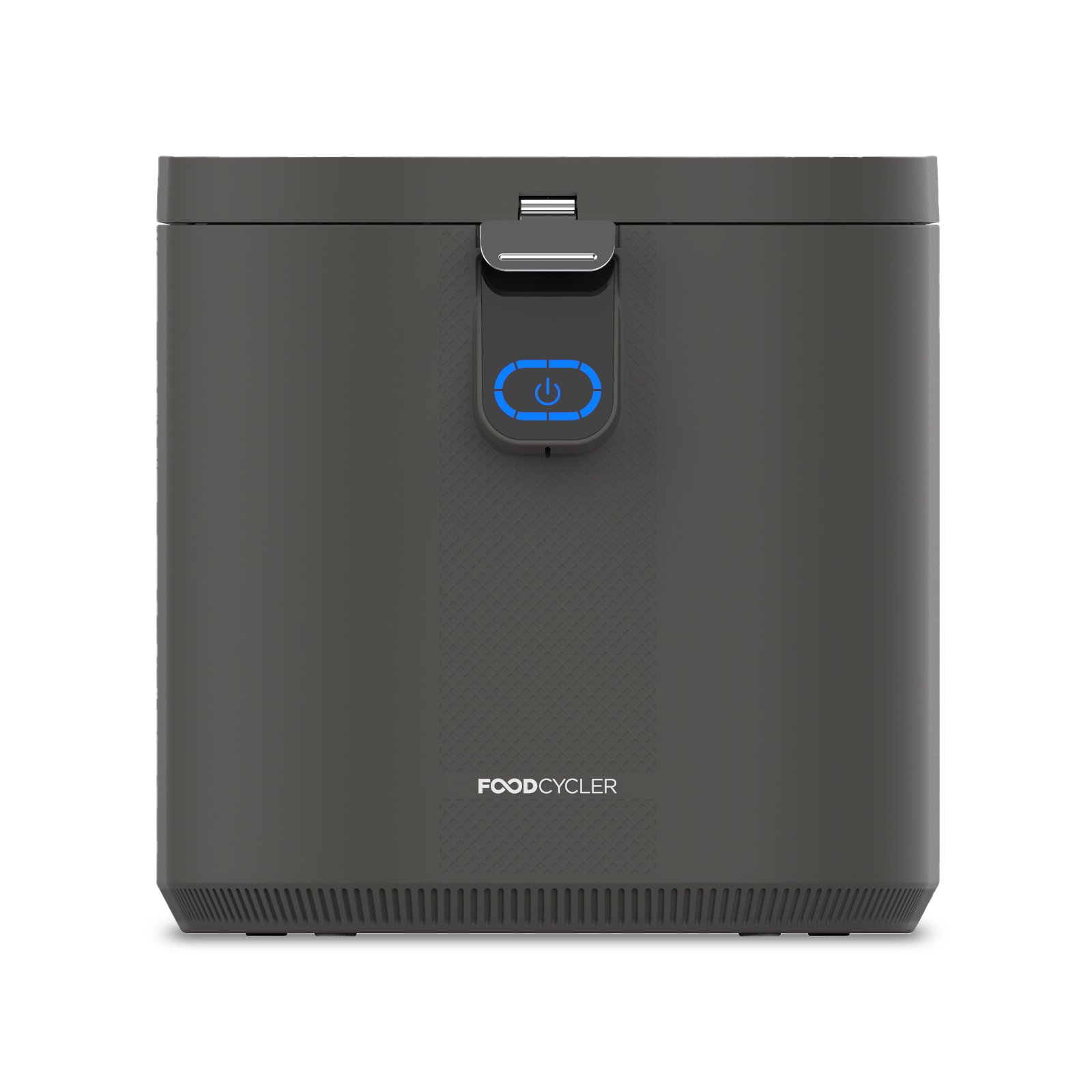
FoodCycler is a useful example of how far the category has come. Modern food recyclers can process a wide range of food scraps, manage odor effectively, fit comfortably into everyday kitchens, and reduce food waste volume dramatically with minimal effort from the user.
More importantly, they reflect a shift in how people think about food waste. For most households, the real decision isn't composting versus food recycling. It's how much effort they're willing to put into managing food waste. The easier solution is to use consistently, the more likely it becomes part of everyday life.
In other words, they do for food waste what other kitchen appliances have done for countless household chores before: take something inconvenient and make it routine.

The Future of Food Waste Recycling

For decades, food waste has been treated as something that belongs outside the kitchen, in a compost pile, a green bin, or a garbage bag waiting for collection day.
But modern kitchens are designed around convenience, efficiency, and systems that quietly handle routine tasks in the background. Food waste is one of the last household chores still waiting for that transformation.
Whether food recyclers become as common as dishwashers remains to be seen. What seems increasingly clear is that consumers are beginning to expect the same thing from food waste management that they expect from every other appliance in their home: simplicity.
And when expectations change, categories tend to follow.