Points clés à retenir
- Low-cost gardening works best when you reuse materials, choose dependable basics, and spend only on tools that solve recurring problems.
- Start with low-cost gardening ideas such as seed saving, plant division, repurposed containers, and homemade supports.
- Innovative garden tools are worth considering when they reduce waste, save time, improve consistency, or make gardening more accessible.
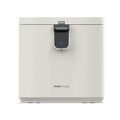
- FoodCycler® can turn eligible kitchen scraps into Foodilizer®, a dry, nutrient-rich by-product that can be mixed into garden soil.
A food waste recycler can be a smart investment in low-cost gardening, especially as grocery bills and traditional fertilizer costs continue to climb. More households are growing herbs, vegetables, and fruit to supplement what they buy with fresh, nutritious food from home.
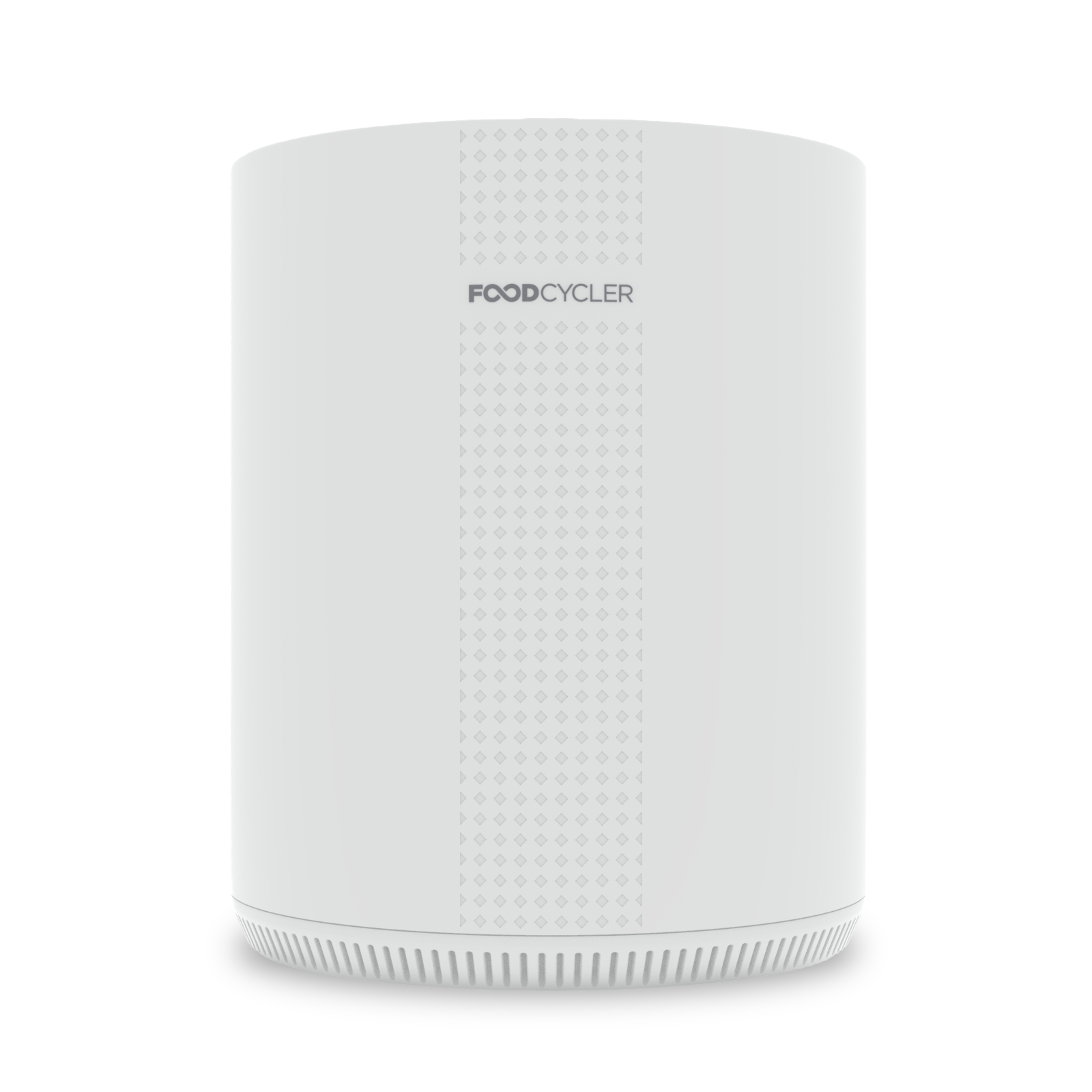
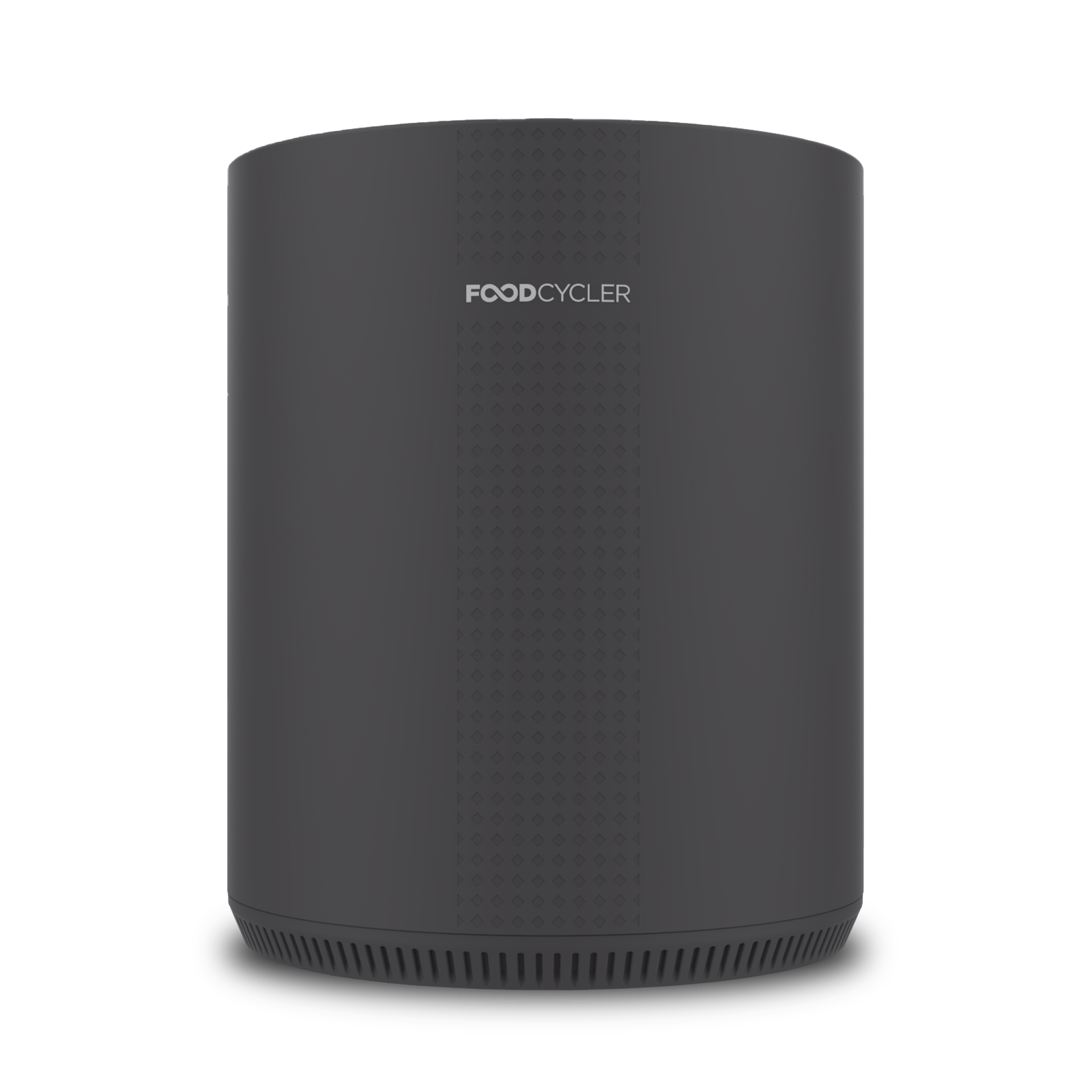
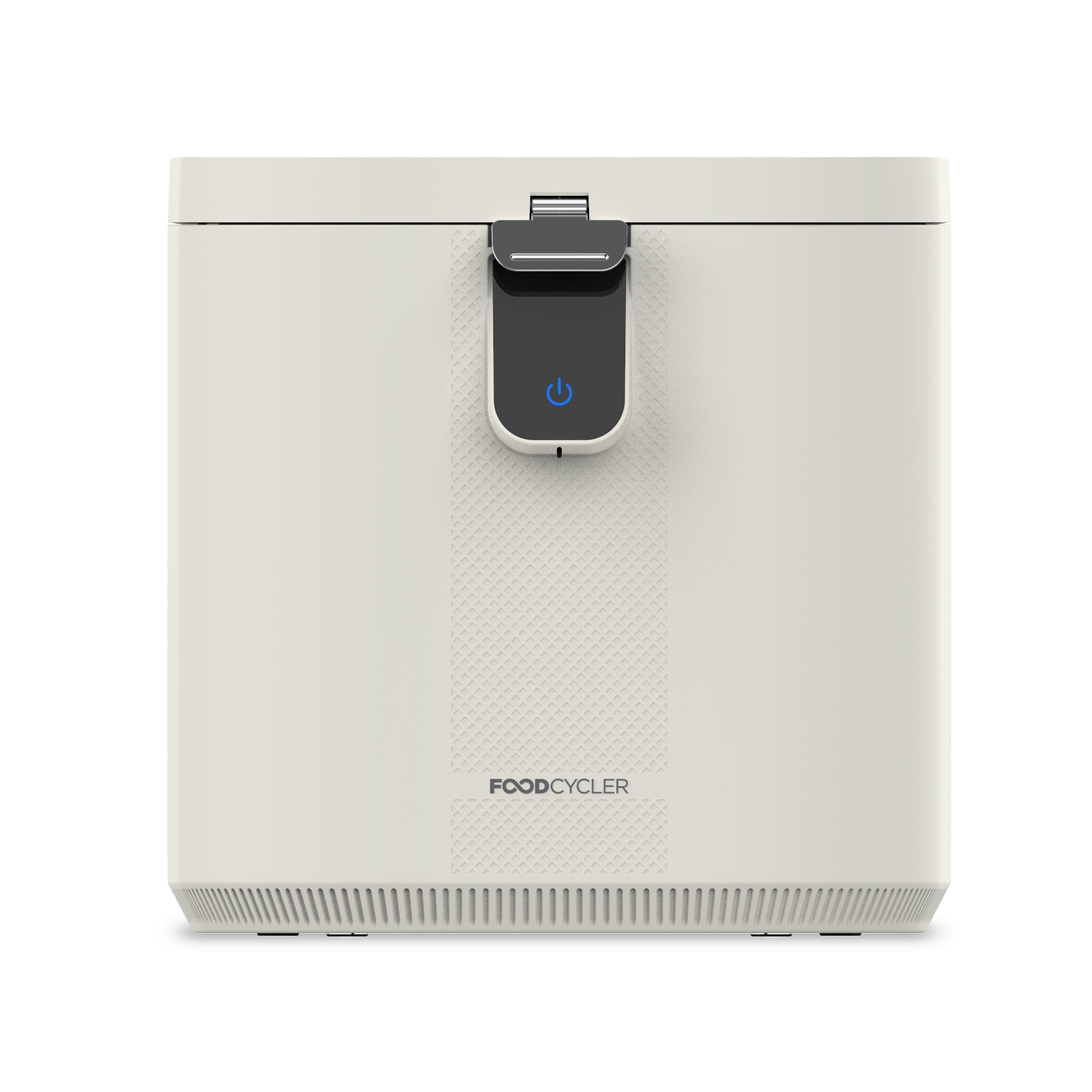
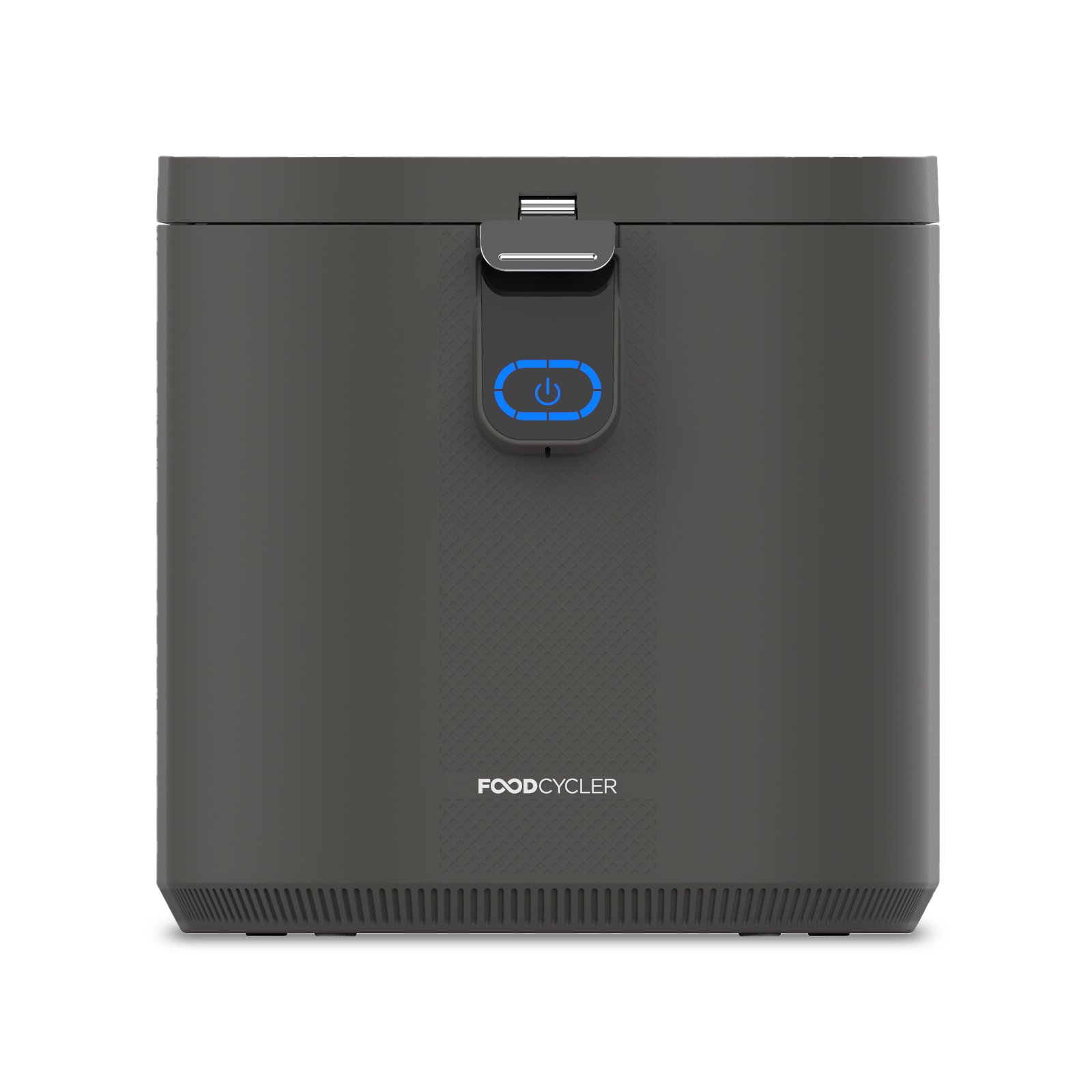
FoodCycler® helps make that routine more practical by transforming eligible kitchen scraps into a nutrient-rich by-product that can be mixed into soil instead of sending them to the garbage.
First things first: You do not need to fill the shed with expensive equipment.

Save on Containers, Labels, and Supports
Some of the most useful low-cost gardening ideas begin with a quick look through the garage, kitchen cupboard, or pile of supplies left from last season. Clean nursery pots can be reused for seedlings, and wooden chopsticks, trimmed branches, or scrap lumber can become plant supports and row markers.
Food-safe containers may also work as starter pots once drainage holes are added, but use some judgment here. Avoid brittle, damaged, or questionable plastics that may break down, increasing the risk of microplastic exposure. Reusing materials is only worthwhile when they are safe, durable, and suitable for the job.
Container size matters more than appearance. A small herb does not need an enormous planter, while a tomato plant needs enough soil to hold moisture and support its roots. Choosing the right size from the beginning saves money, reduces repotting, and gives the plant a better chance of thriving.
Spend on Tools You Use Constantly
Low-cost gardening does not mean choosing the least expensive version of every tool on the shelf. Sometimes the bargain option costs more in the long run.
A trowel that bends in compacted soil is not a bargain. Neither are pruners that pinch your hand or become dull after one season. The goal is to spend thoughtfully on the tools that do the most work.
A dependable starter kit might include:
- Bypass pruners for living stems
- A sturdy hand trowel
- A watering wand with adjustable flow
- Durable gardening gloves
- A simple sharpening tool
Choose based on frequency rather than novelty. If you prune every weekend, comfortable, well-made pruners deserve a larger share of the budget. If you transplant only a few times each year, a straightforward trowel may be perfectly adequate.
This is the same principle we teach in a community garden. Spend where performance affects your health, safety, or results. Save where a basic tool can do the job just as well.
Grow More With Seeds, Cuttings, and Divisions
Mature nursery plants provide instant gratification, but they can quickly drain a gardening budget. Seeds cost far less per plant and often give you access to varieties that are difficult to find as transplants.
Cuttings and divisions are equally useful. An established perennial that has outgrown its space can often be divided into several healthy plants. Herbs such as basil, mint, and rosemary may be propagated from cuttings, depending on the plant and growing conditions.
Seed swaps, neighborhood gardening groups, and community gardens can also stretch a small budget. These exchanges do more than reduce costs. They help preserve locally successful varieties and connect new gardeners with people who already understand the area’s climate and soil.
Keep a simple garden record as you go. Note germination dates, productive varieties, pest problems, and the parts of the yard where plants perform best. A notebook can prevent you from buying the same unsuitable plant two years in a row, which may be one of the most practical low-cost gardening ideas of all.
Spend Selectively on Innovative Garden Tools
The most useful innovative garden tools tend to solve a specific, recurring problem. Quite often, that problem begins with ordinary human behavior.
A soil moisture meter can help a generous gardener who waters too often. A self-watering planter can provide more consistent moisture during a hot week. A lightweight kneeling bench may allow someone to work longer and more comfortably without putting unnecessary pressure on the knees or back.
These tools are valuable because they improve decisions. They do not replace gardening knowledge, but they can make good habits easier to maintain.
FoodCycler belongs in this conversation for gardeners who regularly produce food scraps and want a convenient indoor way to manage them. The Foodilizer guide explains how each cycle produces a dry, nutrient-rich by-product suitable for garden applications. FoodCycler models can reduce the volume of eligible food waste by up to 90% per cycle, leaving much less material to manage.
It is important to use precise language here. Foodilizer® is a soil amendment, not finished compost or traditional fertilizer. FoodCycler recommends mixing it with soil at a 1:10 ratio. For cycles containing a larger amount of meat or dairy, the recommended ratio is 1:20.
Gardeners should review the complete guide to using kitchen scraps in the garden before applying it. Used correctly, FoodCycler can become part of a broader low-cost gardening strategy by helping households make better use of materials they already have.
Save by Maintaining What You Buy
Maintenance may not be the most glamorous gardening topic, but it has an excellent return on investment.
Clean soil from tools before storing them. Dry metal surfaces to discourage rust. Sharpen pruners instead of replacing them, and empty watering equipment before freezing temperatures arrive. A few minutes of care at the end of the day can add years to a tool’s useful life.
The same logic applies to newer equipment. Read the care instructions, buy compatible replacement parts, and avoid stocking up on accessories that do not fit your actual routine. FoodCycler owners can find replacement buckets, brushes, and carbon refills in the FoodCycler accessories collection.
A maintained basic tool will often outperform a neglected premium one. Before buying something new, ask a few practical questions. Can the current tool be cleaned, sharpened, repaired, or used differently? Does the replacement solve a real problem? Will you still use it next season?
Those questions tend to separate worthwhile investments from clutter.

Turn Kitchen Scraps into Garden Value with FoodCycler
FoodCycler® earns its place in a low-cost gardening routine by helping connect two everyday habits: managing kitchen scraps and caring for the garden. Instead of sending eligible food waste straight to the garbage, you can process it indoors and create Foodilizer®, a dry, nutrient-rich by-product designed for garden applications.
That makes FoodCycler useful well beyond planting day. It can help keep the kitchen more organized, reduce the volume of food waste you manage, and give beginning gardeners a practical way to make better use of scraps from meal prep, table leftovers, and even garden produce that did not turn out as planned.
For households looking to spend more thoughtfully, FoodCycler is an investment in a routine that supports both the home and the garden. Explore FoodCycler and start turning everyday food scraps into something your garden can use.
Questions fréquemment posées
Is FoodCycler good for beginning gardeners?
Yes! In fact, FoodCycler can be the ultimate gardening tool for beginners because it makes it easier to turn eligible kitchen scraps into a dry, nutrient-rich by-product for use in the garden.
Rather than managing an outdoor compost pile, new gardeners can run a cycle indoors and mix Foodilizer® into soil according to the recommended ratios. It creates a simple routine for reducing food waste and supporting garden soil without requiring a large yard or advanced composting experience.
Just as nicely, it’s not just important for gardening, but also as a low-cost tool to help keep your kitchen organized while recycling your table scraps and “that didn’t go as I hoped” gardening plants alike.
Are High-End Garden Tools Worth the Cost?
High-end garden tools can be worth the expense when they offer stronger materials, replaceable parts, better ergonomics, or a useful warranty. The higher price is harder to justify when it pays mainly for branding or appearance. Compare comfort, construction, repairability, and expected frequency of use before deciding.
Which Innovative Garden Tools Can Help Reduce Waste?
You shouldn’t go for flashy for the sake of flashiness, but rather invest in overall utility and performance.
In addition to FoodCycler, the best innovative garden tools improve accuracy, extend the life of other equipment, or help gardeners reuse available materials. Moisture meters may reduce overwatering, sharpening tools can prevent premature replacement, and a food waste recycler can turn eligible kitchen scraps into a soil amendment. The right choice addresses a real source of waste in your household or garden.
How Can I Start Low-Cost Gardening With Very Little Equipment?
Start with a few containers, seeds, gloves, a hand trowel, and a basic watering container. Choose plants suited to your available light, climate, and space. Add tools gradually, after experience shows that they will save time, protect your body, improve plant care, or make the garden easier to maintain.